Seville: the birthplace of flamenco and one of the best cities to learn Spanish

Seville is one of Spain’s most iconic cities and a must for anyone who wants to learn Spanish while enjoying an authentic cultural experience. With sunshine, a welcoming atmosphere, and a natural blend of tradition and modern life, studying in Seville is not just about attending classes: it is about immersing yourself in the history, art, and everyday rhythm of Andalusia.

Historic city view of Seville, one of the most attractive destinations in Spain for learning Spanish

Seville

Why choose Seville to study Spanish?

Seville is one of the best places to learn Spanish while experiencing Andalusian culture from the inside. Its vast historic centre, layers of Christian, Islamic and Jewish heritage, and relaxed social lifestyle make studying here feel far richer than simply going to class. In Seville, you improve your Spanish while walking through characterful neighbourhoods, discovering patios, squares and monuments, and understanding how southern Spain is really lived.

The heart of Andalusian culture

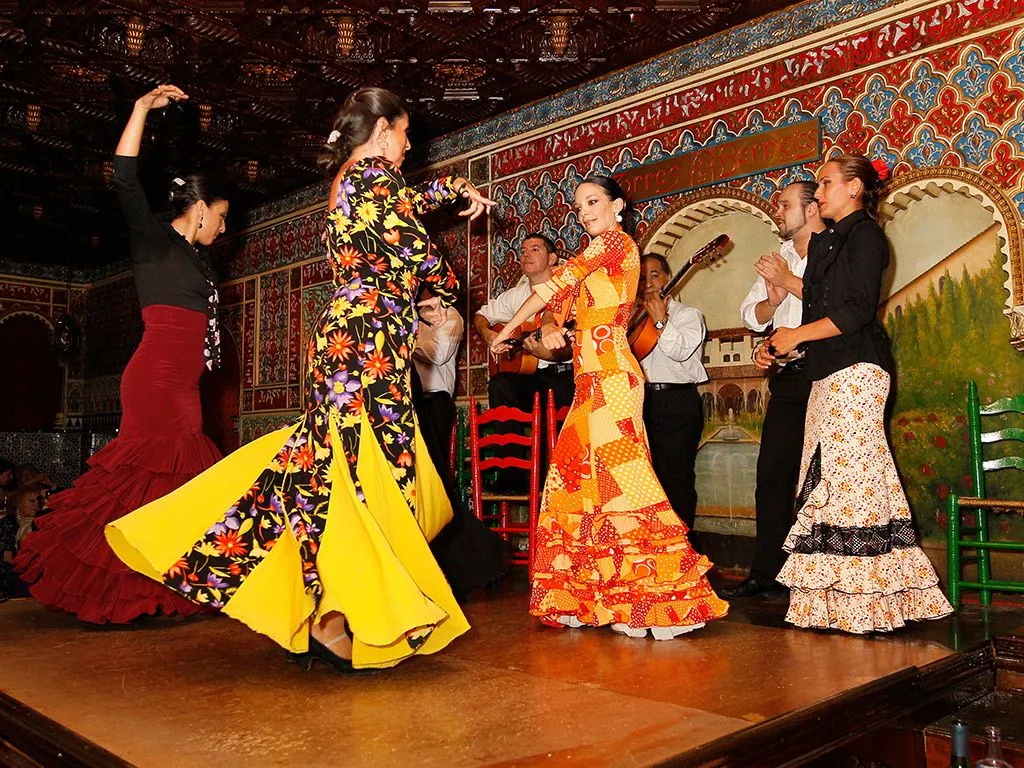
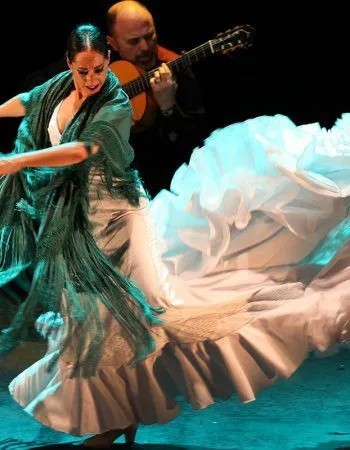
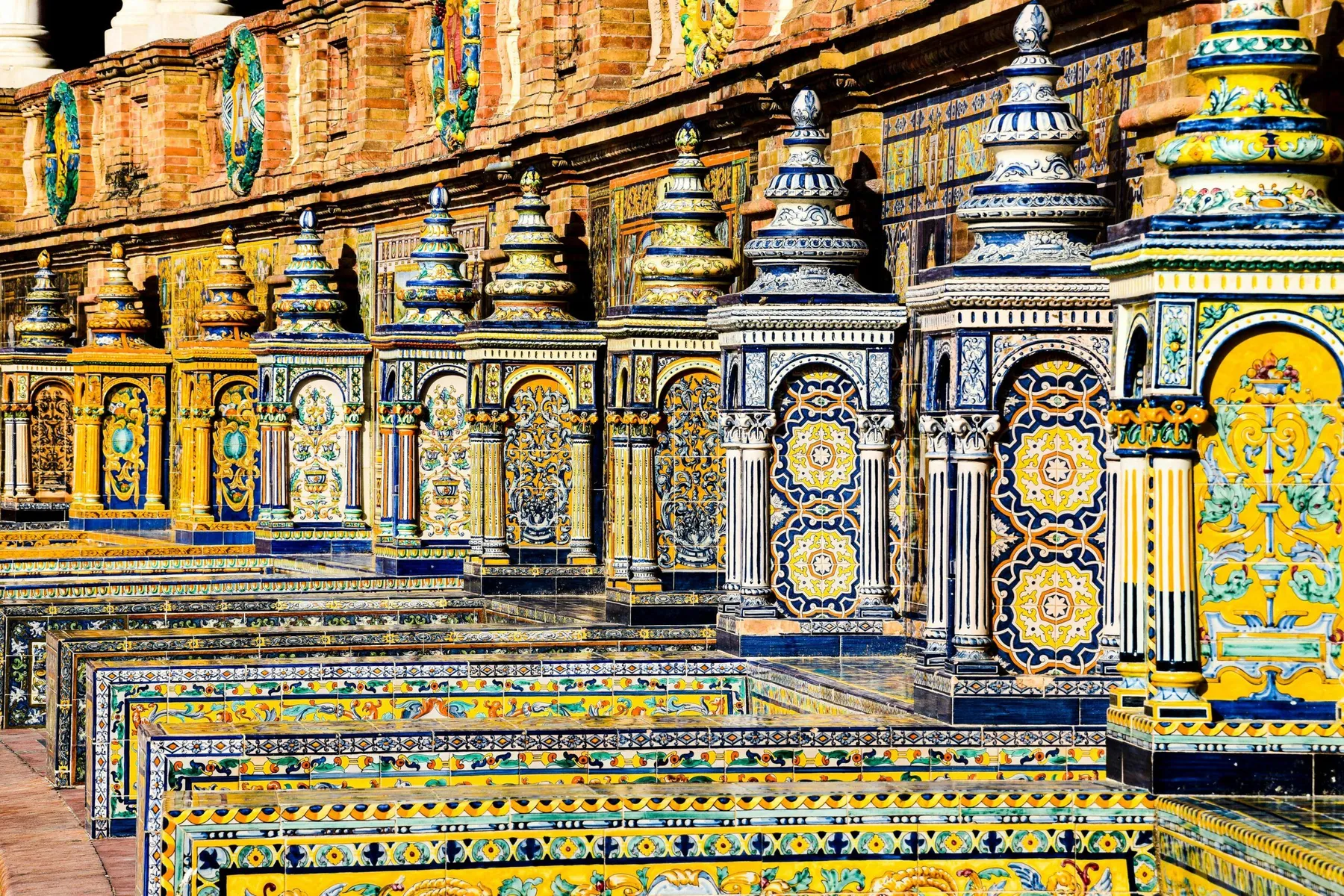
Flamenco, traditional festivals, ceramic art, courtyards, and street life all shape a highly natural language immersion environment.
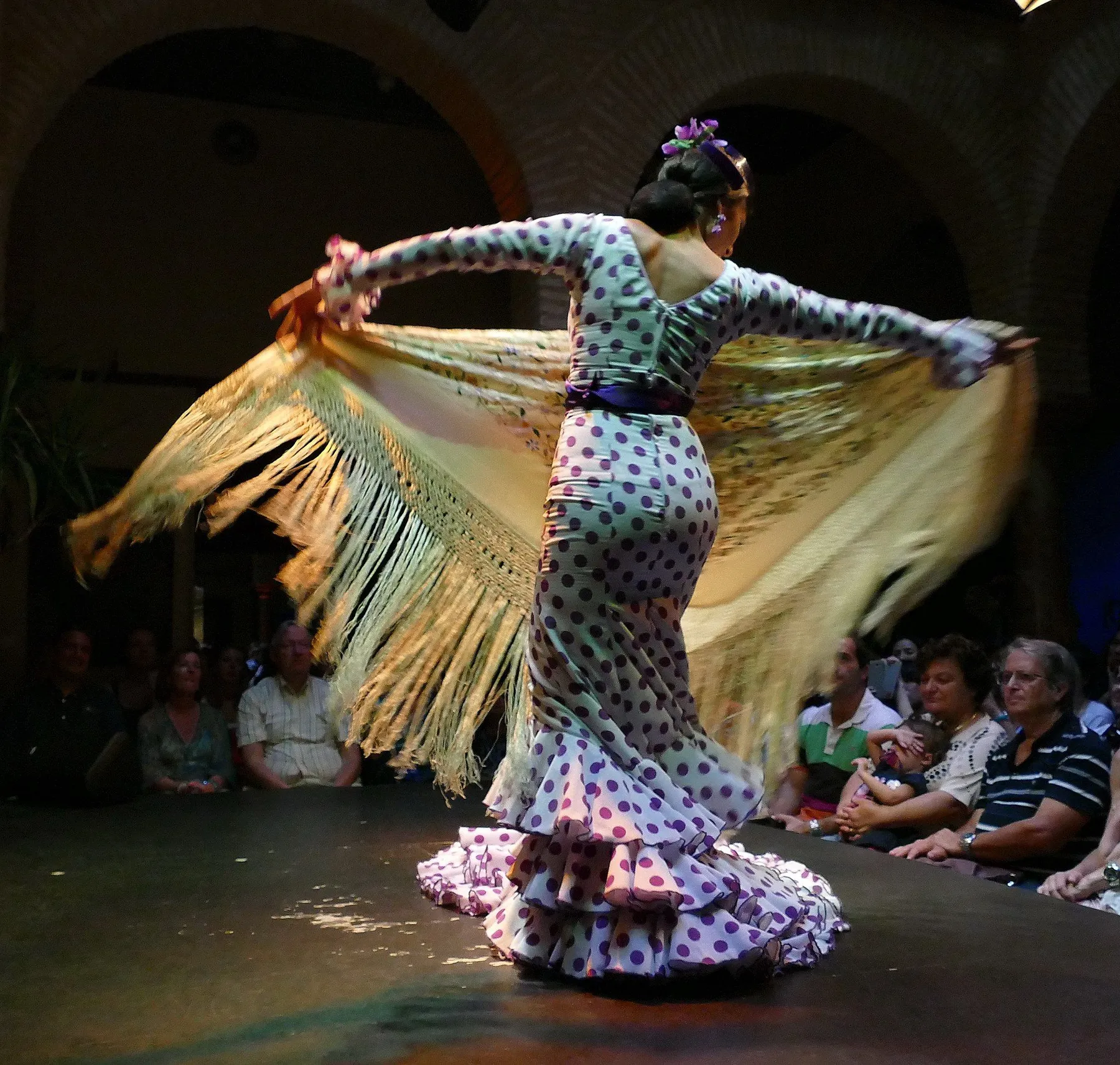
A city with strong historical identity

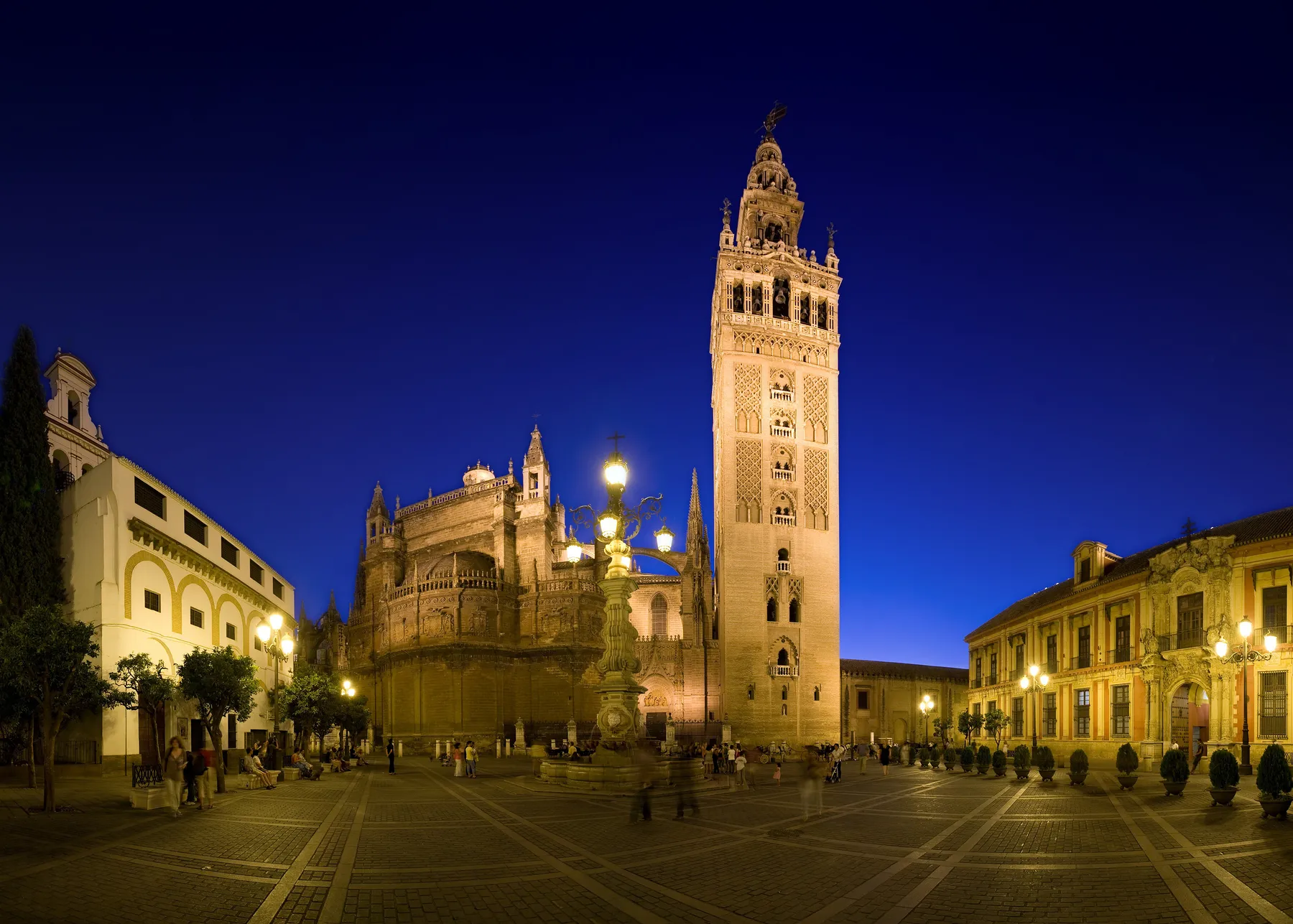
The Cathedral, the Giralda, the Alcázar, and the old districts make Seville an inspiring place to learn Spanish surrounded by heritage.

A student-friendly lifestyle

Seville is walkable, bright, and easy to enjoy day to day, making it ideal for balancing classes, leisure, and real-life language practice.

More immersion, less rush

Compared with faster-paced cities, Seville gives you steadier contact with local life, which is especially helpful for building speaking confidence.

How to get around Seville

Seville is a very walkable city, and the weather is pleasant for much of the year. For longer trips, you can combine TUSSAM buses, the MetroCentro tram, the metro, and RENFE Cercanías commuter trains.

Seville metro

Line 1 connects Ciudad Expo and Olivar de Quintos, passing through important interchanges such as San Bernardo. Timetables and fares are available at metrodesevilla.es.

  • Service is more frequent during peak hours.
  • The network is generally accessible.

TUSSAM buses

The TUSSAM bus network covers the city centre and most neighbourhoods, including night services. Routes, fares and live information are available on tussam.es.

  • Useful for getting to Triana, Nervión, Macarena or Cartuja.
  • Remember to validate your card when boarding.

Tram and Cercanías

The MetroCentro (T1) links San Bernardo and Plaza Nueva, making it useful within the centre. For wider metropolitan travel, use RENFE Cercanías: renfe.com.

From the airport to the centre

The most common public option is the EA airport bus, which stops at Santa Justa, Prado de San Sebastián and the city centre. More information is available on TUSSAM and AENA.

If you stay in the old centre, the EA plus a short walk is usually the easiest combination.

Seville's most important festivals and traditions

Seville's two most iconic celebrations are Semana Santa and the April Fair, although the local calendar also includes other events closely tied to Andalusian traditions.

March-April

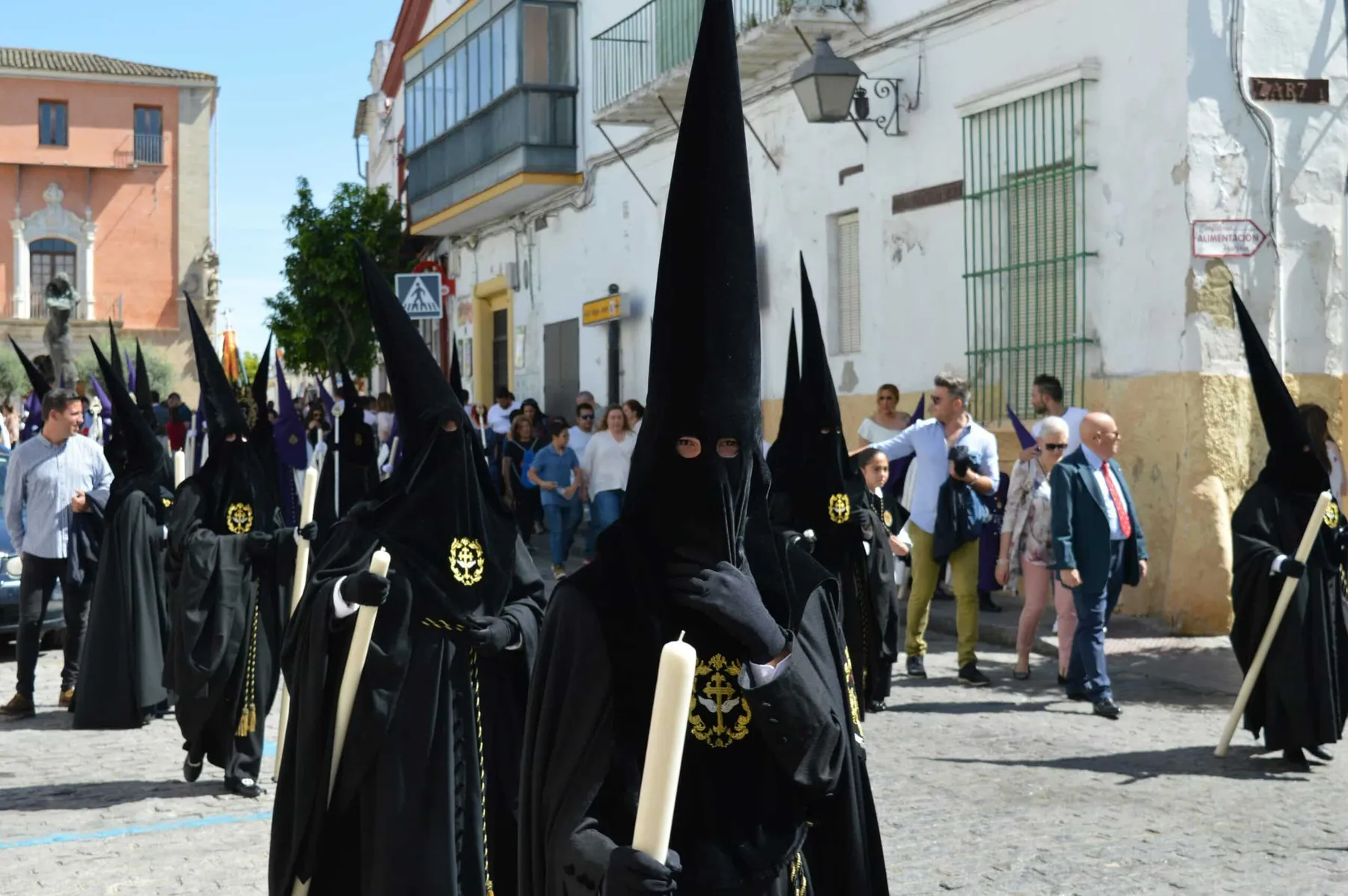
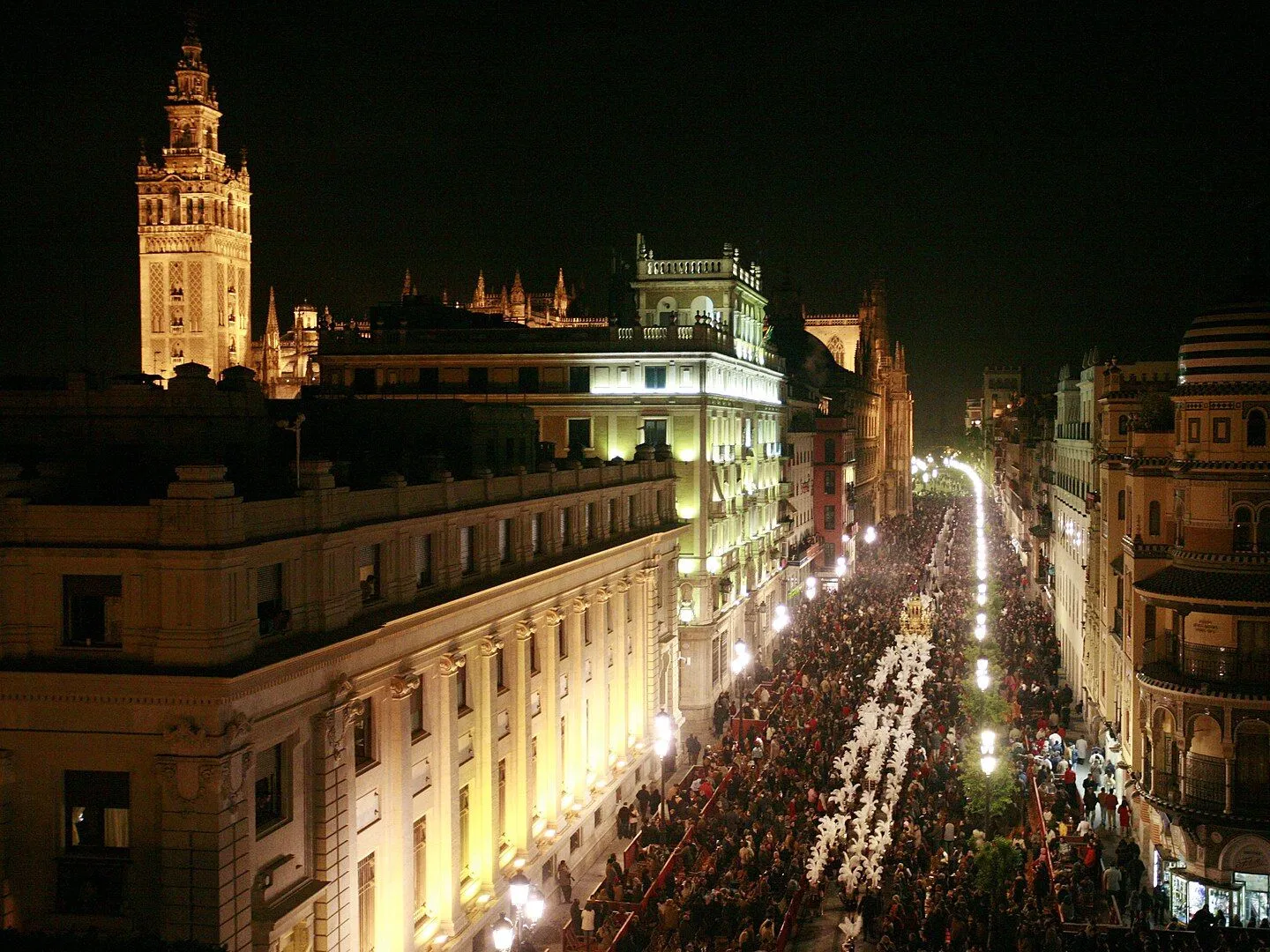
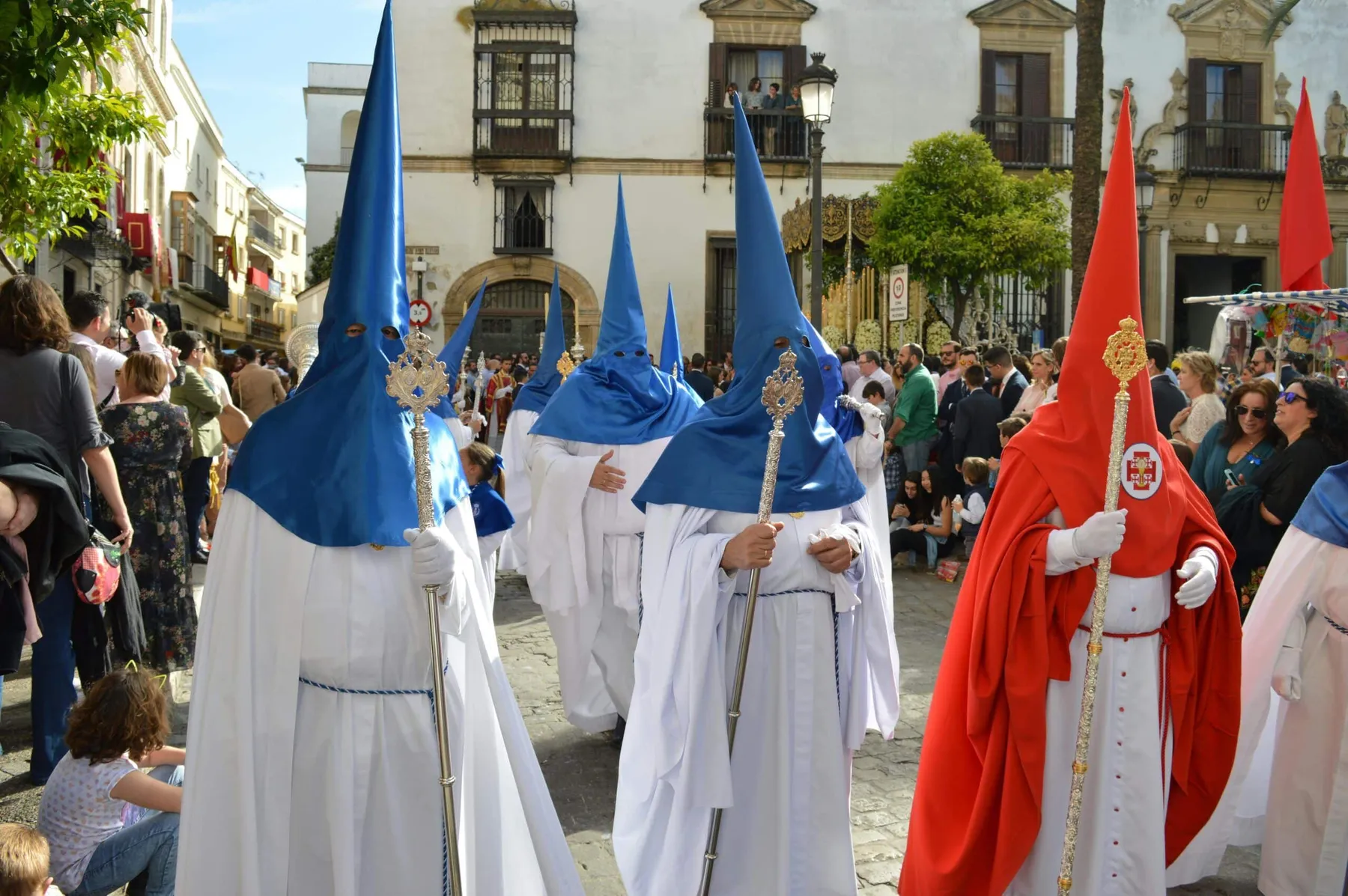
Semana Santa

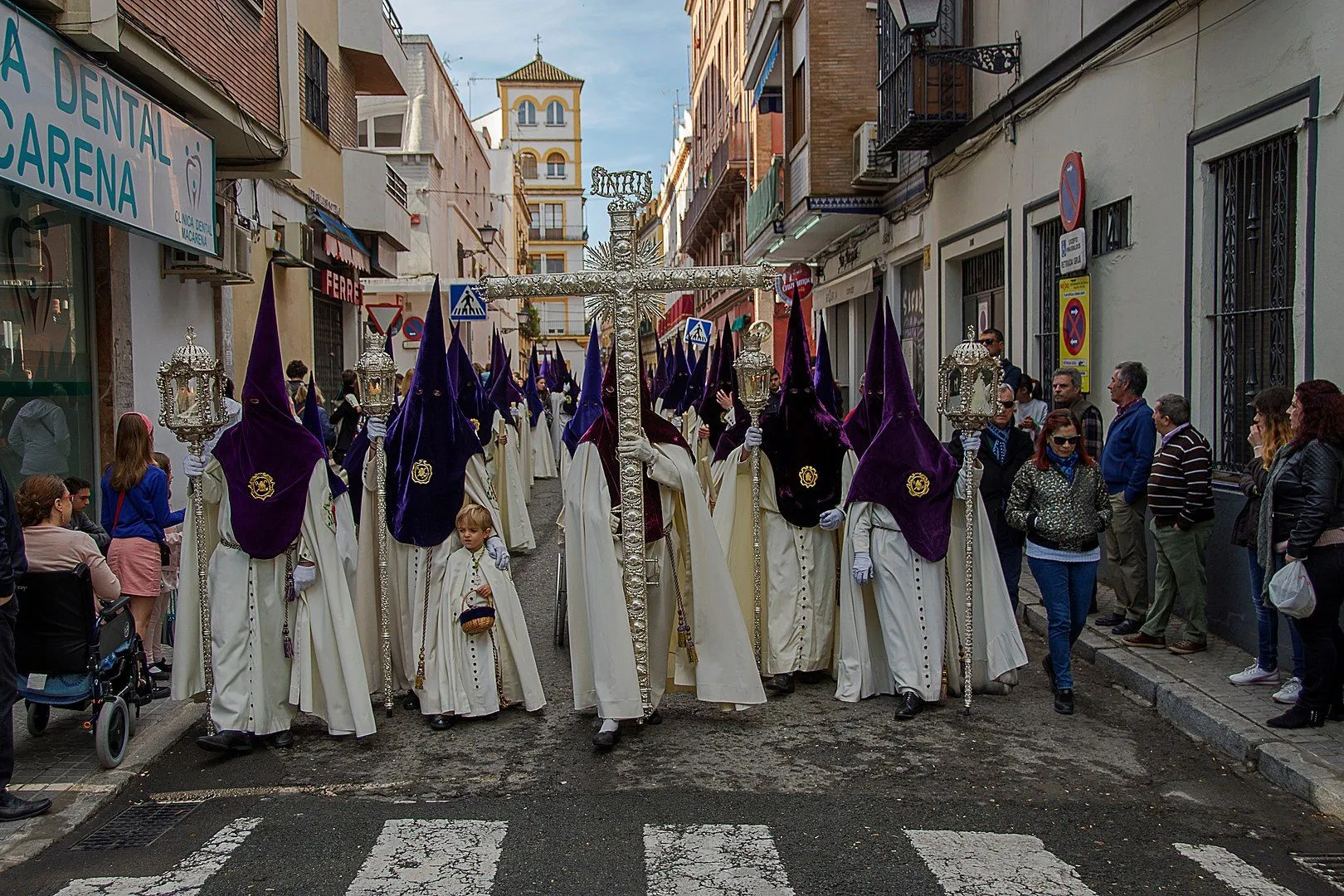
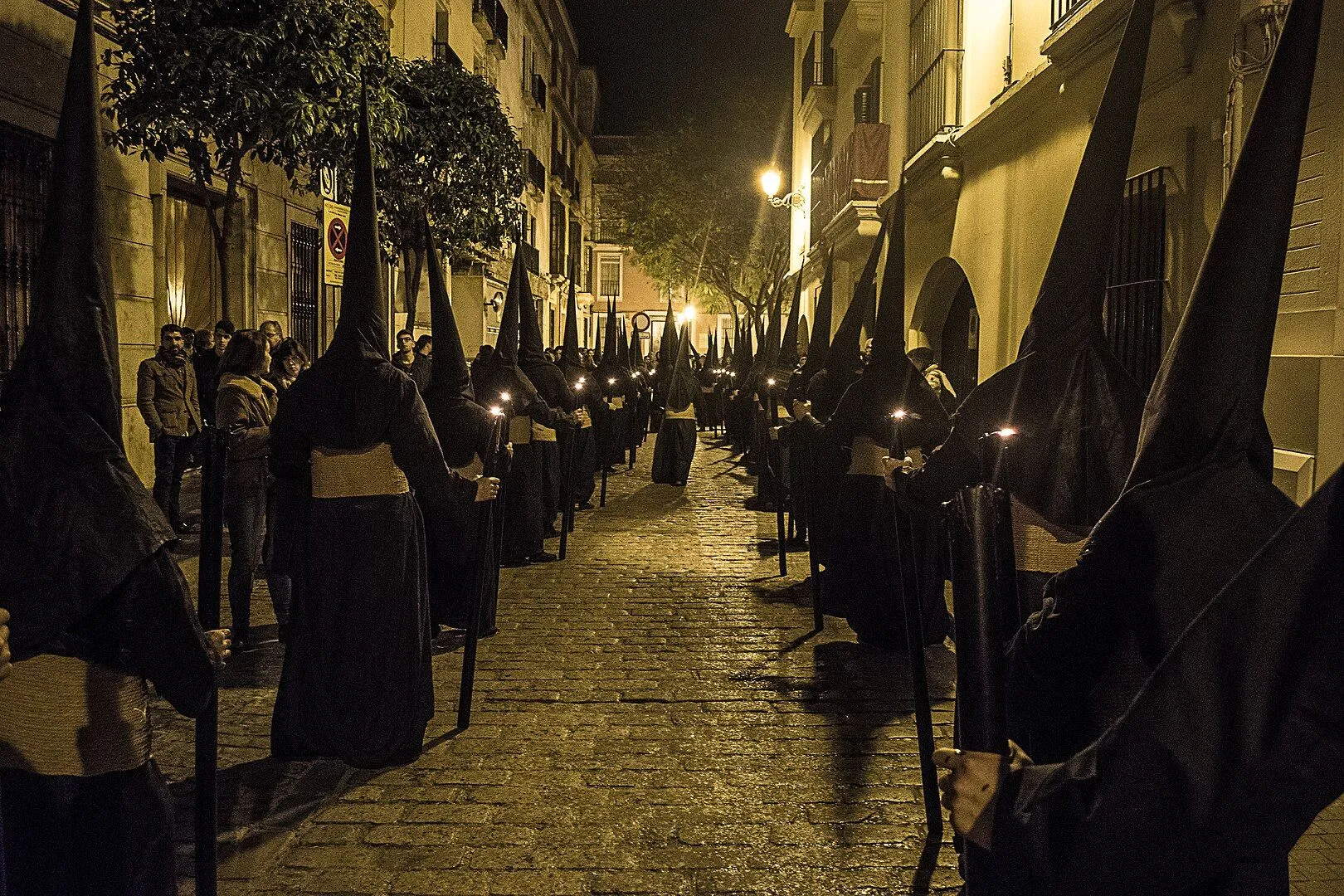
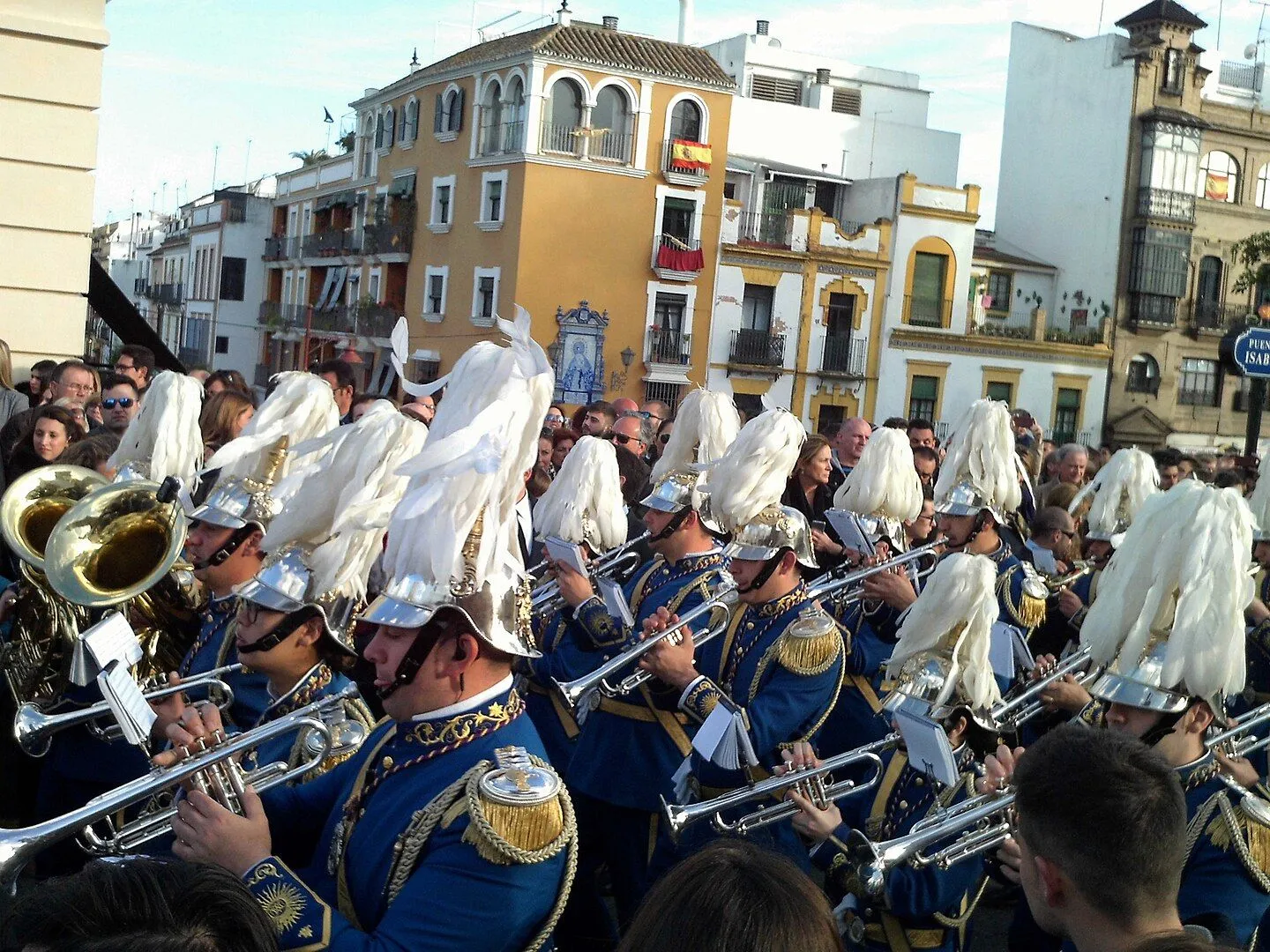
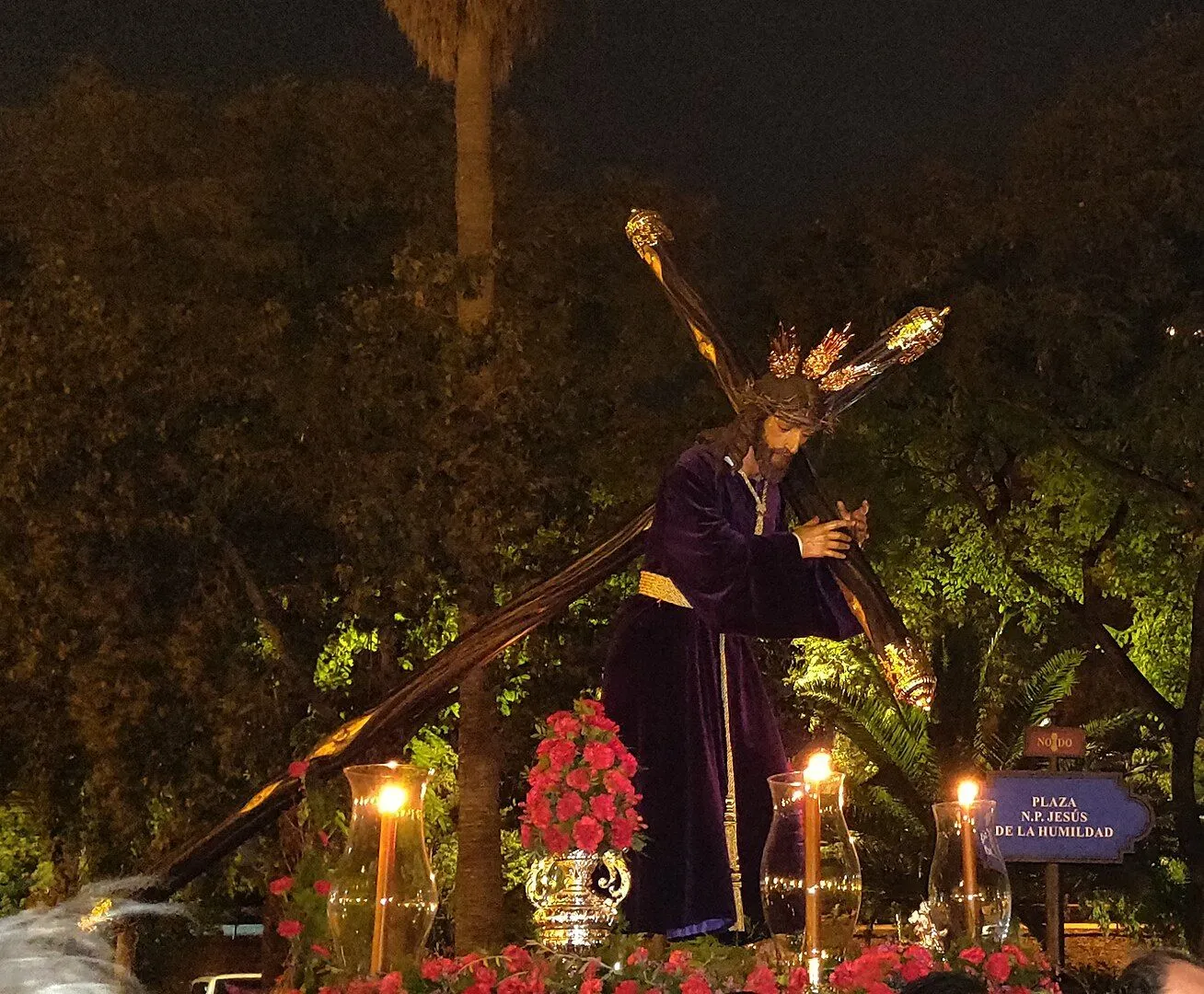
More than fifty brotherhoods process through the centre with their pasos, marching bands and a powerful atmosphere that defines Seville's identity.

Where: historic centre | Type: religion, tradition

April

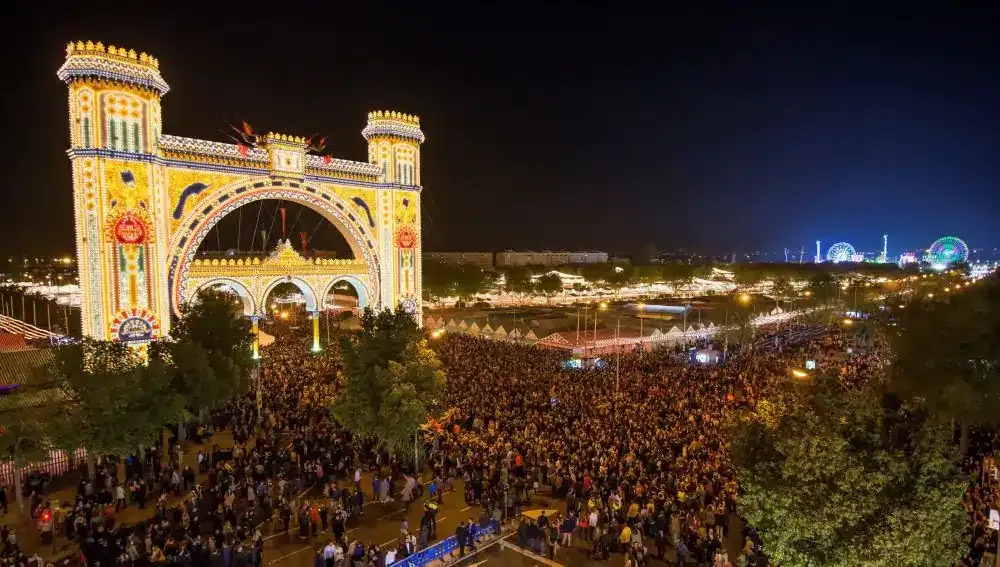
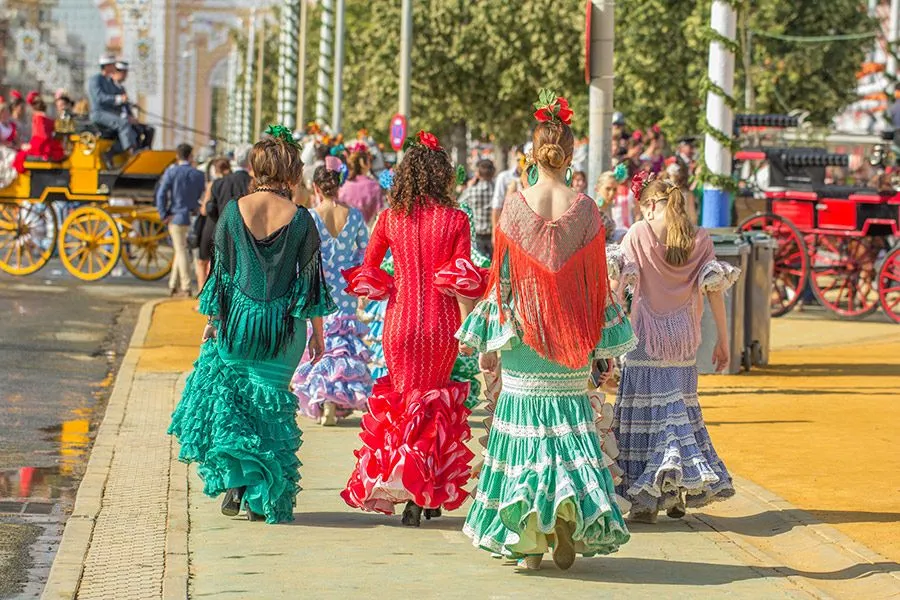
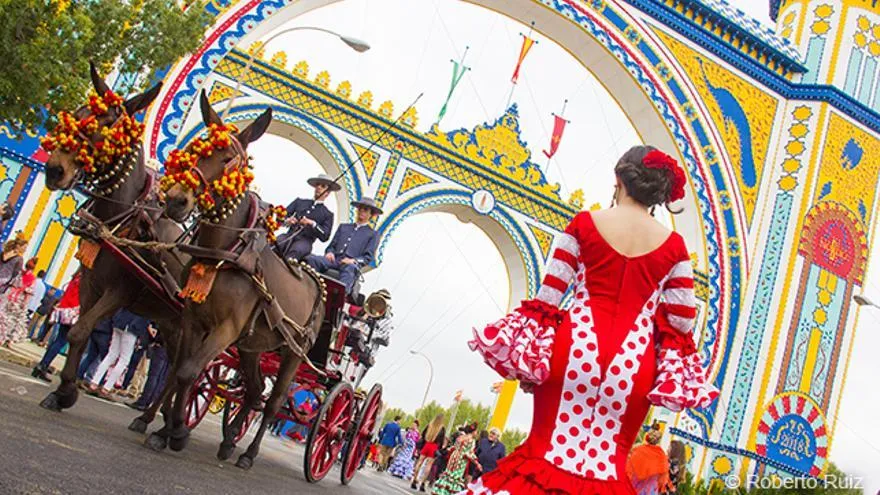
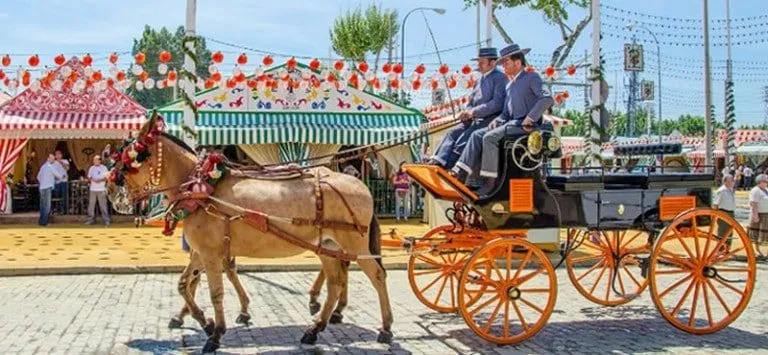
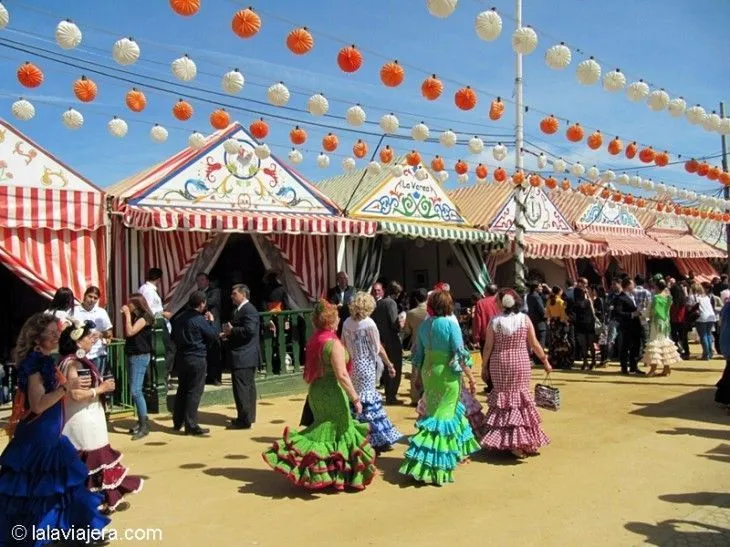
April Fair

Casetas, sevillanas, horses and local food come together in Seville's brightest and most sociable week of the year.

Where: fairgrounds | Type: festival, music, food

May

May Crosses

In several neighbourhoods, floral crosses and small local celebrations create a more intimate, everyday atmosphere.

Where: neighbourhoods | Type: local tradition

May-June

Romería del Rocío

Although it is not limited to the city centre, it is one of Andalusia's key pilgrimages and deeply connected to Seville's cultural world.

Where: Andalusia | Type: pilgrimage, tradition

Dates and routes may change every year. Before travelling, it is best to confirm the latest information on Visitasevilla and Ayuntamiento de Sevilla.

What to eat in Seville: Andalusian flavours

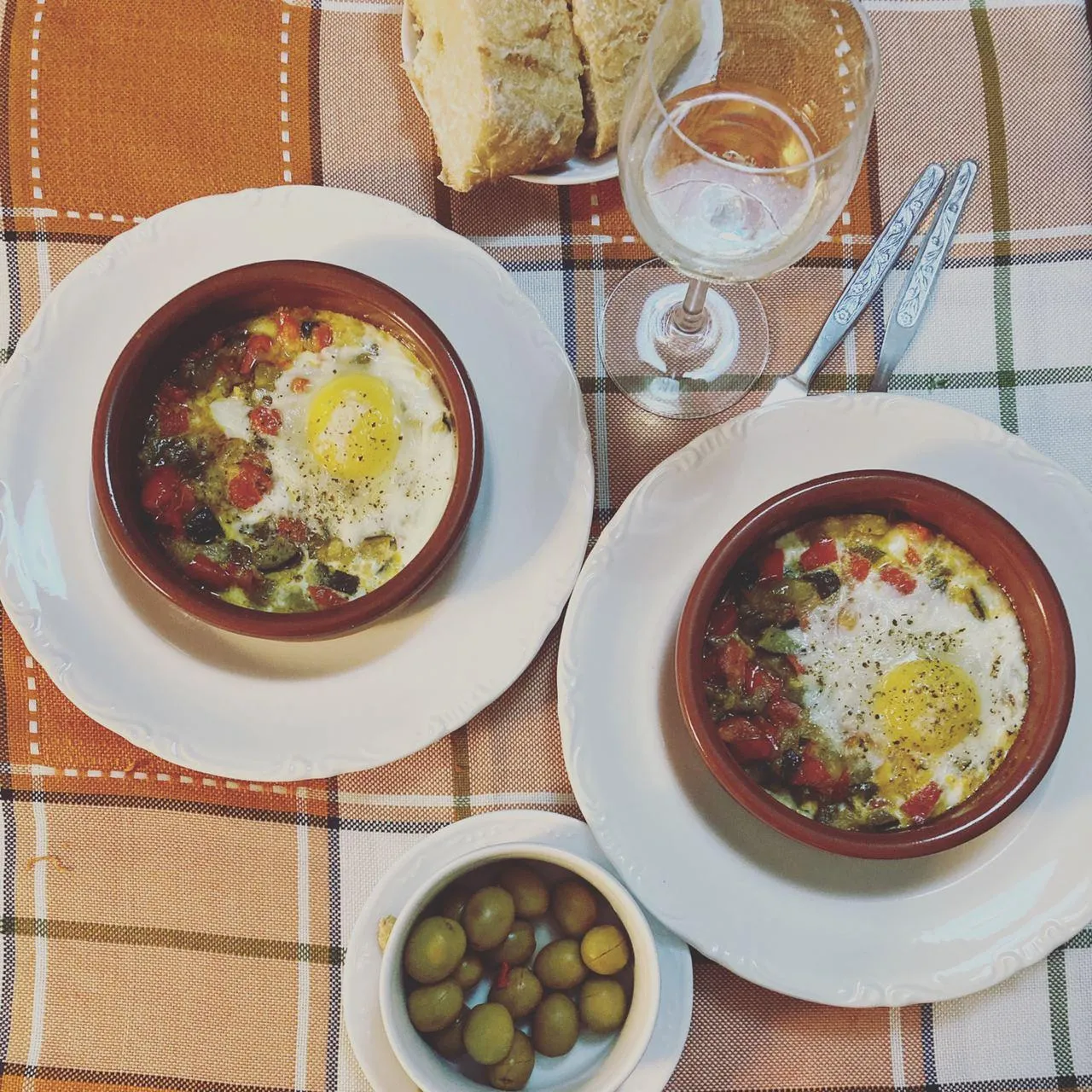
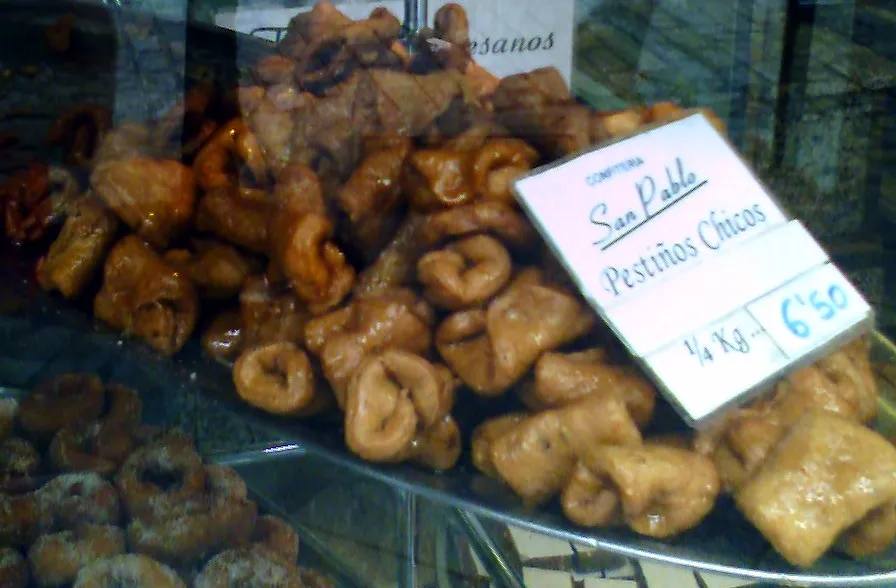
Tapas, olive oil, marinades, fried dishes, Mediterranean vegetables and traditional sweets shape a food culture deeply tied to everyday life in Seville.
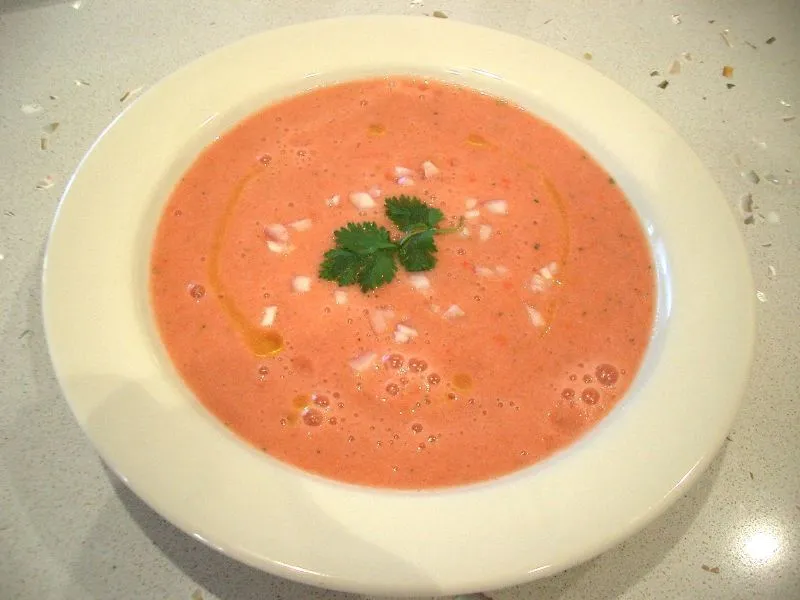
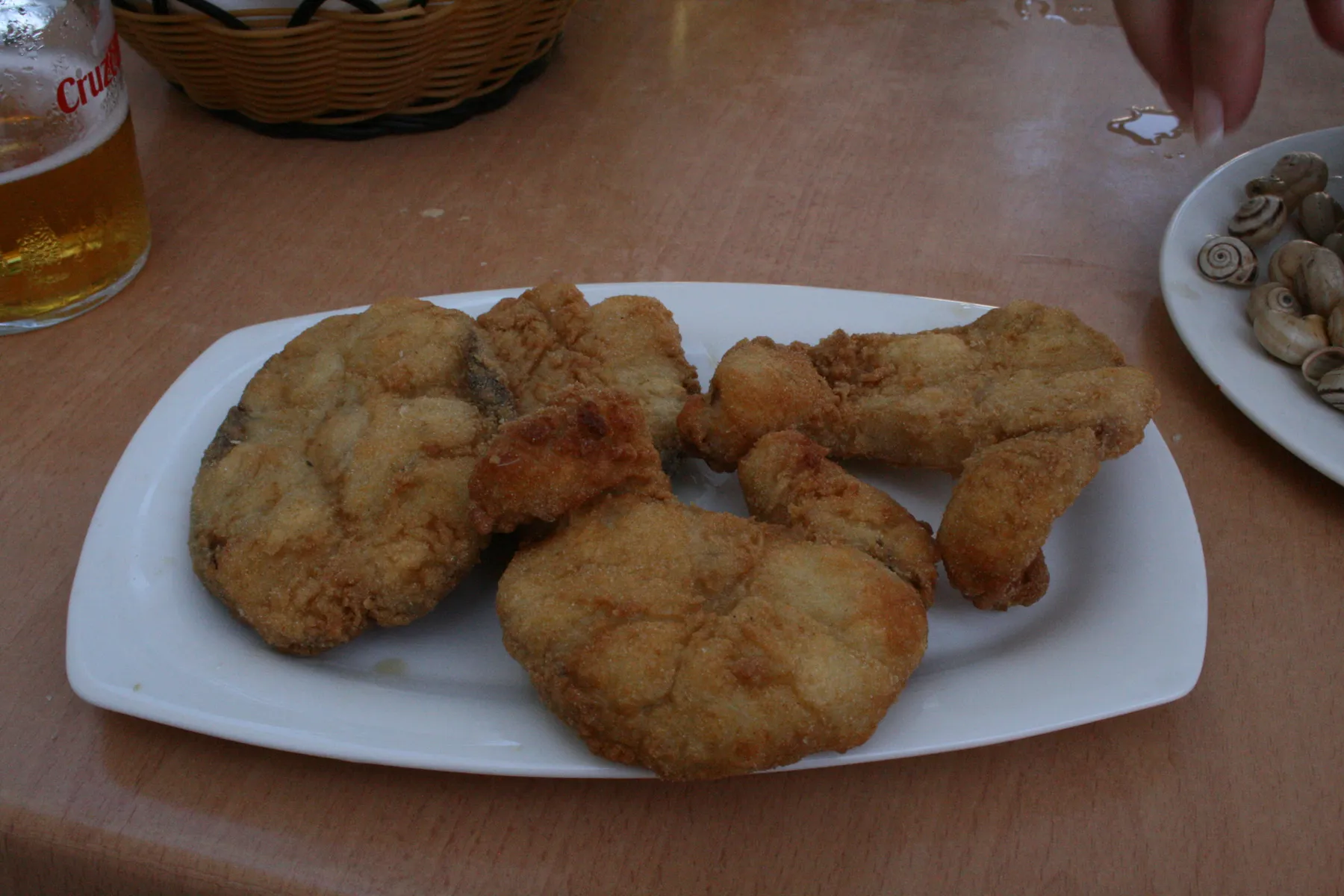
More Seville dishes and food tips

  • Puchero — a homestyle stew with chickpeas and meats, closely tied to everyday cooking.
  • Pringá — shredded stew meats, often eaten in a sandwich or small roll.
  • Espinacas con garbanzos — one of Seville's most classic tapas dishes.
  • Drinks: fino, manzanilla, rebujito and orange wine are all strongly linked to the region.

If you want a strong local food atmosphere, Triana, Arenal, Alameda and the area around Mercado de Triana are great places to start.

Must-see landmarks in Seville

Seville's historic centre brings together Islamic, Gothic, Renaissance and contemporary layers in one city. If you want to understand the place while studying Spanish, these are the landmarks to start with.

Seville Cathedral and Giralda

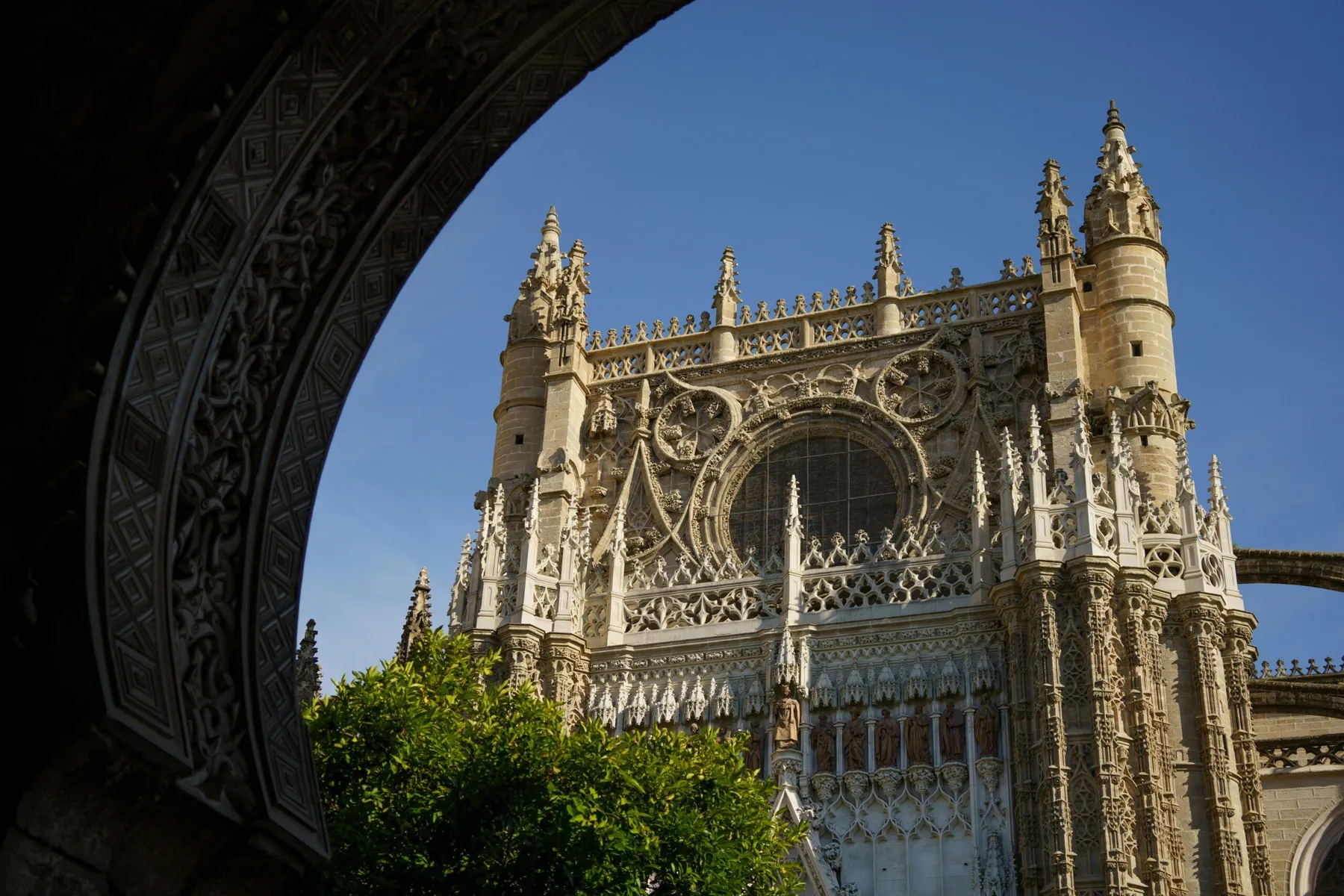
Seville Cathedral is one of the world’s most emblematic Gothic churches, and the Giralda was originally an Almohad minaret. Climbing its ramps gives you a sweeping view over the historic centre.

Royal Alcázar of Seville

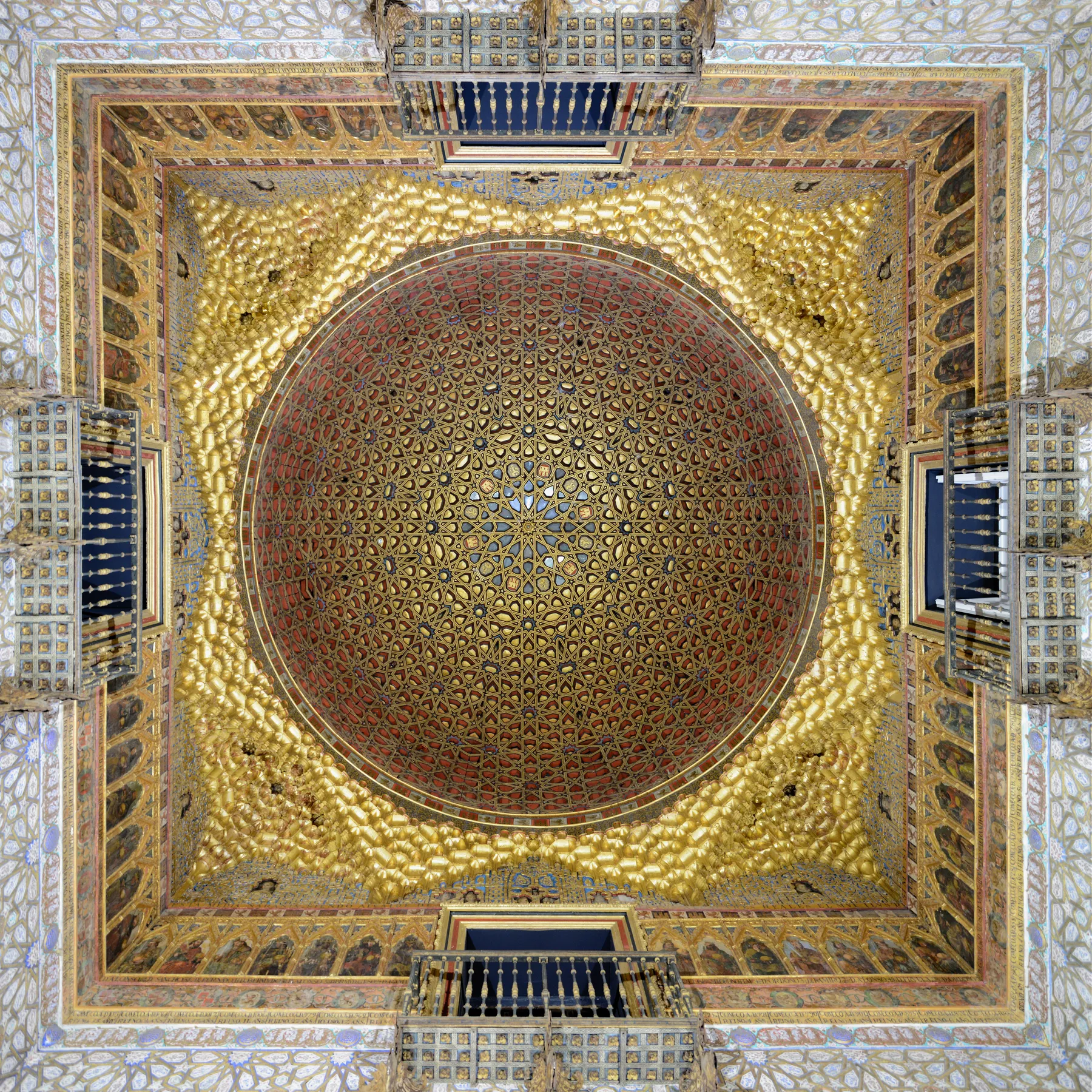
This palace, still in use today, combines Mudéjar architecture, medieval courtly spaces and refined gardens.

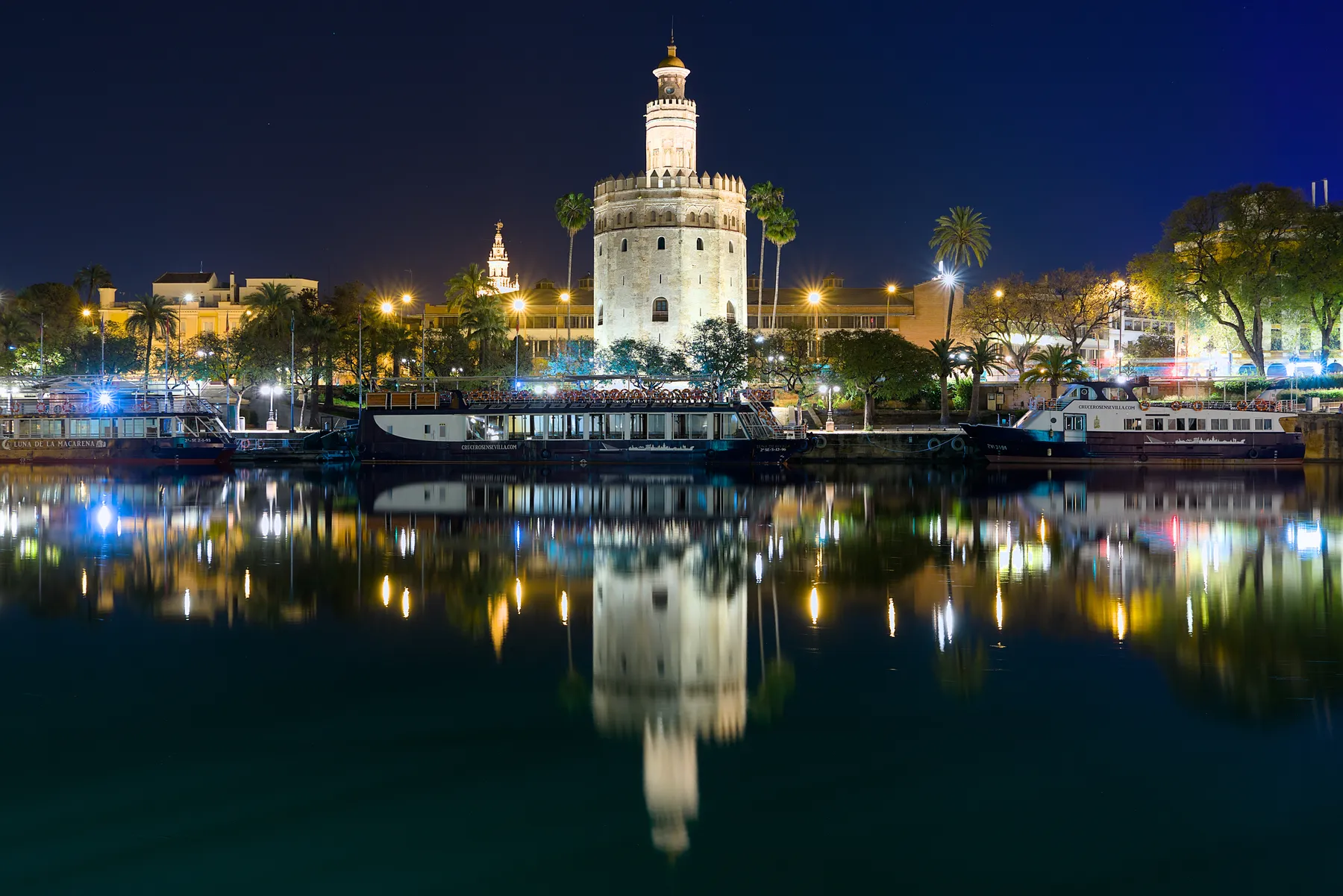
Torre del Oro

This 13th-century defensive tower on the Guadalquivir is part of one of Seville's most classic urban views.

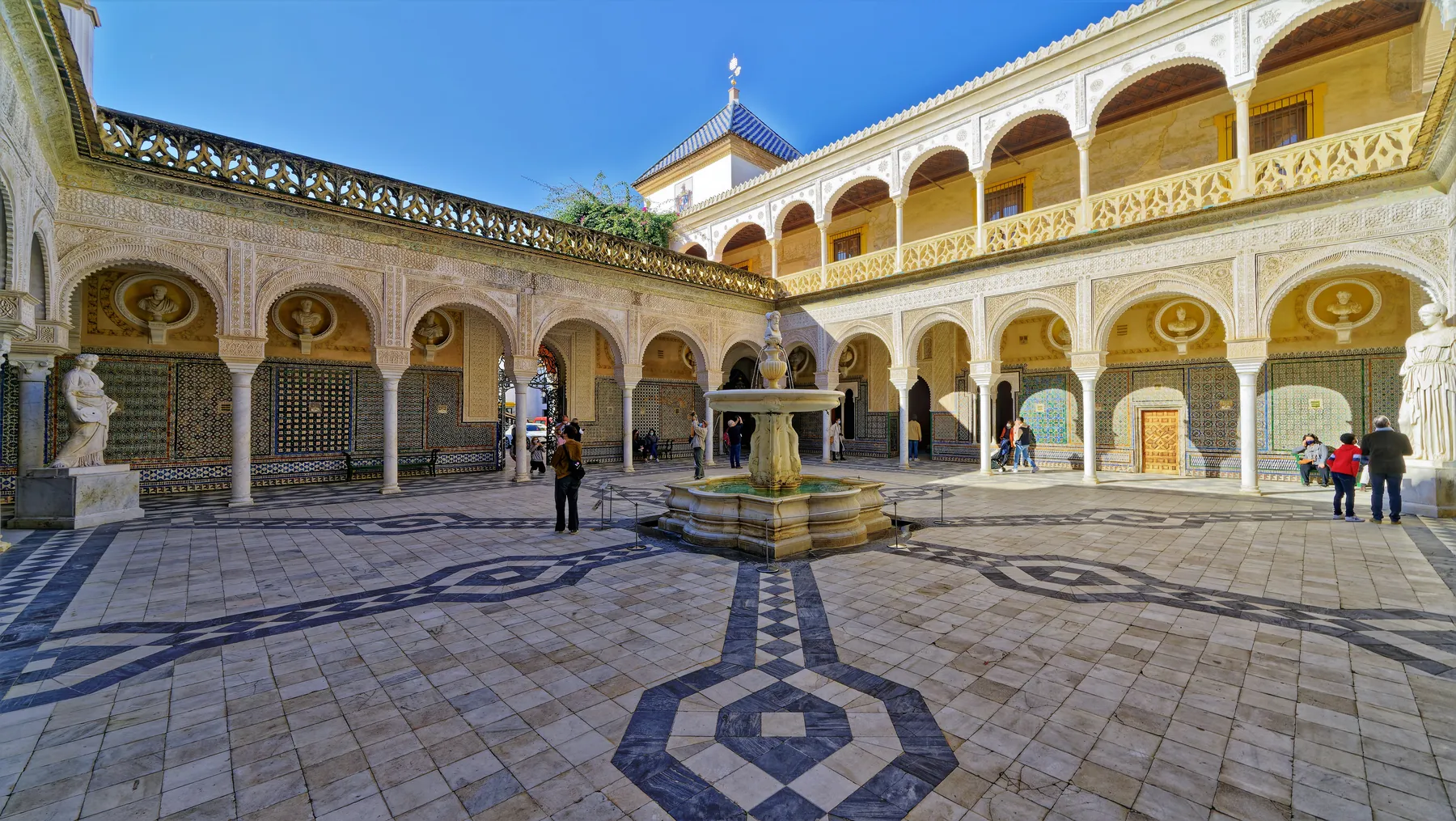
Casa de Pilatos

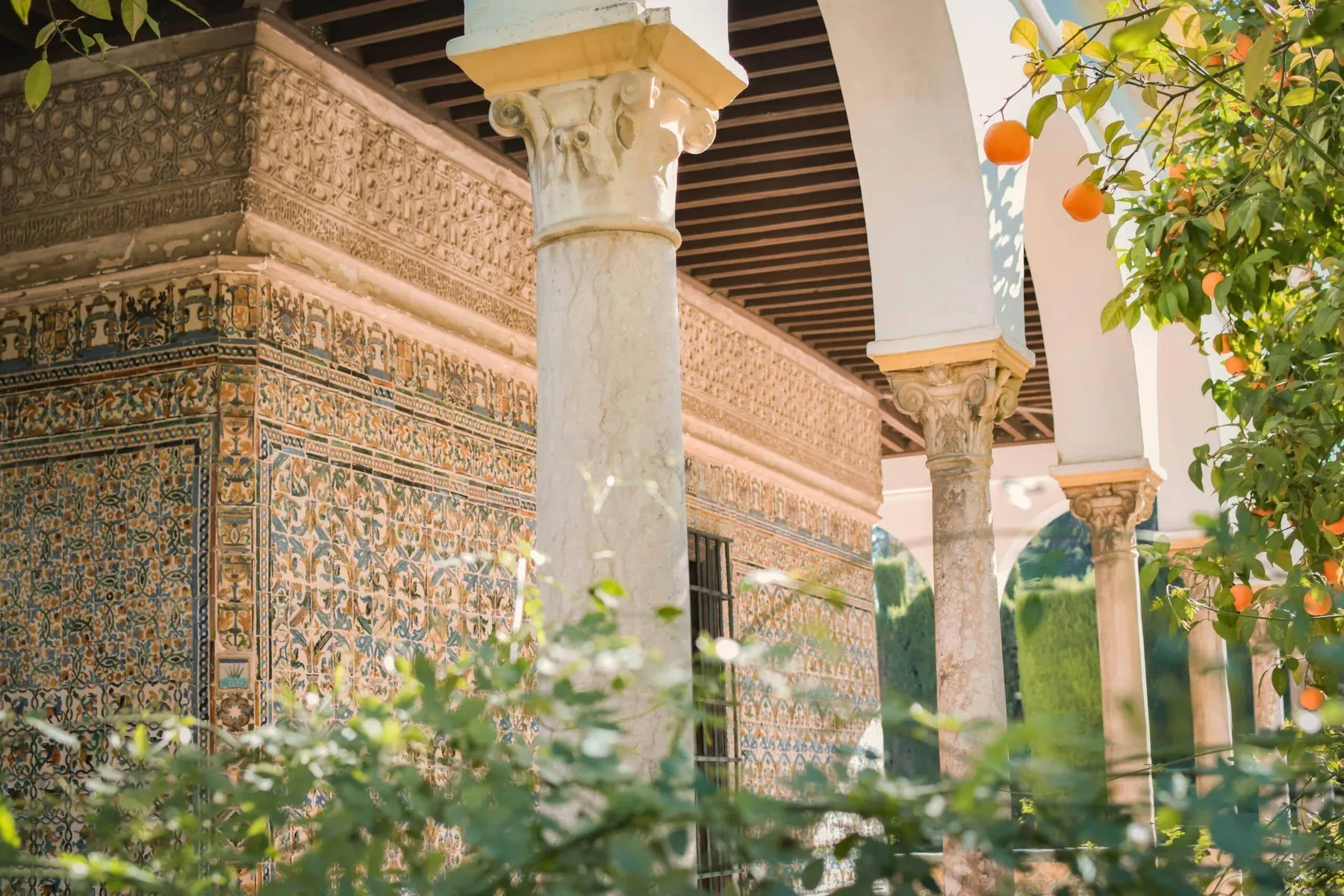
It combines Mudéjar, Gothic and Renaissance elements, with rich patios, tiles and sculptural details.

General Archive of the Indies

Originally a merchants' exchange, it now preserves key documents on Spain's overseas history and forms part of Seville's UNESCO core.

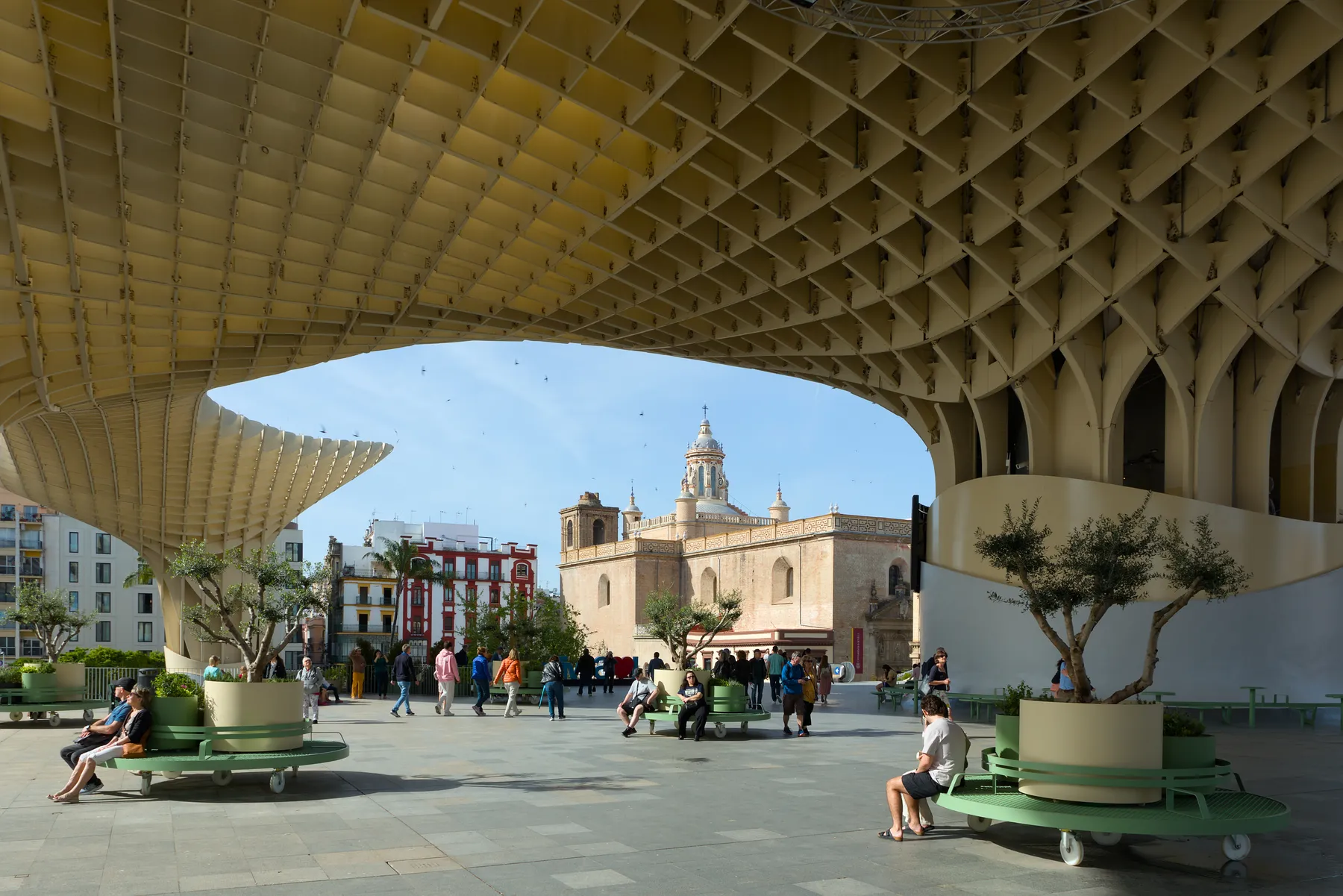
Las Setas / Metropol Parasol

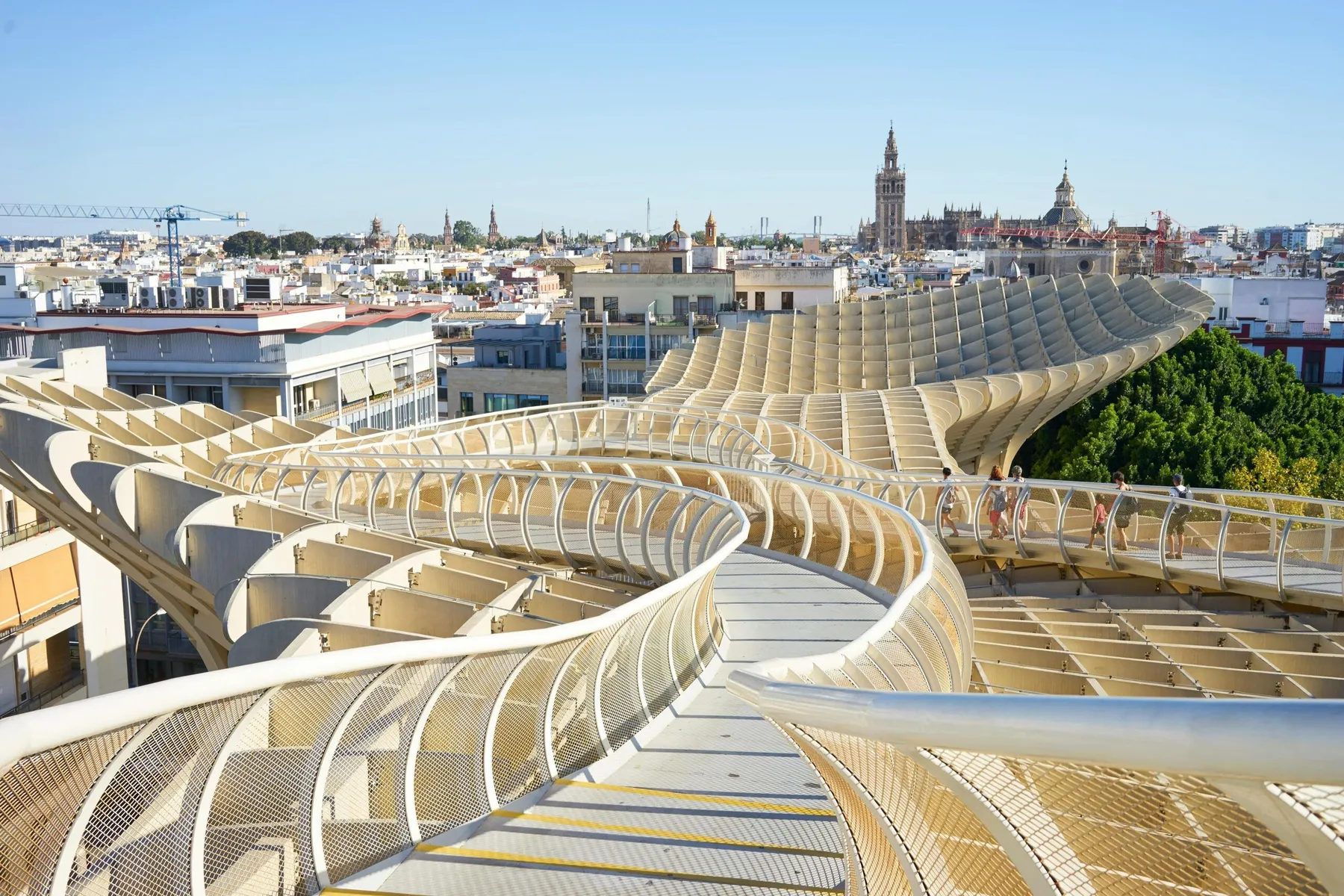
This contemporary wooden landmark contrasts with the old quarter and offers a market, archaeological space and elevated city views.

Plaza de España and María Luisa Park

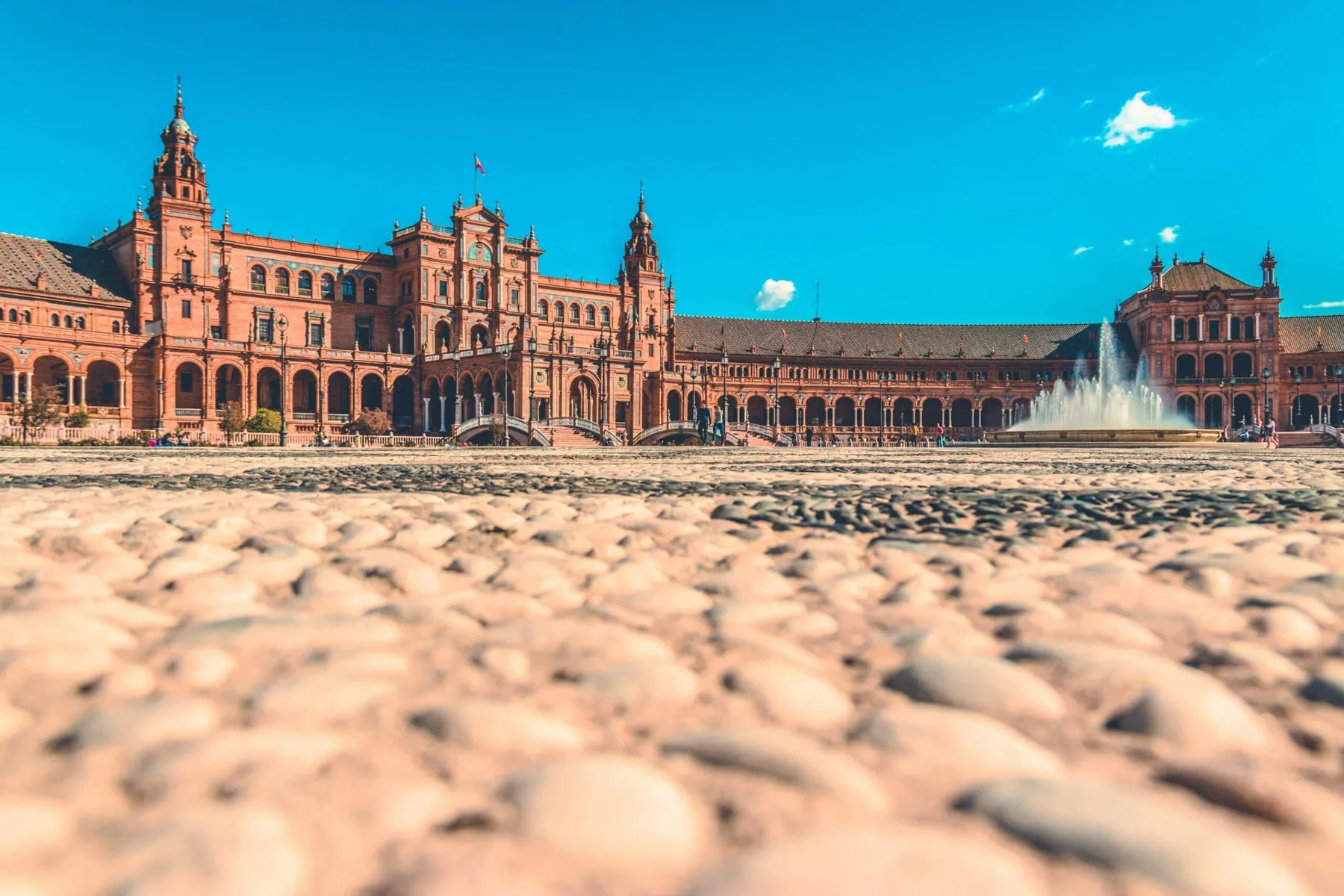
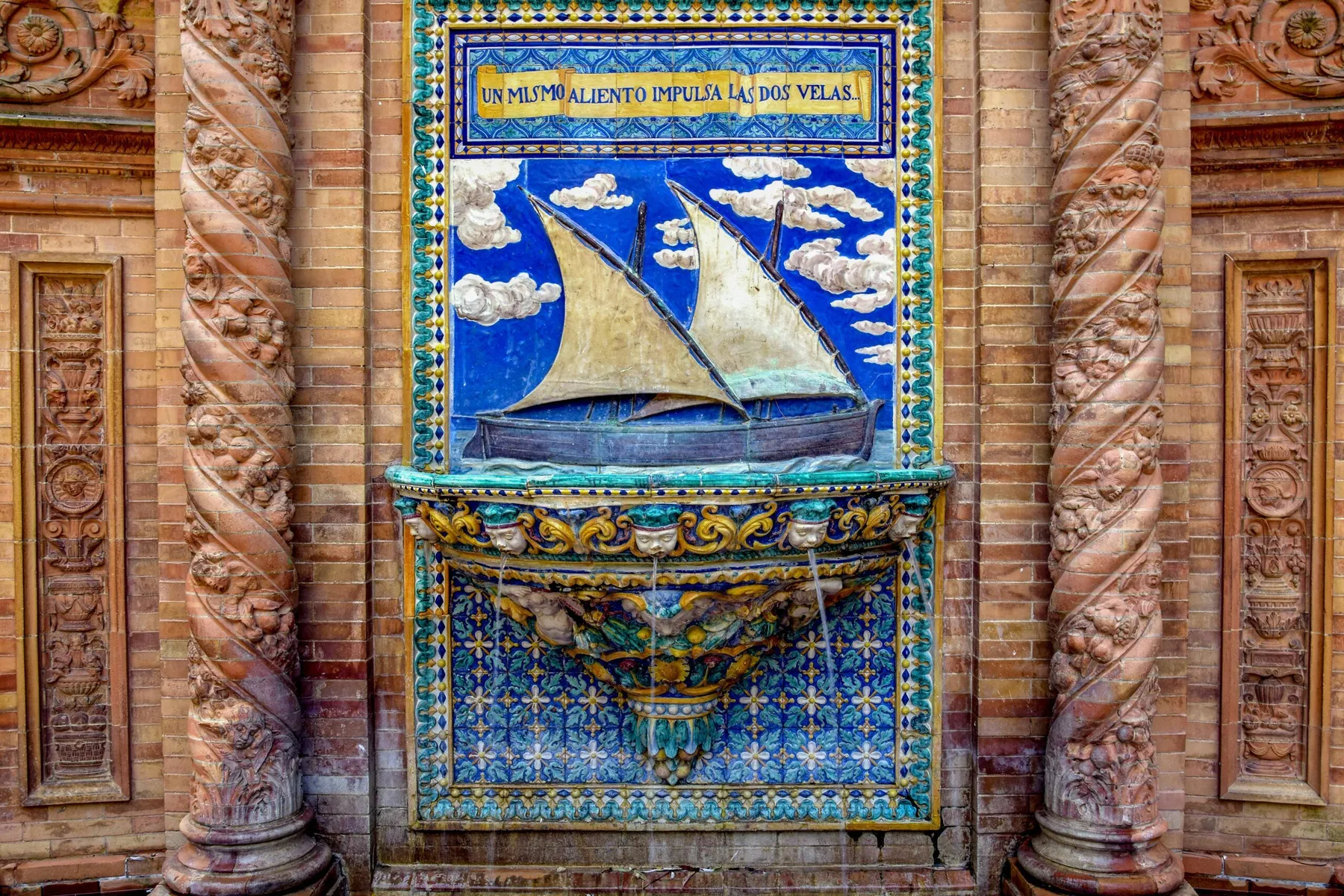
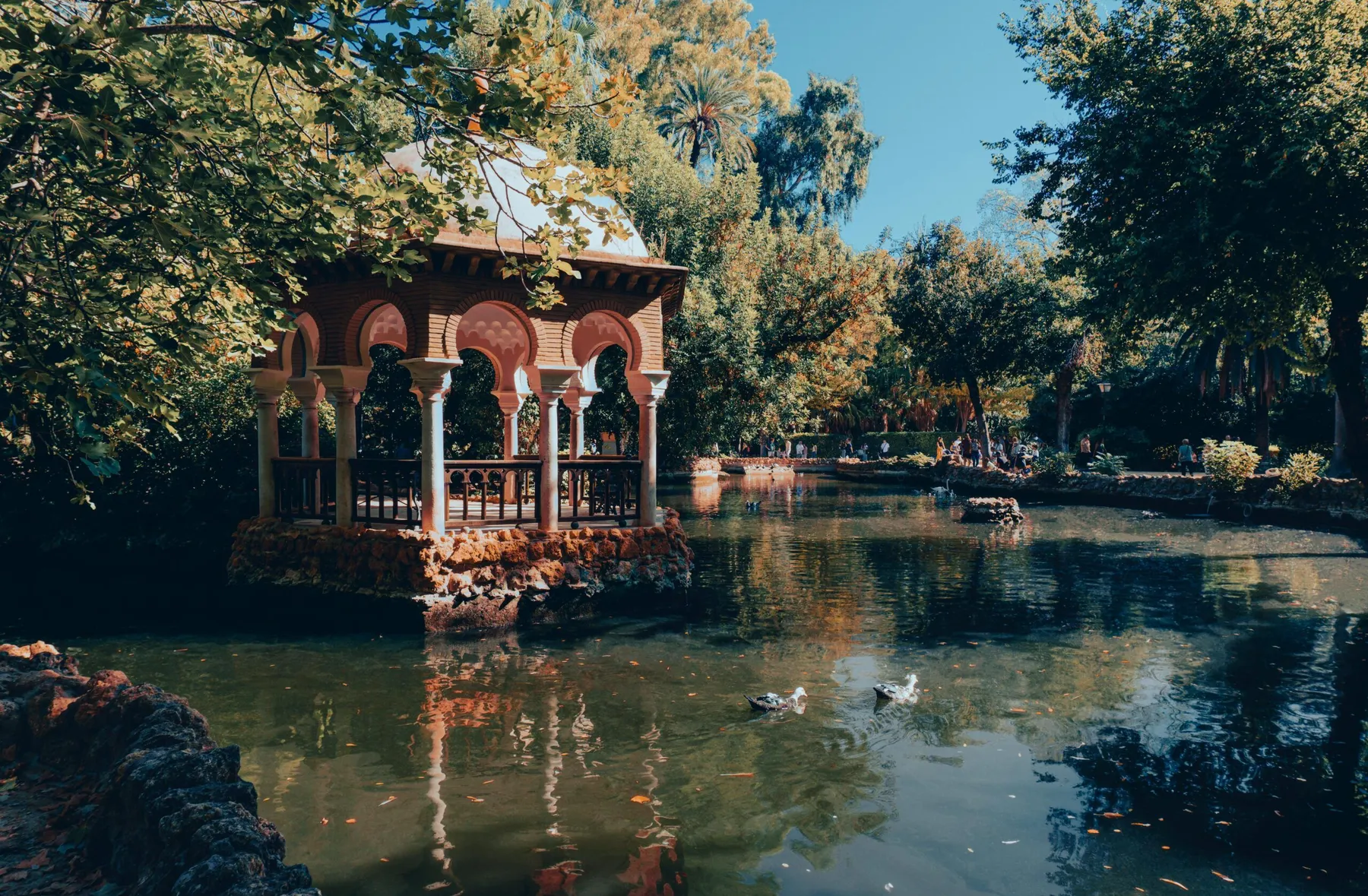
If you want to experience one of Seville's grand public spaces, Plaza de España and the neighbouring park are essential, especially in the evening.

Santa Cruz district

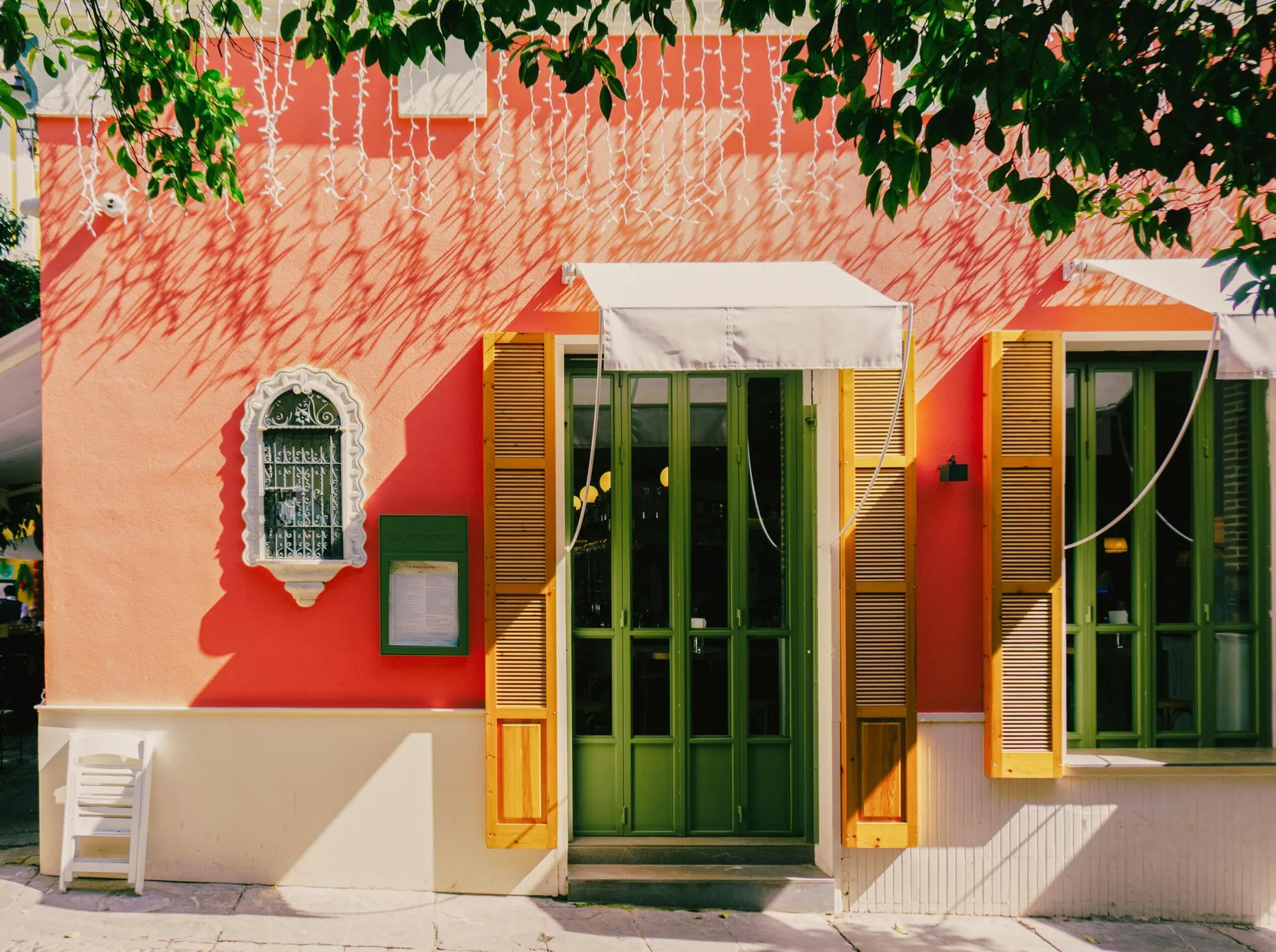
Its lanes, patios, small squares and corner details make it one of the best areas to slow down and absorb everyday Spanish.

Spanish schools in Seville

Compare courses, neighbourhoods and timetables to find the school that suits you best.
View all schools
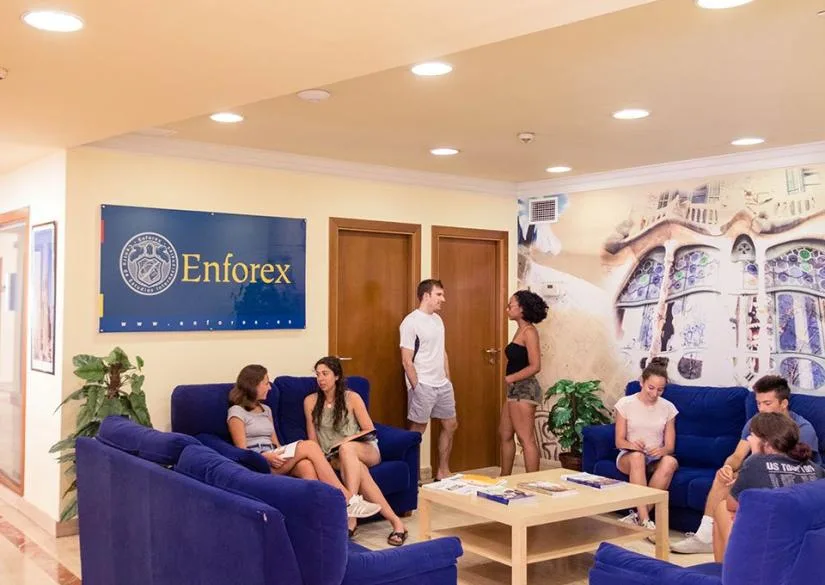
Enforex

Enforex

Alicante Barcelona Cadiz Granada Madrid Malaga Marbella Seville Valencia Cervantes Accredited
A multi-city Spanish-school network in Spain with flexible courses and very different city lifestyles to choose from.
CLIC International House

CLIC International House

Seville Cadiz Malaga Cervantes Accredited
Spanish school network in Seville, Cadiz and Malaga with a communicative approach, an international atmosphere and Andalusian immersion.

Frequently asked questions about studying Spanish in Seville

When is the best time to visit Seville?

Spring and autumn are usually the most comfortable seasons, especially if you want to balance classes, walking and sightseeing. If you want to experience Seville at its most intense, Semana Santa and the April Fair are especially memorable times.

Is Seville expensive for students?

Overall, Seville is often more affordable than Barcelona or Madrid. If you stay outside the most touristy core, accommodation and everyday food are usually easier to manage on a student budget.

What is the easiest way to get from the airport to the centre?

In most cases, the EA airport bus is the most practical public option. If you arrive late or carry a lot of luggage, a taxi or ride-hailing service may be easier.

Can you prepare for DELE or SIELE in Seville?

Yes. Many schools offer dedicated preparation for DELE or SIELE, sometimes combined with a general intensive course.