Study English in Ireland: A Practical Guide to Courses, Costs and Student Life

Going to Ireland to study English usually involves more than simply choosing a language school. Course length, accommodation, city, monthly budget, transport and total stay all shape the real experience. This page brings together the main points to consider before choosing a school in Ireland, from the cost of living in Dublin and common accommodation options to the difference between short courses and longer English programmes.

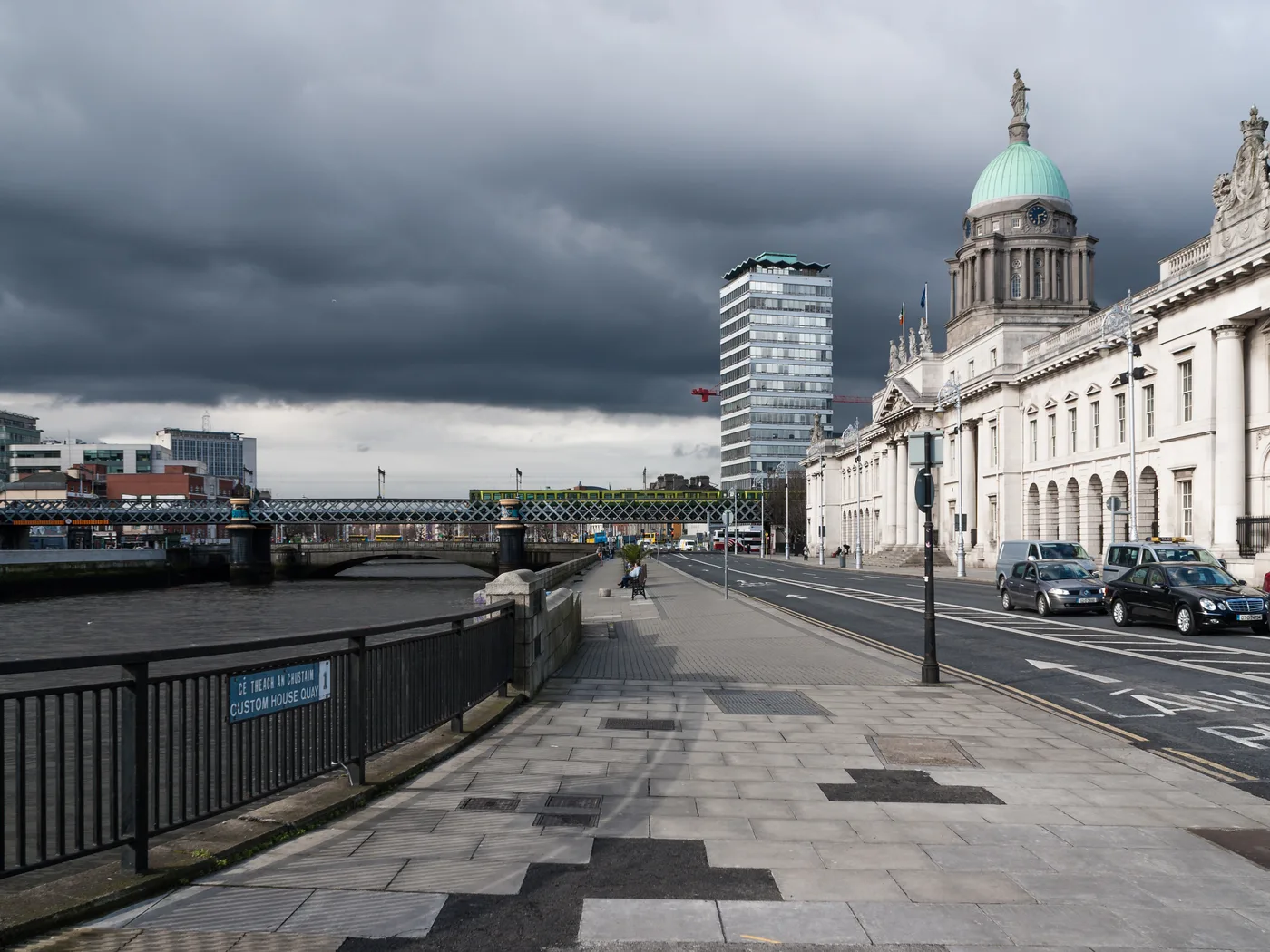
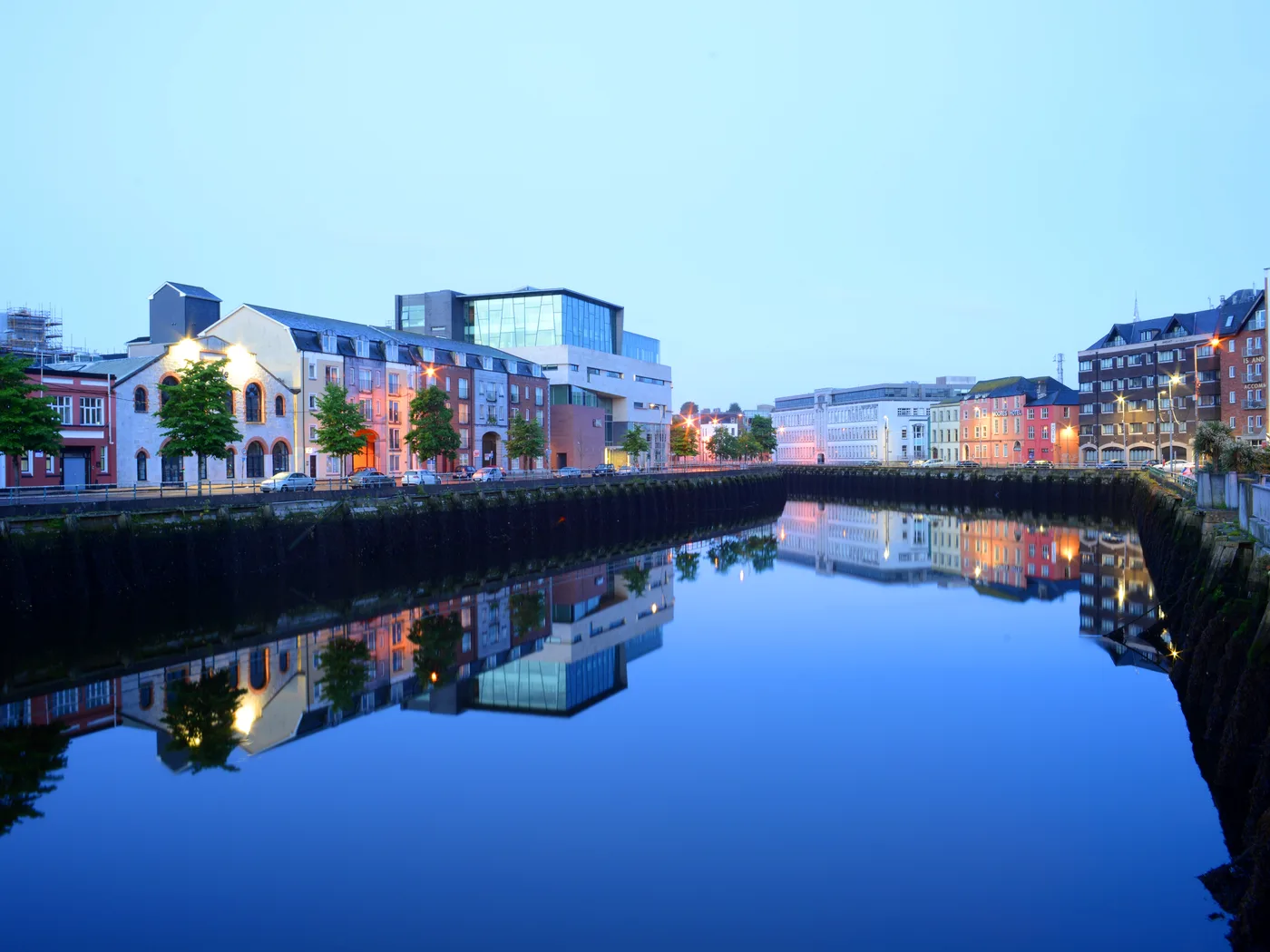
Dublin city view with the River Liffey and Ha’Penny Bridge

Why do so many students choose Ireland to learn English?

For many students, Ireland is attractive not only because it is an English-speaking country, but because everyday life outside the classroom also becomes part of the learning process. You can use English in class, but also on public transport, in supermarkets, in cafes, in shared accommodation and in after-class activities. At the same time, it is important to know from the start that the cost of living in Ireland, especially accommodation in Dublin, usually requires careful budget planning.

Daily life gives you more chances to use English

If your goal is not only to improve on paper but to bring English into your daily routine, Ireland offers a very useful environment for that.

International student environment

Language schools often bring together students from many countries, so English naturally becomes the shared language of communication.

Short and long-term options

Some students only want a few weeks, while others consider programmes of 25 weeks or more. Preparation and budgeting are very different in each case.

City life and natural landscapes in one destination

If you want to combine classes with urban life, weekend trips and nature, Ireland often makes that balance possible.

What is day-to-day life like when studying in Ireland?

Many students follow a similar routine: classes for half a day or most of the day, then time for meals, commuting, review, buying essentials or meeting classmates. It is not necessarily exciting every single day, but that is also what makes it feel more real and useful for language practice.

In a city like Dublin, buses, the Luas, supermarkets, cafes and shared housing become part of your normal routine. You also get used to hearing different accents, including Irish English and the English spoken by other international students. Progress still depends on your starting level, course intensity, how much you use English outside class and how long you stay.

Start by picturing the study atmosphere in Ireland

For many language students, what matters is not only the school itself, but whether English can naturally become part of everyday life once classes finish.


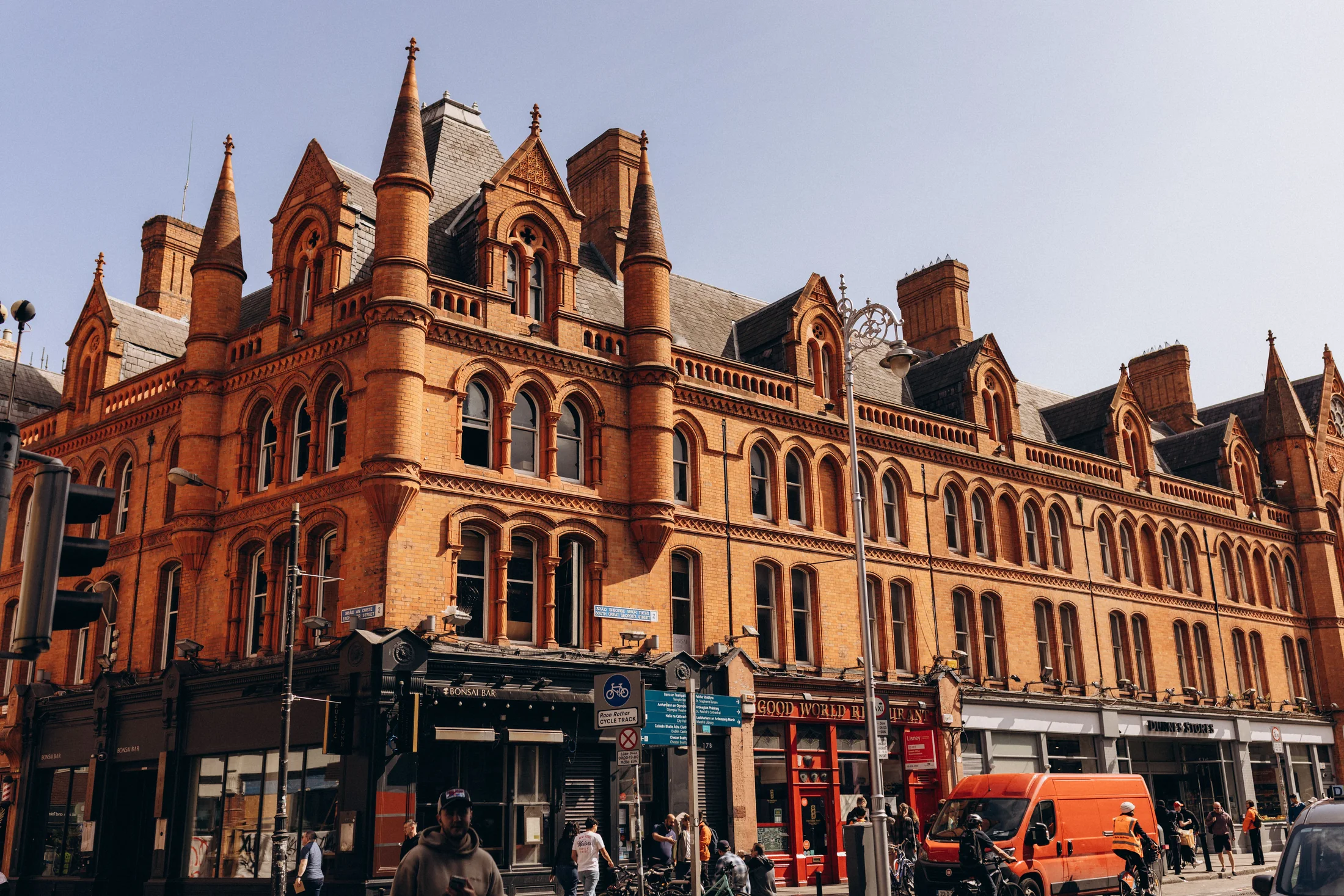
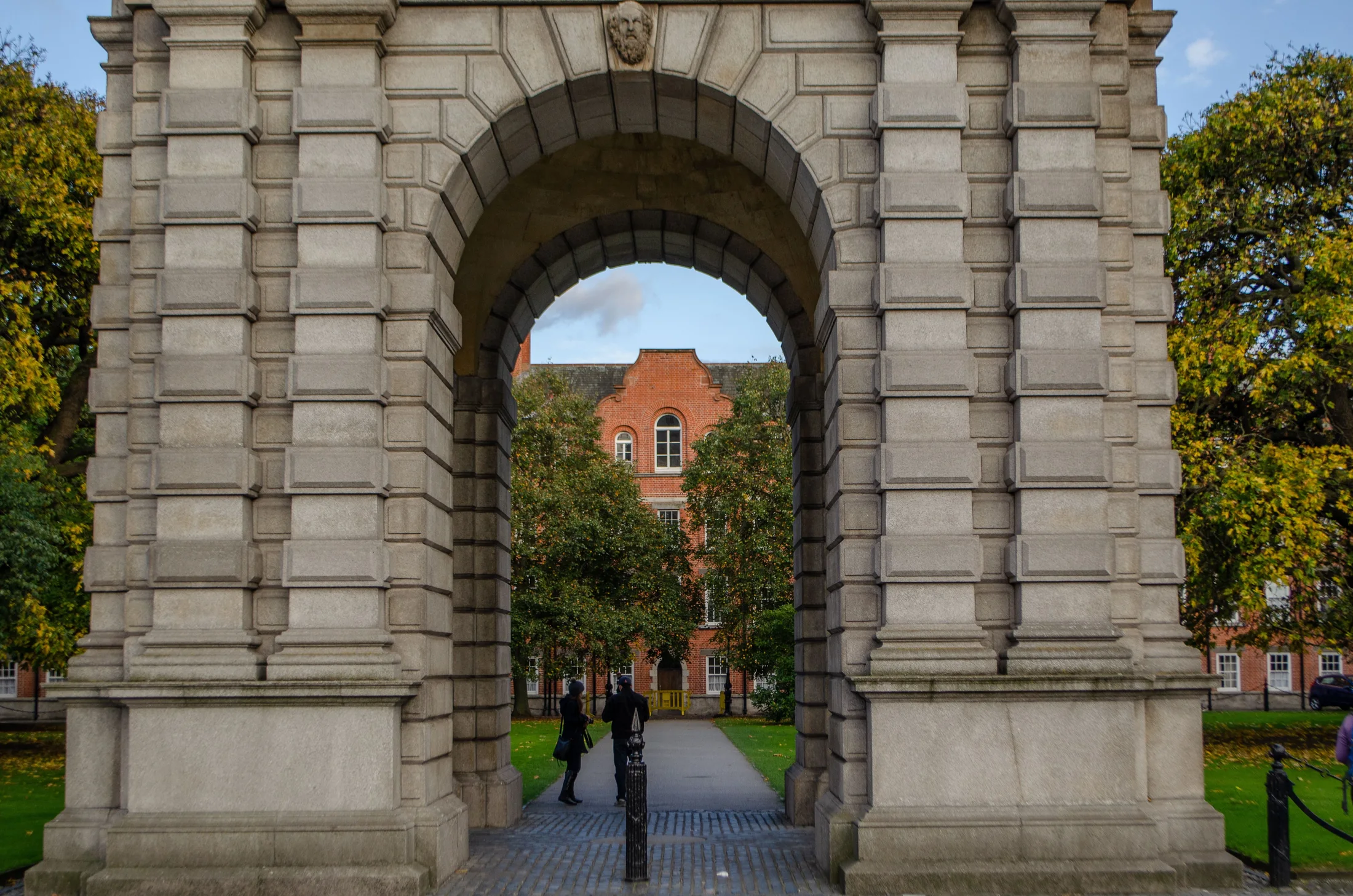
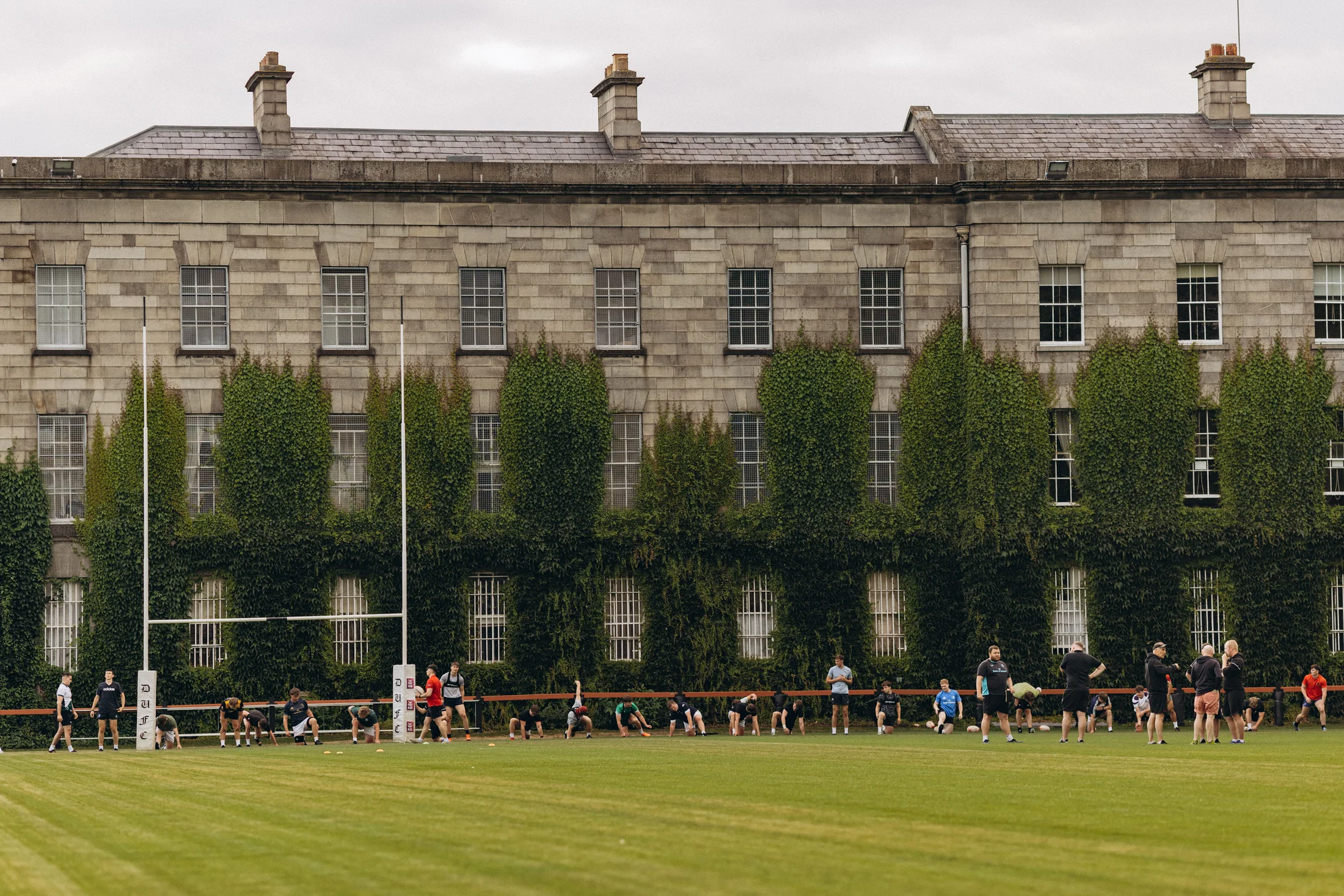
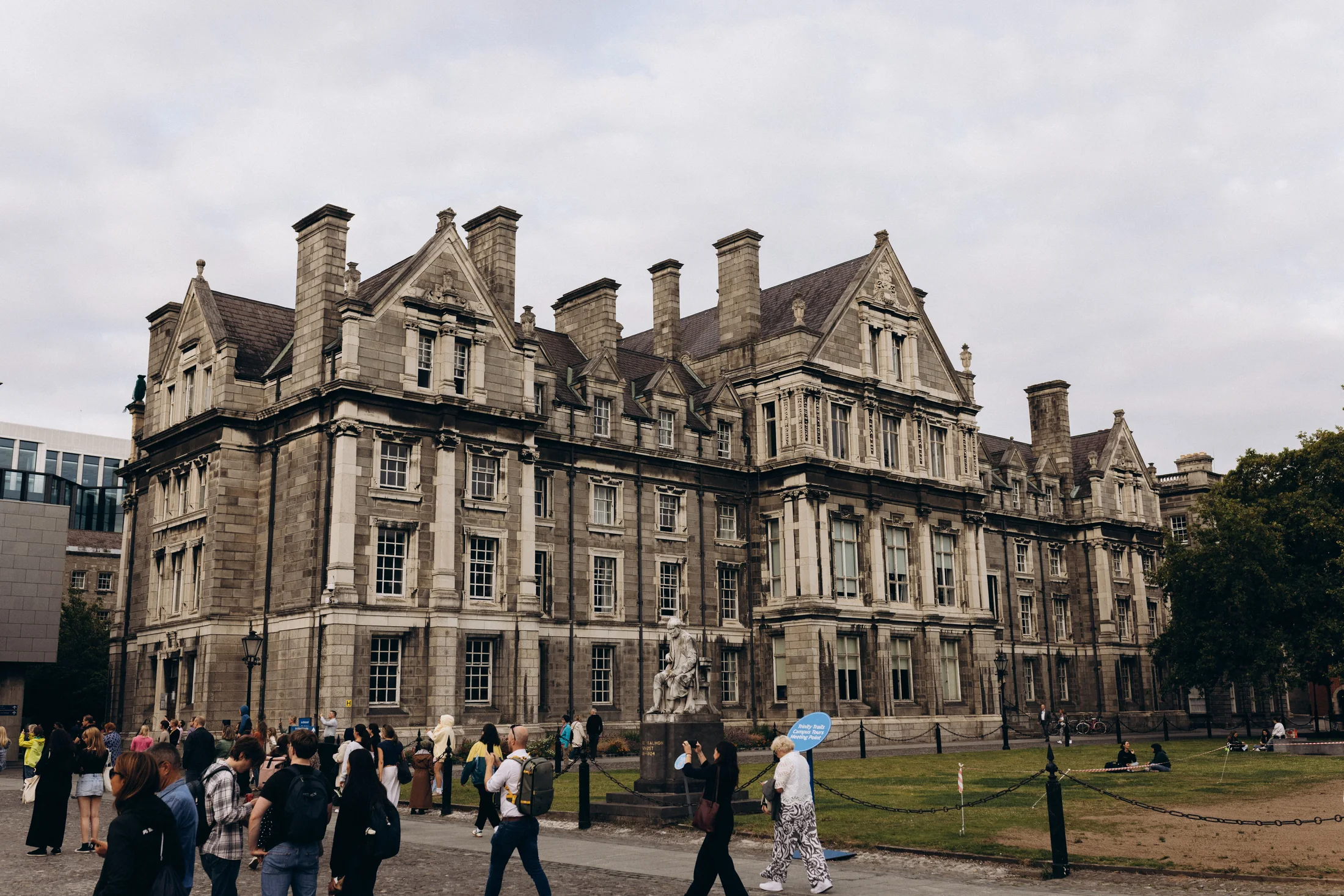
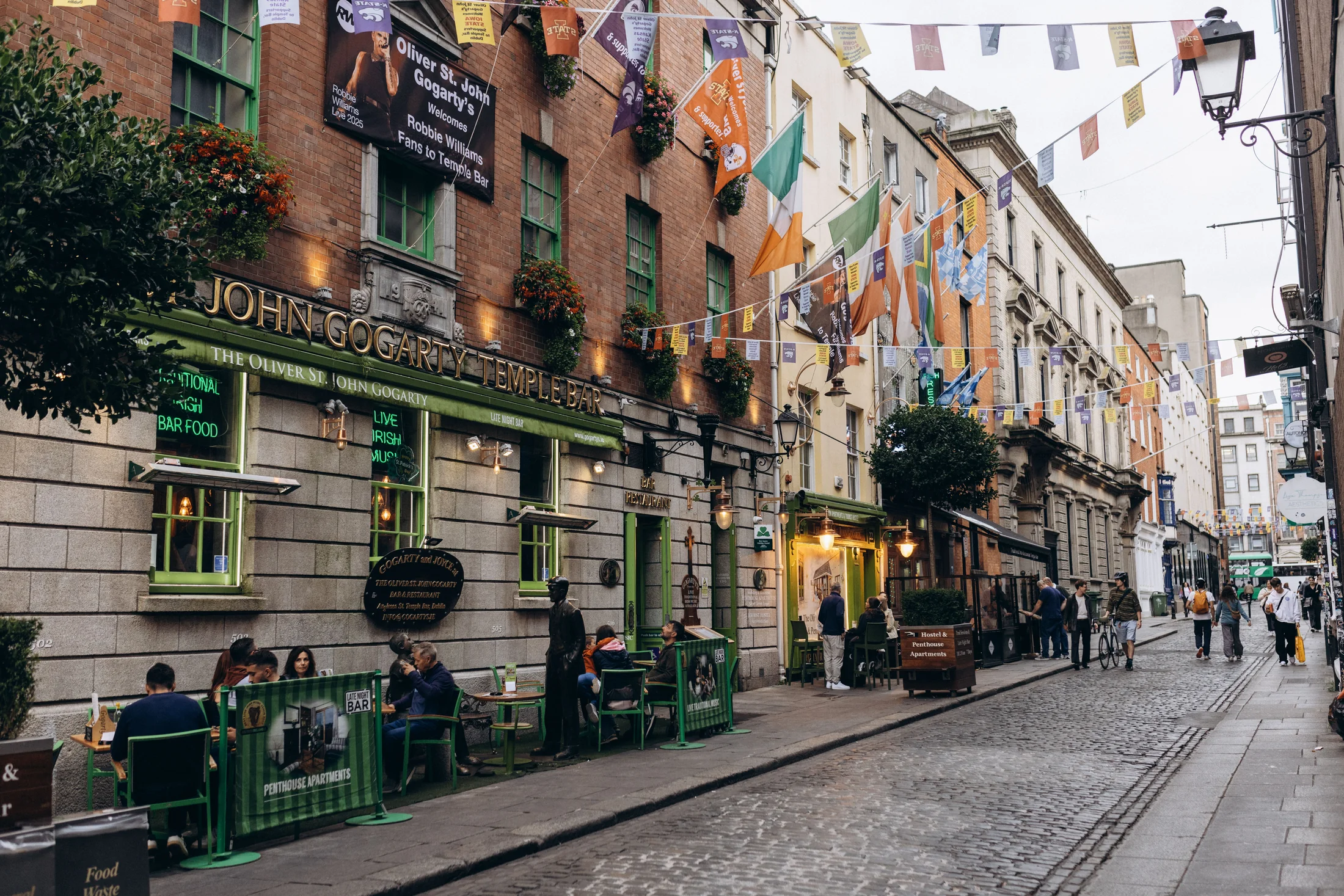
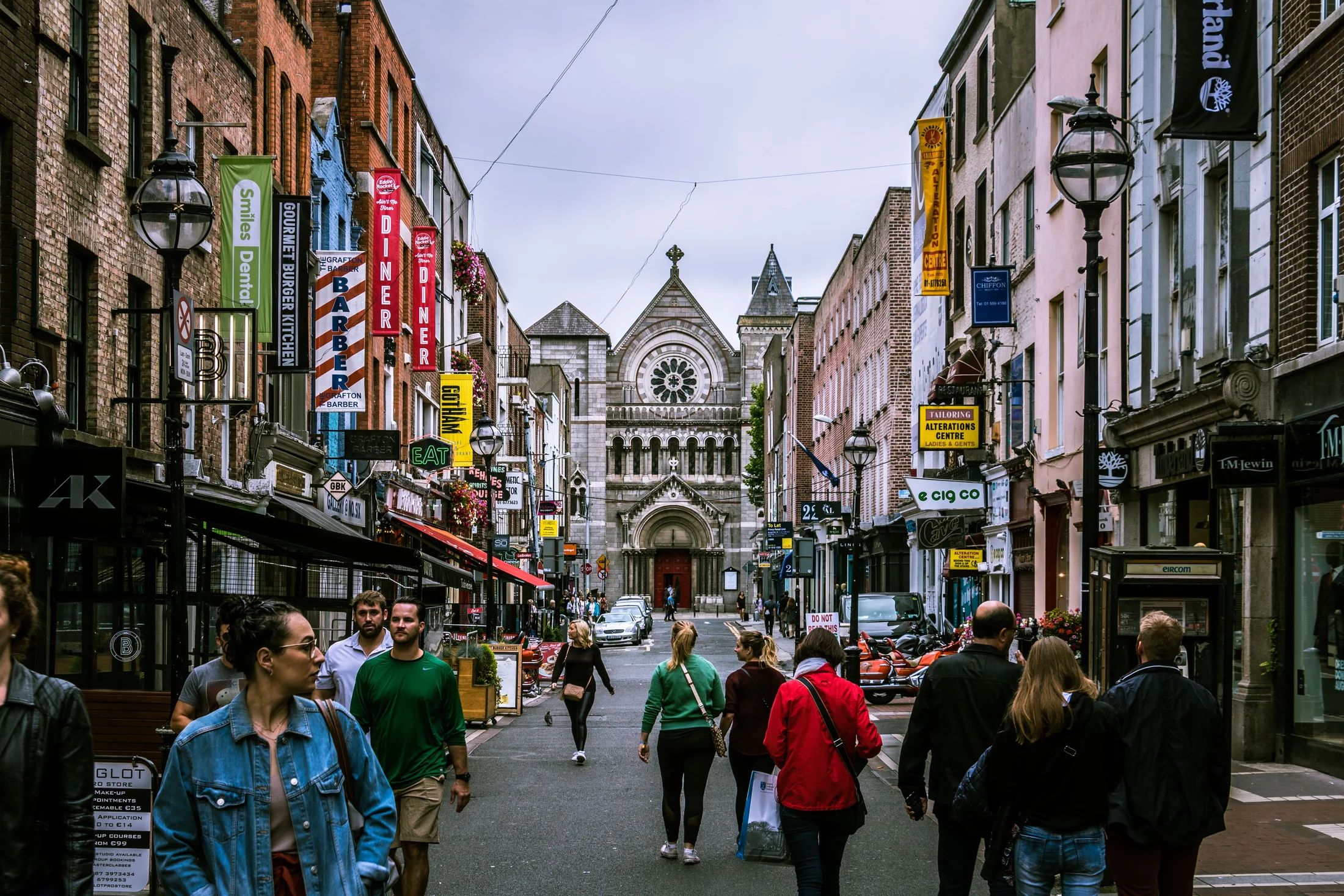
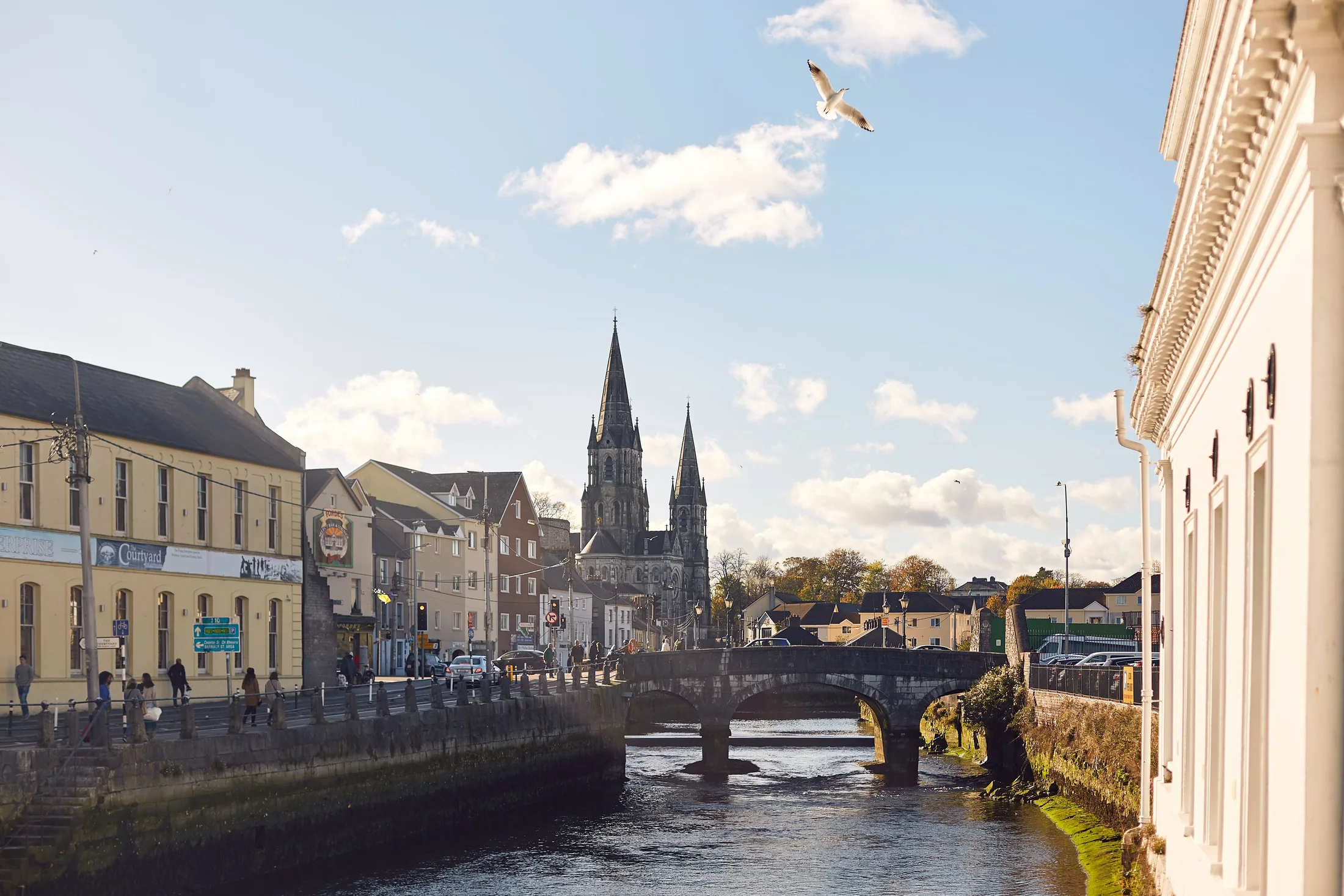
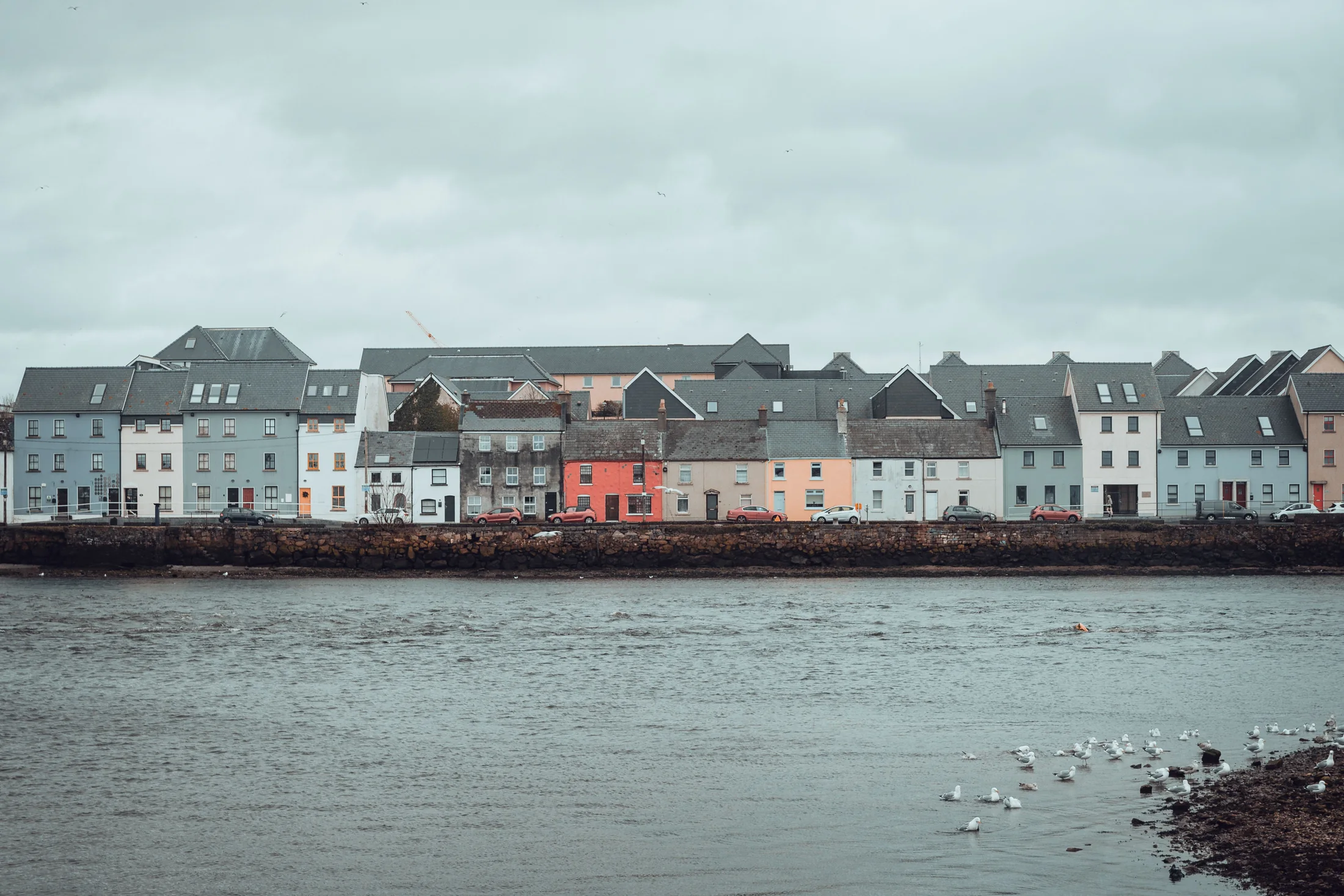
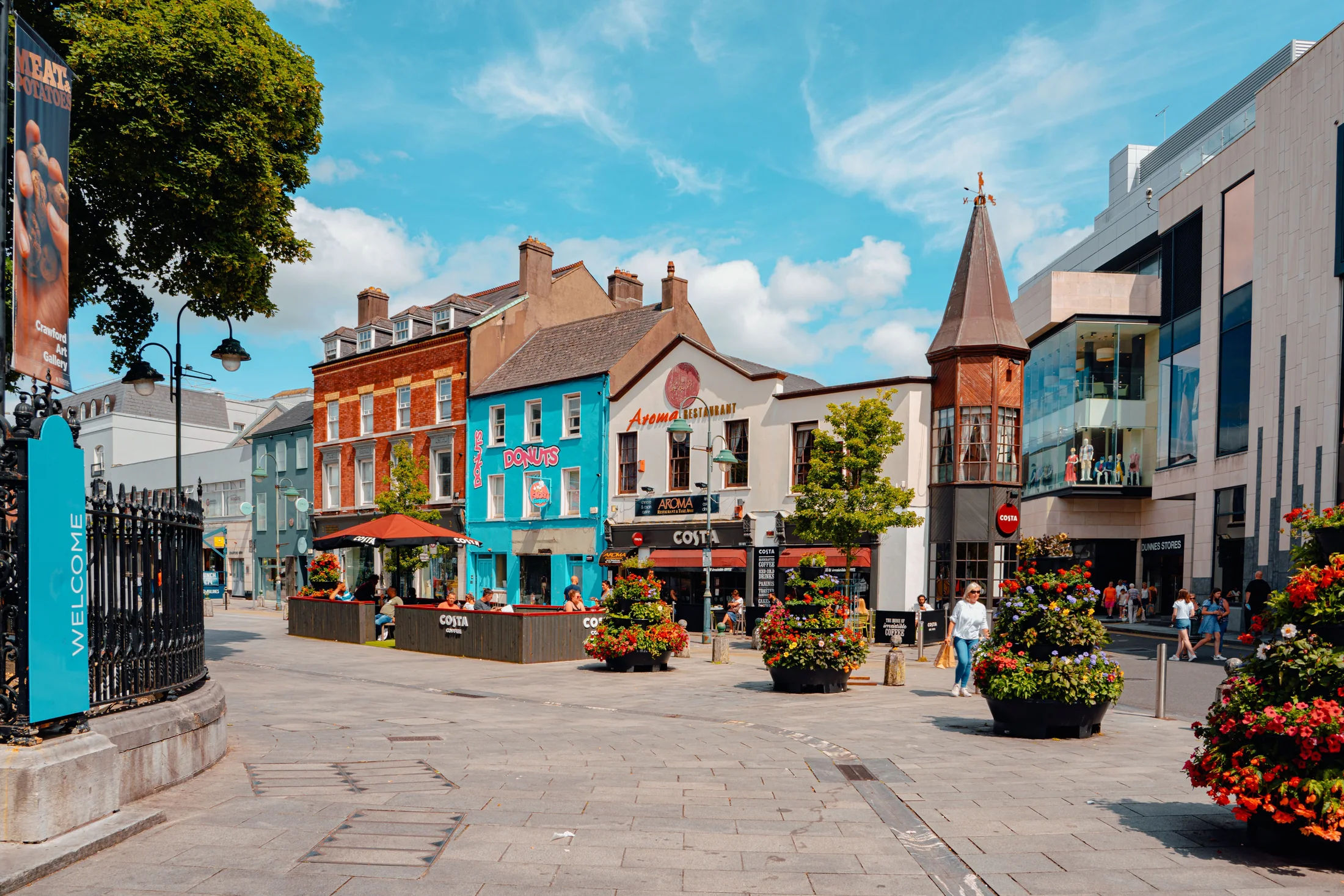
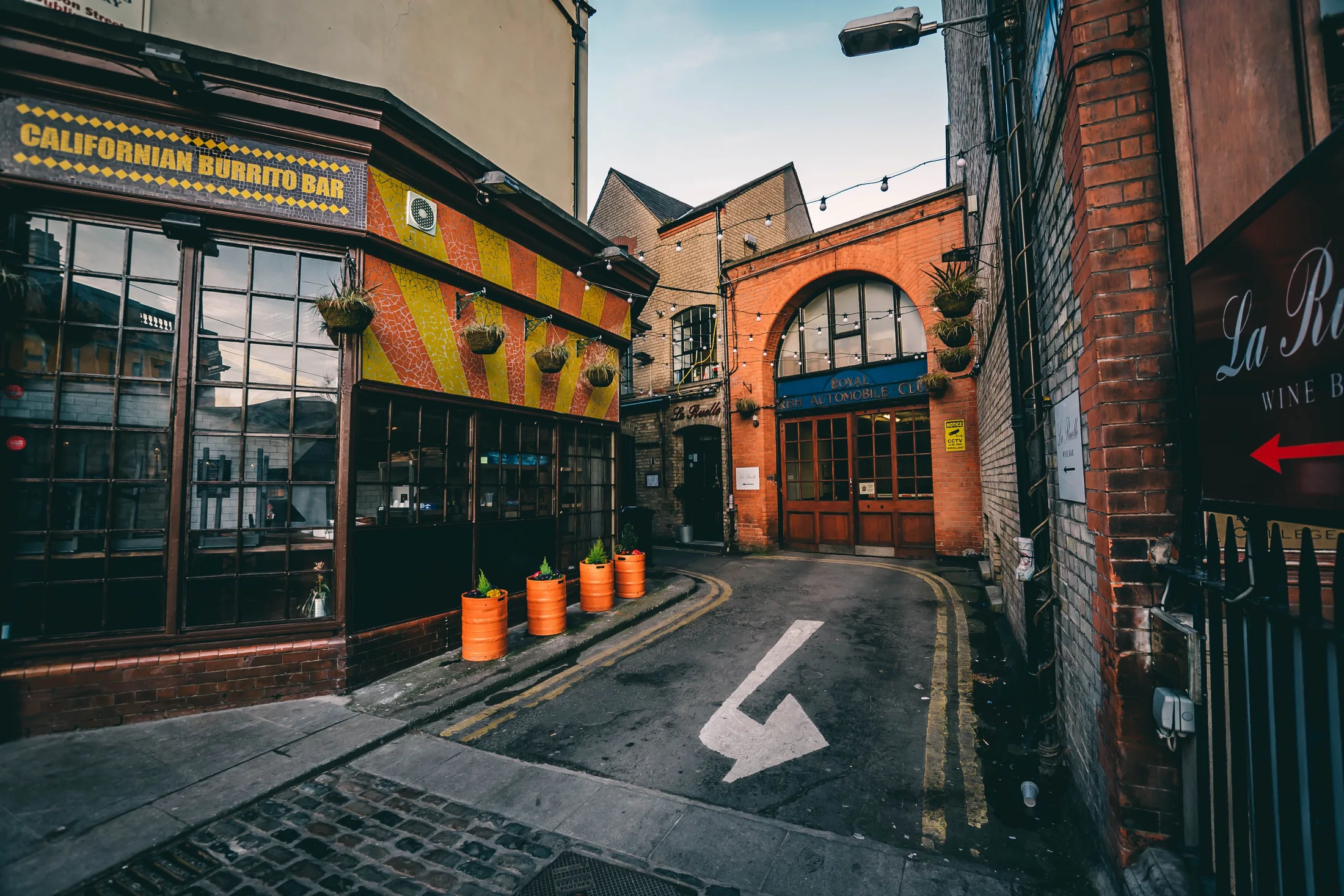
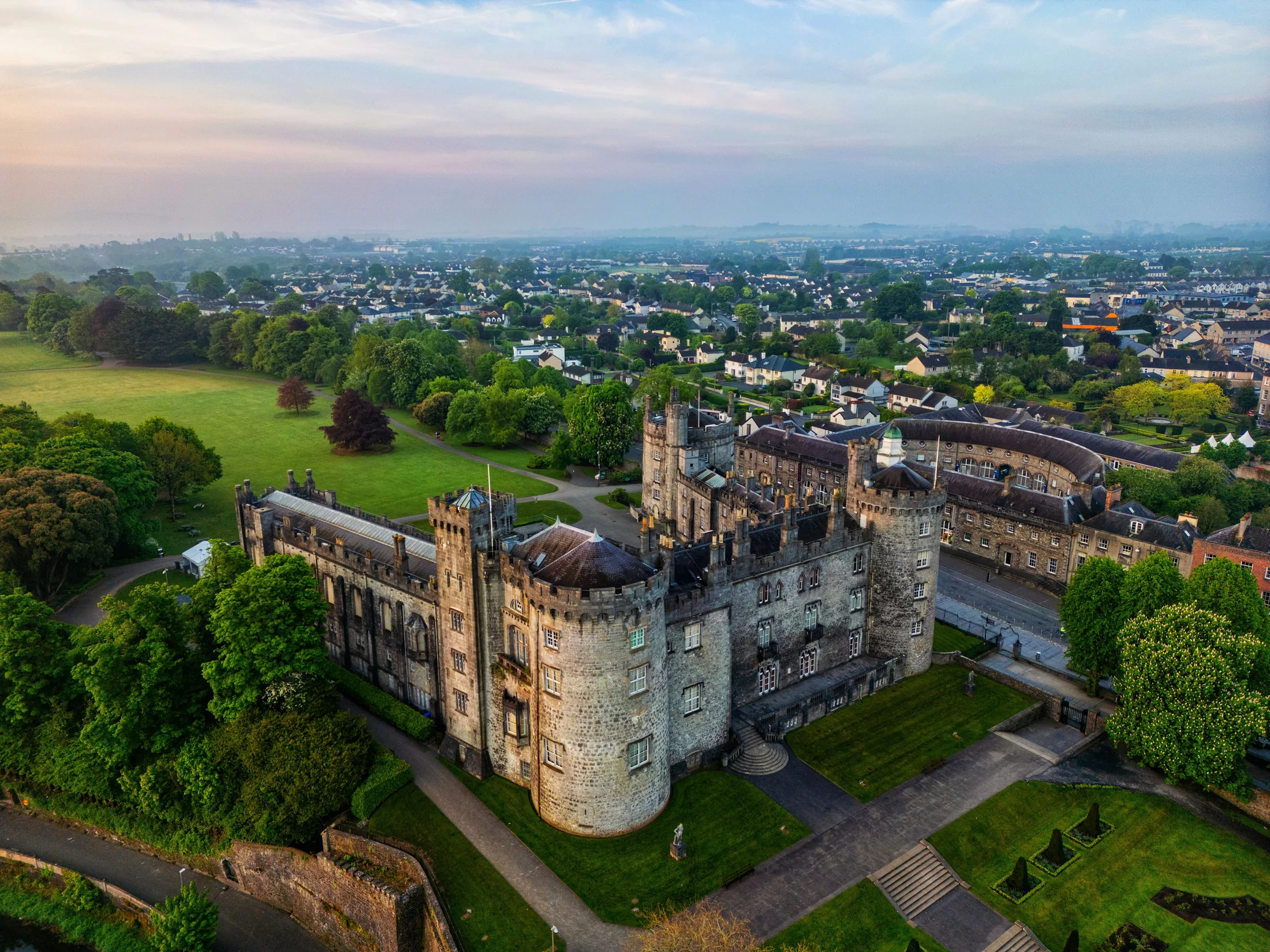
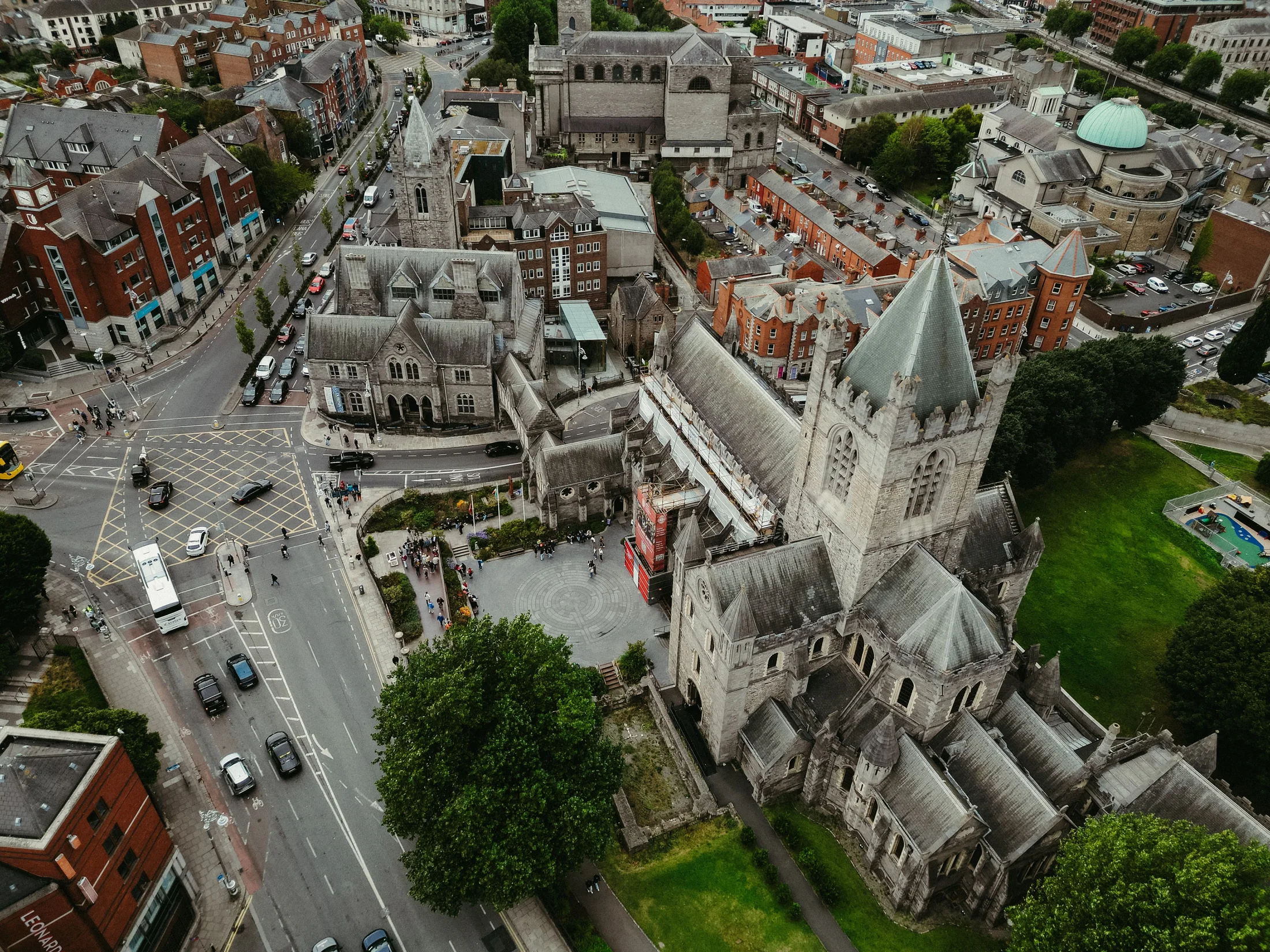
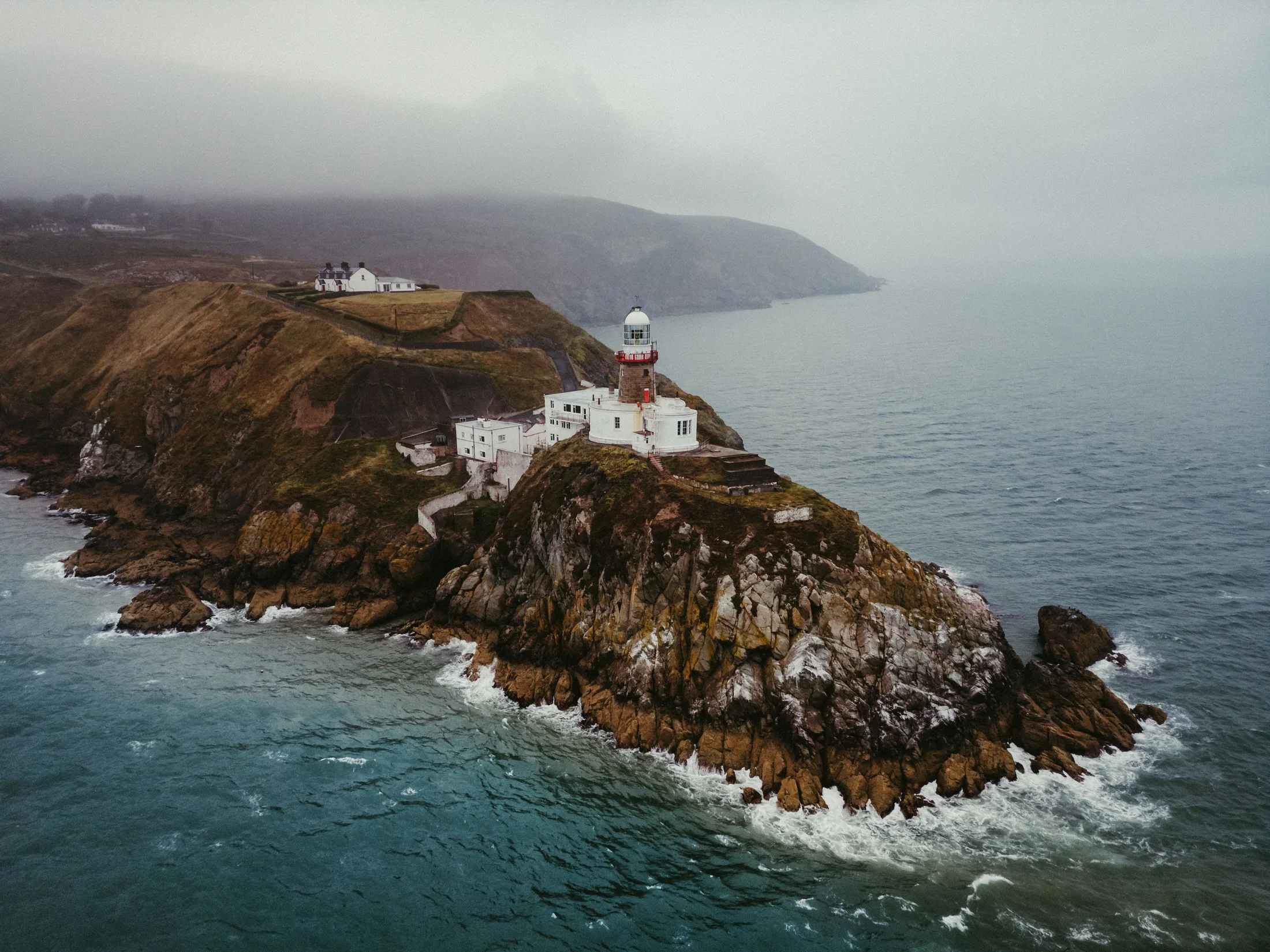
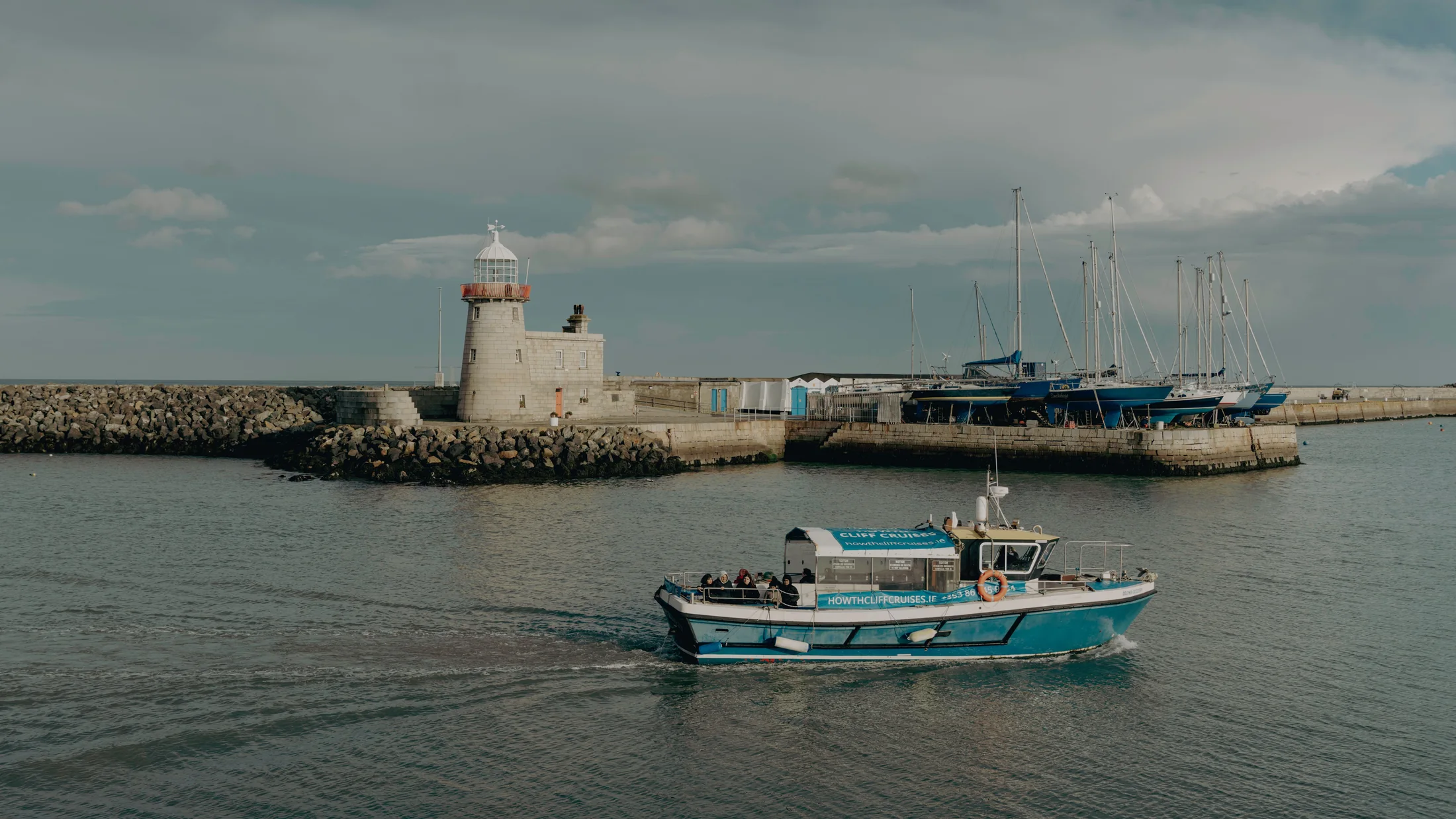
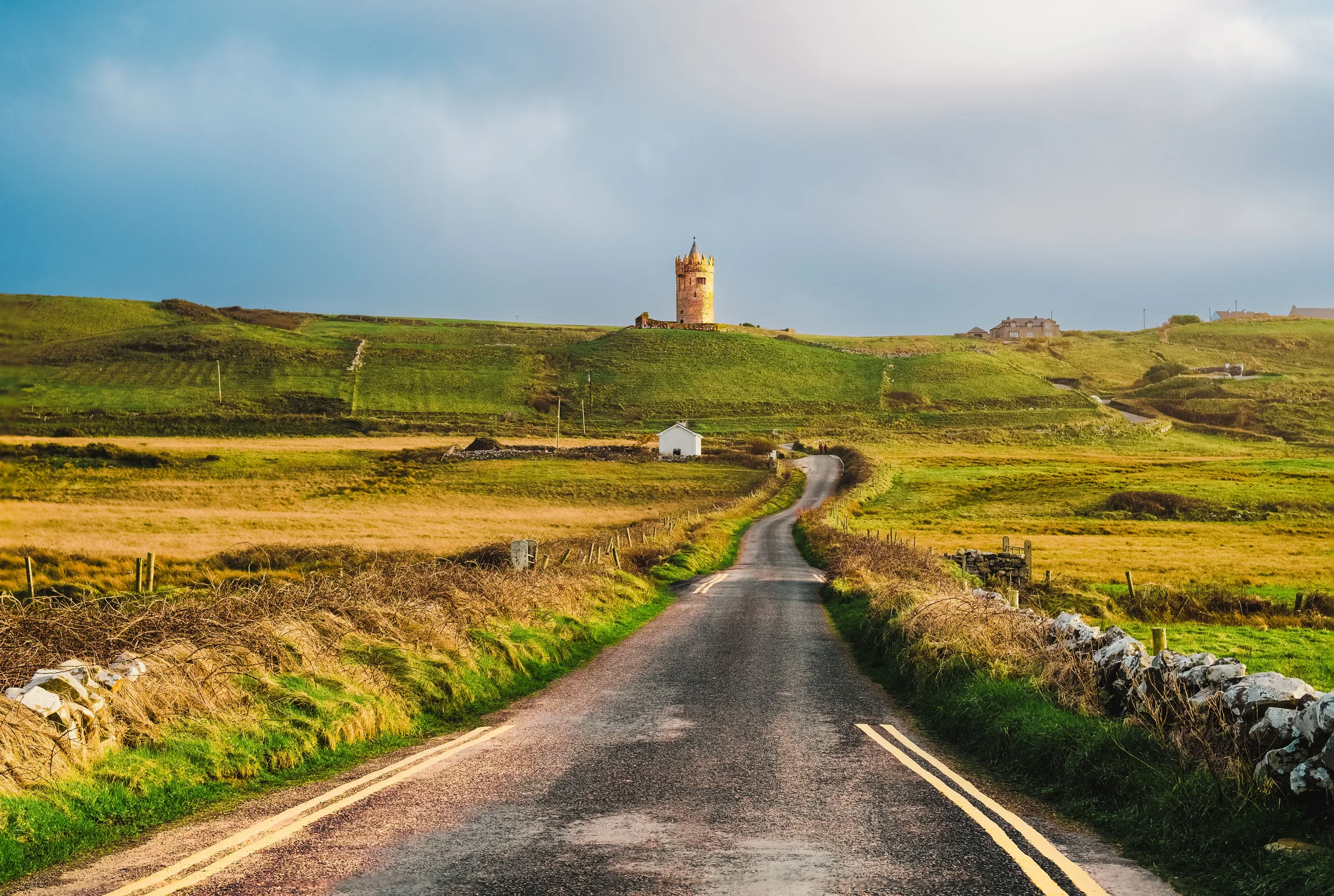
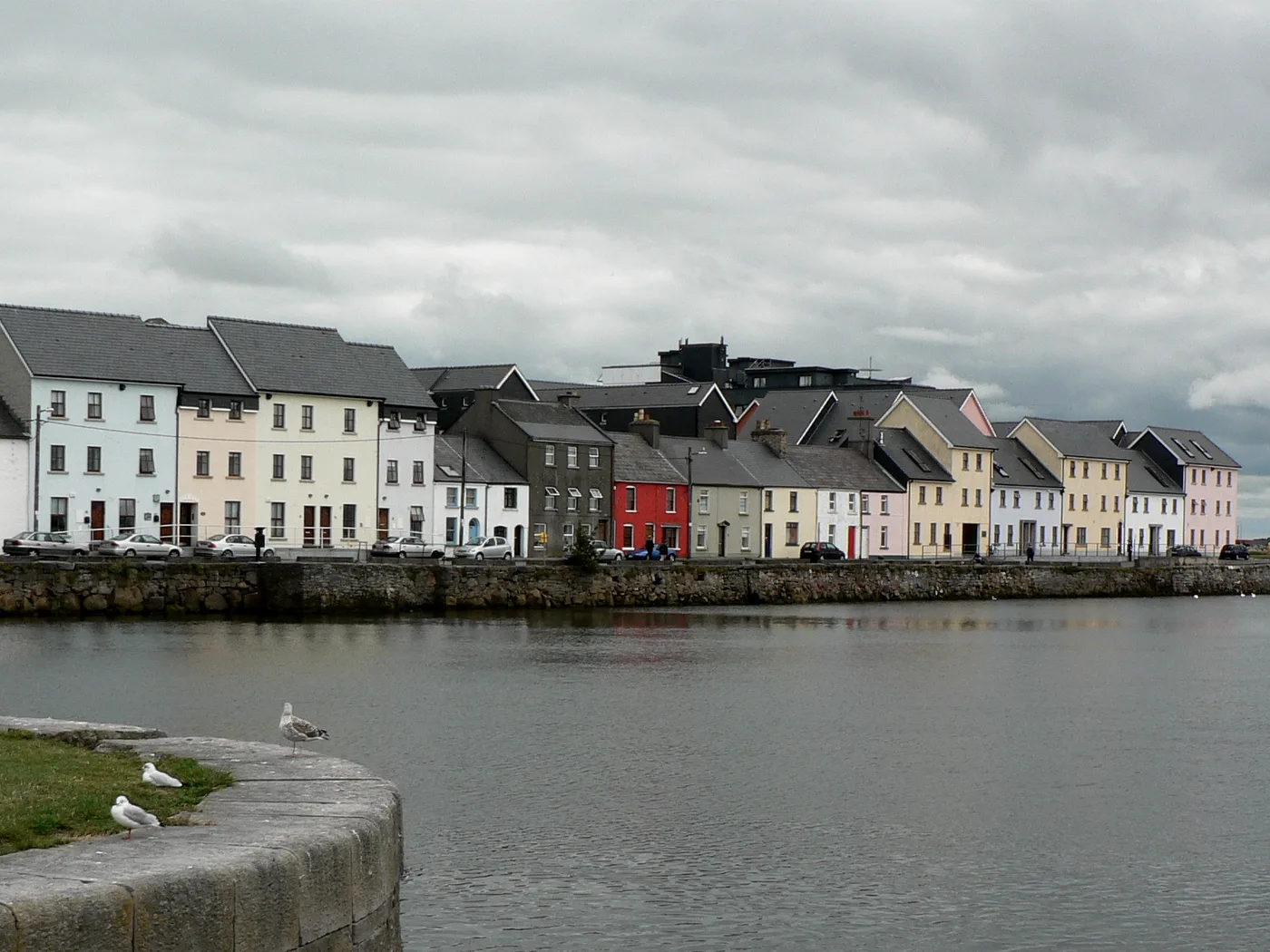
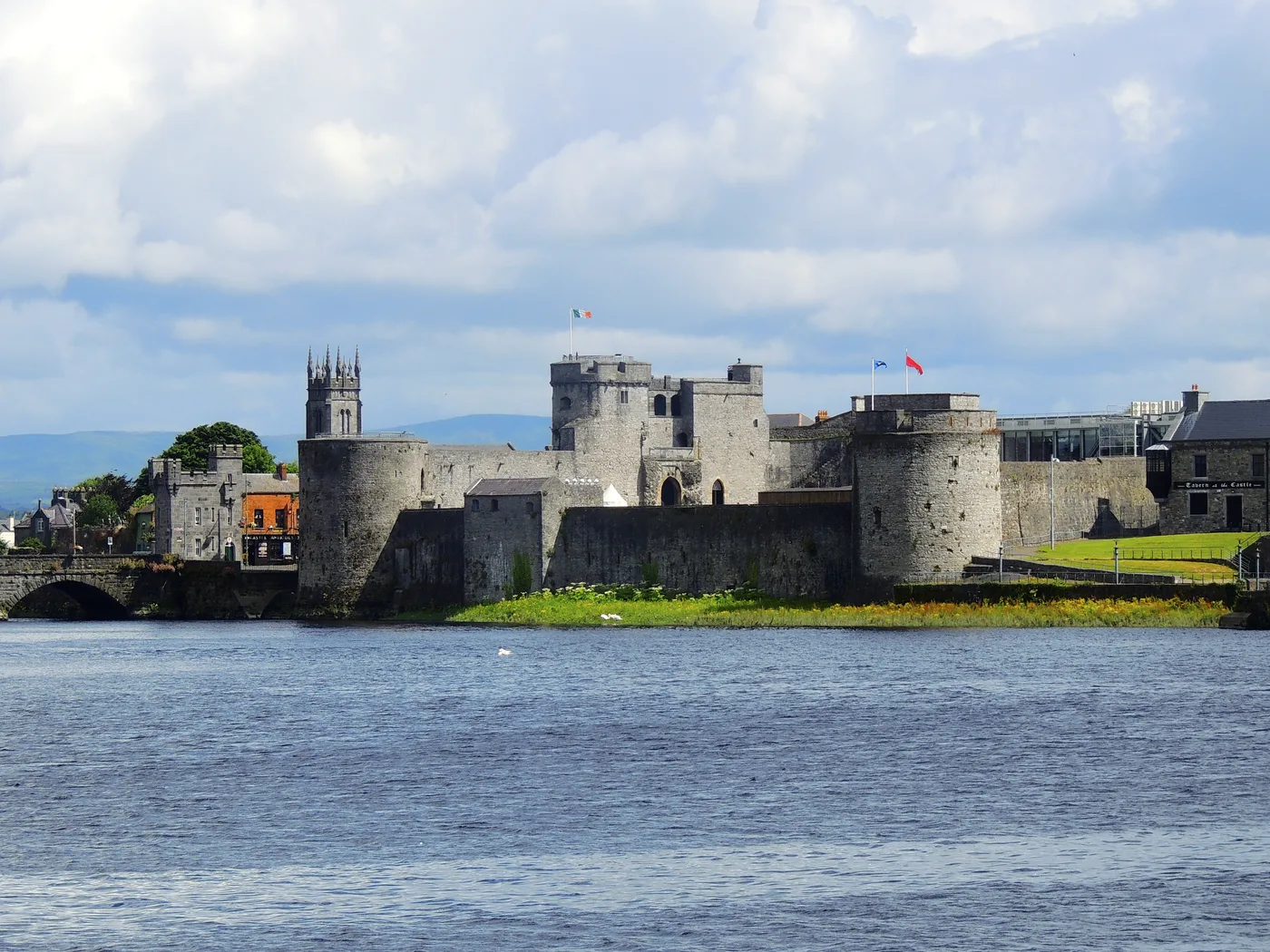
Library corridor and quiet study area in DublinPedestrian street scene near Ha’Penny Bridge and everyday commuting atmosphere in DublinRed-brick campus buildings and street corner shops in DublinArchway and campus entrance at Trinity CollegeCampus lawn, stone buildings and students relaxing outdoorsHistoric school buildings and students moving through campusDublin neighbourhood scene with cafes and after-class atmosphereCity centre street in Dublin with pedestrians and daily urban paceIrish waterside district and everyday commuting city viewCoastal streets and homes along the Galway waterfrontColourful Irish street scene with a small squareUrban street corner and everyday life scene in IrelandAerial view of a historic Irish castle and wide green groundsAerial view of historic buildings and Dublin cityscapeIrish coastal scene with lighthouse, cliffs and sea windHarbour scene in Ireland with small boats and lighthouseIrish country road with grassland and tower in the distanceHistoric lakeside house surrounded by greenery in Ireland

How much budget should you plan for Ireland?

Your budget should not focus on tuition alone. Accommodation is usually the biggest expense, and you should also factor in food, transport, mobile costs, insurance and everyday life.

€1,540–€1,940Monthly budget reference
Estimated accommodation share€800–€1,200

Using Dublin as a reference, actual spending varies depending on the type of accommodation, location, whether meals are included and your personal lifestyle.

Accommodation

This is usually the most variable expense. Room type, area, meals included and deposit requirements can change the total significantly.

Food

Cooking for yourself, eating out and whether your accommodation includes meals can make a big difference to monthly spending.

Transport

Living closer to school is not always cheaper, but it can reduce commuting time and transport costs.

Mobile and internet

It is not the largest expense, but it is still a regular monthly cost, especially for longer stays.

Insurance

For longer stays, insurance should not be left until the end. It is better planned alongside the course duration.

Daily and social spending

Coffee, meals out, weekend activities and short trips often explain the gap between a paper budget and real spending.

Accommodation is usually the most variable part of a Dublin budget, so when comparing courses it is worth looking at housing conditions and commuting as well.

Common accommodation options for students in Ireland

Real availability depends on the school, city, travel dates and remaining places, so it is better not to assume that every option will always be available.

Host family

This is often a first option for students who want more natural daily contact in English. Even so, it is important to check meals, travel time and whether the household routine suits you.

Student residence or student apartment

These options usually offer more independence and easier contact with other international students, but demand is often high and prices can be significant. Deposit and entry conditions matter too.

Shared apartment

If flexibility and independence matter to you, a shared flat may be a good fit. Still, it is important to review contract length, deposit, bills and house rules carefully.

What kinds of English courses can you find in Ireland?

Course names, weekly hours, levels and start dates vary from school to school, so the final decision should always rely on each school’s current information.

General English

A common option for students who want to build speaking, listening, reading and writing skills in a balanced way.

Intensive English

Usually suitable for students who want more classroom hours each week, although it also requires more focus and energy.

IELTS or Cambridge exam preparation

This tends to suit students with a clear exam goal rather than those simply looking for a first immersion experience.

Long-term English programmes

When the stay is longer, weekly tuition alone is not enough. Attendance, requirements, stable housing and the full budget all matter.

One-to-one or extra support classes

Some schools offer private lessons or add-on classes for students who want to focus on a specific weakness or make faster progress in one area.

Short stays and long programmes require different preparation

2–4 weeks

Often a good fit for students who want to try an English-speaking environment, use a holiday period well or test whether they enjoy this kind of experience.

8–12 weeks

This usually allows a more stable study and life routine, but also requires more careful planning for housing, transport and monthly costs.

25+ weeks

Longer programmes often involve different immigration or registration rules, so they should not be prepared in the same way as a short stay.

What should you keep in mind if you want to study in Ireland for longer?

For students who are not nationals of an EEA country or Switzerland, English courses lasting more than 90 days in Ireland must meet the immigration and education rules in force at the time. Based on the current official information used for this guide, eligible long-term English programmes normally last at least 25 weeks and involve at least 15 hours of face-to-face tuition per week, an 85% attendance requirement, an end-of-course examination and student permission that may be granted for up to 8 months.

The safest approach is to check the latest guidance from Irish Immigration Service Delivery, as rules can change and may apply differently depending on nationality and personal circumstances. Before enrolment, we recommend checking the requirements again according to the student's actual situation.

Some students who meet the conditions for Stamp 2 may have limited permission to work, but whether this applies depends on the course, immigration status and regulations in force at the time.

Climate and everyday life in Ireland

Ireland has an oceanic climate. Temperatures are usually less extreme than in some inland parts of Europe, but fast weather changes, frequent rain and wind are common. For many first-time students, that means an adjustment period.

In practical terms, layered clothing, a waterproof jacket and shoes that can handle wet weather are often more useful than bringing very heavy clothes. Seasonal daylight differences are also noticeable and can affect how daily life feels. For general background, the official information from Met Éireann is a good place to start.

Ireland’s weather and landscape also shape the experience

If you usually prefer a dry and stable climate, Ireland may take some getting used to. At the same time, many students remember the natural environment as one of the most distinctive parts of the experience.

Cliffs of Moher and Atlantic coast in Ireland

Fast-changing weather

You may get sun, wind and rain on the same day, so it helps to pay close attention to the forecast.

Coastal wind

Wind can be very noticeable near the coast, so a windproof layer is often more useful than simply wearing thicker clothes.

Frequent rain

Rain is possible throughout the year, which makes waterproof outerwear and comfortable walking shoes especially practical.

Big seasonal daylight differences

The contrast between summer and winter daylight hours is significant and can influence the rhythm of daily life.

Practical Ireland tipLayers · Waterproof jacket · Windproof layer · Comfortable walking shoes

What else can student life in Ireland include after class?

It may be more useful to think of this not as a sightseeing checklist, but as the chance to actually live the place. Dublin neighbourhoods, cafes, live music, coastal walks and weekend plans often become part of the experience.

If time allows, many students also visit places such as the Cliffs of Moher, Galway, Cork or other cities. The value is not only in seeing new places, but in continuing to use English in different real-life situations.

We will also be adding more Ireland city guides

Beyond Dublin, other Irish cities differ clearly in cost of living, size, transport and student lifestyle. SoulTripAdventure will continue adding guides so you can compare destinations with the same approach.
Still comparing other places to study English?

If you have not fully decided on Ireland yet, it can make sense to compare it with other English-learning destinations. Malta offers a very different climate and lifestyle, while Liverpool gives you the experience of studying in a British city.

Still, if your main priority right now is Ireland, Dublin and everyday use of English, it often makes more sense to compare courses, accommodation and budget within the Irish context first.

How can SoulTripAdventure help you plan your English course in Ireland?

We do not choose a school based only on city or price. Class hours, accommodation, departure timing, budget and the lifestyle you expect all need to be considered together.

Course and school comparison

We help you understand pace, class hours and the type of student each option suits before you compare schools.

Accommodation options

We review room type, meals, commuting and deposit conditions so you are not looking only at the weekly rate.

Realistic budgeting

We look beyond tuition to include the expenses that usually appear in real student life.

Long stays and pre-departure information

If your stay is longer, we help you organise the important requirements, timing and preparation steps.

Frequently asked questions about studying English in Ireland

These are some of the questions students most often ask when comparing courses, costs and preparation for Ireland.

Can Ireland be a good option if I start with a low level of English?

Yes, although it is important to look carefully at the school and course structure. Many schools offer level-based groups, including beginner options. If you are starting from a very low level, it is especially helpful to confirm start dates, class level and the pace of the first weeks before travelling.

How long do students usually study English in Ireland?

Some students stay only a few weeks, while others stay for several months. Short courses can work well for holidays or a first immersion experience, while stays of 8 to 12 weeks or more usually allow a steadier study routine.

How much does one month in Ireland usually cost for a language student?

Using Dublin as a reference, Dublin City University (DCU) publishes a 2026/27 sample monthly student budget of around €1,540–€1,940, with accommodation estimated at roughly €800–€1,200. It is useful as a planning guide rather than a fixed amount for every student.

Is accommodation in Dublin expensive?

Usually yes. Accommodation is often one of the most expensive and variable parts of the budget. Besides price, it is worth checking location, meals included, travel time, deposit requirements and the type of living arrangement.

What should I know if I want to study English in Ireland for more than 90 days?

If you are not a national of the EEA or Switzerland, this should not be approached in the same way as a short stay. Under current rules, long courses usually involve at least 25 weeks, a minimum of 15 face-to-face hours per week, an 85% attendance requirement and an end-of-course exam. Before enrolling, it is important to confirm the current rules for your nationality, course type and situation.

Can I also compare Ireland with Malta or Liverpool?

Yes. Many students compare those destinations before deciding. This landing, however, focuses mainly on Ireland itself, especially Dublin, budgeting, accommodation and overall preparation for an English course there.

Next step: compare English schools in Ireland

Once you have a clearer idea of costs, accommodation and course types, the next step is to compare real schools, timetables, class intensity, housing options and overall costs.

On SoulTripAdventure school pages, we organise the practical information clearly so that you are not relying only on school marketing and can judge which option fits you best.

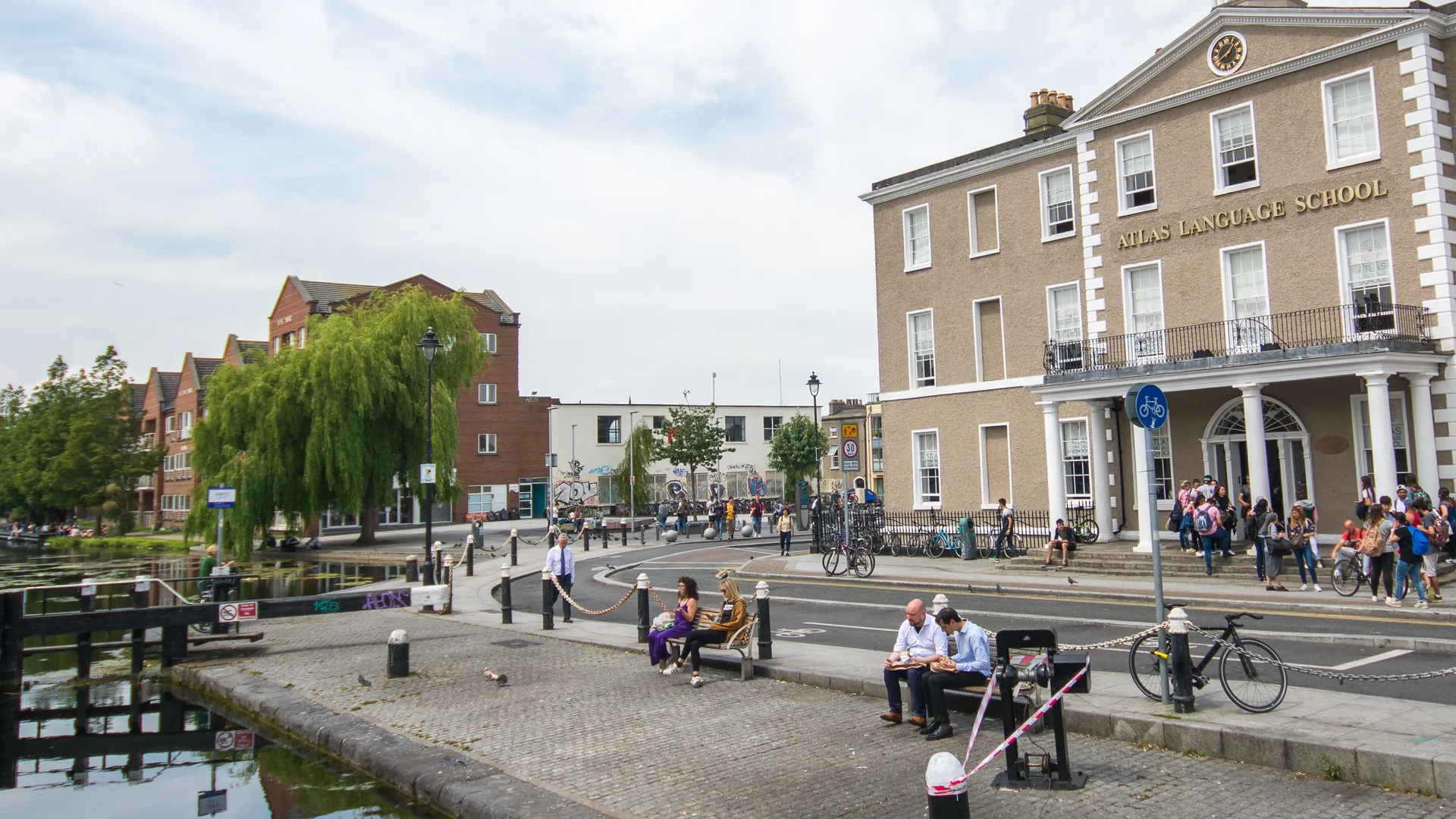
Atlas Language School exterior

Atlas Language School

Dublin Liverpool Malta
A multi-campus English school with options in Dublin, Liverpool, and Malta for students comparing different city environments.

Would you like to start planning your time in Ireland?

If you already have an approximate start date, a rough idea of how many weeks you want to study, or your current English level, you can tell us now. We can review course options, accommodation and budget with you before deciding which plan makes the most sense.

Email

Controller: Pei Shan Huang (SoulTripAdventure) - NIF: Y8317182M - Travesia Castrinos 17, 36626 A Illa de Arousa (Pontevedra).

Purpose: To manage your request and reply to it.

Legal basis: Your consent.

Recipients: Your data will not be shared with third parties unless there is a legal obligation or it is necessary to answer your request.

Rights: You may exercise your rights of access, rectification, erasure, objection, restriction and portability, and you may lodge a complaint with the AEPD by writing to info@soultripadventure.com or to the postal address above.

Additional information: You can read the full details in our Privacy Policy, the Cookie Policy and the Legal Notice.

Image sources and licences

The Ireland images used on this page have been downloaded to the local theme and converted to WebP for website use.

Wikimedia Commons images