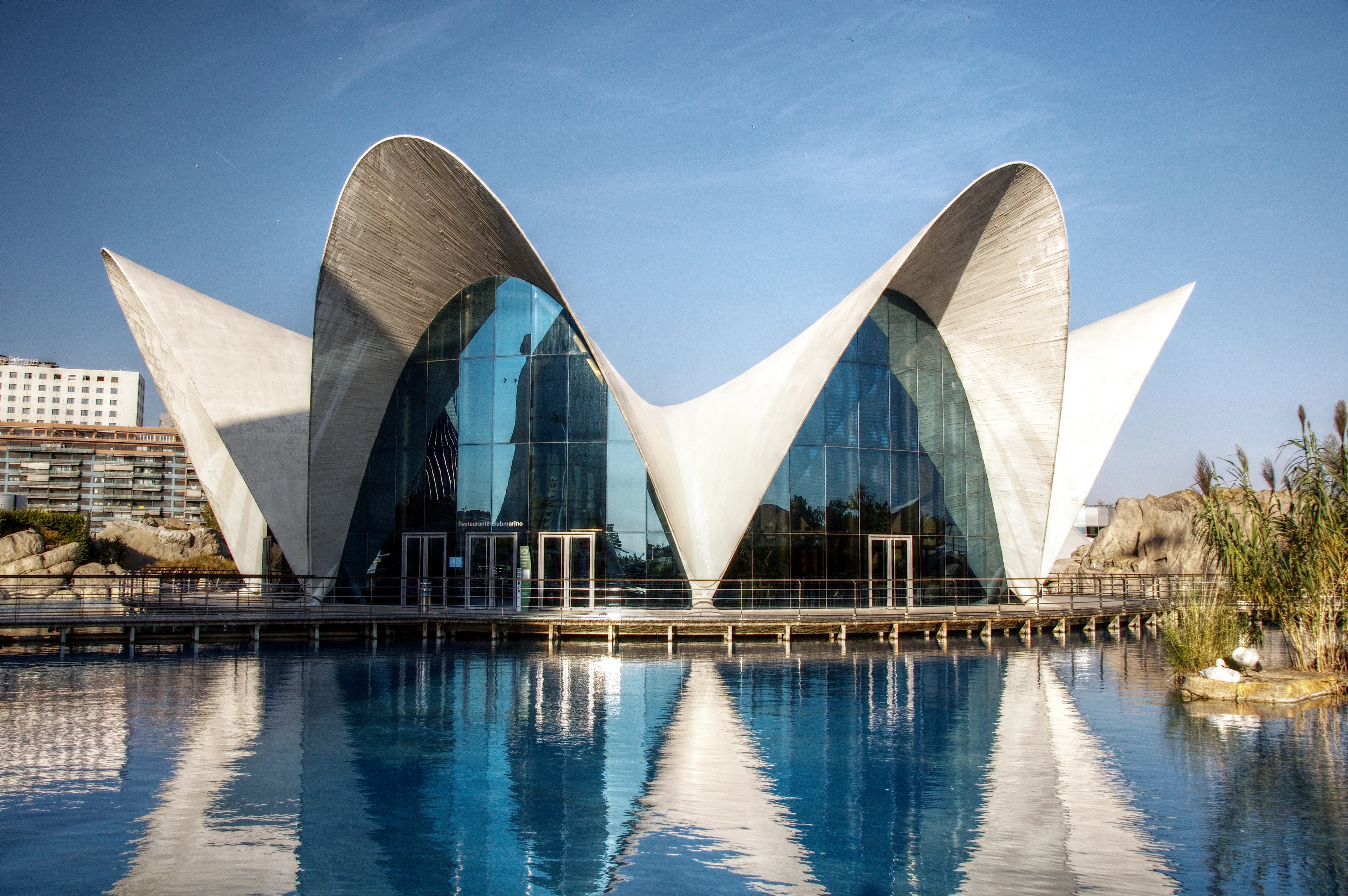
A strong Mediterranean lifestyle
Sunlight, terraces, beach culture and outdoor meals create a natural setting for using Spanish every day.
Tools
Tell us about your plans and we'll help you find the perfect school.
Valencia brings together the sea, a historic centre, modern architecture and a very manageable daily rhythm for students. If you want to learn Spanish in Spain while enjoying a walkable city, beach life and a more balanced cost of living than in some larger capitals, Valencia is a very strong choice.
Valencia is one of those cities people often like immediately when they first experience everyday life in Spain. It has a historic centre, markets, churches and traditional neighbourhoods, but also the City of Arts and Sciences, beach life and a very practical transport system. Compared with more intense or more tourist-heavy destinations, Valencia often feels easier to settle into for real: it is walkable, balanced and close to both the sea and green spaces. For students who want to learn Spanish through daily life and not only through classes, it works especially well.
Sunlight, terraces, beach culture and outdoor meals create a natural setting for using Spanish every day.
It does not feel overwhelming like a major metropolis, but it still offers plenty of cultural, academic and leisure options.
Metrovalencia, EMT buses, bikes and train stations connect the centre, neighbourhoods, beach and university areas very well.
Valencia is not only a place to visit. It is a city you can live in comfortably, which helps language progress feel more natural and steady.
Valencia combines a walkable centre with a very practical network of Metrovalencia, EMT buses, public bikes and trains. For students, it is usually easy to move between neighbourhoods, the beach, stations and university areas.
Metrovalencia links the centre, airport, beach and residential areas. Timetables and fares are available at metrovalencia.es.
The EMT network is very useful for urban trips between the old town, neighbourhoods and the beach. More information is available at emtvalencia.es.
Valencia is relatively flat and has a strong cycling network. Valenbisi works well for short trips and for riding through the Turia park corridor.
For trips to Madrid, Barcelona, Alicante or Castellón, the key stations are Estació del Nord and Joaquín Sorolla.
Valencia Airport (VLC) is well connected to the centre by Metrovalencia lines 3 and 5. A taxi or ride-hailing service may be easier if you arrive late.
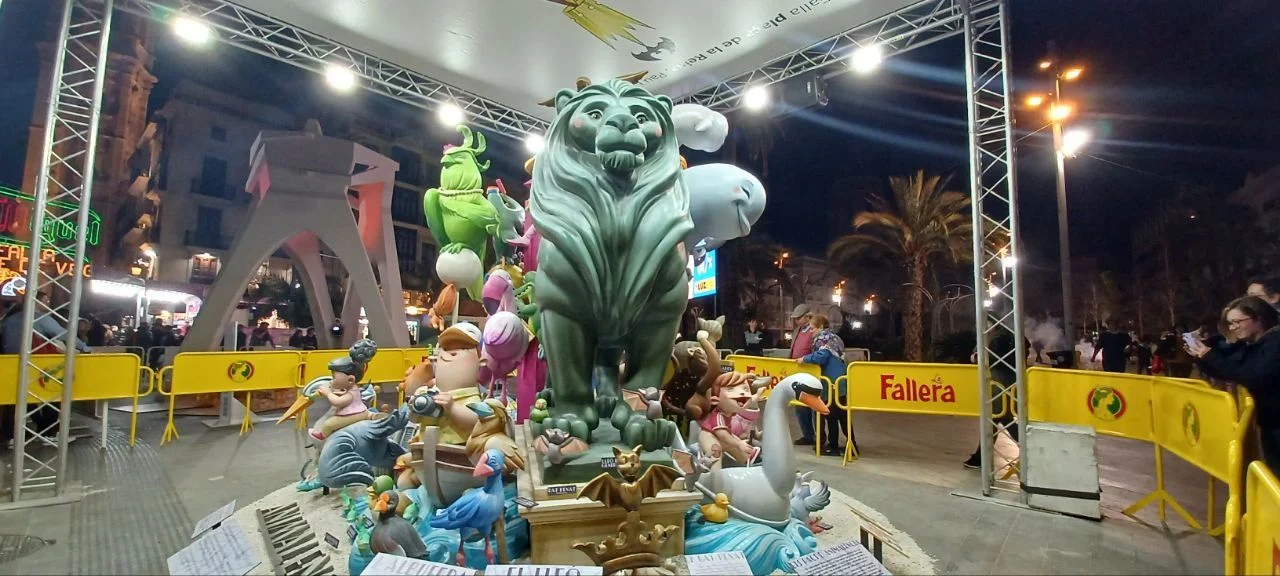
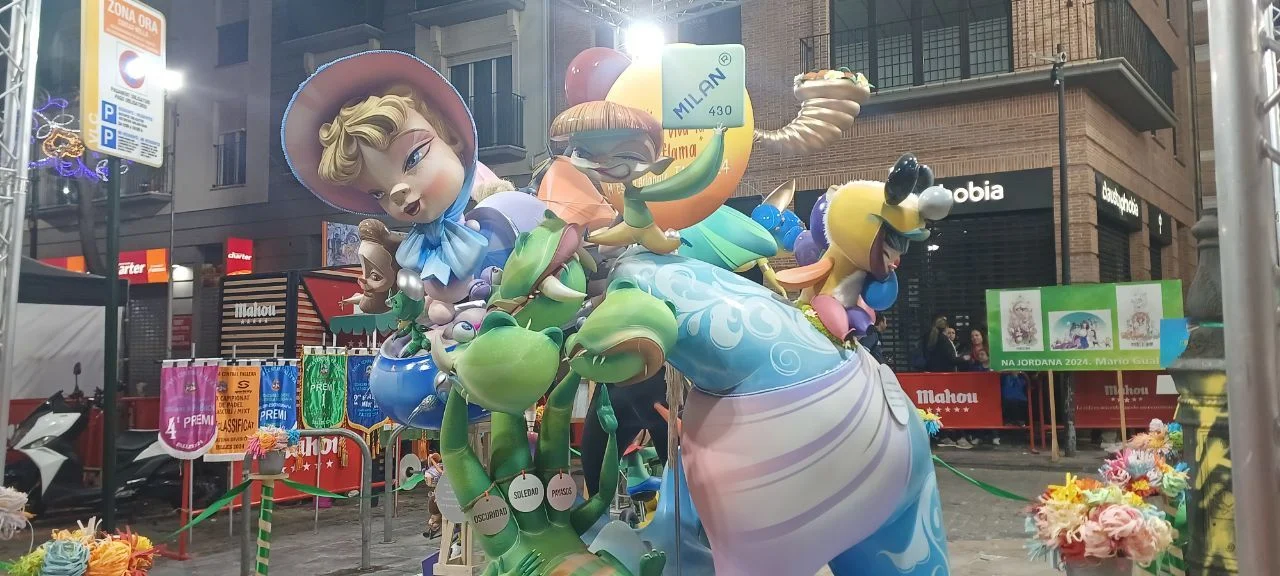
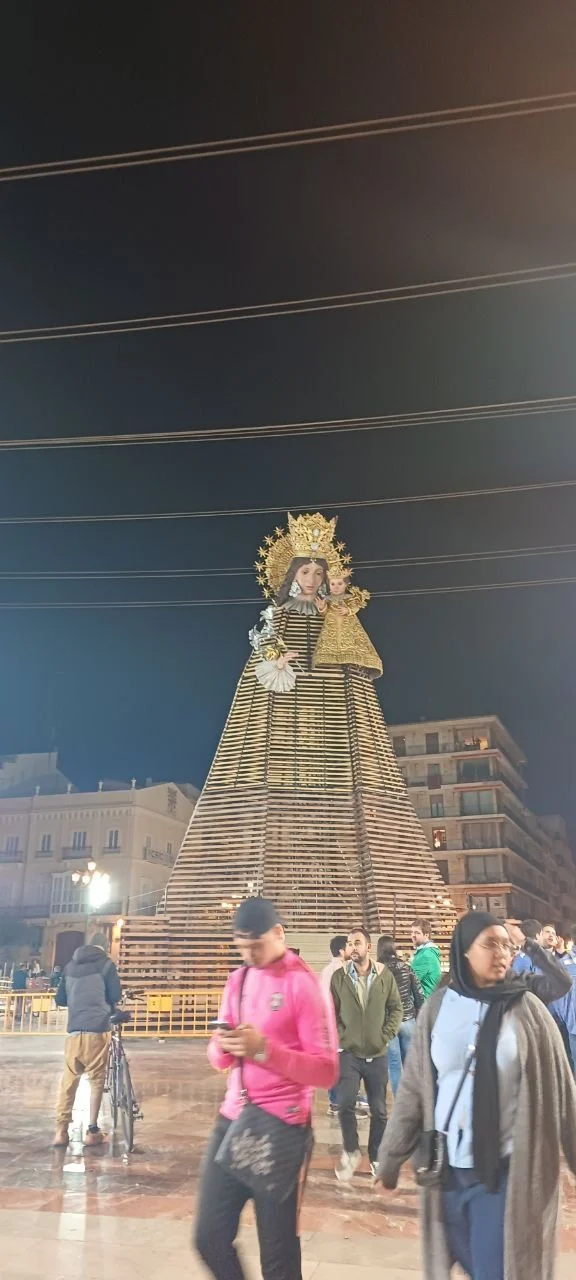
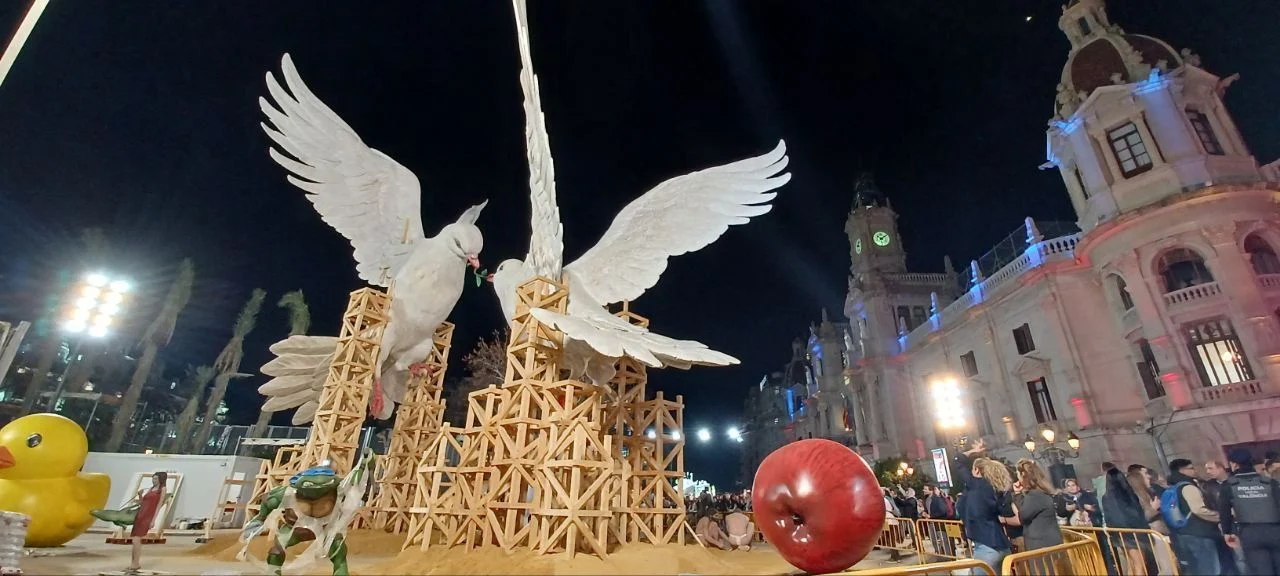
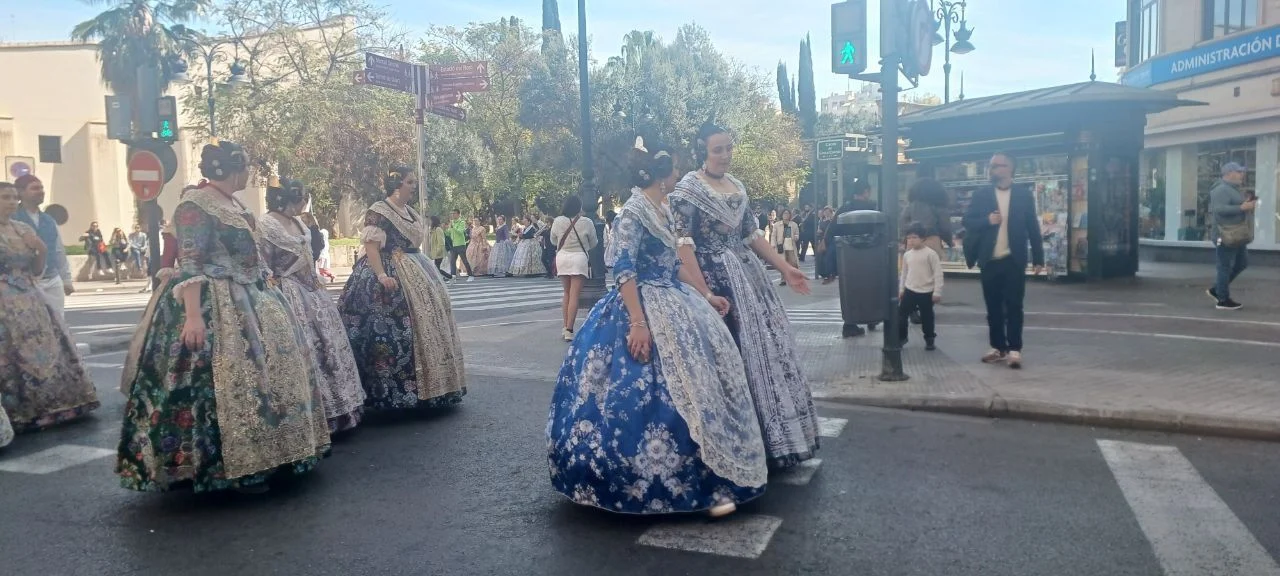
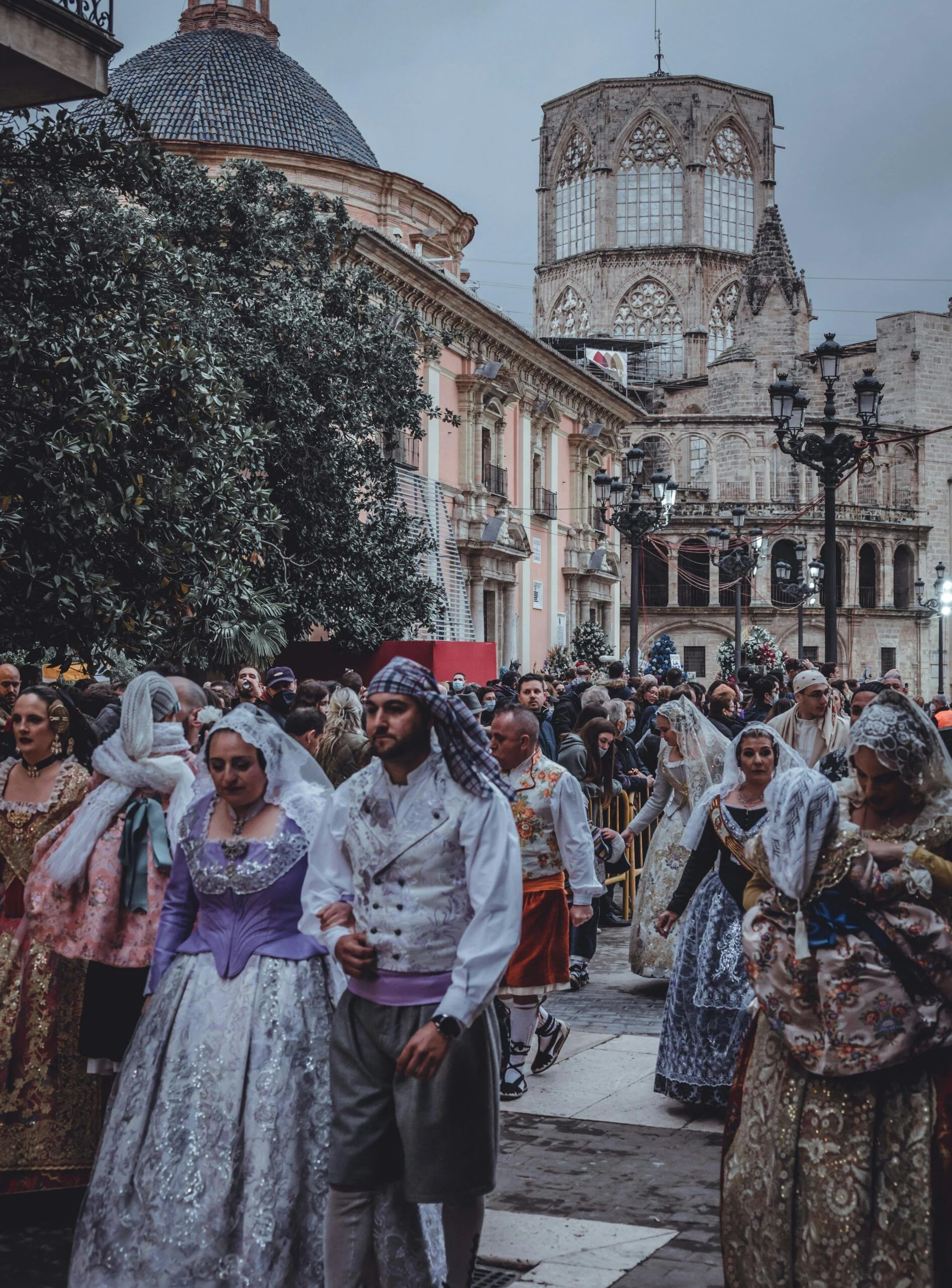
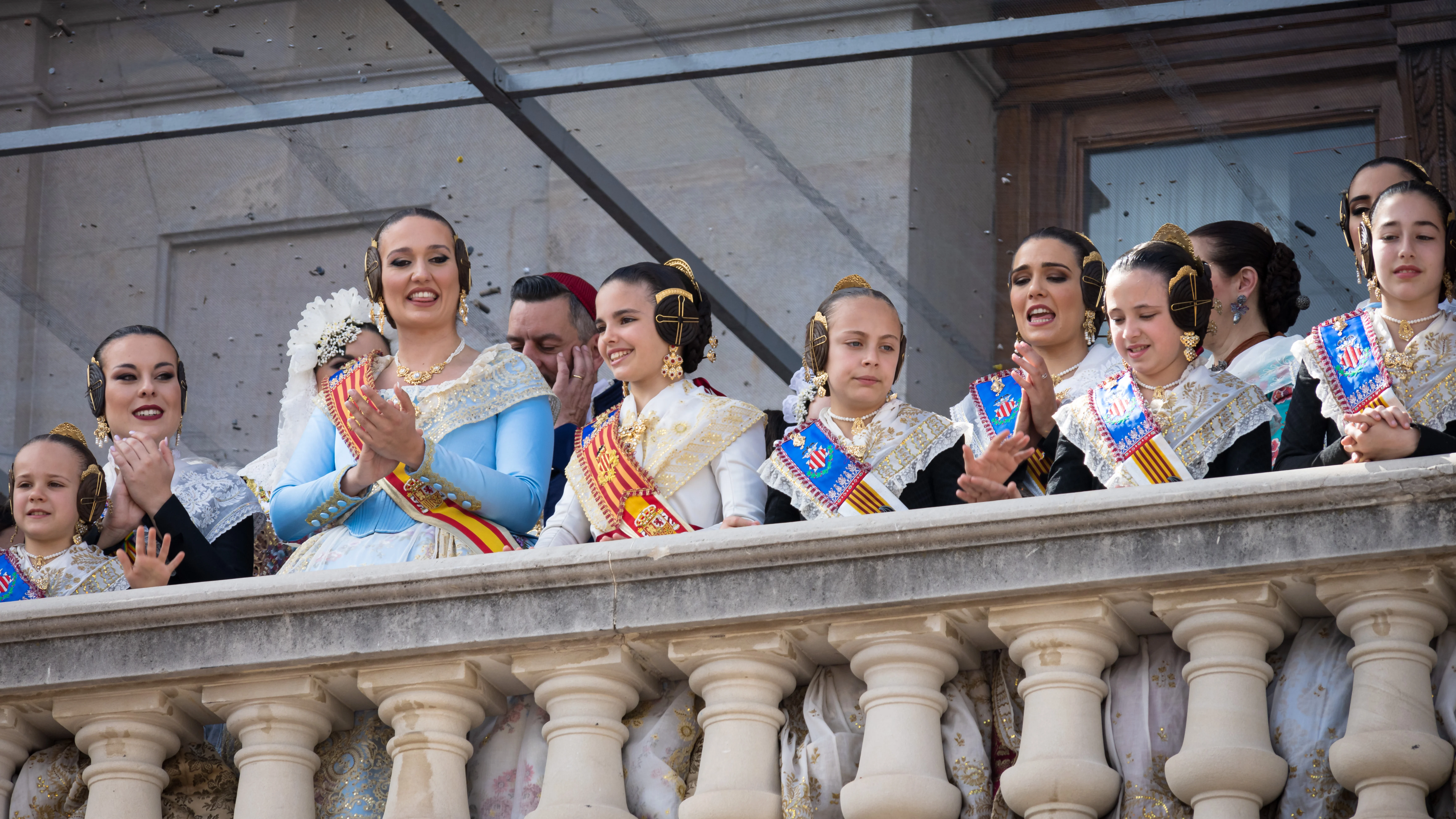
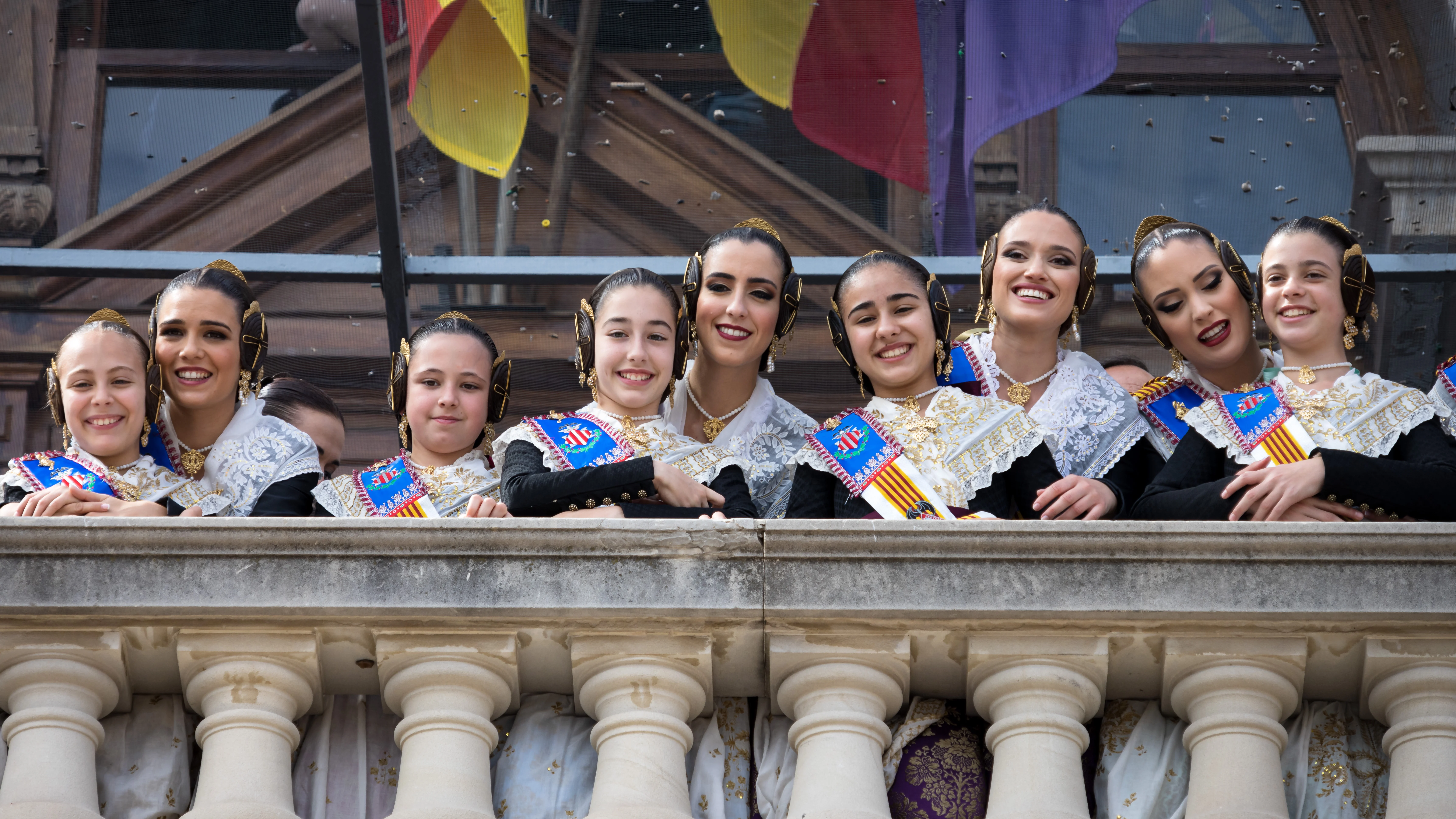
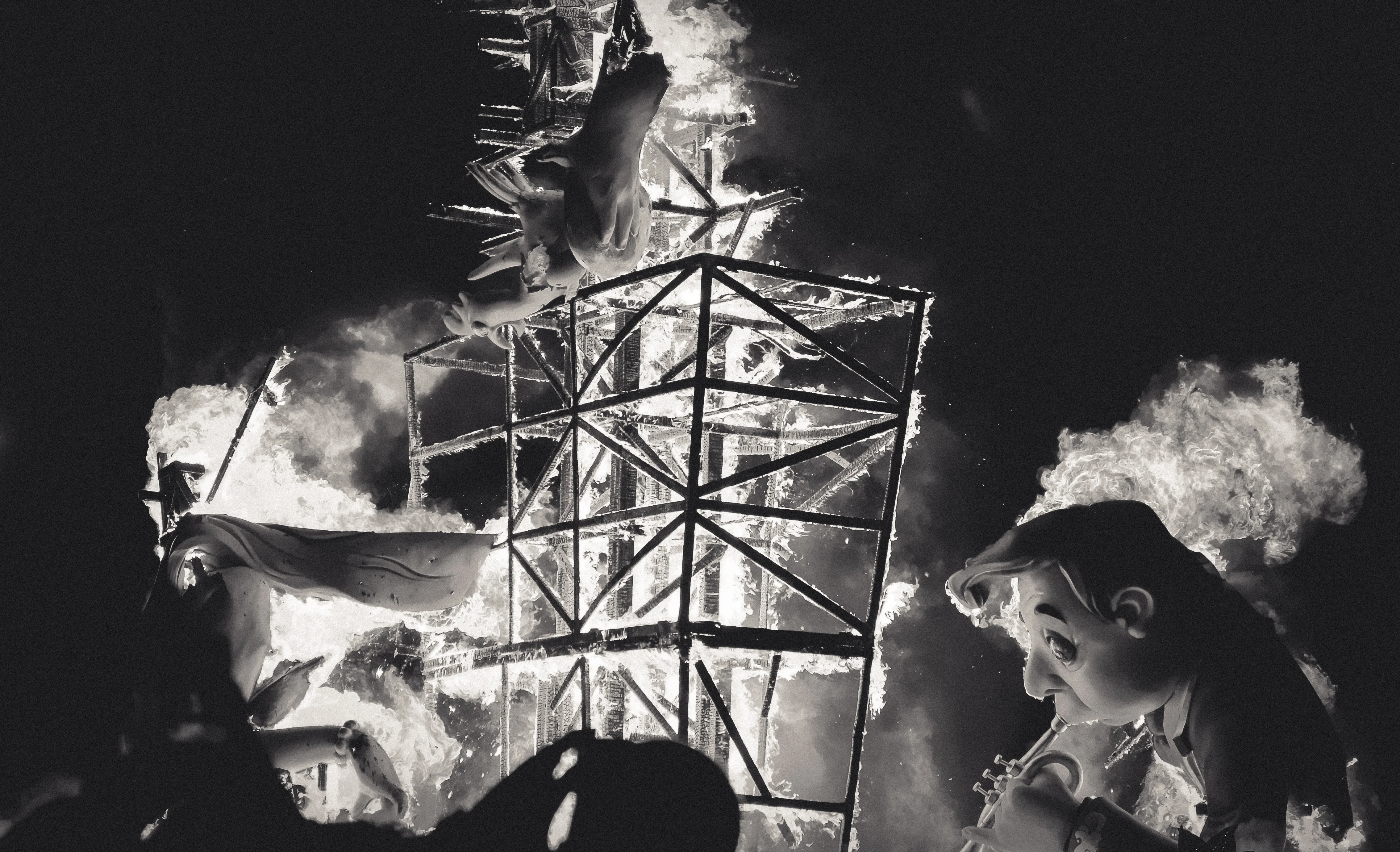
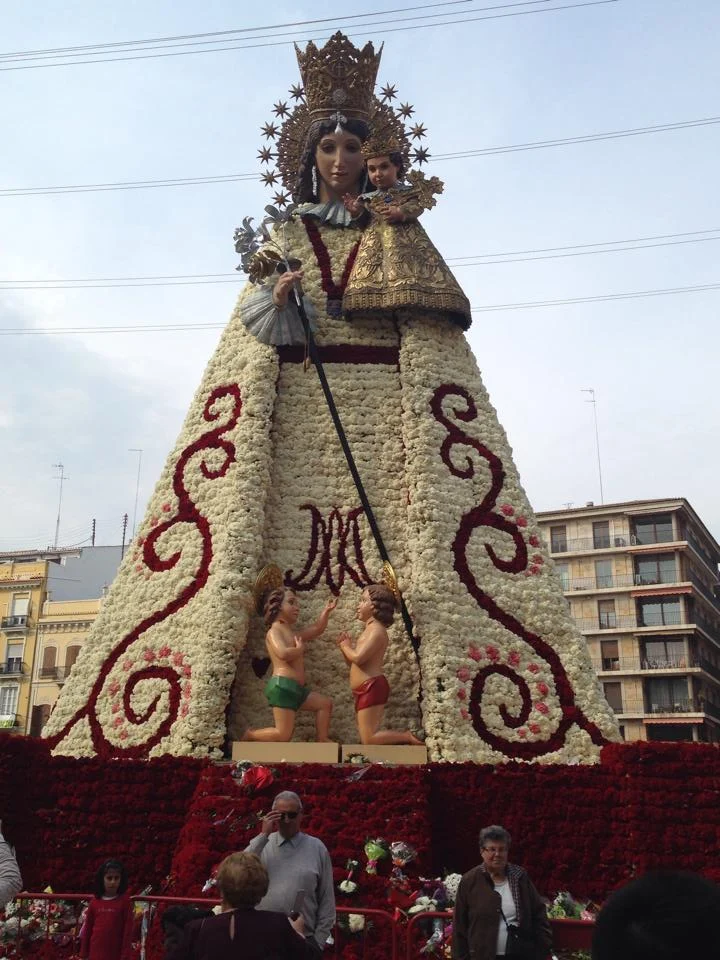
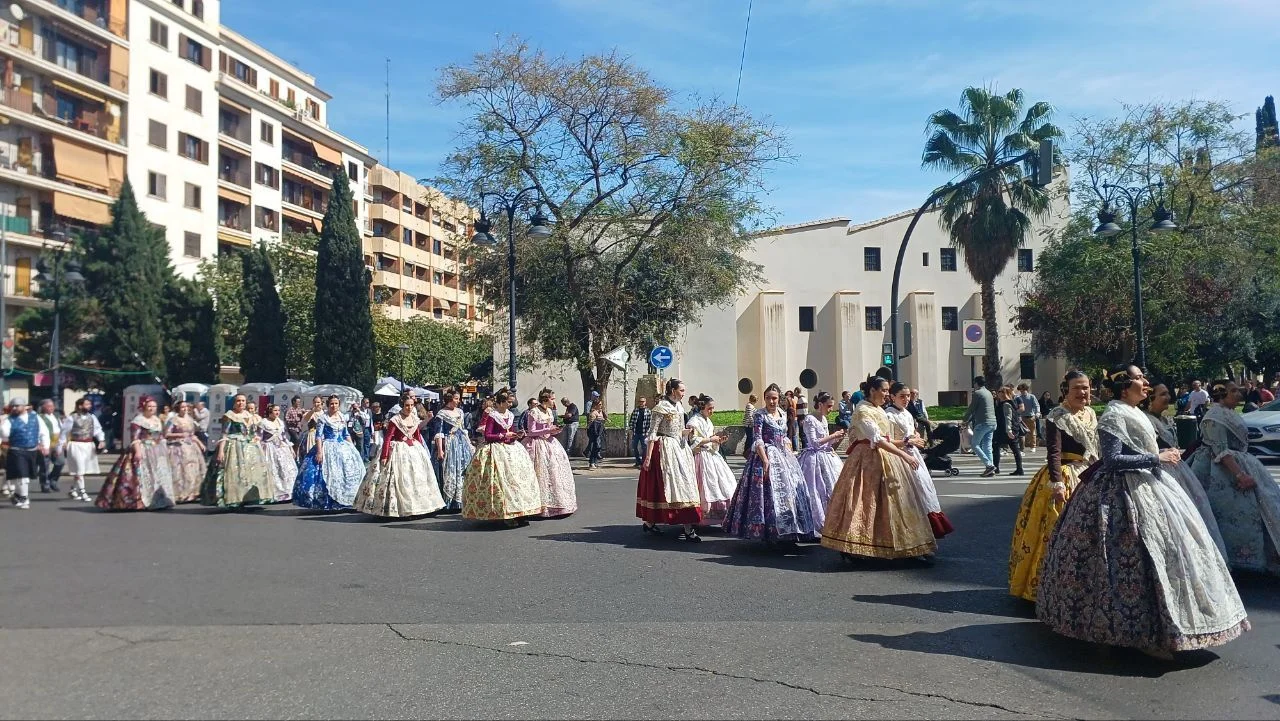
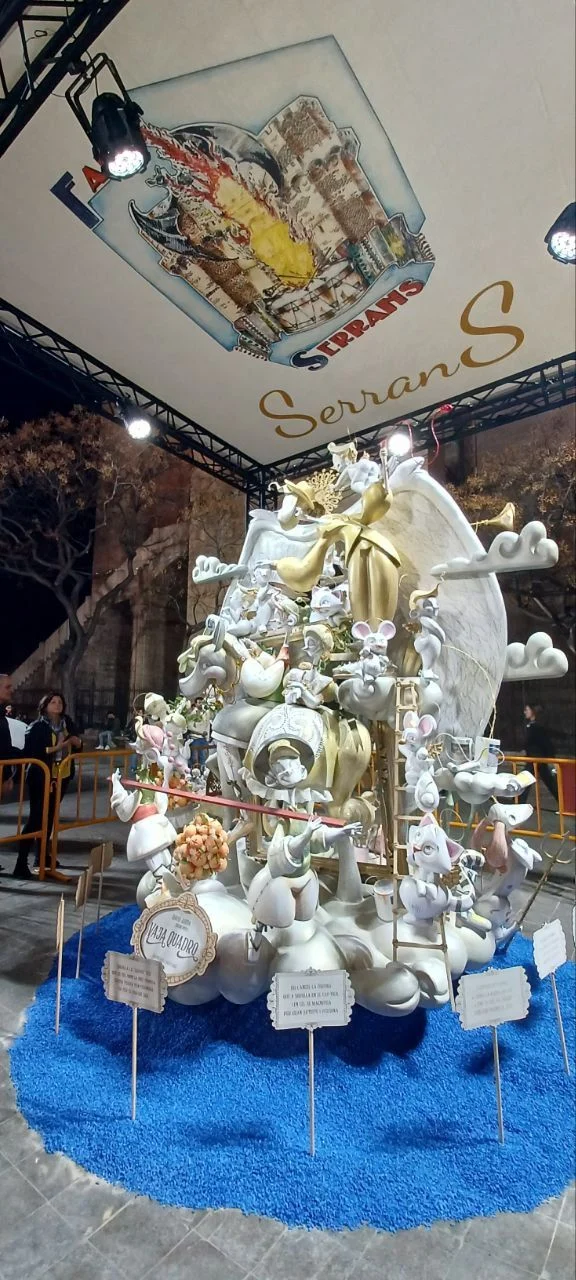
The city’s most iconic festival is Las Fallas, but Semana Santa Marinera and other neighbourhood celebrations also shape Valencia’s rhythm.
Fallas sculptures, mascletàs, lights and the cremà turn the whole city into a massive festival stage.
Where: citywide | Type: festival, fireworks, street culture
This version of Holy Week belongs to Valencia’s maritime districts and feels distinct from inland traditions.
Where: maritime districts | Type: religion, community
If you stay longer, neighbourhood celebrations, summer events and the Albufera area help you understand local life more deeply.
Where: neighbourhoods and province | Type: local culture
Dates may vary each year. Before travelling, it is best to check Visit València and Ajuntament de València.
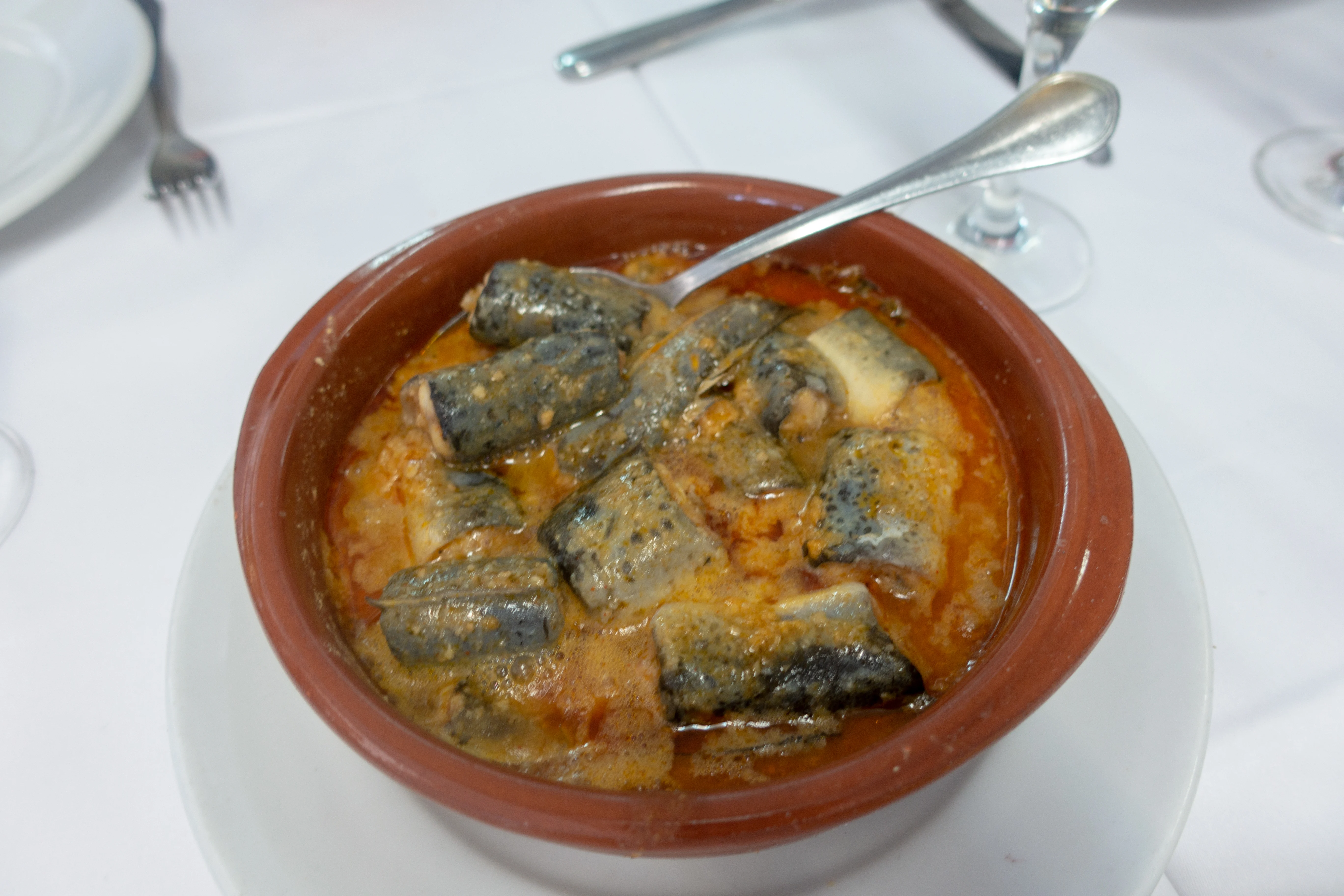
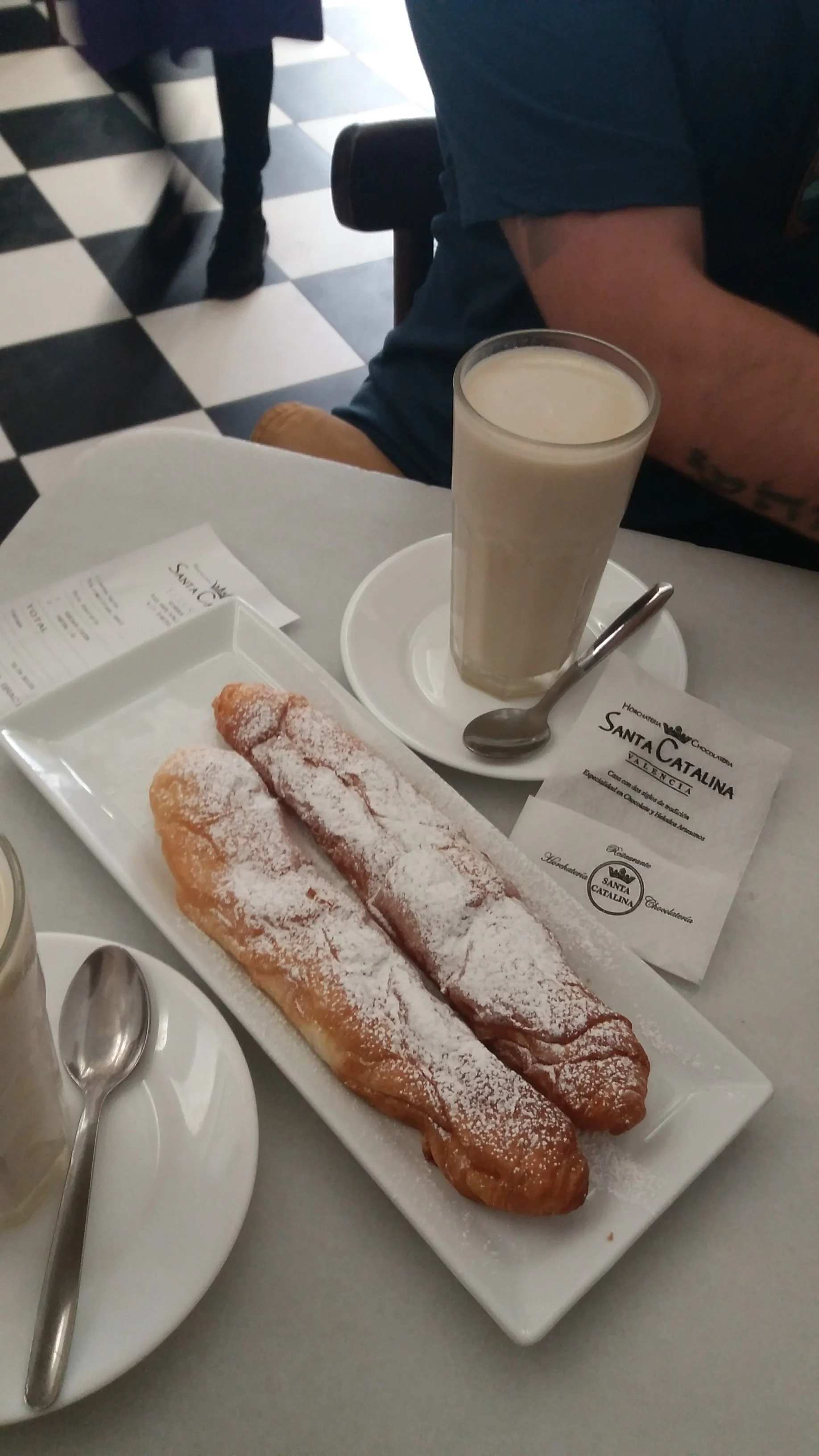
Paella is only the starting point: Valencian food blends rice culture, orchards, the sea, Albufera traditions and everyday sweets.
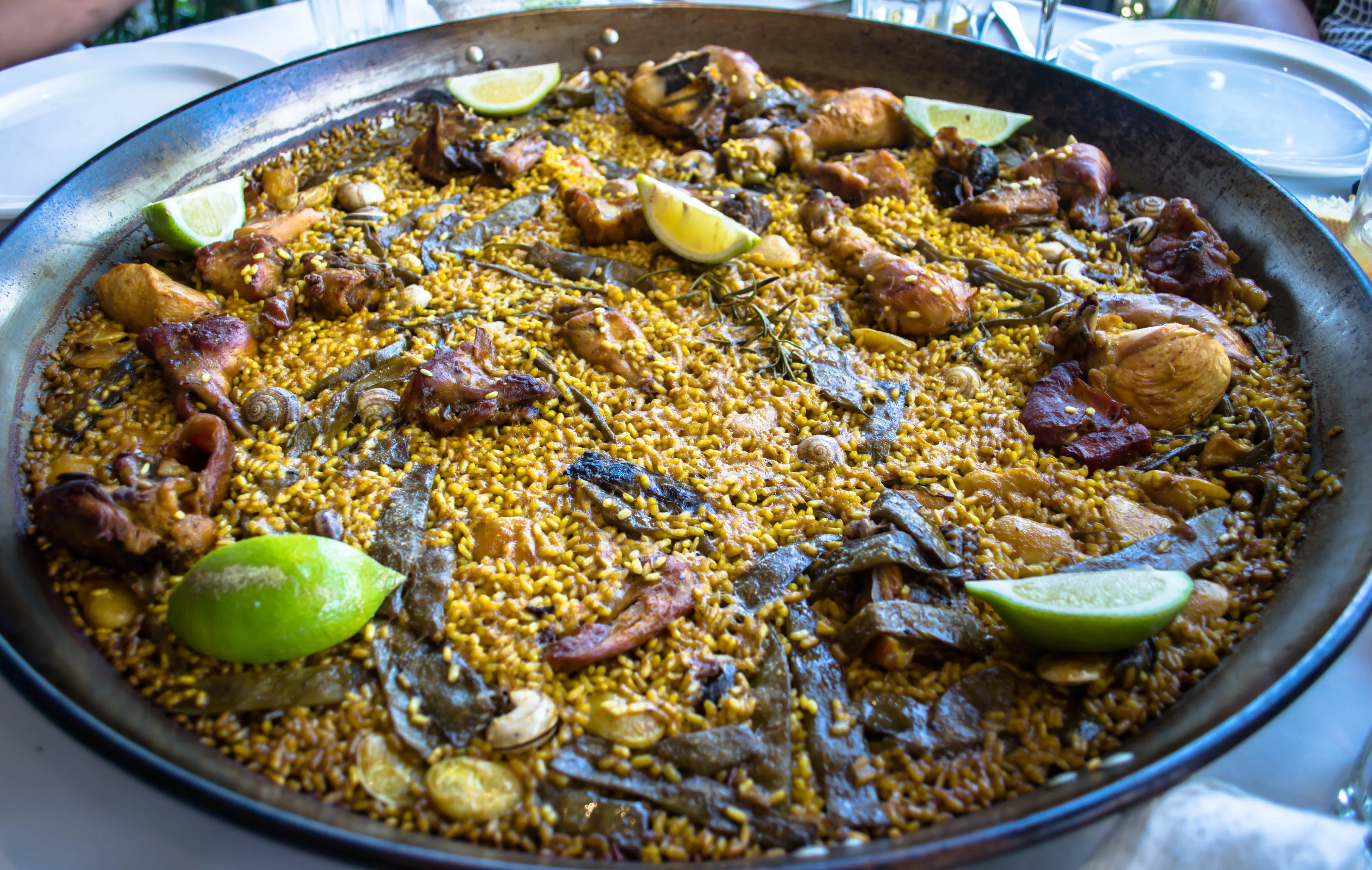
To begin, Mercado Central, Ruzafa, El Carmen and the maritime area usually provide the best food context.
Valencia brings together medieval streets, contemporary architecture, seaside life and a Mediterranean scale. These places help you understand the city beyond a quick visit.
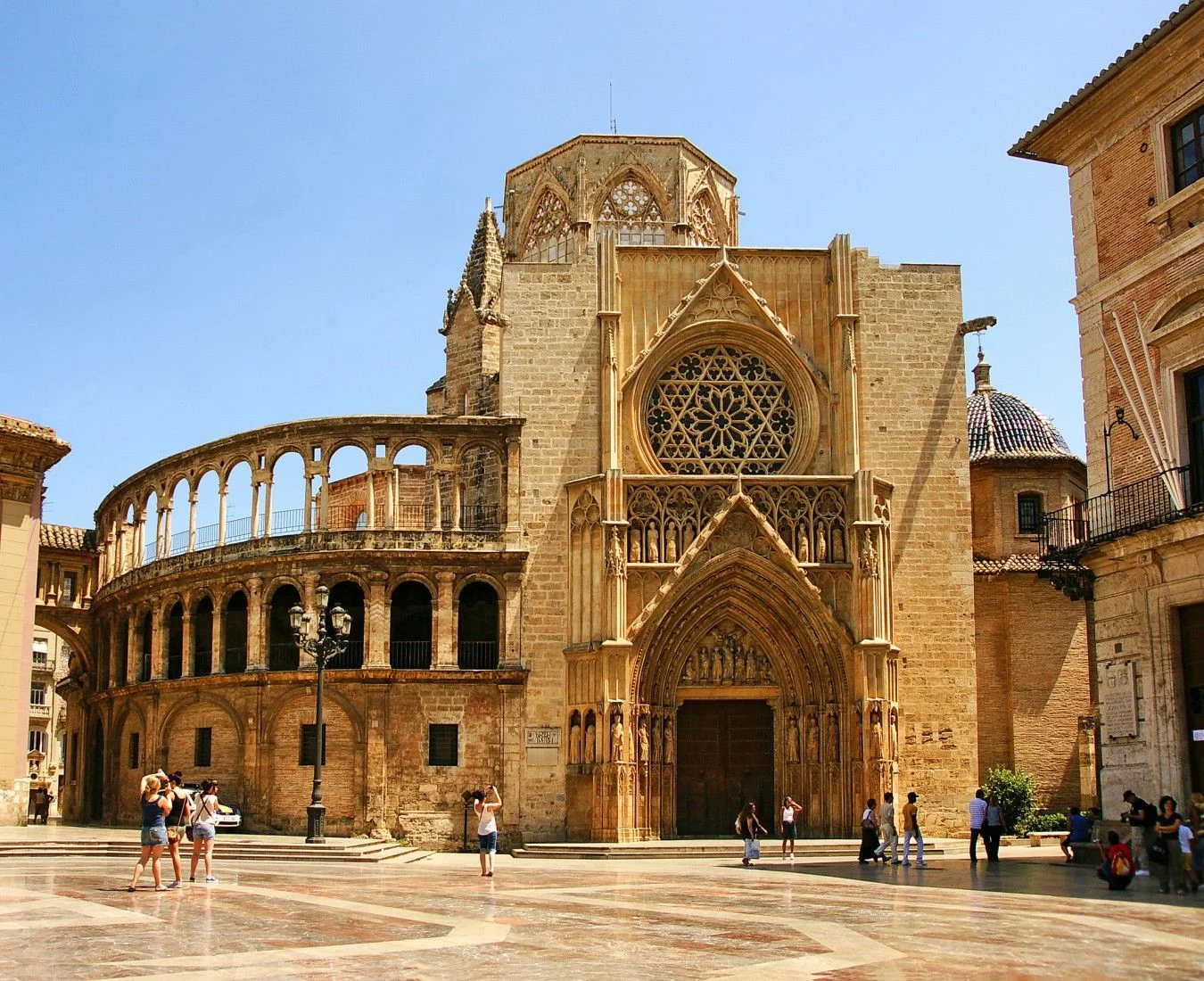
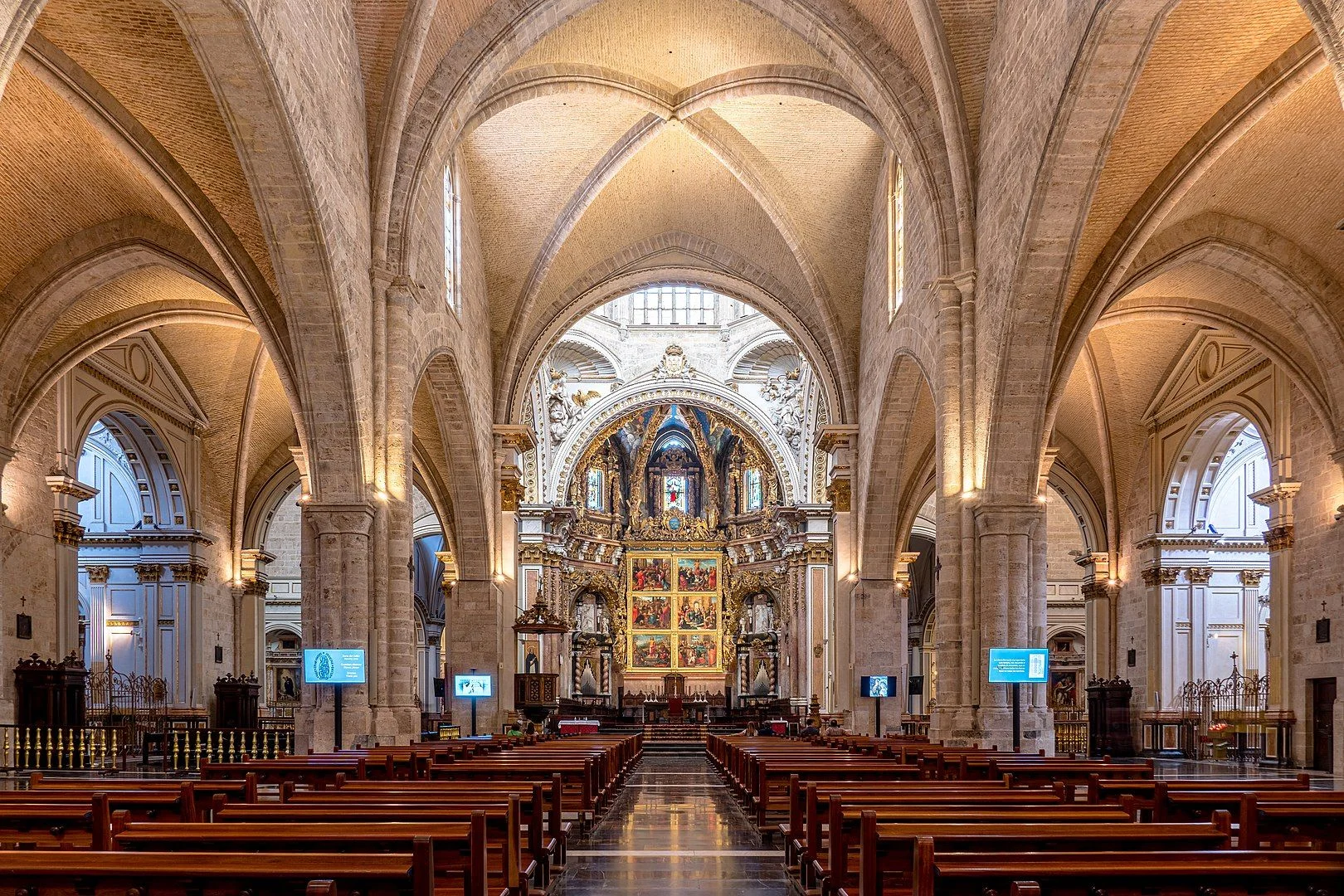
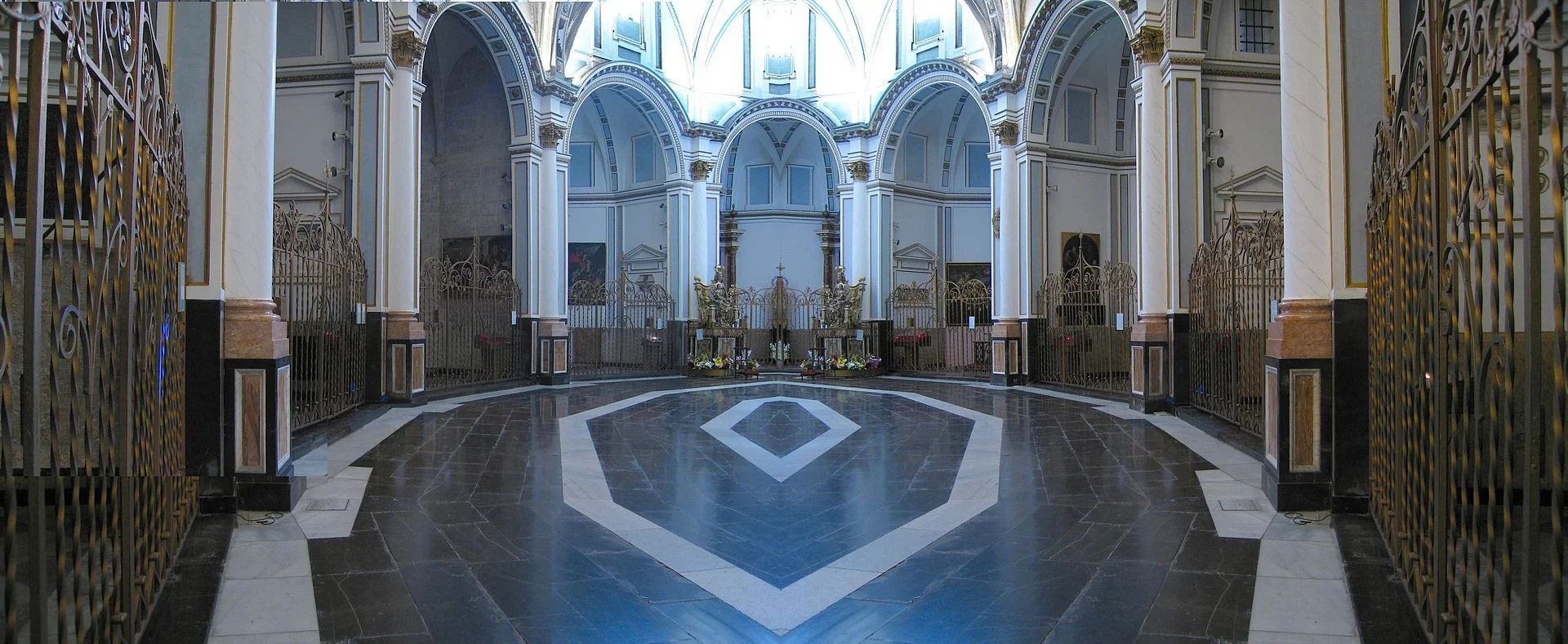
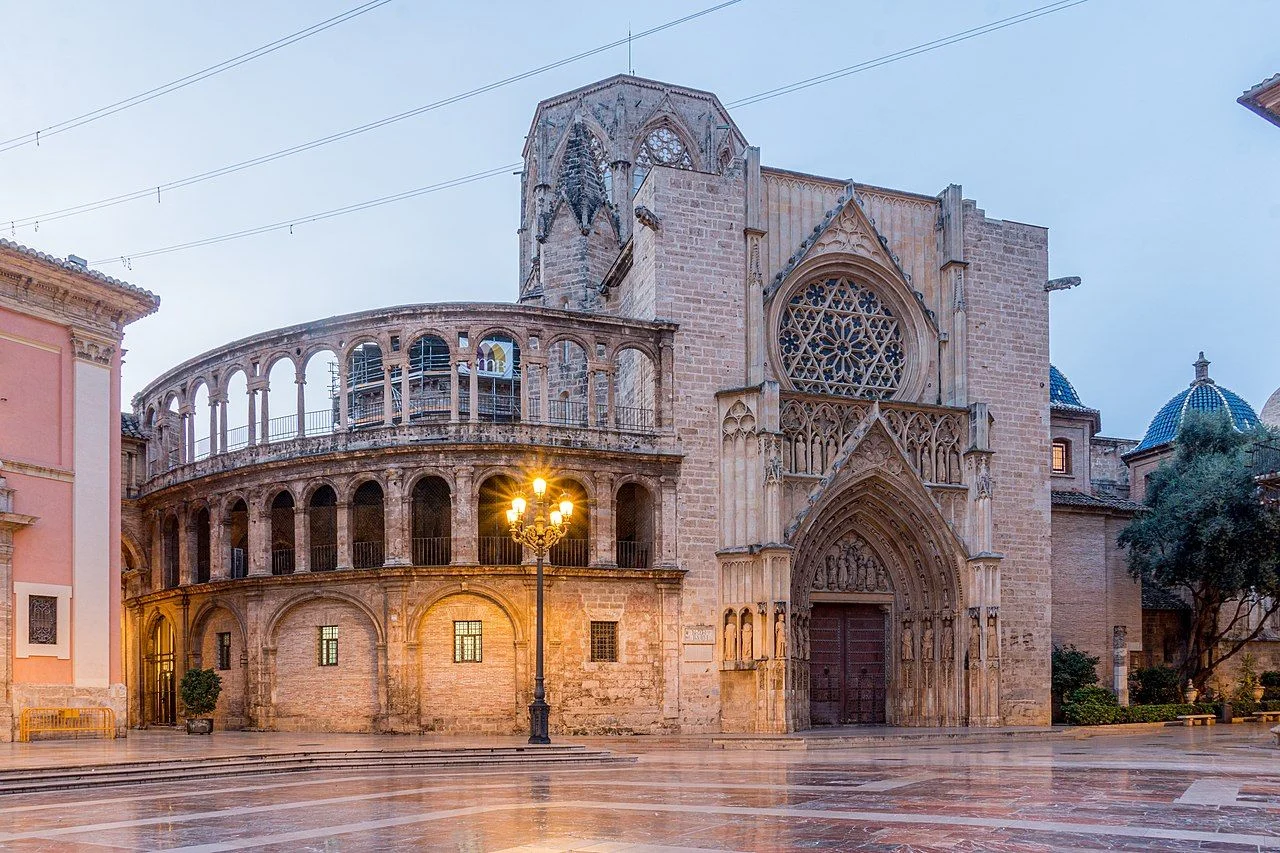
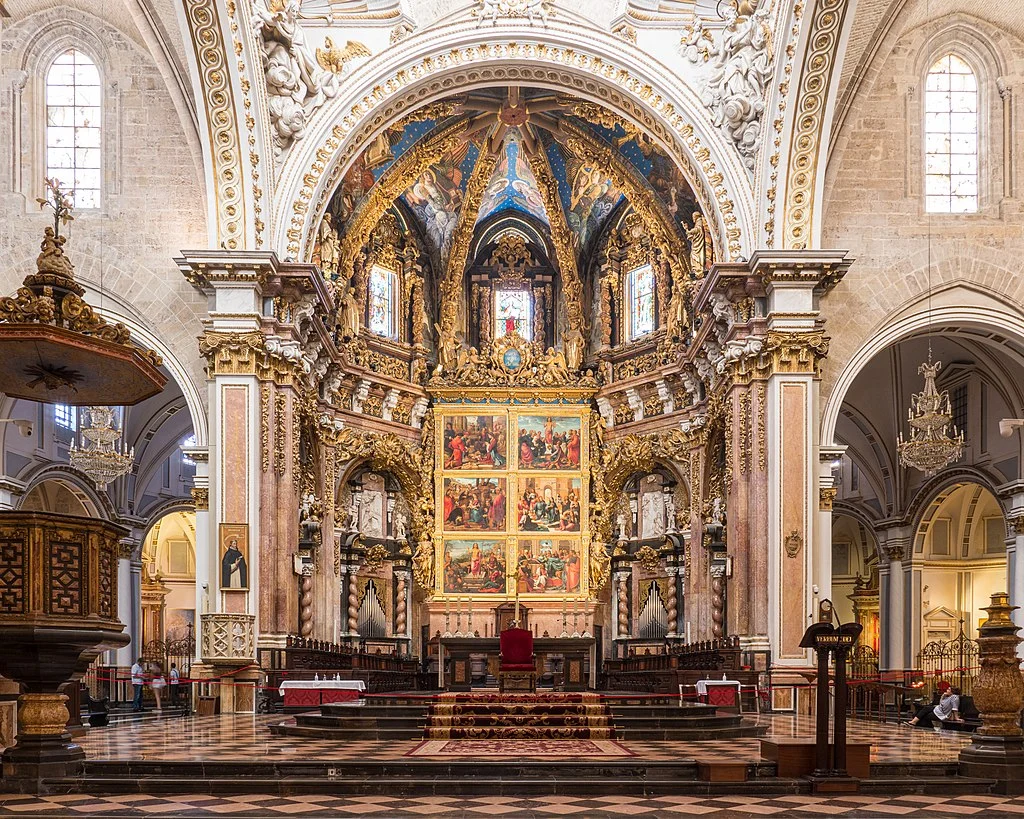
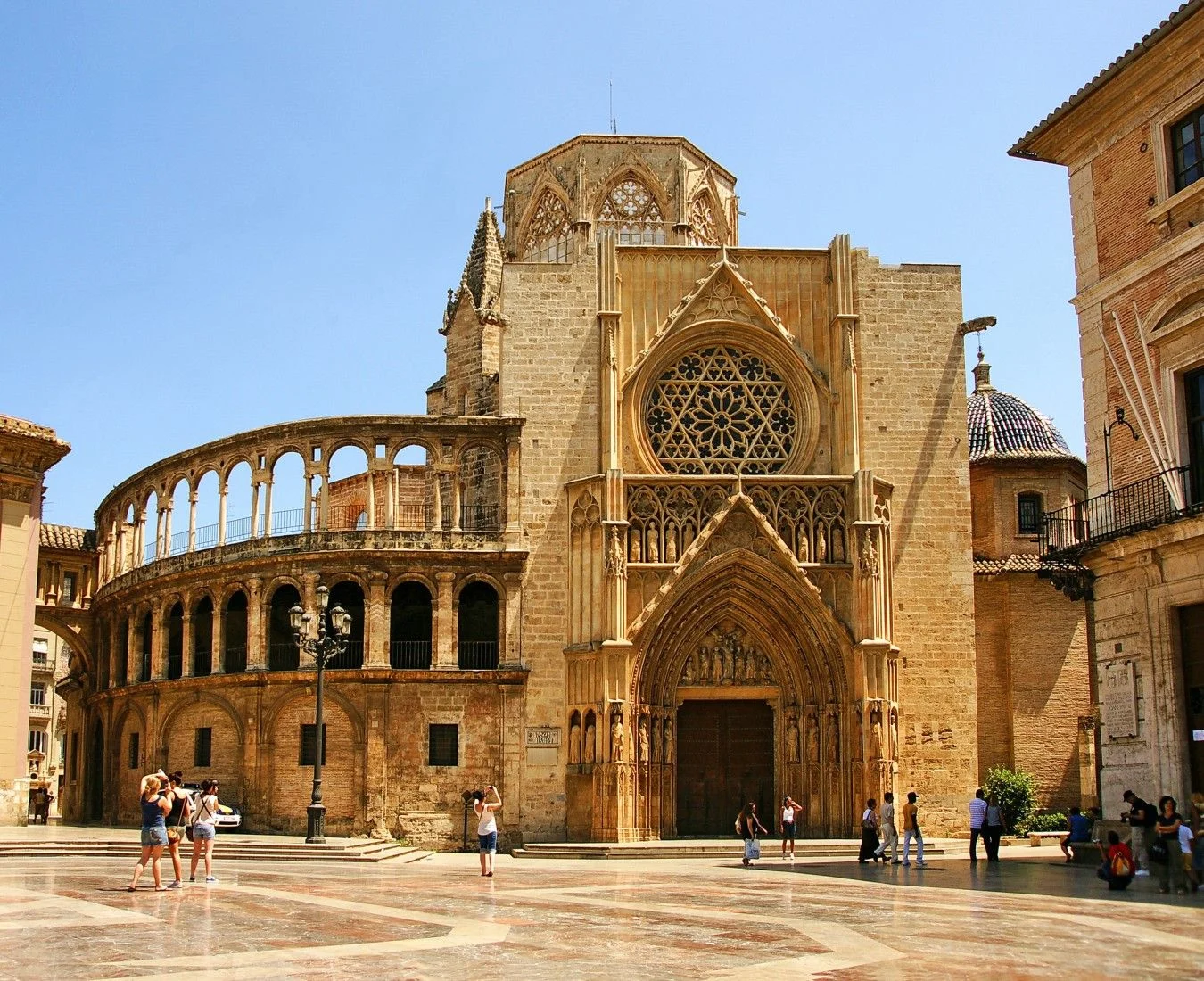
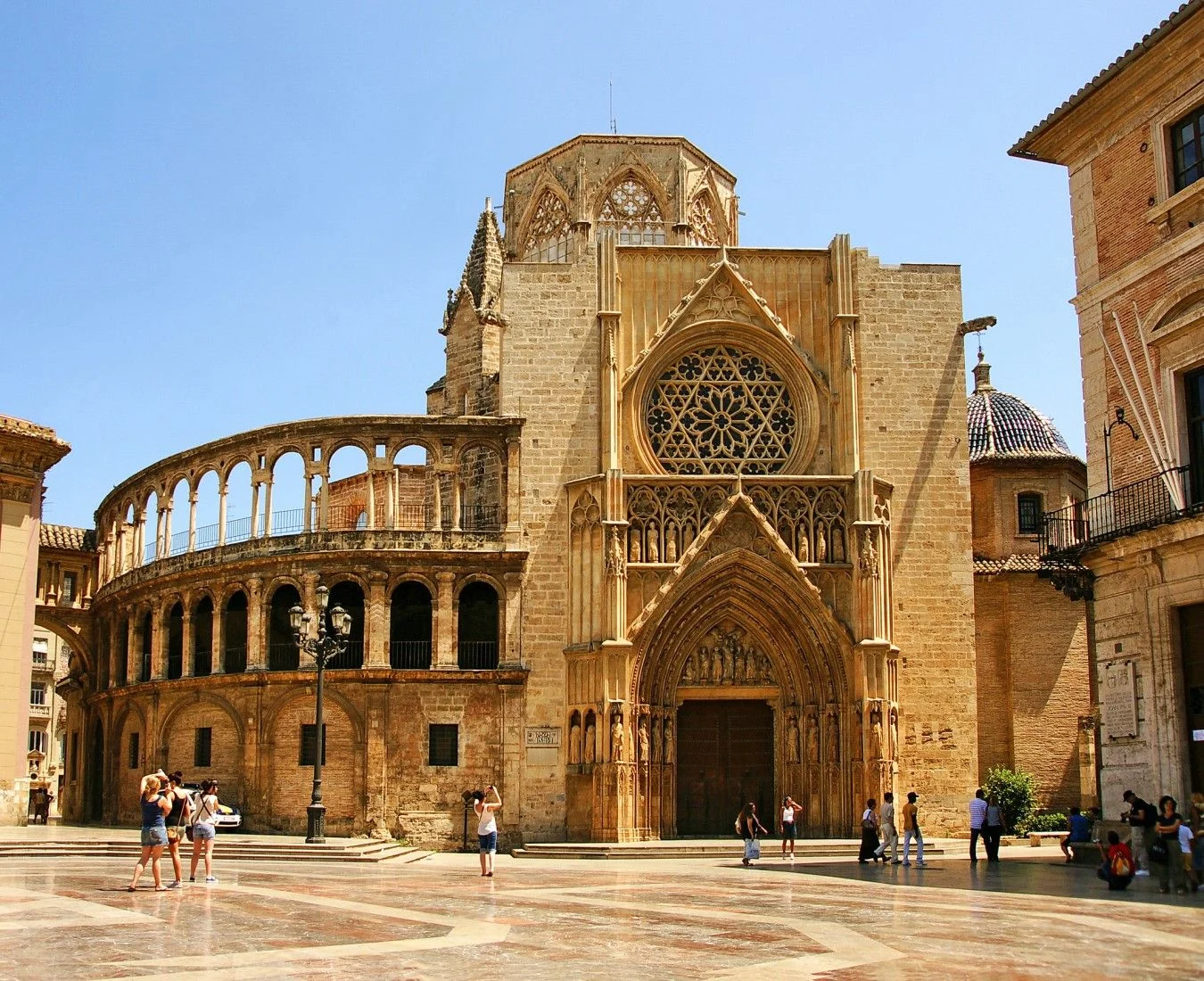
The cathedral sits at the heart of the old town, and climbing the Miguelete is one of the best ways to understand Valencia’s historic scale.
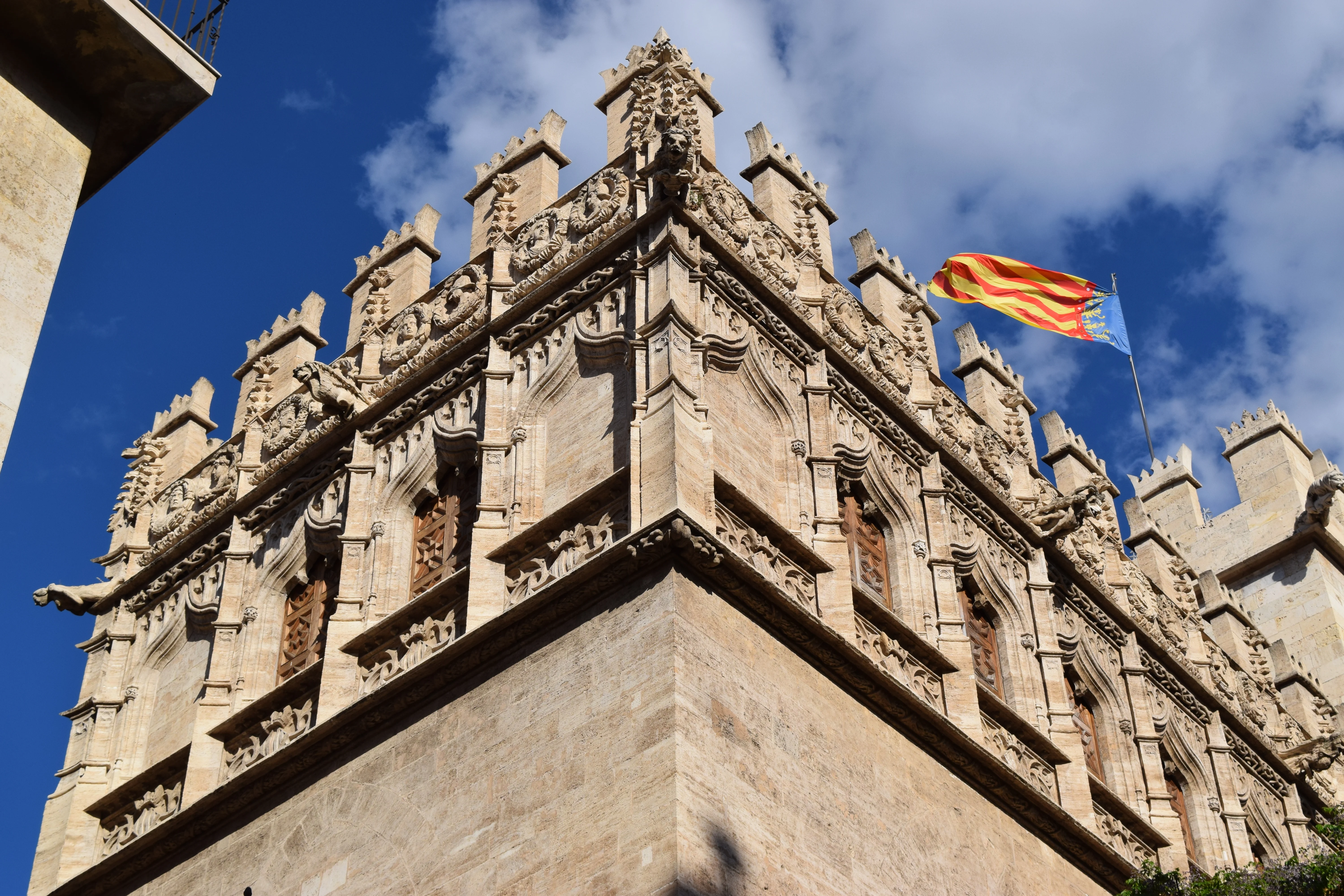
This UNESCO site clearly reflects Valencia’s historical role as a major trading city.
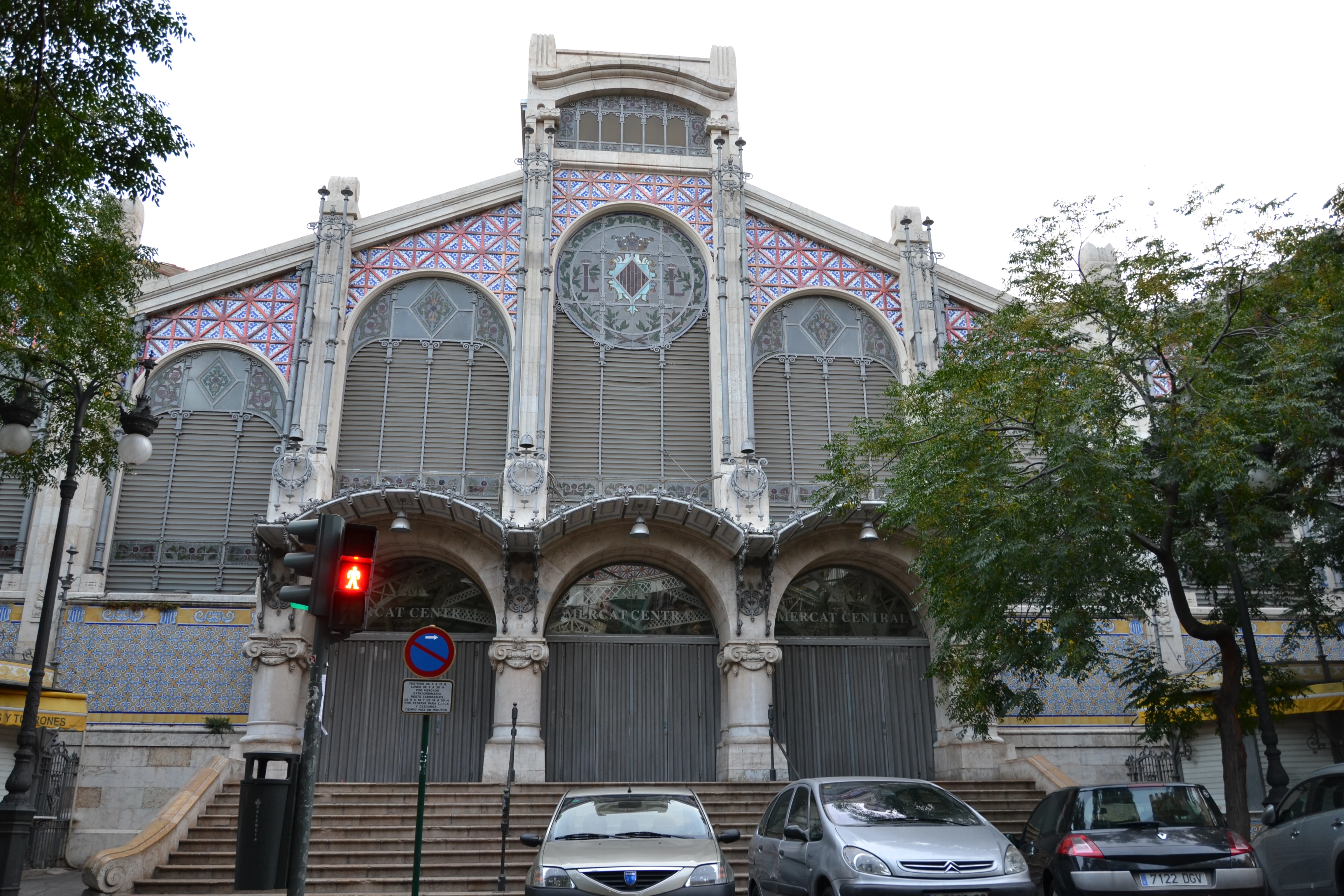
For produce, routine and local atmosphere, Mercado Central is one of the best stops in the city.
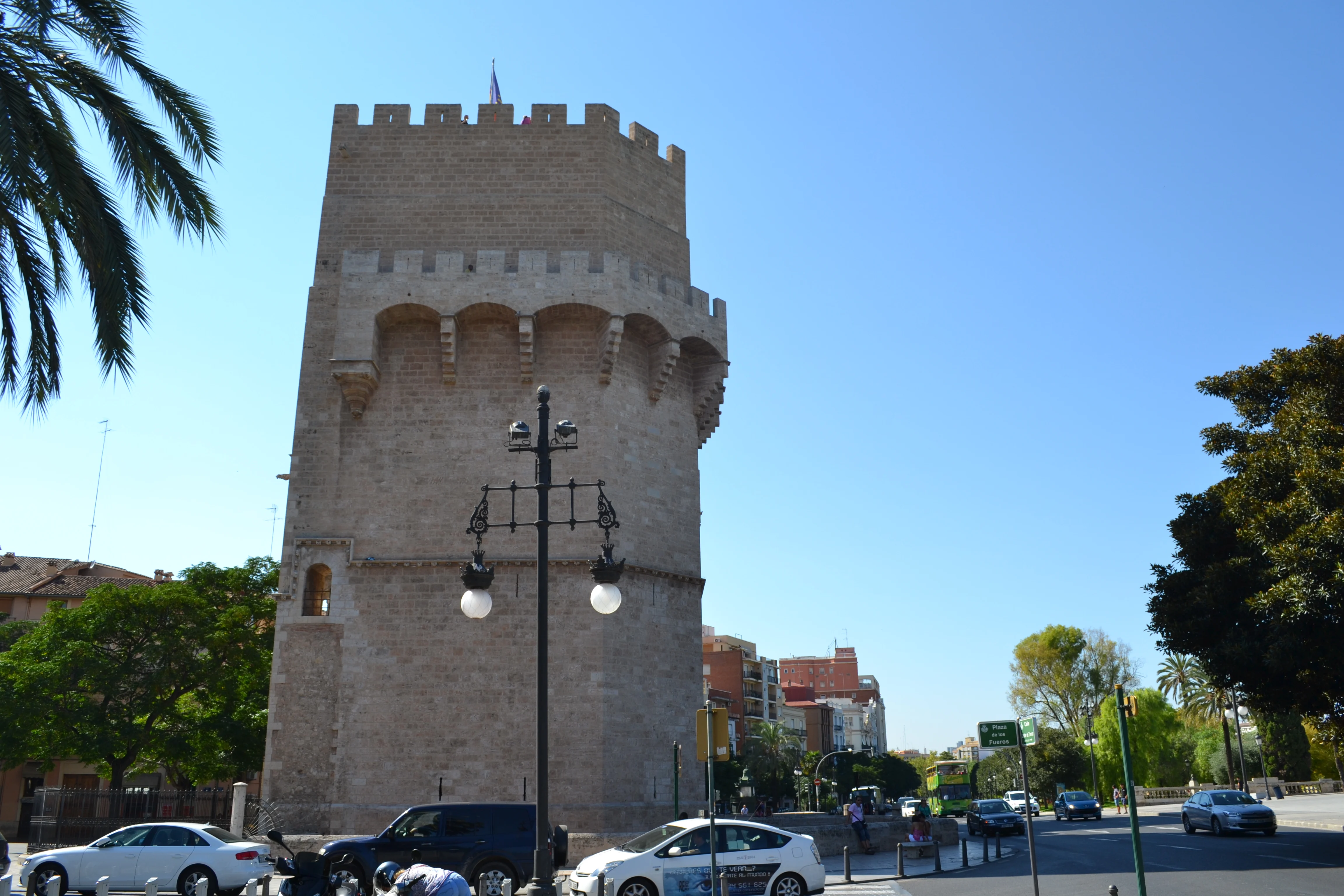
One of the most important historical gates of the old walled city.
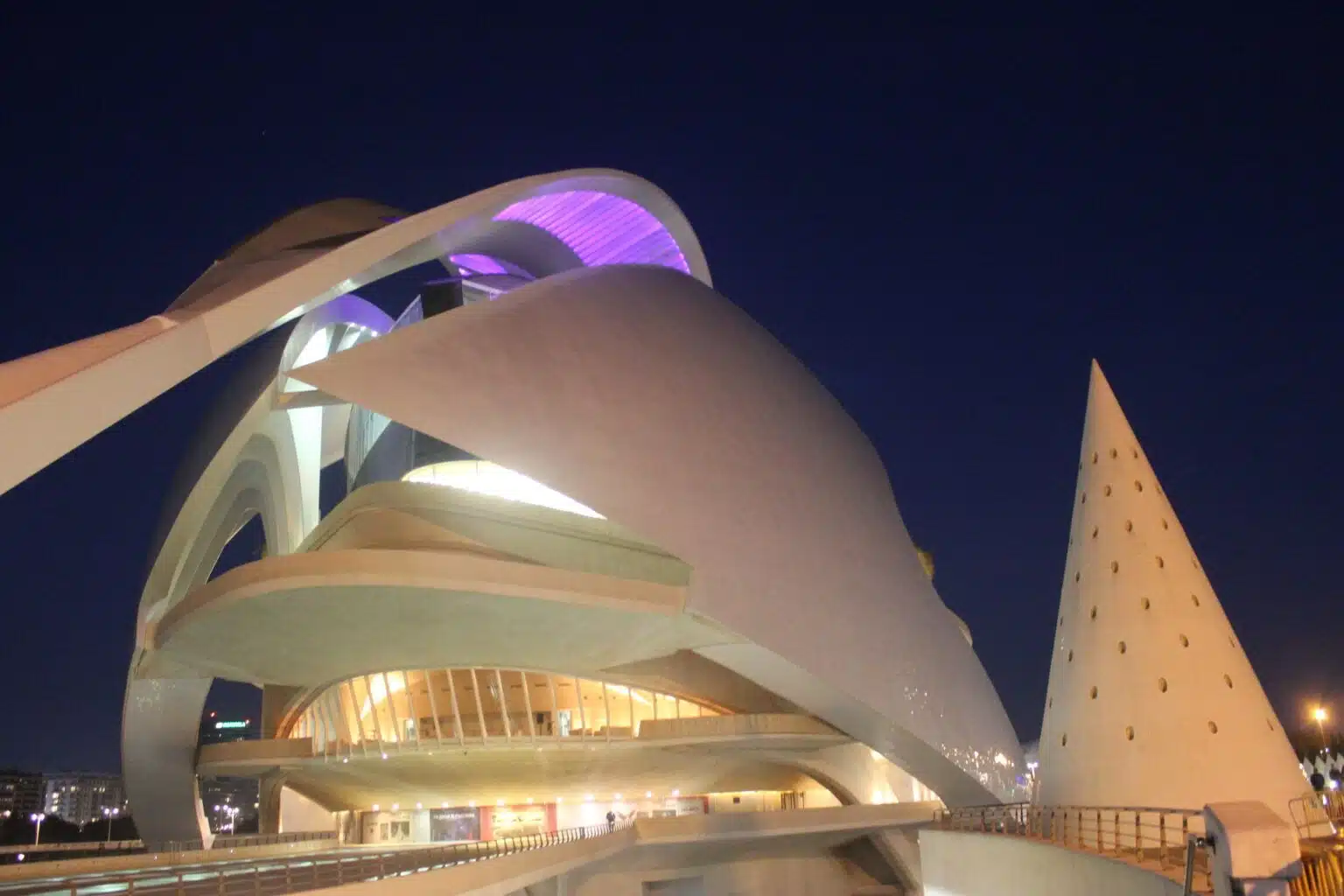
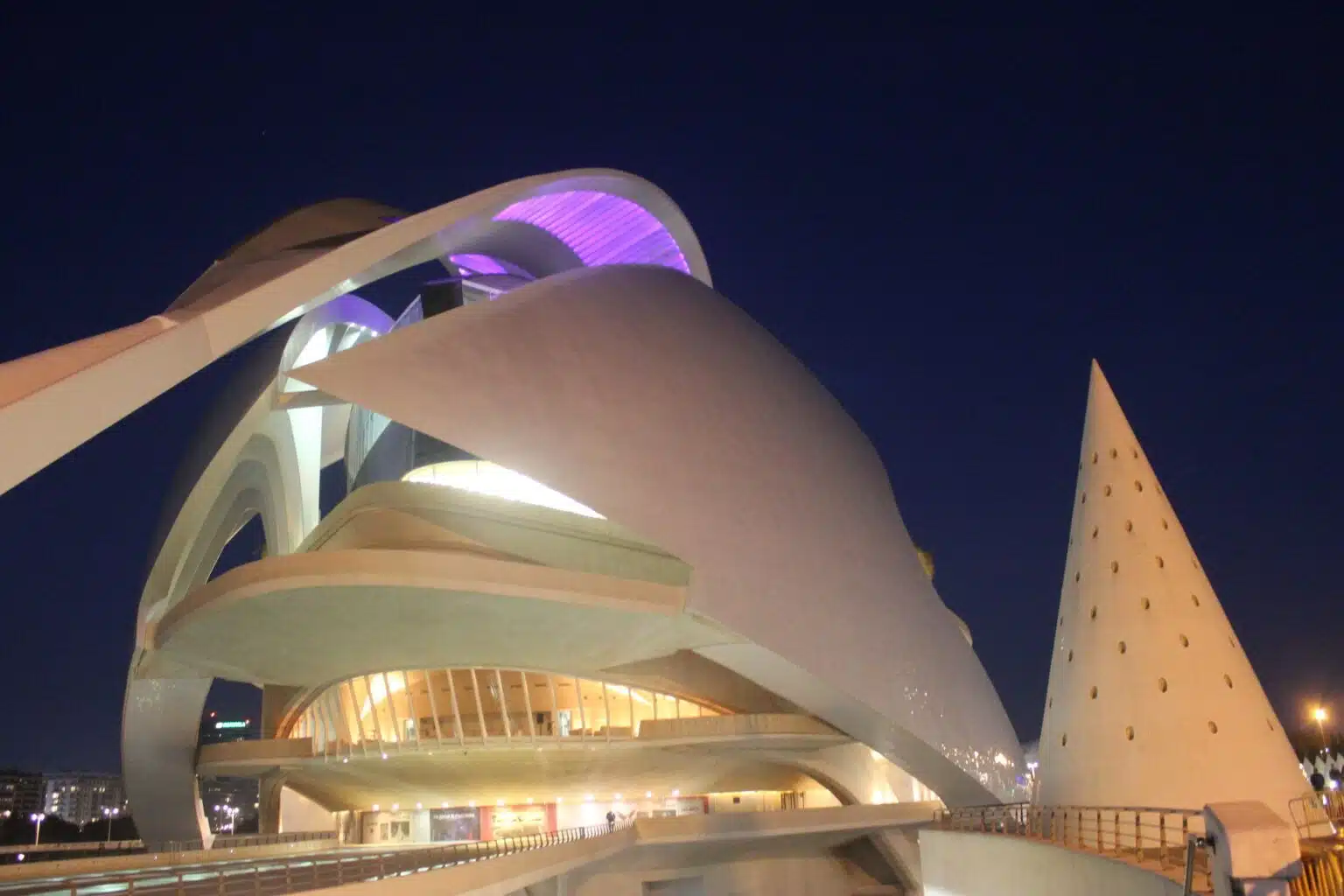
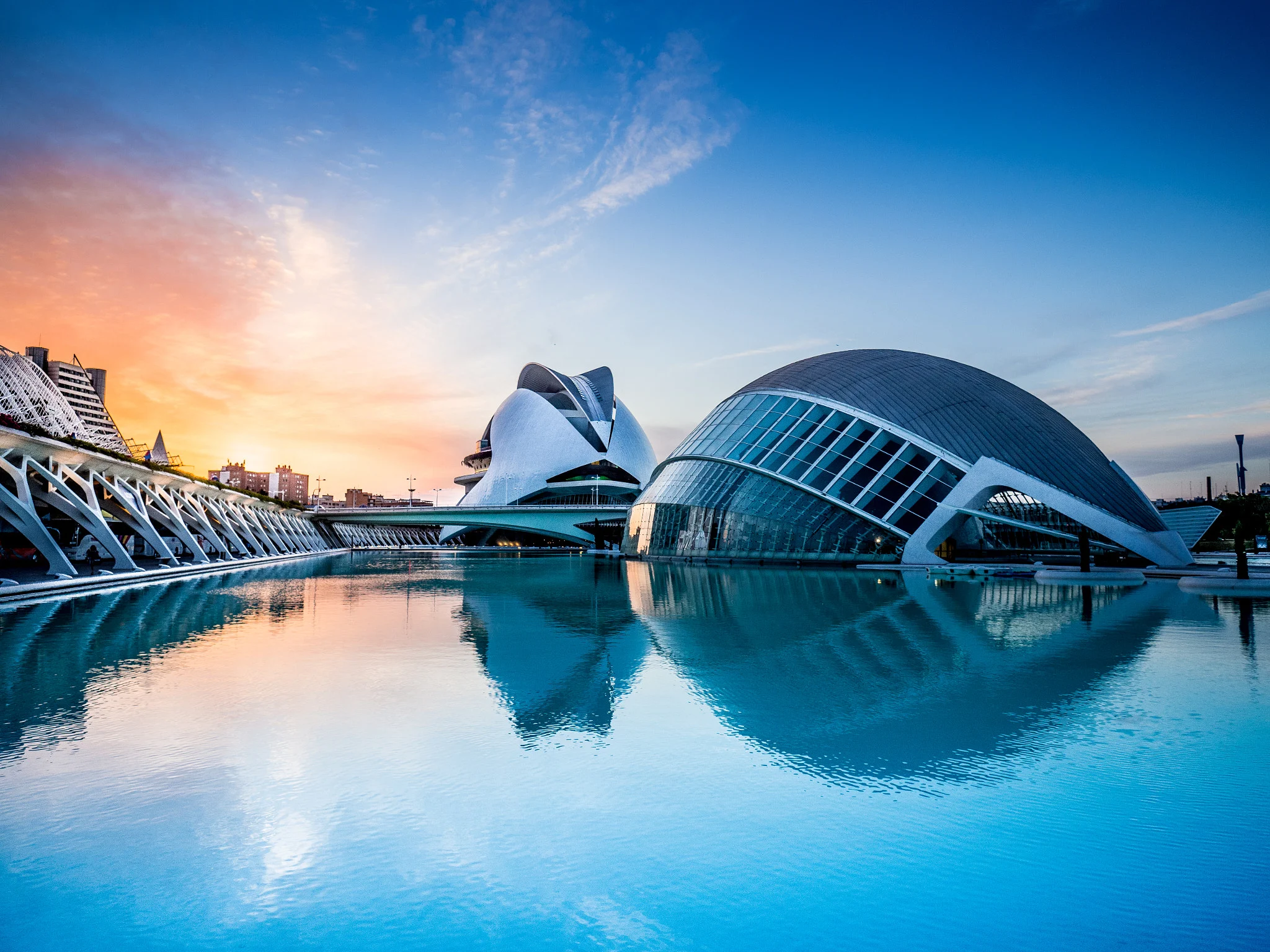
The contrast with the old town is striking and helps explain Valencia’s contemporary identity.
This area is easy to fit into a half-day or full-day weekend plan.
Compare neighbourhoods, city rhythm and course types to find the school that suits you best in Valencia.
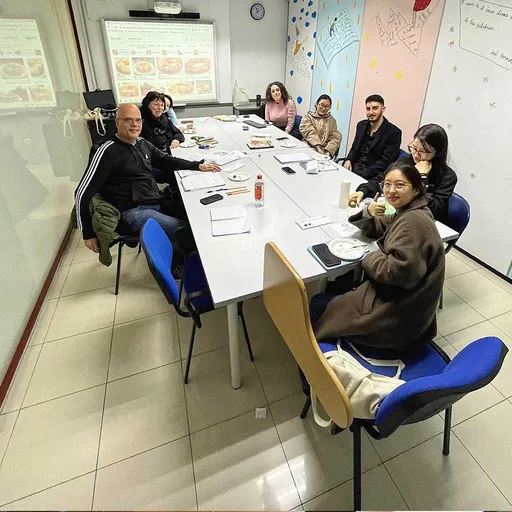
Spring and autumn are usually the most comfortable seasons. If you want to see the city at its most festive, March during Las Fallas is especially memorable.
Overall, Valencia is often easier to manage than Madrid or Barcelona. If you choose less touristy areas, daily costs are usually more balanced.
El Carmen works well if you want history and the centre; Ruzafa if you want atmosphere and cafés; Benimaclet if you prioritise practicality and student life.
Yes. Many schools offer dedicated DELE or SIELE preparation, sometimes combined with a general intensive course.
Quote planner
Answer a few quick questions and choose how you want to continue.
Hi! 👋
We use necessary cookies so the website works properly and, with your permission, analytics or marketing cookies to improve the experience and load external services. Cookie Policy
You can accept all cookies, reject optional ones, or choose category by category.
Cookies required for the website to work properly, remember language preferences, and store your privacy choices.
These help us understand how the website is used so we can improve content, performance, and user experience.
These allow external content, campaign measurement, or third-party services to load only after visitor consent.