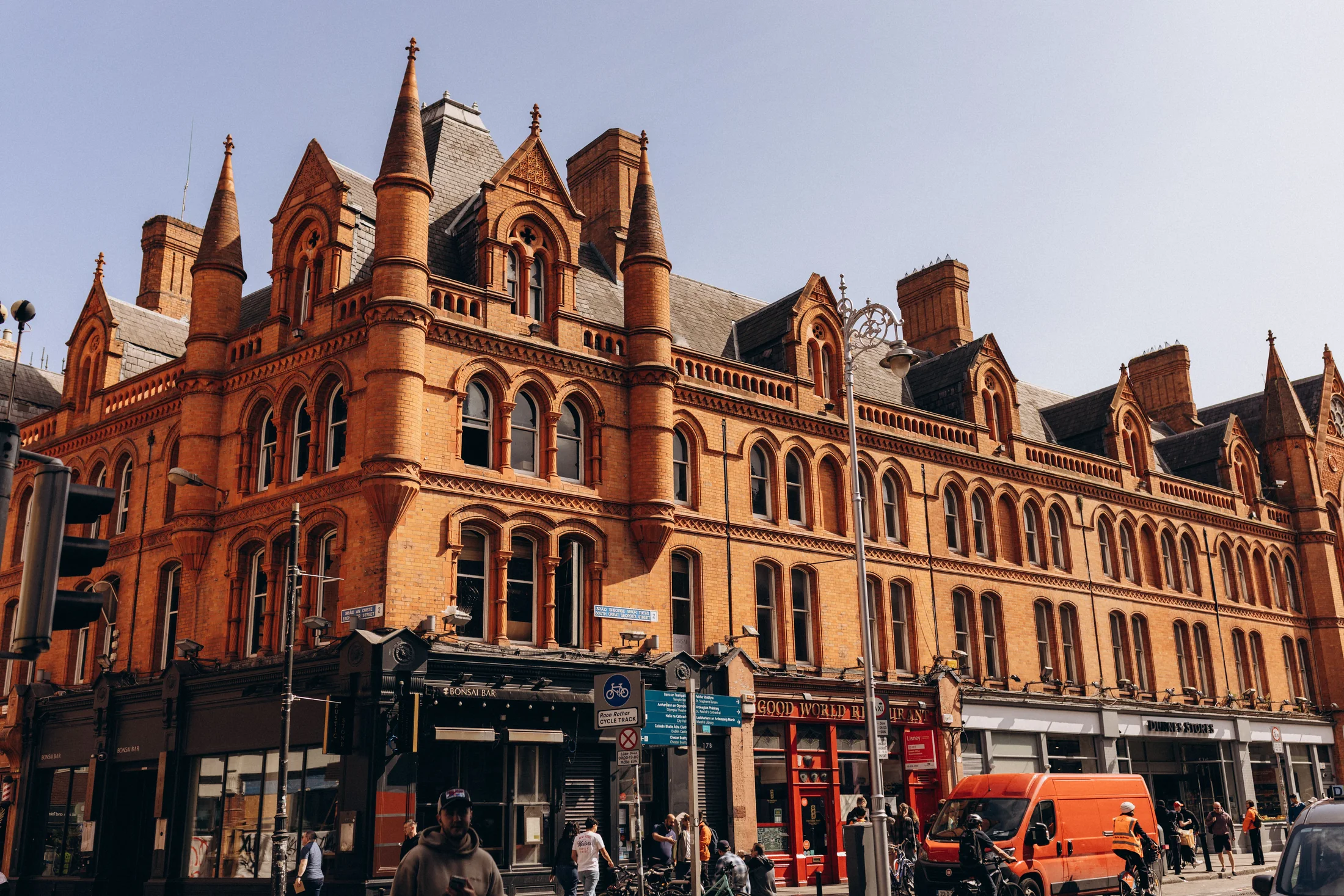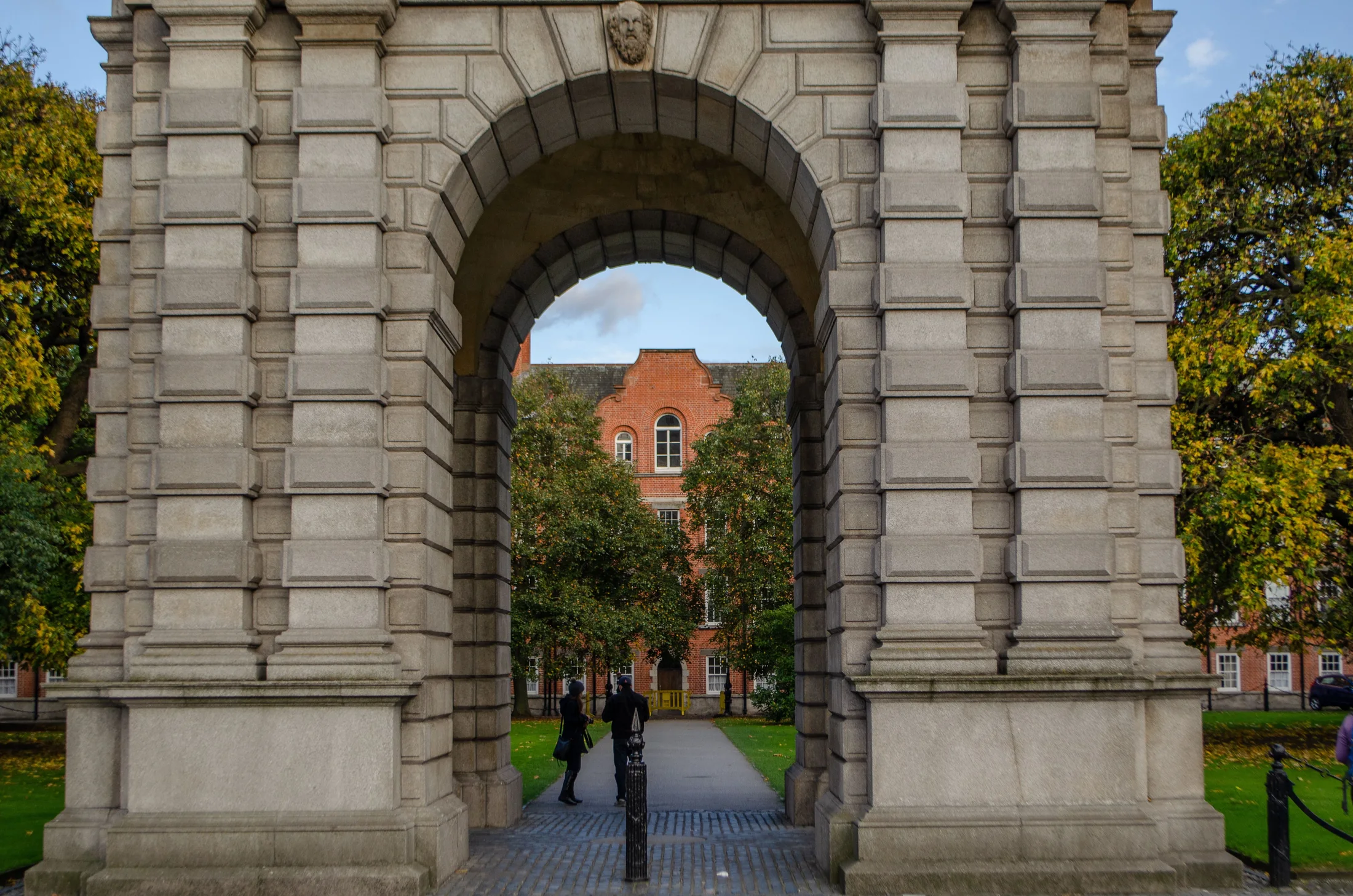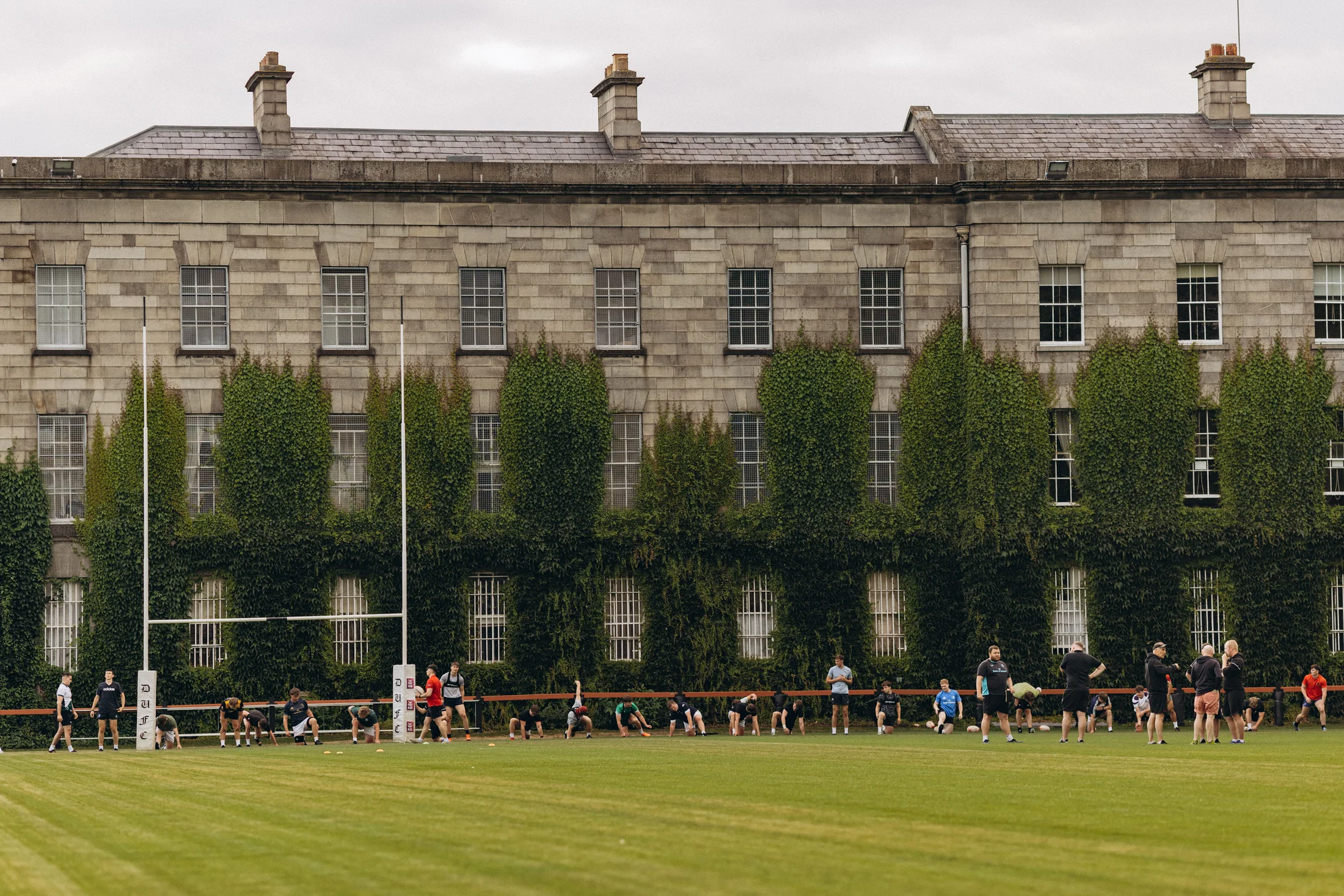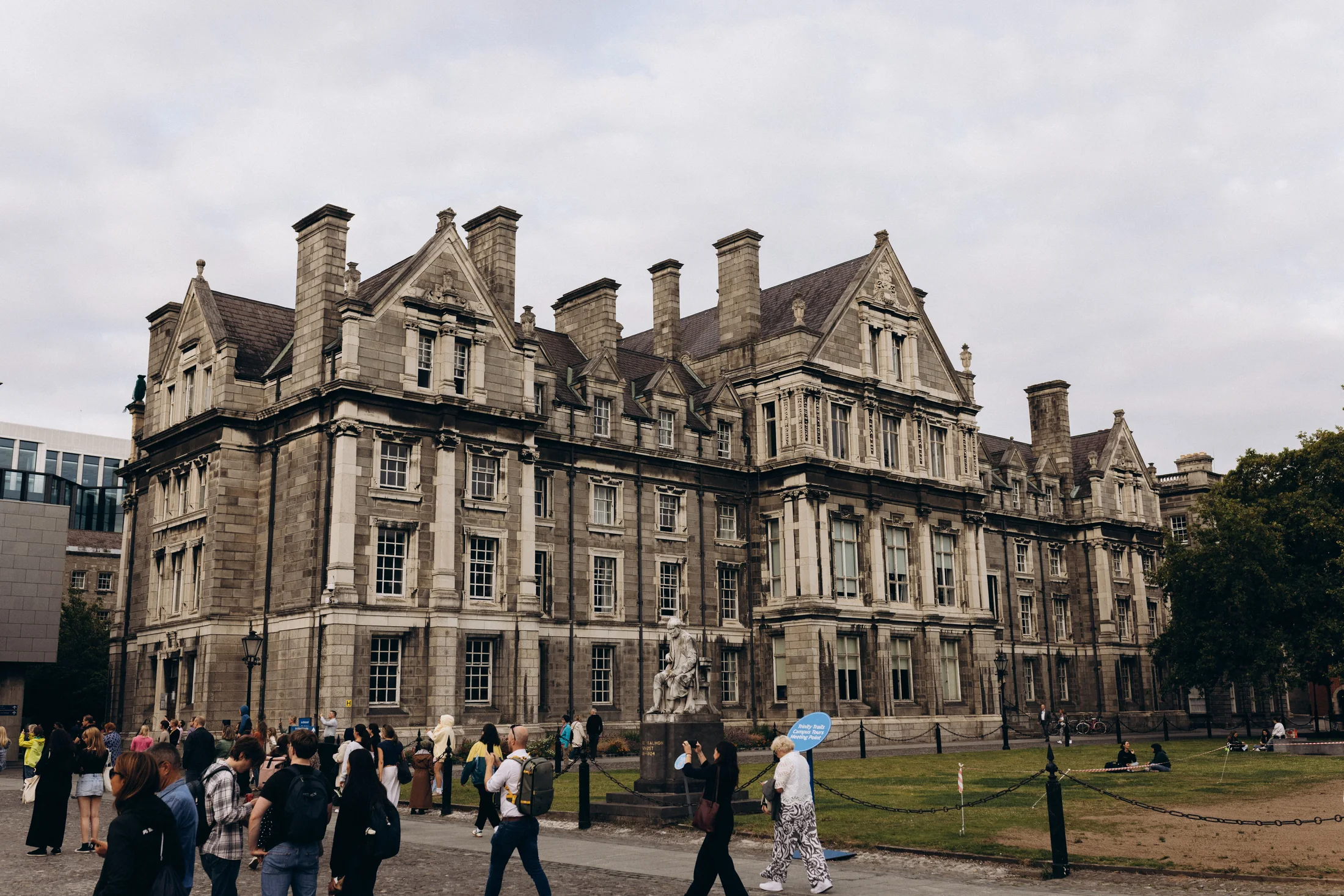
Daily life gives you more chances to use English
If your goal is not only to improve on paper but to bring English into your daily routine, Ireland offers a very useful environment for that.
Tools
Tell us about your plans and we'll help you find the perfect school.
Going to Ireland to study English usually involves more than simply choosing a language school. Course length, accommodation, city, monthly budget, transport and total stay all shape the real experience. This page brings together the main points to consider before choosing a school in Ireland, from the cost of living in Dublin and common accommodation options to the difference between short courses and longer English programmes.
For many students, Ireland is attractive not only because it is an English-speaking country, but because everyday life outside the classroom also becomes part of the learning process. You can use English in class, but also on public transport, in supermarkets, in cafes, in shared accommodation and in after-class activities. At the same time, it is important to know from the start that the cost of living in Ireland, especially accommodation in Dublin, usually requires careful budget planning.
If your goal is not only to improve on paper but to bring English into your daily routine, Ireland offers a very useful environment for that.
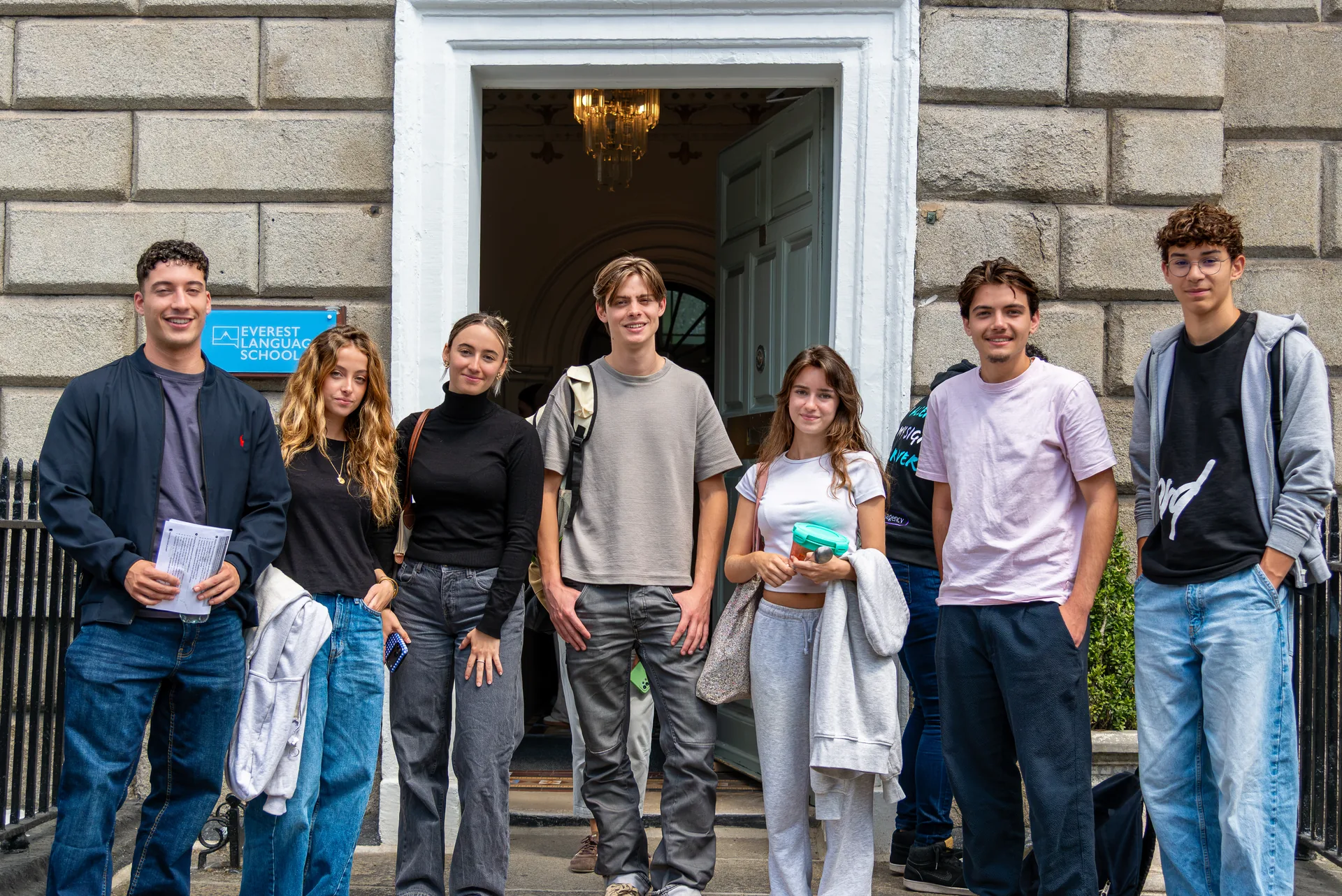
Language schools often bring together students from many countries, so English naturally becomes the shared language of communication.
Some students only want a few weeks, while others consider programmes of 25 weeks or more. Preparation and budgeting are very different in each case.
If you want to combine classes with urban life, weekend trips and nature, Ireland often makes that balance possible.
Many students follow a similar routine: classes for half a day or most of the day, then time for meals, commuting, review, buying essentials or meeting classmates. It is not necessarily exciting every single day, but that is also what makes it feel more real and useful for language practice.
In a city like Dublin, buses, the Luas, supermarkets, cafes and shared housing become part of your normal routine. You also get used to hearing different accents, including Irish English and the English spoken by other international students. Progress still depends on your starting level, course intensity, how much you use English outside class and how long you stay.
Your budget should not focus on tuition alone. Accommodation is usually the biggest expense, and you should also factor in food, transport, mobile costs, insurance and everyday life.
Using Dublin as a reference, actual spending varies depending on the type of accommodation, location, whether meals are included and your personal lifestyle.
This is usually the most variable expense. Room type, area, meals included and deposit requirements can change the total significantly.
Cooking for yourself, eating out and whether your accommodation includes meals can make a big difference to monthly spending.
Living closer to school is not always cheaper, but it can reduce commuting time and transport costs.
It is not the largest expense, but it is still a regular monthly cost, especially for longer stays.
For longer stays, insurance should not be left until the end. It is better planned alongside the course duration.
Coffee, meals out, weekend activities and short trips often explain the gap between a paper budget and real spending.
Accommodation is usually the most variable part of a Dublin budget, so when comparing courses it is worth looking at housing conditions and commuting as well.
Updated: 2026 · Source: Dublin City University (DCU)
Real availability depends on the school, city, travel dates and remaining places, so it is better not to assume that every option will always be available.
This is often a first option for students who want more natural daily contact in English. Even so, it is important to check meals, travel time and whether the household routine suits you.
These options usually offer more independence and easier contact with other international students, but demand is often high and prices can be significant. Deposit and entry conditions matter too.
If flexibility and independence matter to you, a shared flat may be a good fit. Still, it is important to review contract length, deposit, bills and house rules carefully.
Course names, weekly hours, levels and start dates vary from school to school, so the final decision should always rely on each school’s current information.
A common option for students who want to build speaking, listening, reading and writing skills in a balanced way.
Usually suitable for students who want more classroom hours each week, although it also requires more focus and energy.
This tends to suit students with a clear exam goal rather than those simply looking for a first immersion experience.
When the stay is longer, weekly tuition alone is not enough. Attendance, requirements, stable housing and the full budget all matter.
Some schools offer private lessons or add-on classes for students who want to focus on a specific weakness or make faster progress in one area.
Often a good fit for students who want to try an English-speaking environment, use a holiday period well or test whether they enjoy this kind of experience.
This usually allows a more stable study and life routine, but also requires more careful planning for housing, transport and monthly costs.
Longer programmes often involve different immigration or registration rules, so they should not be prepared in the same way as a short stay.
For students who are not nationals of an EEA country or Switzerland, English courses lasting more than 90 days in Ireland must meet the immigration and education rules in force at the time. Based on the current official information used for this guide, eligible long-term English programmes normally last at least 25 weeks and involve at least 15 hours of face-to-face tuition per week, an 85% attendance requirement, an end-of-course examination and student permission that may be granted for up to 8 months.
The safest approach is to check the latest guidance from Irish Immigration Service Delivery, as rules can change and may apply differently depending on nationality and personal circumstances. Before enrolment, we recommend checking the requirements again according to the student's actual situation.
Some students who meet the conditions for Stamp 2 may have limited permission to work, but whether this applies depends on the course, immigration status and regulations in force at the time.
Ireland has an oceanic climate. Temperatures are usually less extreme than in some inland parts of Europe, but fast weather changes, frequent rain and wind are common. For many first-time students, that means an adjustment period.
In practical terms, layered clothing, a waterproof jacket and shoes that can handle wet weather are often more useful than bringing very heavy clothes. Seasonal daylight differences are also noticeable and can affect how daily life feels. For general background, the official information from Met Éireann is a good place to start.
If you usually prefer a dry and stable climate, Ireland may take some getting used to. At the same time, many students remember the natural environment as one of the most distinctive parts of the experience.

You may get sun, wind and rain on the same day, so it helps to pay close attention to the forecast.
Wind can be very noticeable near the coast, so a windproof layer is often more useful than simply wearing thicker clothes.
Rain is possible throughout the year, which makes waterproof outerwear and comfortable walking shoes especially practical.
The contrast between summer and winter daylight hours is significant and can influence the rhythm of daily life.
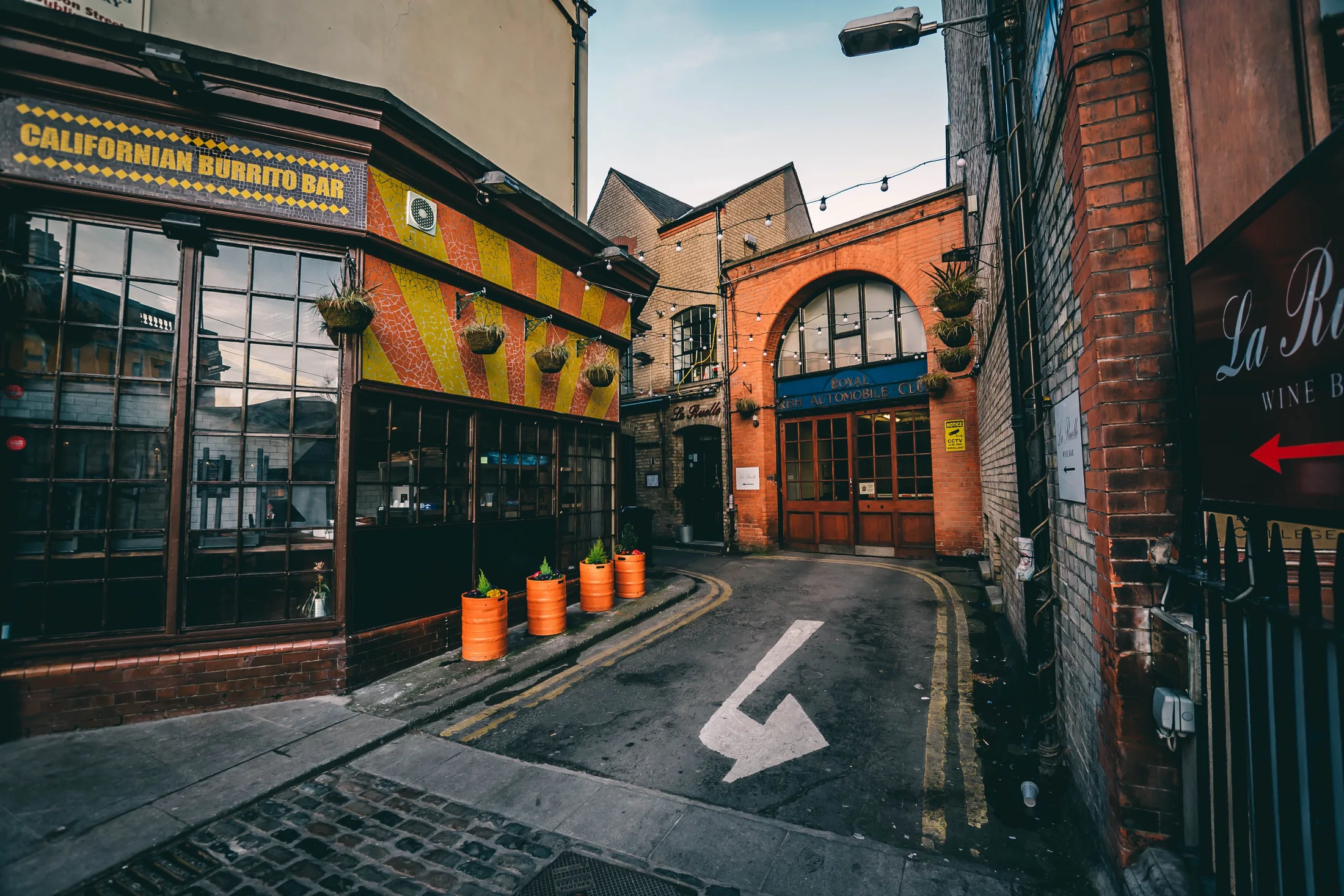
It may be more useful to think of this not as a sightseeing checklist, but as the chance to actually live the place. Dublin neighbourhoods, cafes, live music, coastal walks and weekend plans often become part of the experience.
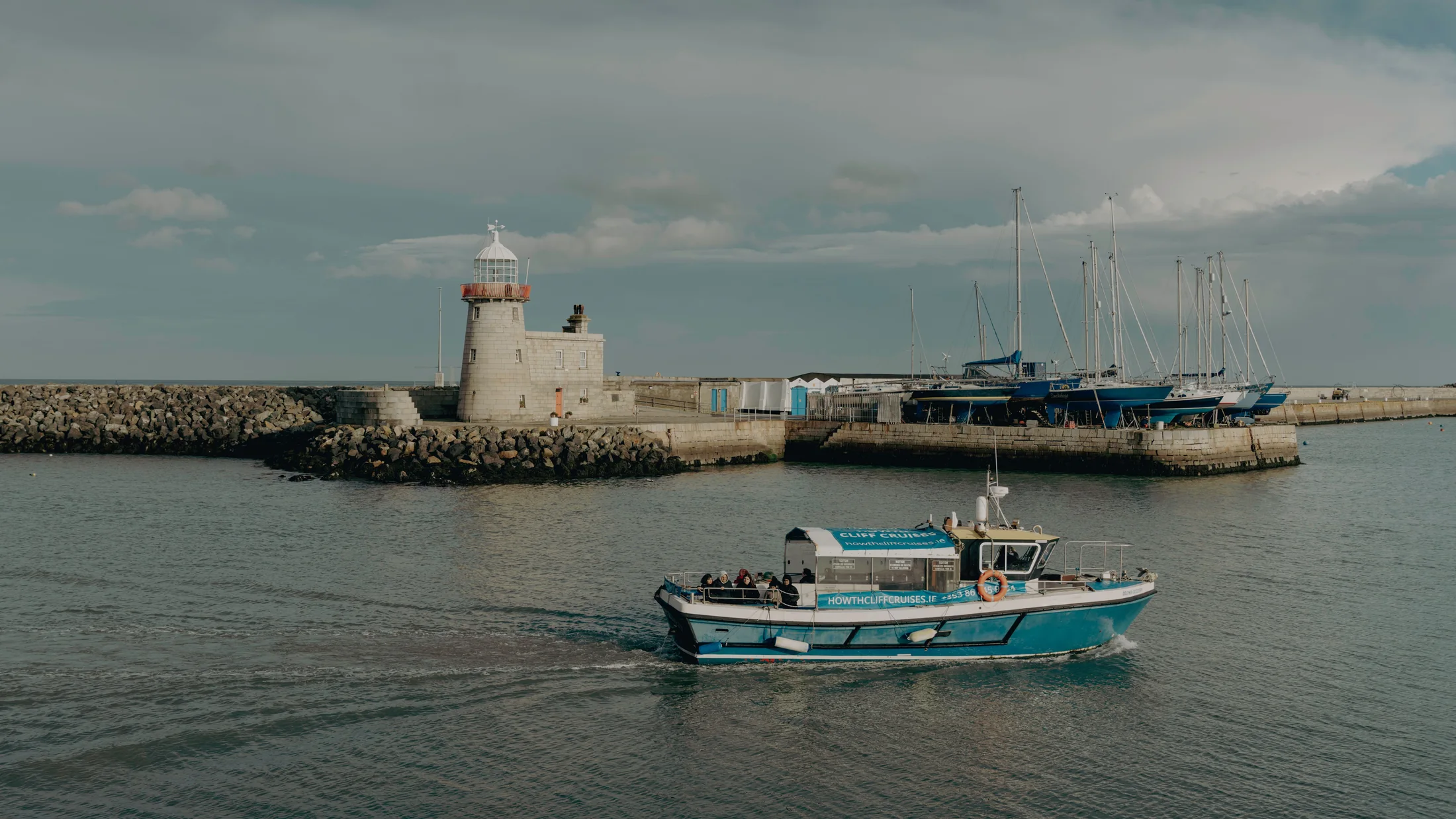
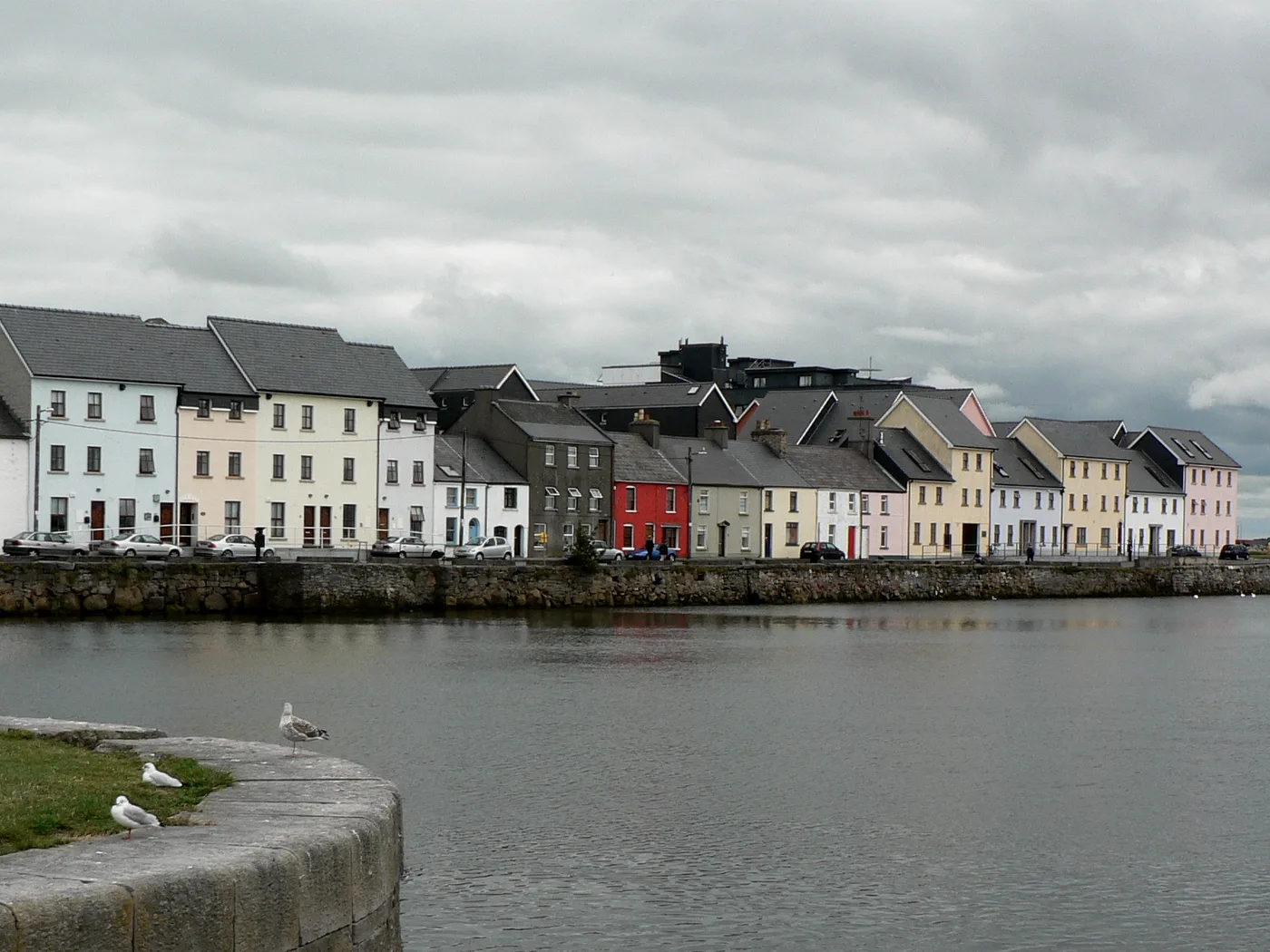
If time allows, many students also visit places such as the Cliffs of Moher, Galway, Cork or other cities. The value is not only in seeing new places, but in continuing to use English in different real-life situations.
Beyond Dublin, other Irish cities differ clearly in cost of living, size, transport and student lifestyle. SoulTripAdventure will continue adding guides so you can compare destinations with the same approach.



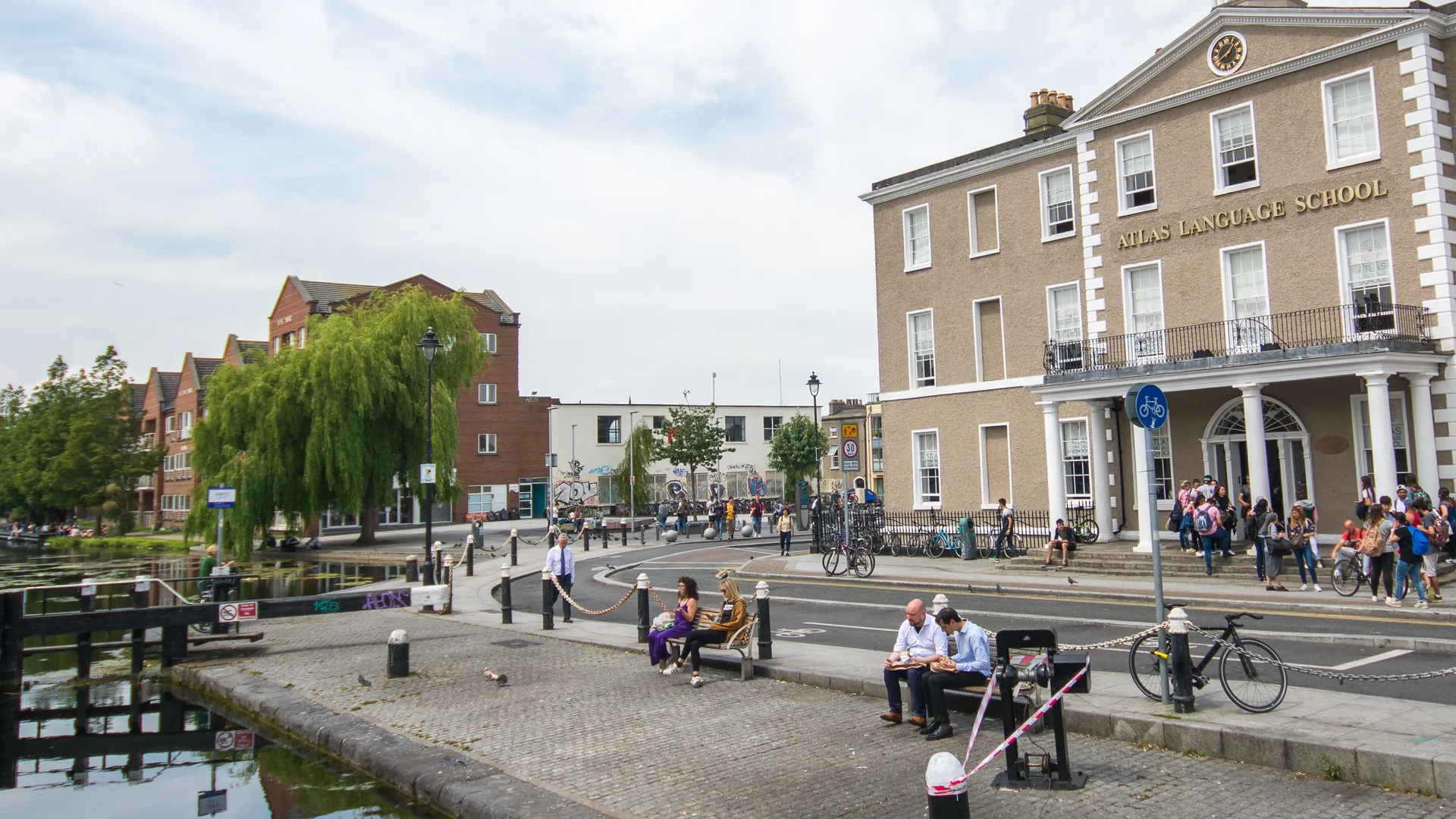
If you have not fully decided on Ireland yet, it can make sense to compare it with other English-learning destinations. Malta offers a very different climate and lifestyle, while Liverpool gives you the experience of studying in a British city.
Still, if your main priority right now is Ireland, Dublin and everyday use of English, it often makes more sense to compare courses, accommodation and budget within the Irish context first.
We do not choose a school based only on city or price. Class hours, accommodation, departure timing, budget and the lifestyle you expect all need to be considered together.
We help you understand pace, class hours and the type of student each option suits before you compare schools.
We review room type, meals, commuting and deposit conditions so you are not looking only at the weekly rate.
We look beyond tuition to include the expenses that usually appear in real student life.
If your stay is longer, we help you organise the important requirements, timing and preparation steps.
These are some of the questions students most often ask when comparing courses, costs and preparation for Ireland.
Yes, although it is important to look carefully at the school and course structure. Many schools offer level-based groups, including beginner options. If you are starting from a very low level, it is especially helpful to confirm start dates, class level and the pace of the first weeks before travelling.
Some students stay only a few weeks, while others stay for several months. Short courses can work well for holidays or a first immersion experience, while stays of 8 to 12 weeks or more usually allow a steadier study routine.
Using Dublin as a reference, Dublin City University (DCU) publishes a 2026/27 sample monthly student budget of around €1,540–€1,940, with accommodation estimated at roughly €800–€1,200. It is useful as a planning guide rather than a fixed amount for every student.
Usually yes. Accommodation is often one of the most expensive and variable parts of the budget. Besides price, it is worth checking location, meals included, travel time, deposit requirements and the type of living arrangement.
If you are not a national of the EEA or Switzerland, this should not be approached in the same way as a short stay. Under current rules, long courses usually involve at least 25 weeks, a minimum of 15 face-to-face hours per week, an 85% attendance requirement and an end-of-course exam. Before enrolling, it is important to confirm the current rules for your nationality, course type and situation.
Yes. Many students compare those destinations before deciding. This landing, however, focuses mainly on Ireland itself, especially Dublin, budgeting, accommodation and overall preparation for an English course there.
Once you have a clearer idea of costs, accommodation and course types, the next step is to compare real schools, timetables, class intensity, housing options and overall costs.
On SoulTripAdventure school pages, we organise the practical information clearly so that you are not relying only on school marketing and can judge which option fits you best.
If you already have an approximate start date, a rough idea of how many weeks you want to study, or your current English level, you can tell us now. We can review course options, accommodation and budget with you before deciding which plan makes the most sense.
The Ireland images used on this page have been downloaded to the local theme and converted to WebP for website use.
Wikimedia Commons images
Quote planner
Answer a few quick questions and choose how you want to continue.
Hi! 👋
We use necessary cookies so the website works properly and, with your permission, analytics or marketing cookies to improve the experience and load external services. Cookie Policy
You can accept all cookies, reject optional ones, or choose category by category.
Cookies required for the website to work properly, remember language preferences, and store your privacy choices.
These help us understand how the website is used so we can improve content, performance, and user experience.
These allow external content, campaign measurement, or third-party services to load only after visitor consent.