Everyday Spanish A1–A2

Speak Spanish naturally in real-life situations

Learning Spanish is not only about memorising vocabulary and grammar. You also need to know how people actually speak in a cafe, at the supermarket, in a restaurant, when asking for directions, or when chatting with friends. This page brings together the most useful everyday situations so you can practise with audio, dialogues, and repetition, and start using Spanish more naturally in real life.

Spanish conversation practice in real-life situations
💬 Everyday Spanish
Speak Spanish naturally in real-life situations

Learning Spanish is not just about memorising vocabulary and grammar. You also need to know what people actually say in a café, a supermarket, a restaurant, or when asking for directions, or when chatting with friends. This page brings together the most common everyday situations, so you can use Spanish in real life through audio, dialogues, and repeated practice.

8 situations Real-life dialogues you can practise from beginner level
Audio + text Listen first, then read, and finally say it out loud yourself
Useful phrases Learn natural expressions commonly heard in everyday life in Spain
Student practising Spanish in everyday situations in Spain
🎧 Recommended practice method First listen to the full audio, then read the dialogue, and finally repeat it while copying the intonation.

Why learn real-life Spanish?

Many students learn Spanish grammar but still do not know what to say when they actually need to speak. In real life, what you need is not one isolated grammar point but the ability to understand, respond, and express yourself naturally in specific situations. This page is designed to help you take Spanish out of the textbook and into the situations you are likely to face every day.

Who is this page for?

If you are studying Spanish, preparing to live or study in Spain, or planning a trip, or simply want to interact more naturally in Spanish, this page is for you. The content is especially useful for beginners and lower-intermediate learners because every dialogue focuses on practical, simple, and realistic language.

How to use this page effectively

  • Do not look at the text first. Listen to the full audio once.
  • Then read the dialogue and understand the meaning and use of each line.
  • Read it aloud with the audio and copy the intonation, rhythm, and pauses.
  • Listen one more time at the end and compare yourself with the original audio.

What will you find in each situation?

  • An image that helps you step into the situation more quickly.
  • A full dialogue audio track that you can replay as often as you need.
  • The written dialogue to read and follow along.
  • Useful phrases and short cultural notes to help you sound more natural.

The most common Spanish situations in daily life

From ordering a coffee and asking for directions to taking a bus or introducing yourself in class, the situations below reflect the kinds of real conversations you are most likely to have when living, travelling, or studying in Spain.

Spanish dialogue for ordering in a café
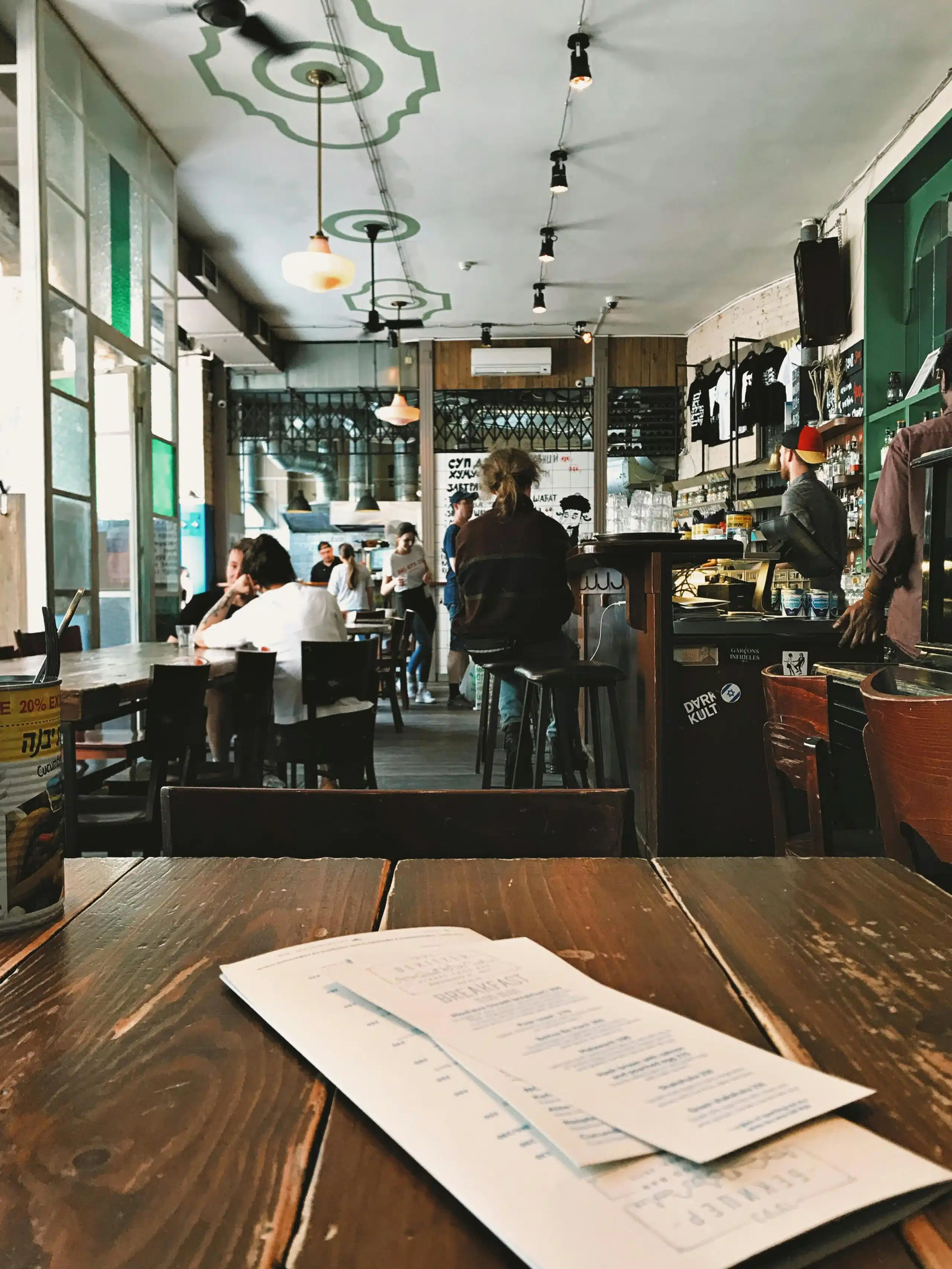
☕ In a café

Order drinks and breakfast naturally

Beginner level

In cafés in Spain, many common expressions are not exactly the same as the ones you see in textbooks. This situation helps you learn how to order coffee, toast, or other breakfast items in a more natural way.

Dialogue audio
It is best to listen to the full audio before reading
Dialogue text
Staff
Hola, ¿qué te pongo?
Customer
Un café con leche y una tostada, por favor.
Staff
¿Para aquí o para llevar?
Customer
Para aquí.
Staff
Muy bien. ¿Algo más?
Customer
No, nada más. Gracias.


Useful phrases

¿Qué te pongo? Un café con leche, por favor. ¿Para aquí o para llevar? Nada más, gracias.

Practical note

In Spain, ¿Qué te pongo? is a very common phrase in cafés, roughly meaning “What would you like?”, but with a more everyday and more natural tone.

Spanish situation for asking about products and paying in a supermarket
🛒 In a supermarket

Ask where products are and how to pay

Beginner level

The Spanish you use most often in a supermarket usually involves finding products, asking where they are, checking whether something is available, and paying at the till.

Dialogue audio
After listening, try replacing the product names yourself
Dialogue text
Customer
Perdona, ¿dónde está la leche?
Staff
Al fondo, a la derecha.
Customer
Gracias. Ah, y una cosa, ¿tenéis pan integral?
Staff
Sí, está en la sección de panadería.
Cashier
Son doce euros con cuarenta.
Customer
Vale, pago con tarjeta.

Useful phrases

¿Dónde está...? ¿Tenéis...? Pago con tarjeta. Perdona.

Practical note

Perdona is often used to start a question to a stranger or a staff member, and it sounds natural and polite.

Spanish situation for asking about sizes and trying on clothes
👕 In a clothes shop

Ask about size, try things on, and buy them

Beginner level

This situation helps you ask about sizes and try on clothes more naturally in a shop, and also express that you want to buy a specific item.

Dialogue audio
Great for role-play practice
Dialogue text
Staff
Hola, ¿te puedo ayudar?
Customer
Sí, estoy buscando una camiseta blanca.
Staff
¿Qué talla necesitas?
Customer
Una mediana.
Staff
Aquí tienes.
Customer
Gracias. ¿Me la puedo probar?
Staff
Sí, claro. El probador está al fondo.
Customer
Me la llevo.

Useful phrases

Estoy buscando... ¿Qué talla necesitas? ¿Me la puedo probar? Me la llevo.

Practical note

Me la llevo is a very natural way to say “I’ll take this one.”

Spanish dialogue for ordering and paying in a restaurant
🍽️ In a restaurant

Order, answer the waiter, and ask for the bill

Beginner level

In a restaurant, you will often need to order, confirm what you want to eat, or ask for the bill at the end.

Dialogue audio
Replay it to get used to common restaurant phrases
Dialogue text
Waiter
Buenas tardes, ¿ya sabéis qué vais a tomar?
Customer
Sí, para mí una paella y agua, por favor.
Waiter
Perfecto. ¿Y de segundo?
Customer
Nada más.
Customer
Perdona, ¿me traes la cuenta cuando puedas?
Waiter
Sí, ahora mismo.

Useful phrases

Para mí... ¿Qué vais a tomar? La cuenta, por favor. Cuando puedas.

Practical note

La cuenta, por favor. is one of the most common and natural ways to ask for the bill in Spain.

Spanish situation for asking for directions in the street
📍 When asking for directions

Ask for directions and understand the answer

Beginner level

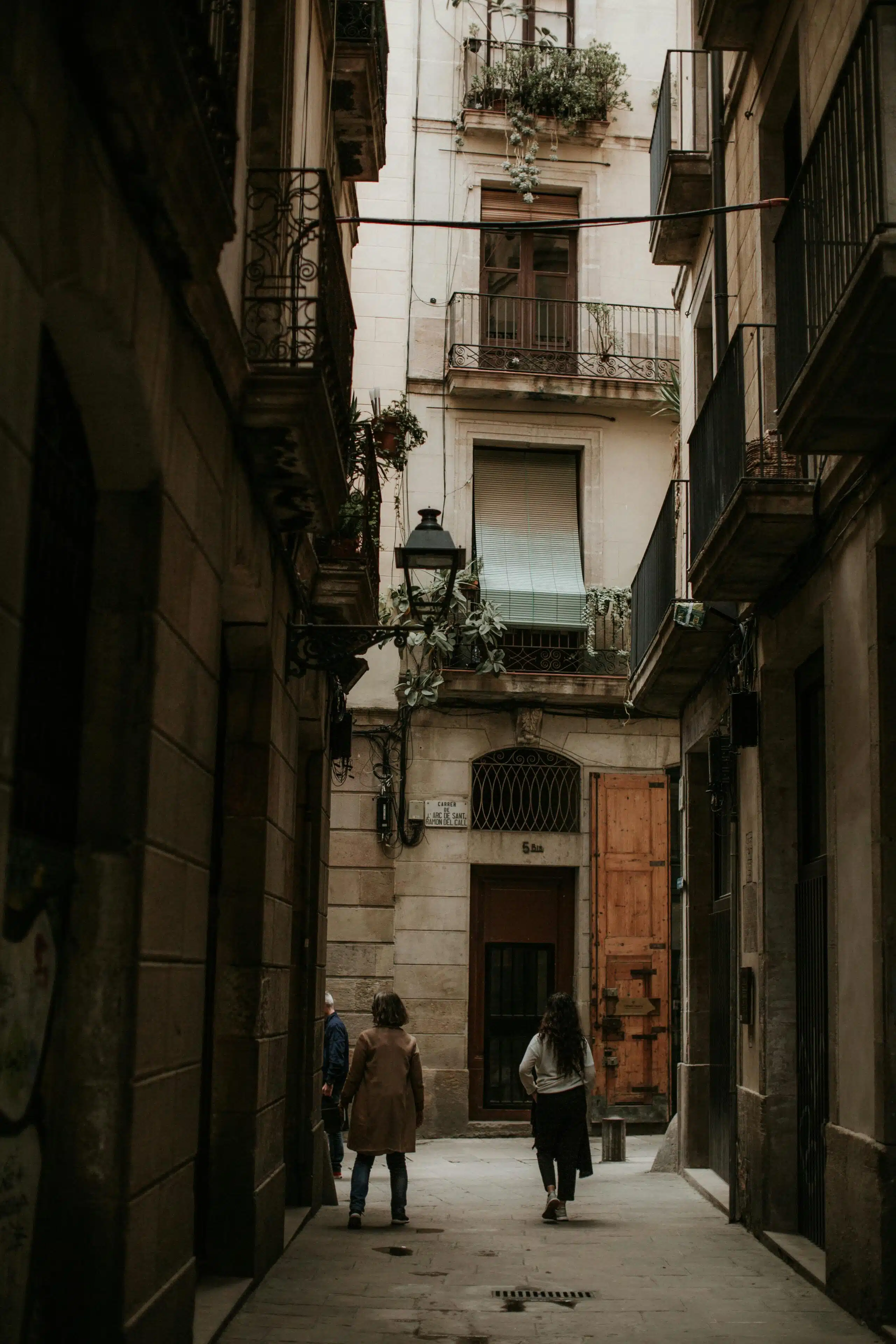
Asking for directions is one of the situations many students face most often when they first arrive in Spain, and it is also a perfect context for practising direction and location vocabulary.

Dialogue audio
You can repeat it together with direction vocabulary
Dialogue text
Person A
Perdona, ¿para ir al centro?
Person B
Sigue recto y gira a la izquierda en el semáforo.
Person A
¿Está muy lejos?
Person B
No, son unos diez minutos andando.
Person A
Perfecto, muchas gracias.
Person B
De nada.

Useful phrases

¿Para ir a...? Sigue recto. Gira a la izquierda. ¿Está muy lejos?

Practical note

Starting with Perdona when asking for directions makes the whole exchange sound more natural and polite.

Spanish situation for taking the bus or the metro
🚌 Using public transport

Ask about the route, the stop, and where to get off

Beginner level

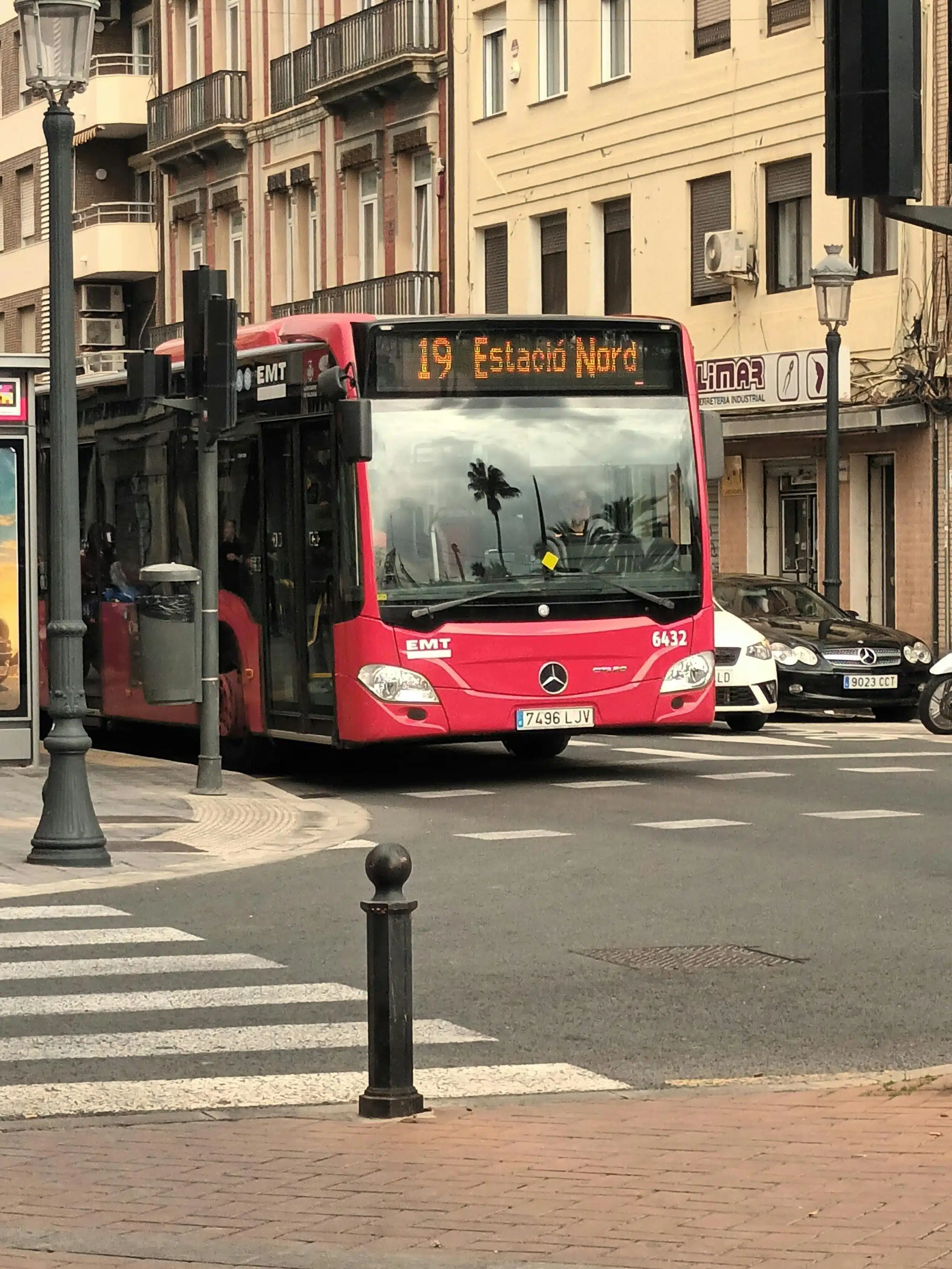
If you are taking a bus, metro, or train in Spain, these phrases will be very useful, especially when you still do not know the routes well.

Dialogue audio
It is worth listening several times to get used to transport-related phrases
Dialogue text
Passenger
Hola, ¿este autobús va al centro?
Driver
Sí, pero tarda un poco.
Passenger
Vale. ¿Dónde me bajo para la Plaza Mayor?
Driver
En la tercera parada.
Passenger
Perfecto, gracias.
Driver
De nada.

Useful phrases

¿Este autobús va a...? ¿Dónde me bajo? La tercera parada. Gracias.

Practical note

In transport contexts, bajarse is used for getting off a bus, the metro, or a train.

Situation for introducing yourself in a Spanish class
📚 In class

Introduce yourself and handle basic classroom talk

Beginner level

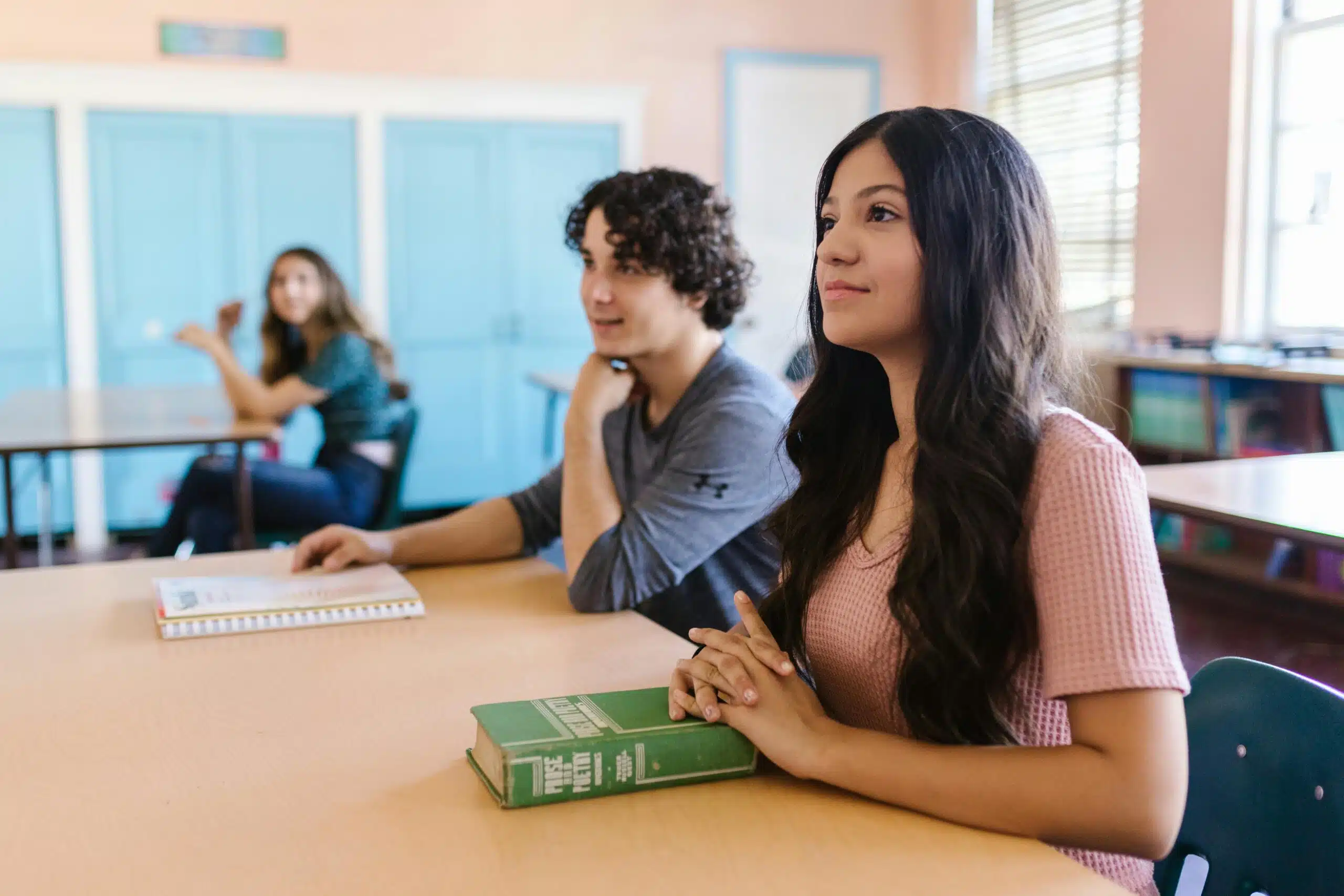
For students about to start at a Spanish language school, the first class usually involves introducing yourself and meeting the teacher and classmates.

Dialogue audio
Very useful to practise before arriving in Spain
Dialogue text
Teacher
Hola, ¿eres nuevo en la clase?
Student
Sí, es mi primer día.
Teacher
¿Cómo te llamas?
Student
Me llamo Daniel.
Teacher
Encantado. ¿De dónde eres?
Student
Soy de Taiwán.
Teacher
Muy bien, bienvenido.

Useful phrases

Es mi primer día. Me llamo... Soy de... Encantado / Encantada.

Practical note

These phrases are especially practical for students who have just arrived at a language school in Spain, particularly on the first day of class.

Spanish situation for chatting naturally with friends
🗣️ Talking with friends

A more natural everyday way of chatting

Beginner to lower-intermediate

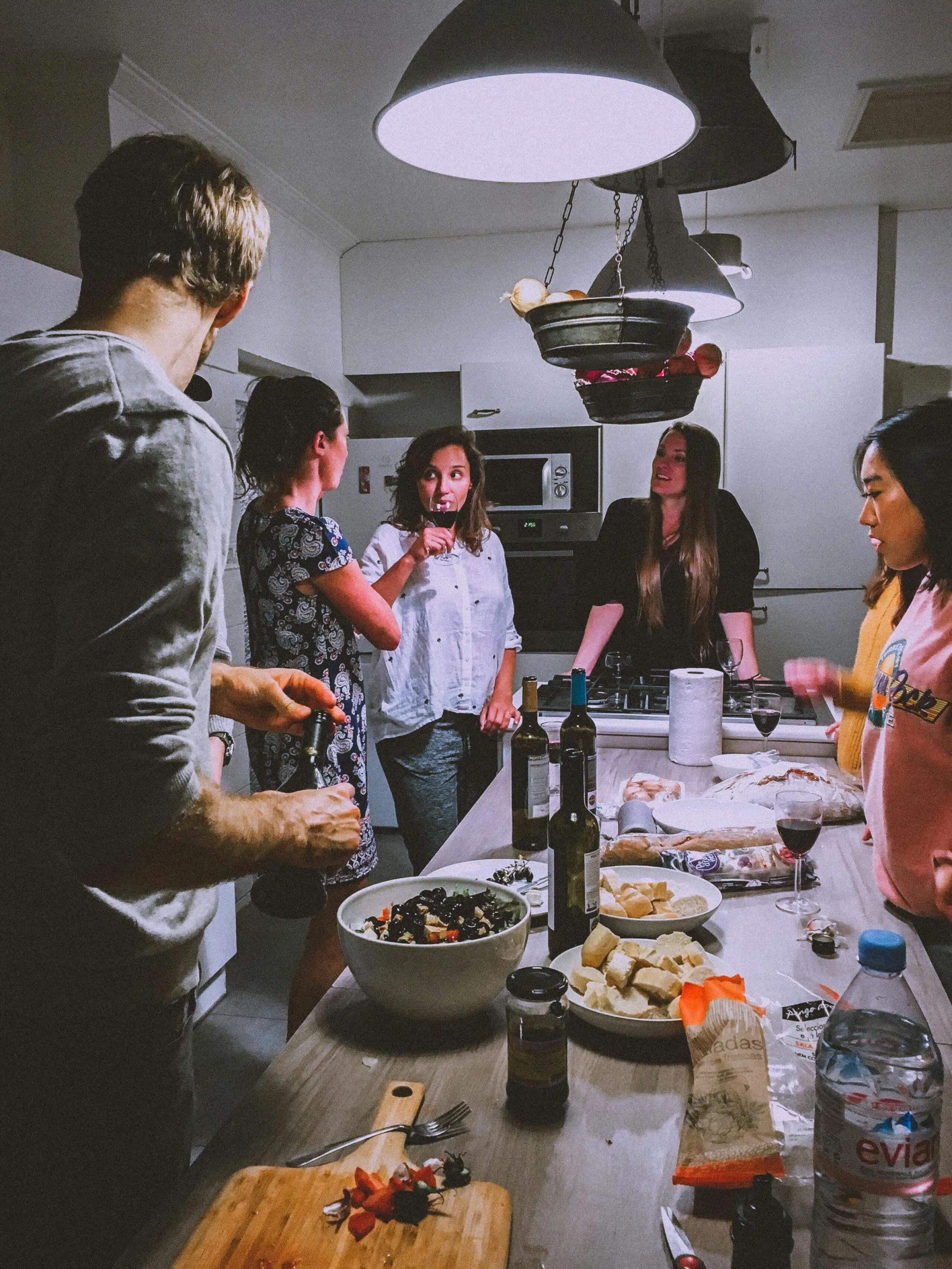
Beyond shopping and asking for directions, truly fitting into everyday life also means being able to chat, respond, and invite people naturally. This situation helps you practise a tone that is closer to real-life interaction.

Dialogue audio
Good for practising more natural rhythm and intonation
Dialogue text
Friend A
Hola, ¿qué tal?
Friend B
Bien, ¿y tú?
Friend A
Bien también. Oye, ¿te apetece tomar algo luego?
Friend B
Sí, claro. ¿A qué hora?
Friend A
Sobre las seis, si te va bien.
Friend B
Perfecto.

Useful phrases

¿Qué tal? ¿Te apetece...? ¿A qué hora? Si te va bien.

Practical note

This type of conversation is more colloquial than shopping or directions dialogues, and it helps much more with getting used to the way people in Spain actually interact.

Keep practising more real-life Spanish

If you want to live, travel, or study in Spain more naturally, it is essential to keep exposing yourself to Spanish used in real situations. You can also explore our other Spanish learning pages, so that you gradually build your ear, your understanding, and your confidence when speaking.