Mediterranean lifestyle
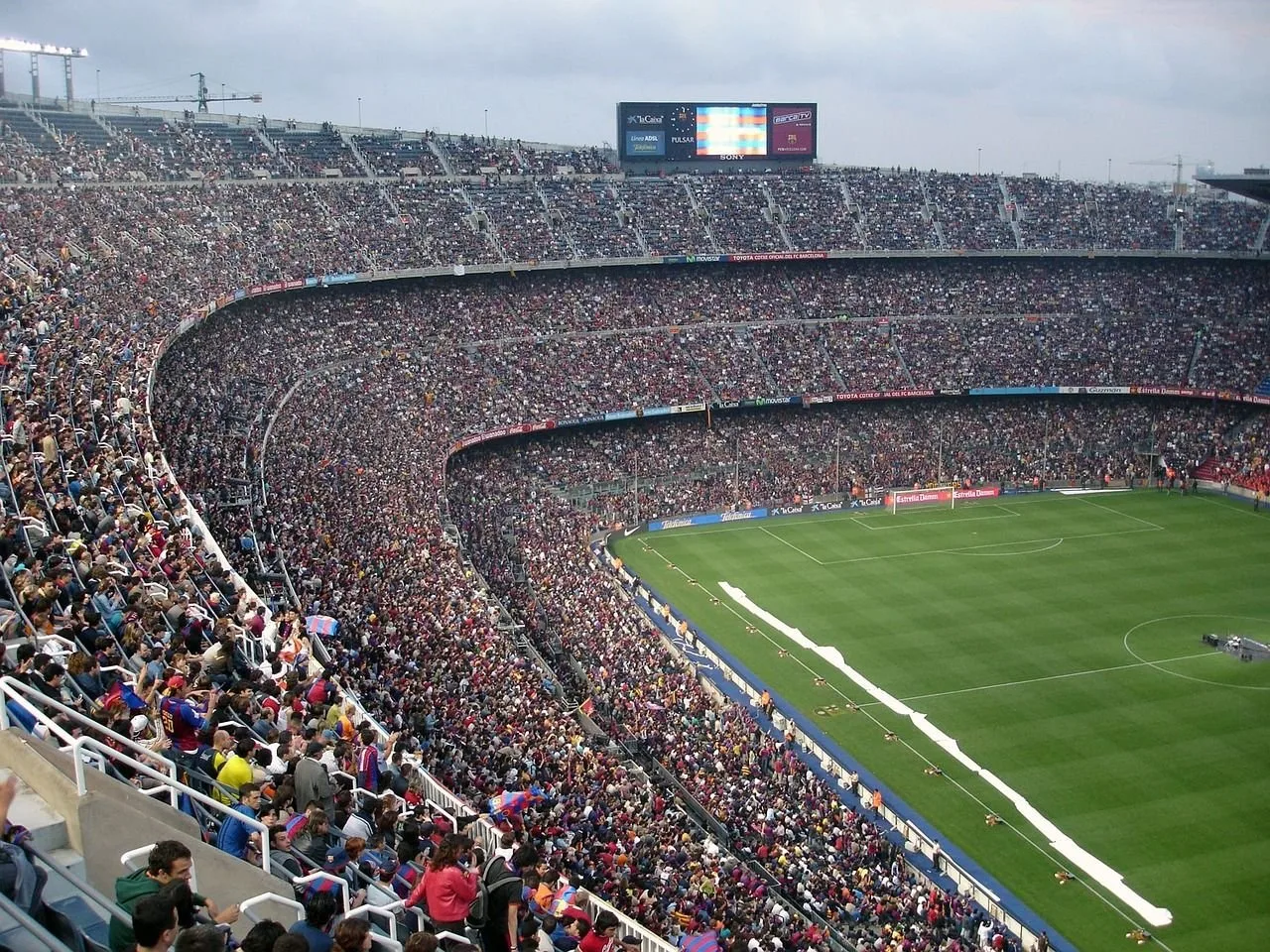
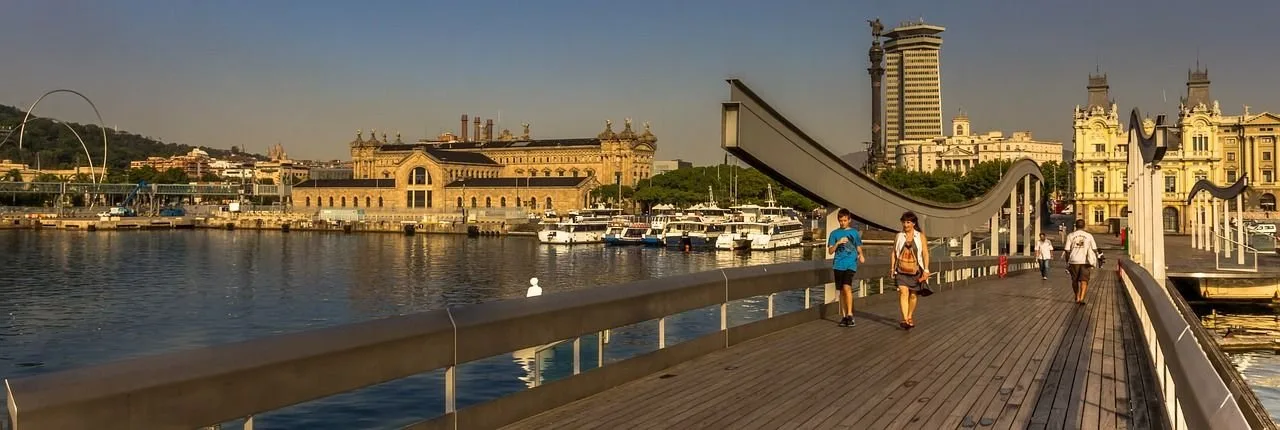
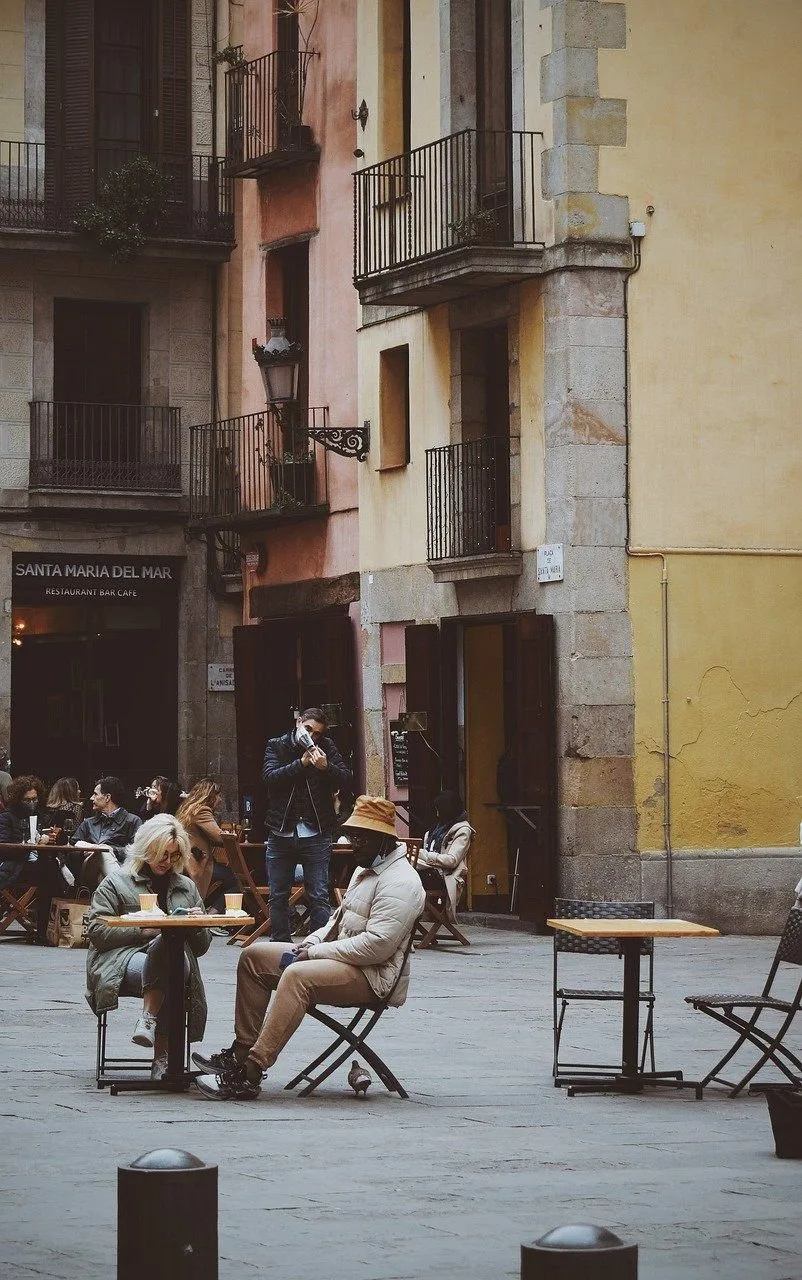
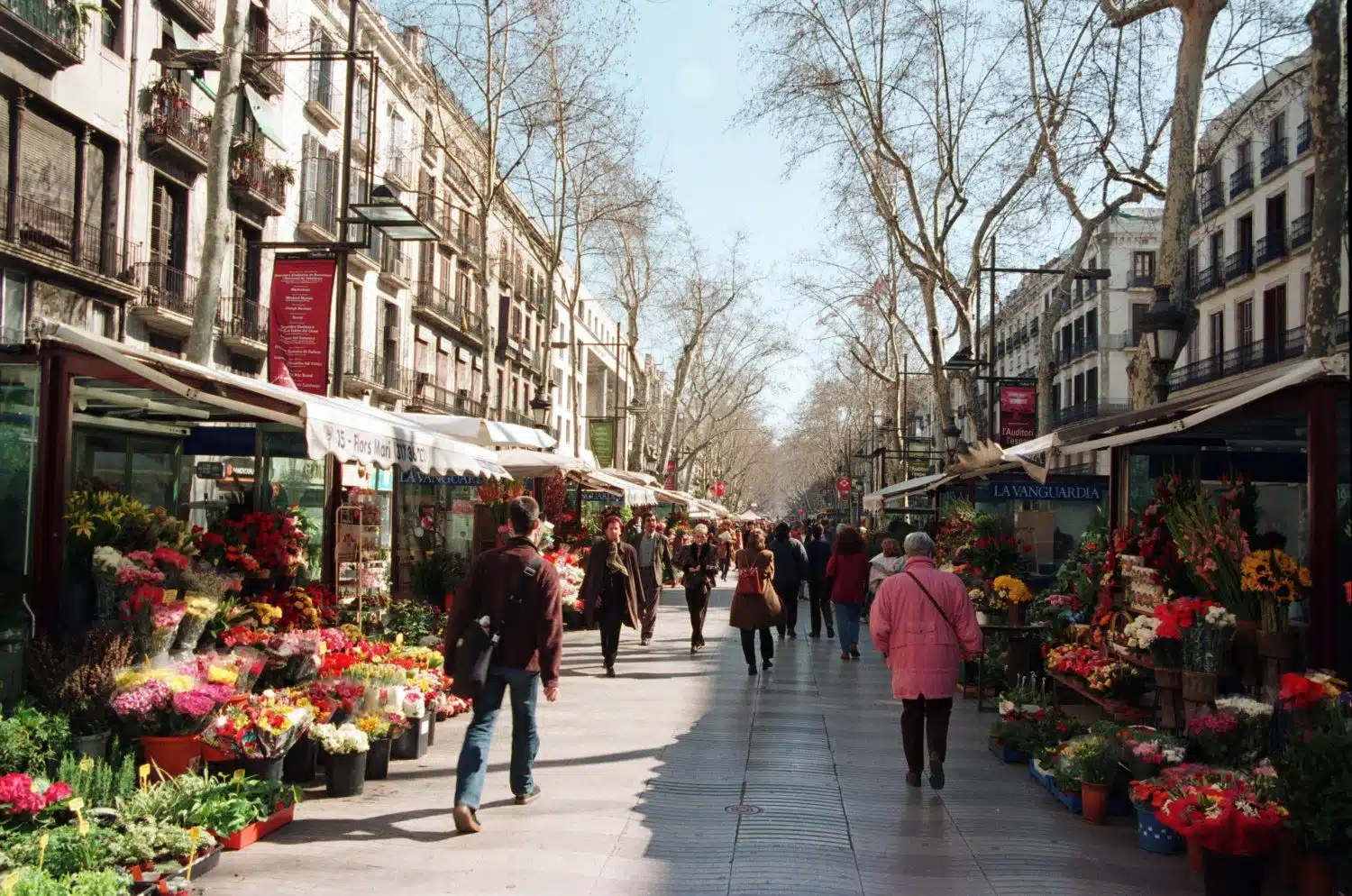
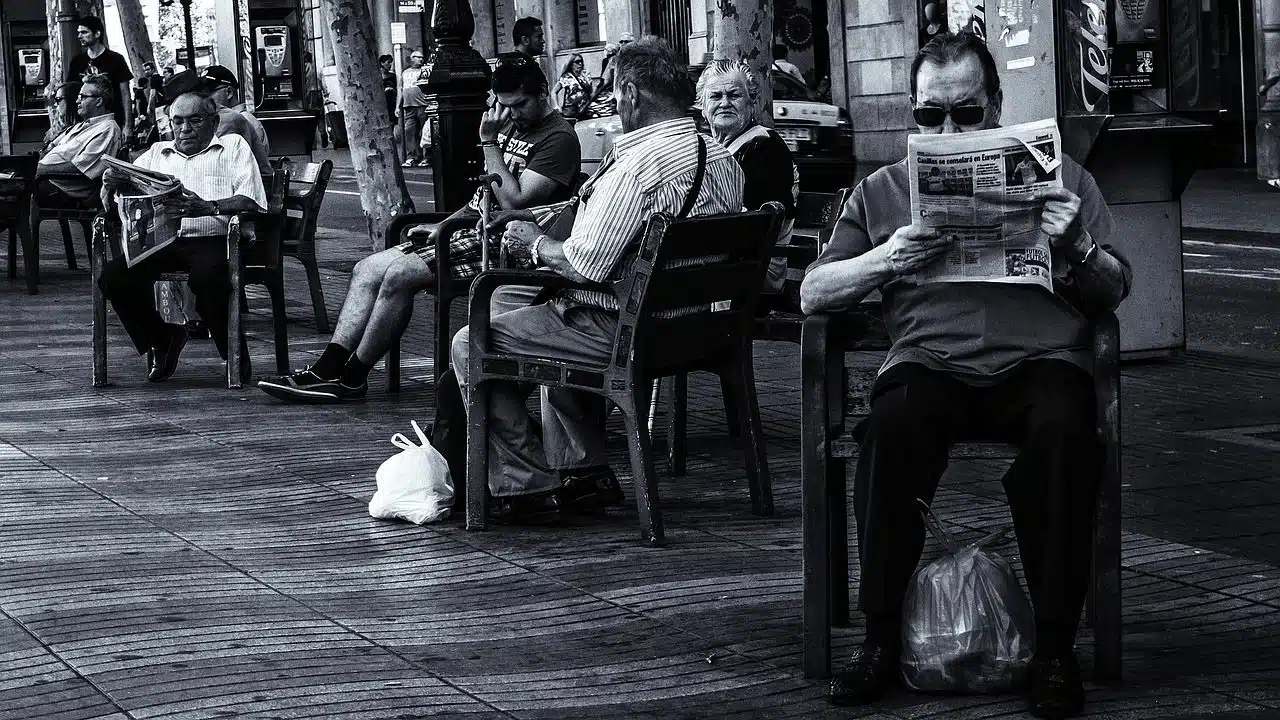
Beaches, mild weather and outdoor living make studying in Barcelona more than just learning a language: it is a chance to experience daily life in Spain.
Tools
Tell us about your plans and we'll help you find the perfect school.
Sunshine, Gaudí architecture, distinctive neighbourhoods and a Mediterranean lifestyle make Barcelona one of the best places to study Spanish in Spain. You can explore the Gothic Quarter, enjoy local life in Gràcia and relax by the sea while improving your Spanish. With SoulTripAdventure, you can find the right Spanish language school in Barcelona and enjoy a full immersion experience, improving your language skills through daily communication, cultural activities and international student life in one of Spain’s most vibrant cities.
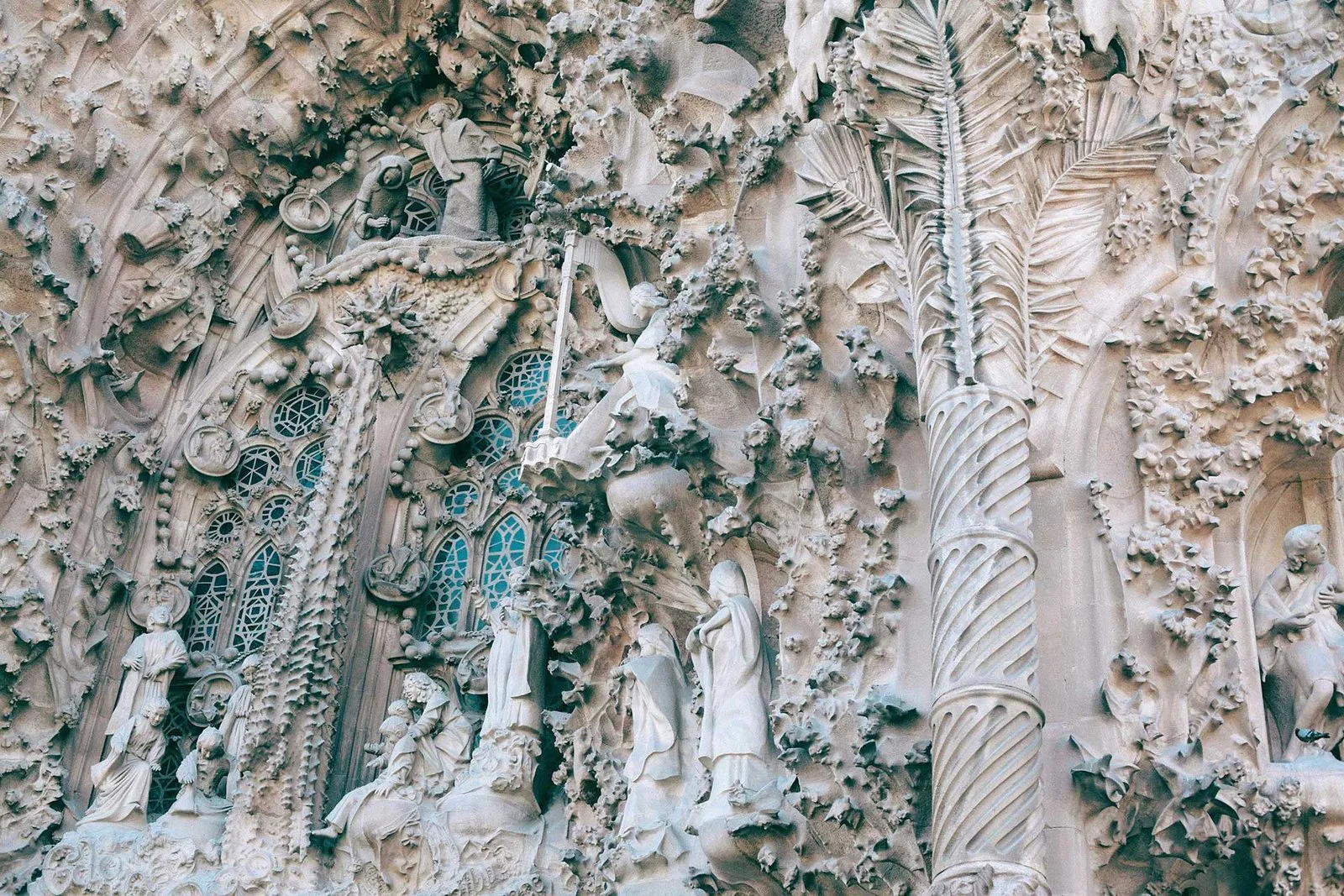
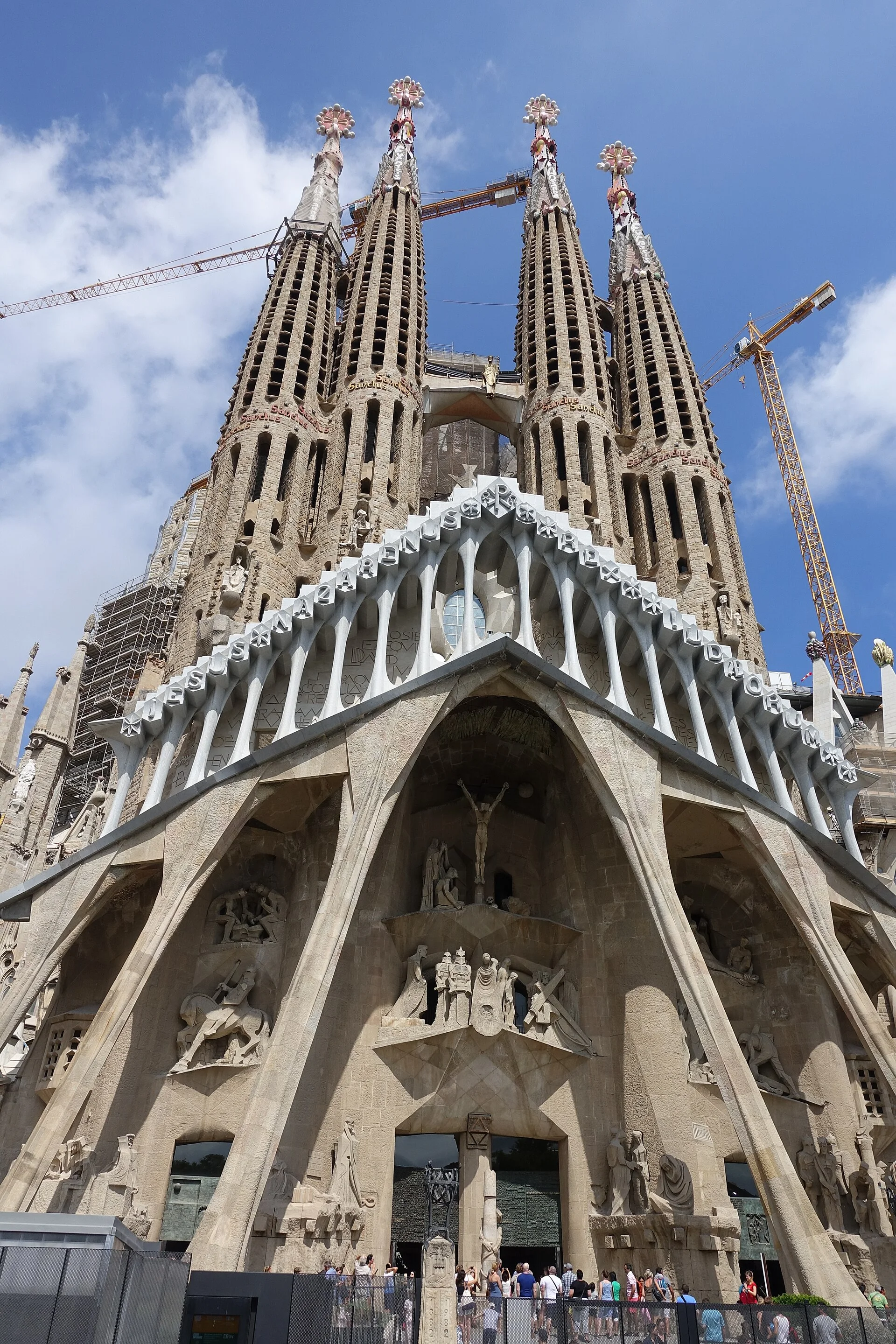
If you are planning to study Spanish in Barcelona or compare different Spanish language schools in Barcelona, this city is one of the most popular choices for international students coming to Spain. Barcelona combines sunshine, beaches and a Mediterranean lifestyle with rich history, a strong cultural identity and a creative urban energy. From ancient Roman Barcino to today’s open, international and deeply local Barcelona, the city has always had a unique personality. Just like the Sagrada Família, started in 1882 and still being completed, Barcelona represents dedication, culture and vitality.
Beaches, mild weather and outdoor living make studying in Barcelona more than just learning a language: it is a chance to experience daily life in Spain.
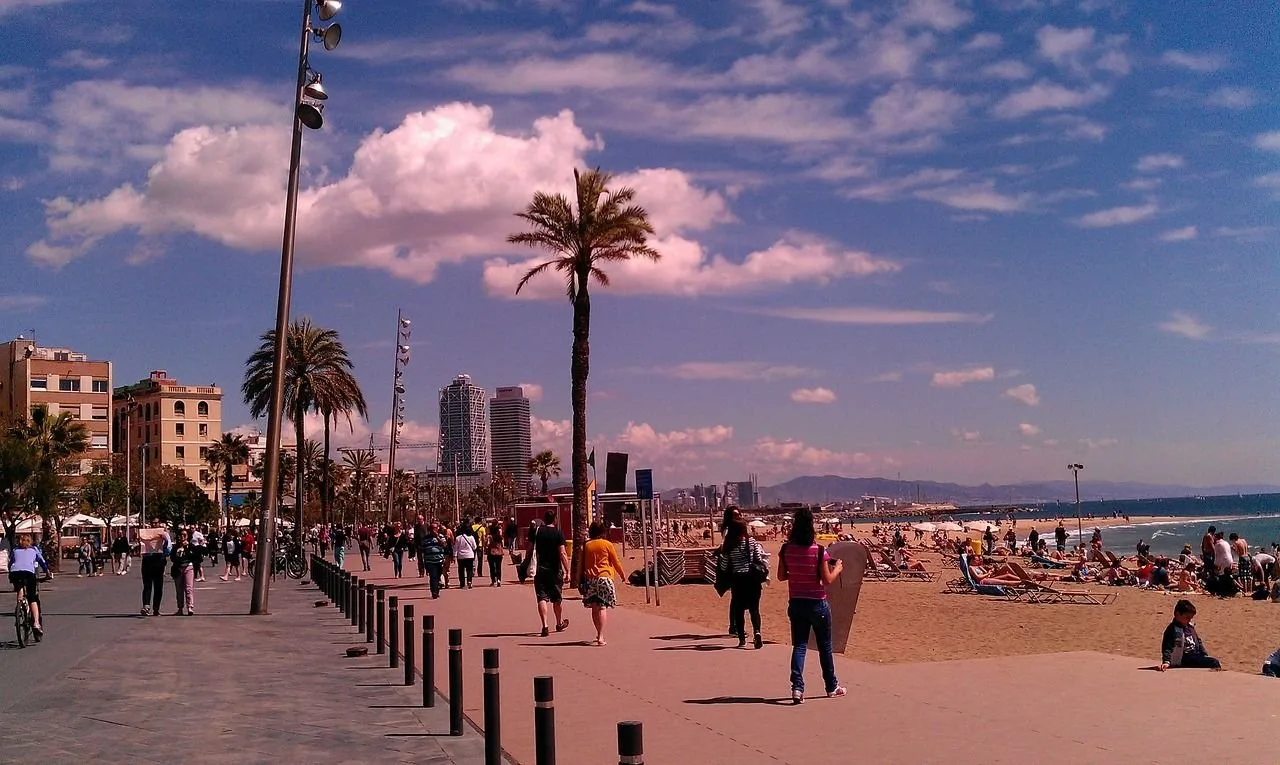
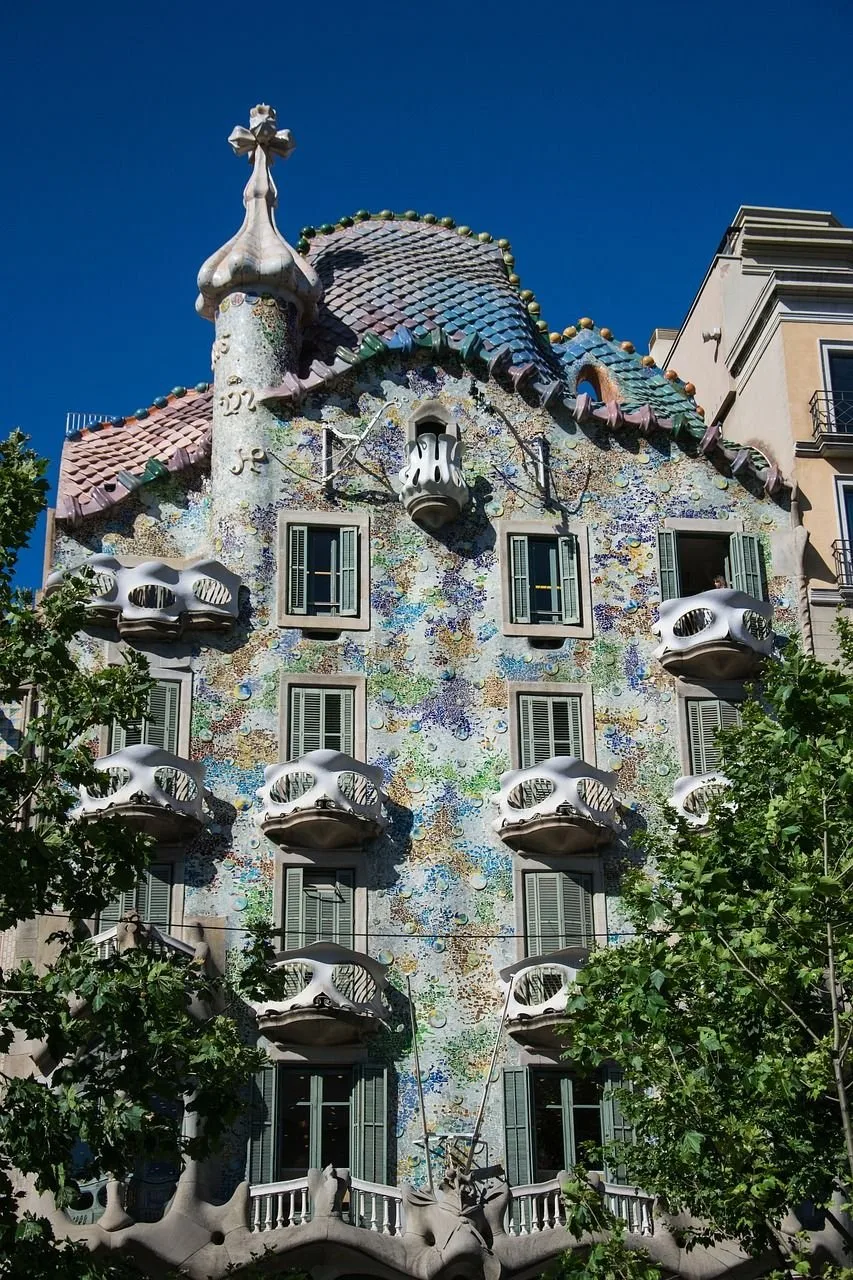
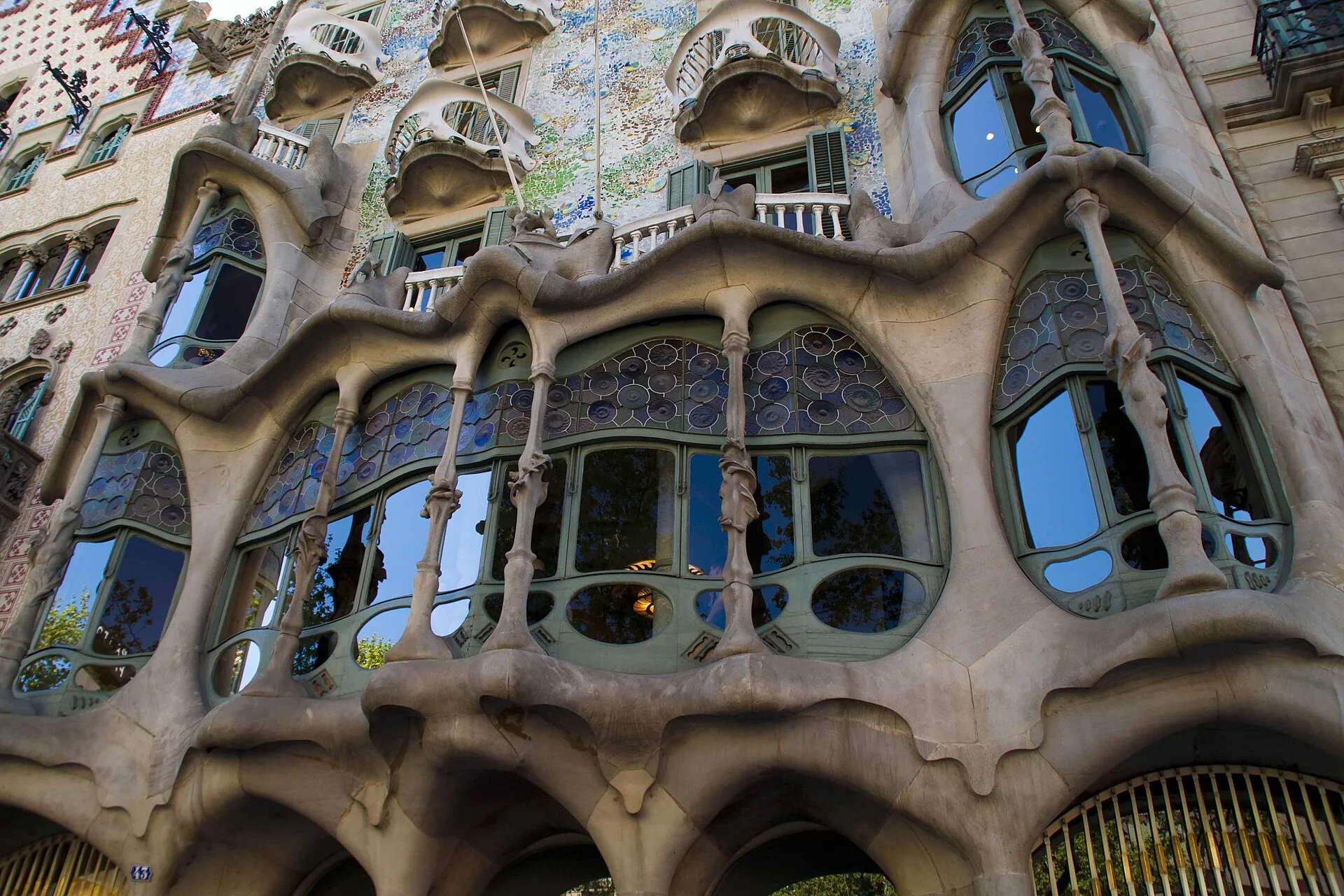
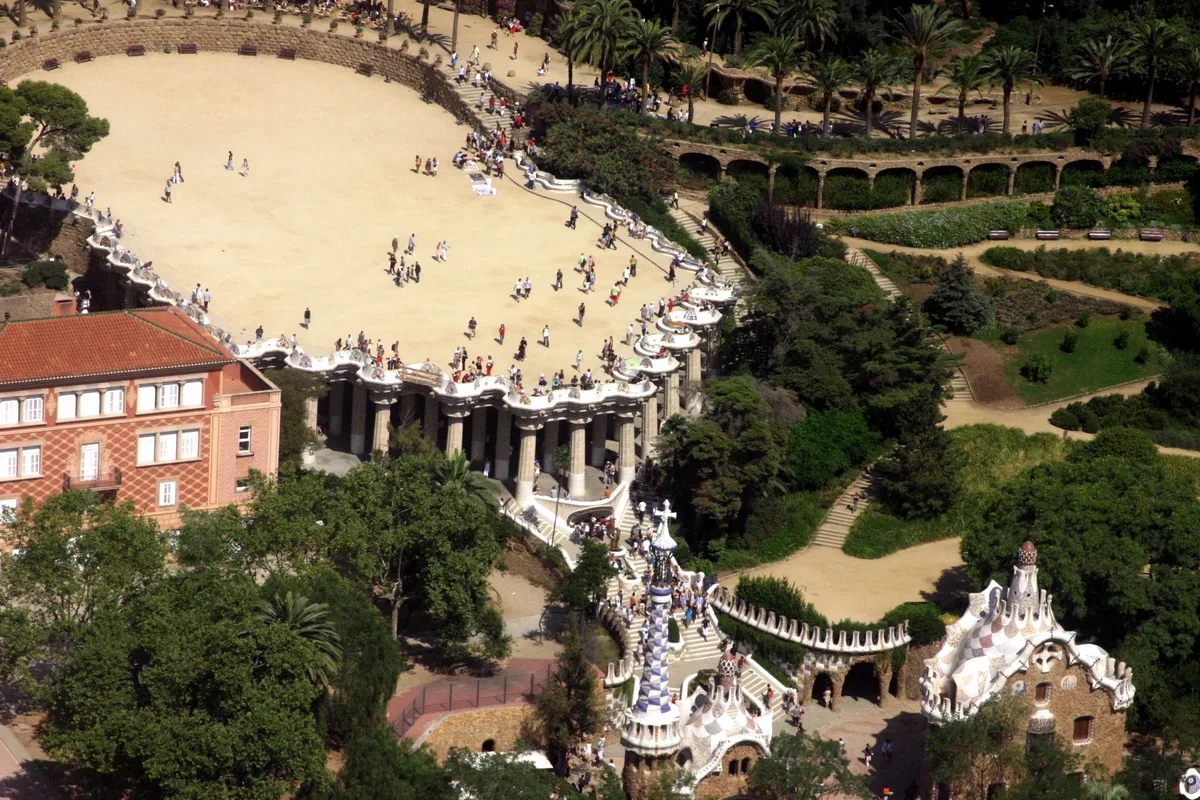
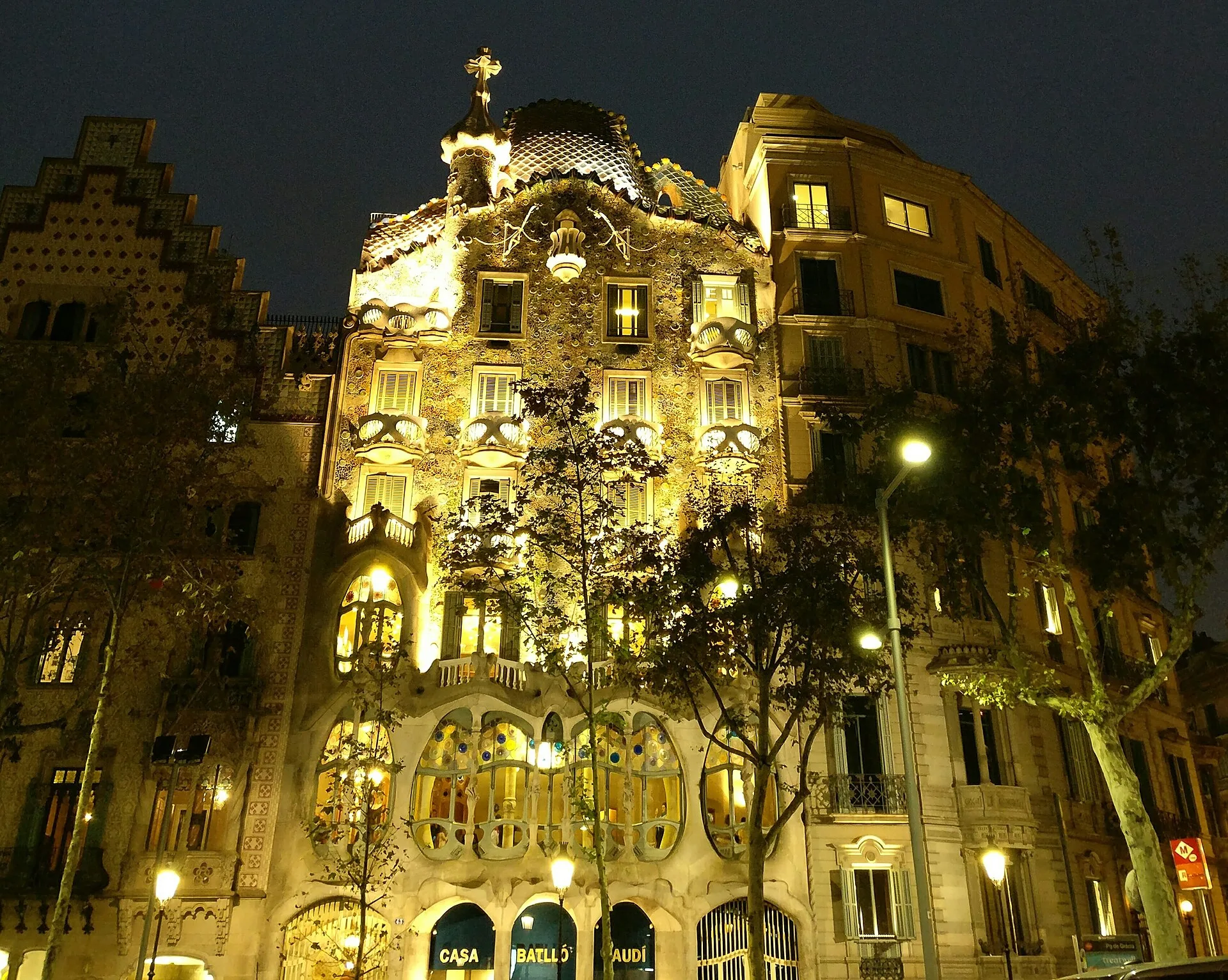
The Sagrada Família, Park Güell, Casa Batlló, museums and exhibitions make the city an inspiring place with real cultural depth.
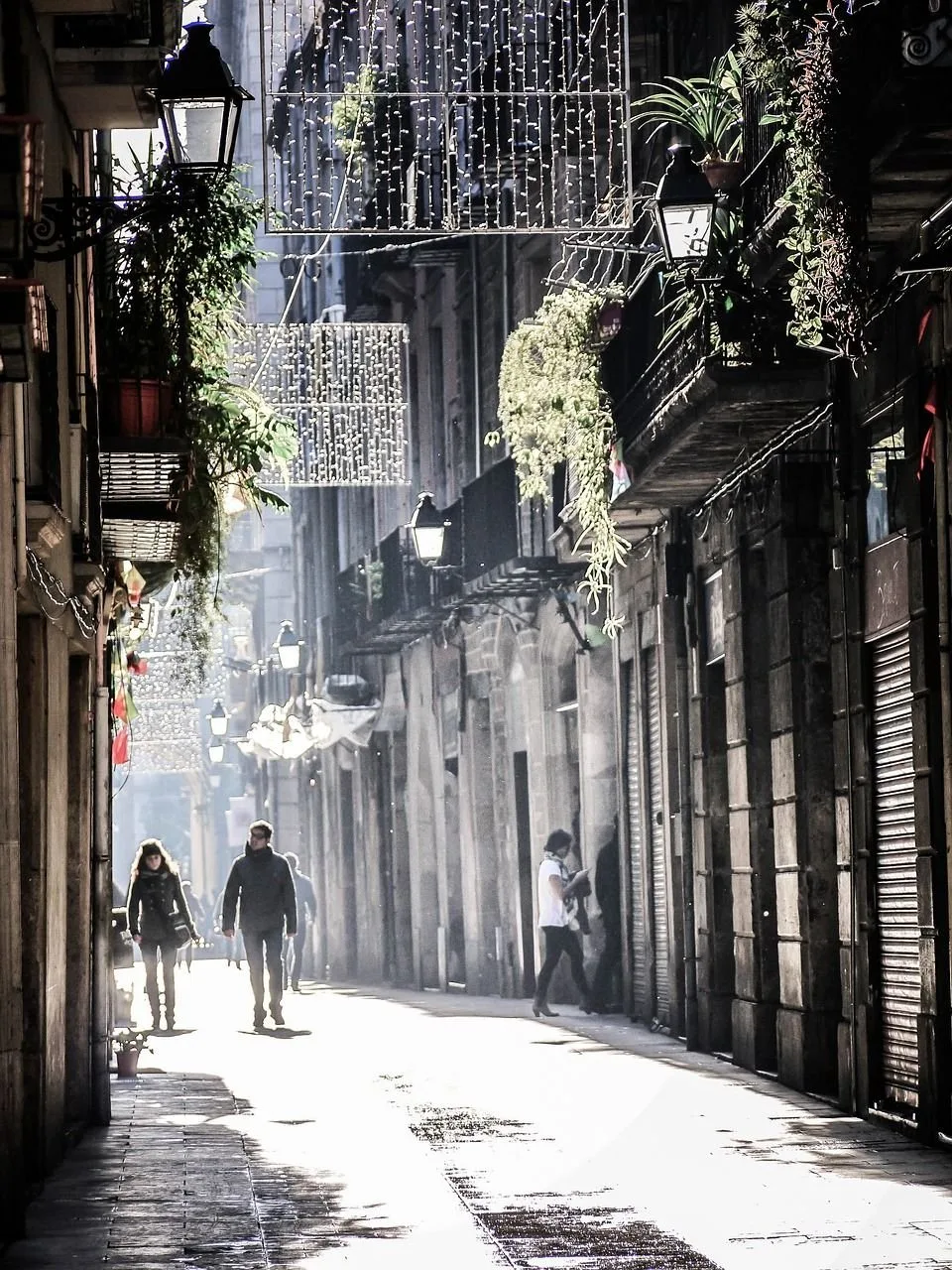
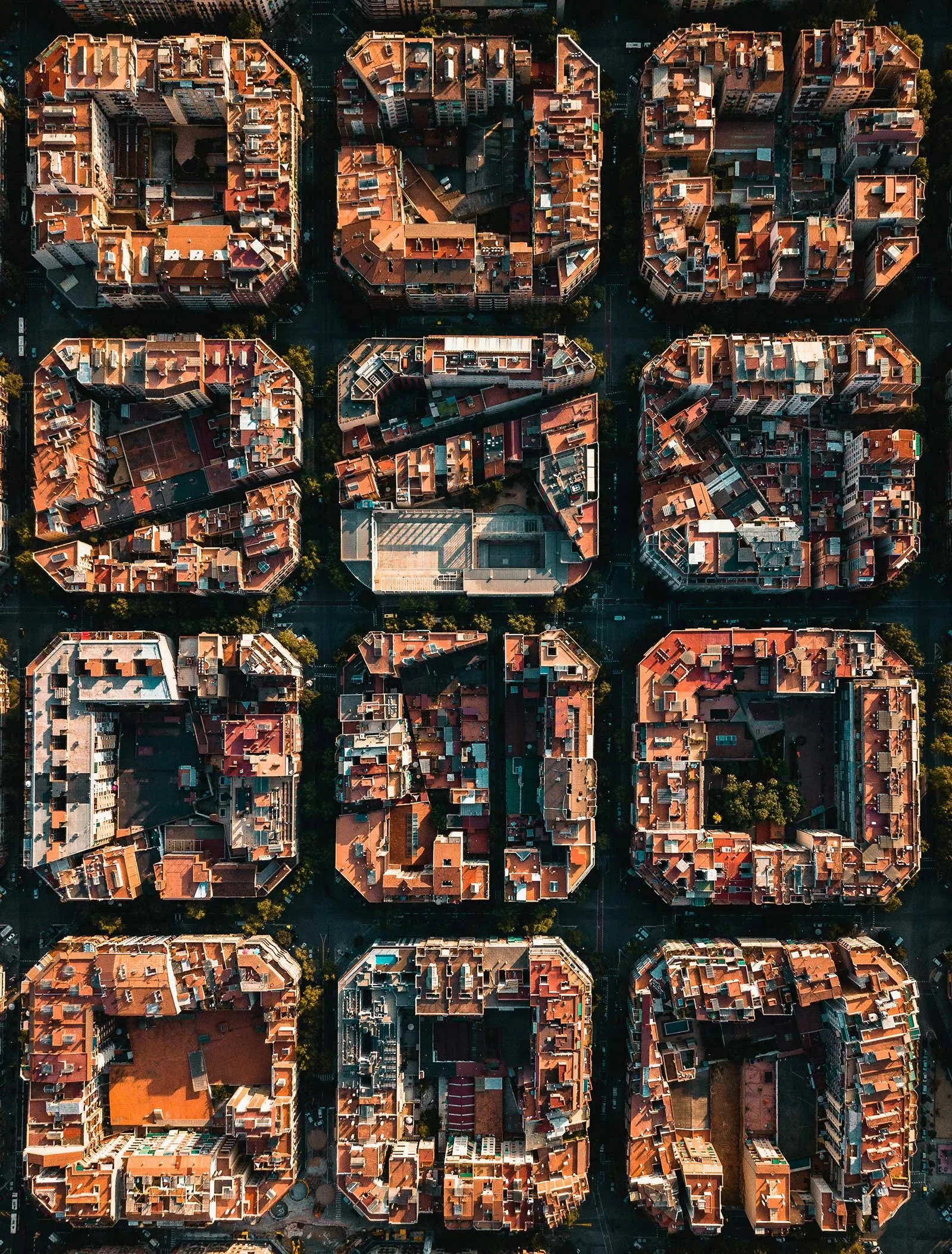
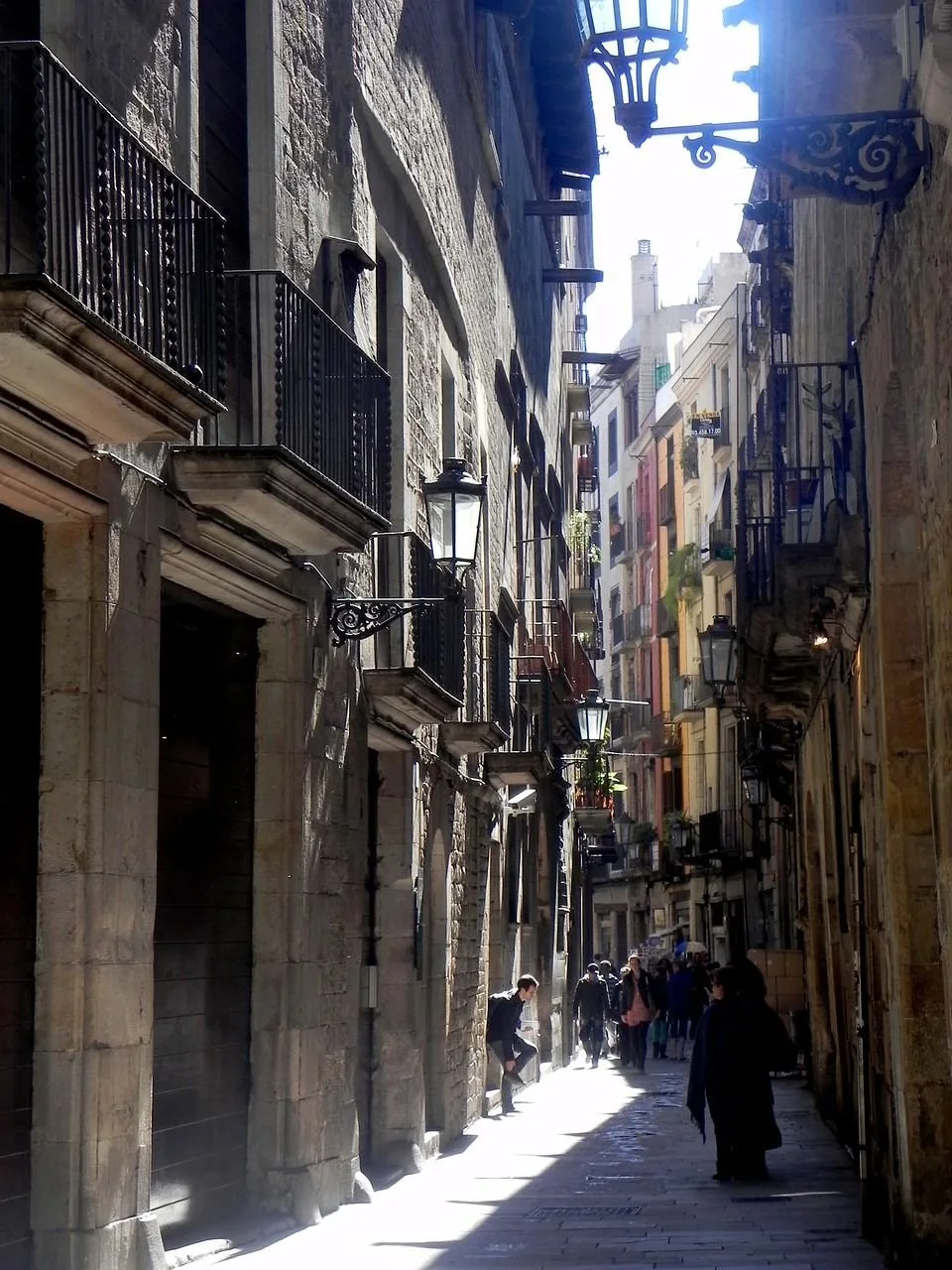
The Gothic Quarter, El Born, Gràcia and Poblenou each have their own rhythm and style, making the city perfect to explore slowly.
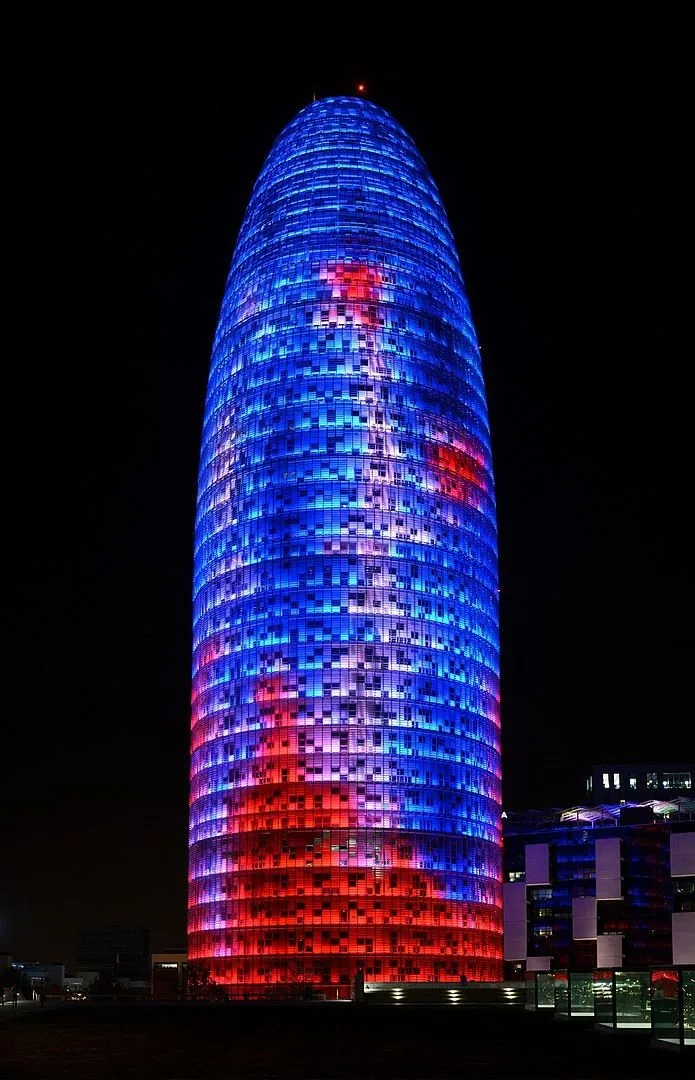
An international airport, creative industries, language exchanges and students from all over the world make Barcelona a great place to learn and broaden your perspective.
Barcelona has an easy-to-use public transport network that works especially well for language students and visitors: metro, buses, tram, FGC and Rodalies commuter trains. It connects major areas such as the Sagrada Família, Park Güell, Montjuïc, Barceloneta Beach, Eixample and Gràcia. Below you will find the main essentials, recommended travel cards and official links.
The Barcelona metro is one of the fastest ways to cross the city. Central stations such as Catalunya, Universitat and Passeig de Gràcia make transfers easy. You can check the official TMB map and schedules.
The TMB bus network is extensive and helps cover areas without direct metro access; at night you can rely on the NitBus. Route planning is available through the official planner.
It is especially useful around Diagonal, Glòries and Poblenou, and it uses the same integrated fare system. More information and route maps: tram.cat.
If you plan to move around Greater Barcelona or head to nearby towns and coastal areas, Rodalies de Catalunya is very useful. Timetables are available on rodalies.gencat.cat or renfe.com.
Choose depending on your destination and luggage: Aerobús is direct to the centre, Rodalies is useful near major train stations, and L9 works well if you need a metro connection.
For fares, zones and integrated tickets, check ATM Área de Barcelona.
Barcelona has a solid network of bike lanes. Bicing is the city bike-sharing system and requires prior registration: bicing.cat. Be sure to follow local rules on pavements, speed and designated parking areas.
Official Barcelona taxis (black and yellow) can be hailed on the street or booked by app. Fares are regulated by AMB Taxi.
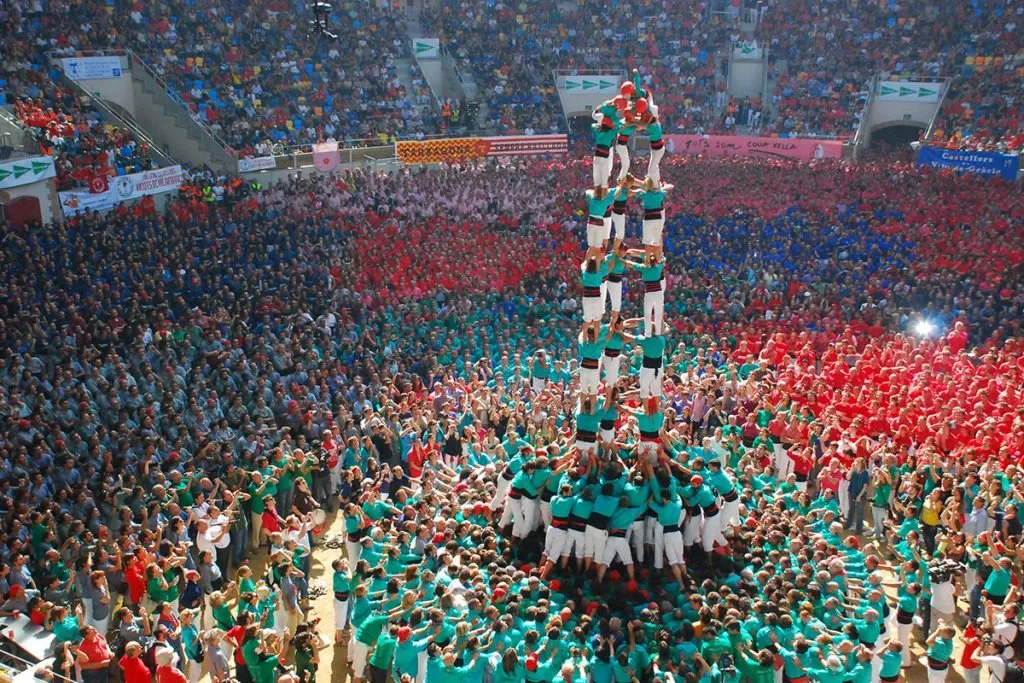
Barcelona hosts events all year round: local Catalan traditions such as castellers, correfocs and gegants, major international music festivals, and unique celebrations like Sant Jordi or La Mercè. The dates below are a practical reference if you are planning a trip or a study stay.
The city fills with book and rose stalls. It is a great day to walk around La Rambla, Passeig de Gràcia, Gràcia and El Born.
Where: city centre and neighbourhoods | Type: tradition, culture
Known for bonfires, firecrackers and seaside parties, especially around Barceloneta Beach. Typical sweet: coca de Sant Joan.
Where: beaches and squares | Type: tradition, nightlife
Residents decorate the streets creatively, and the area fills with concerts, outdoor activities and street decoration contests.
Where: Gràcia | Type: local culture, music
This is Barcelona’s signature festival week, with castellers, correfocs, mapping shows, free concerts and street markets.
Where: multiple venues | Type: local culture, music
A major international event for electronic music and digital creativity, including Sónar de Día, Sónar de Noche and Sónar+D.
Where: Fira BCN | Type: music, innovation
A diverse line-up spanning pop, rock and electronic music, usually held in a large seaside venue.
Where: Parc del Fòrum | Type: music
It features parades, performance groups and the arrival of the traditional Rei Carnestoltes. Events are often held in El Born, the Gothic Quarter and other neighbourhoods.
Where: city centre and neighbourhoods | Type: tradition, parade
A large family-friendly parade with floats, music and sweets, usually crossing the city centre.
Where: central Barcelona | Type: family, parade
These dates are a useful seasonal reference, but the final schedule may change every year. For updated information, check barcelona.cat and barcelonaturisme.com.
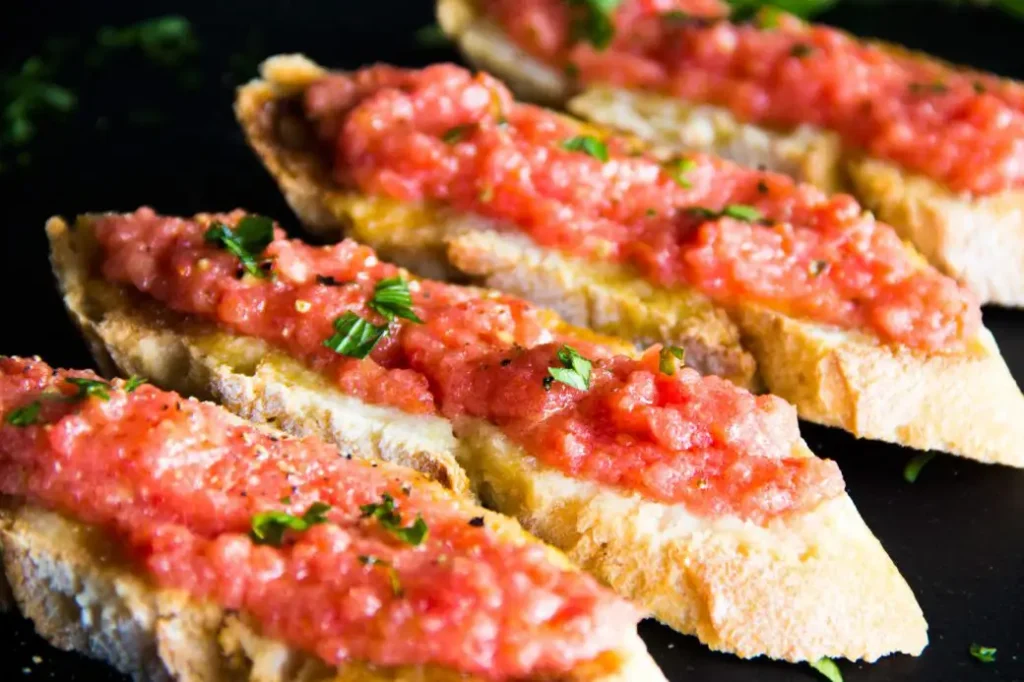
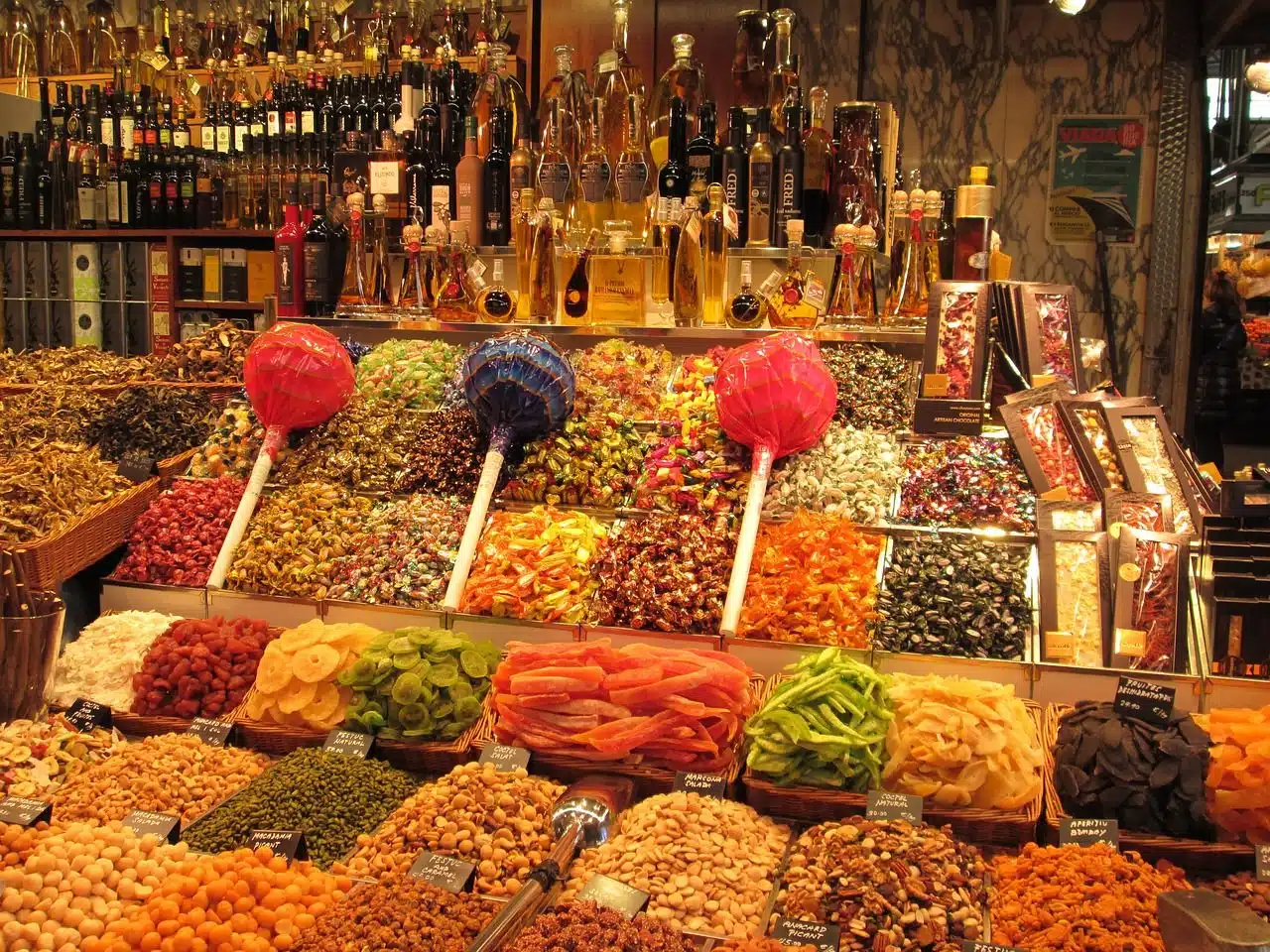
Barcelona blends Mediterranean flavours with Catalan tradition: seafood rice dishes, roasted vegetables, pa amb tomàquet, and seasonal calçots in late winter and spring. Here are the essentials to start exploring local food.
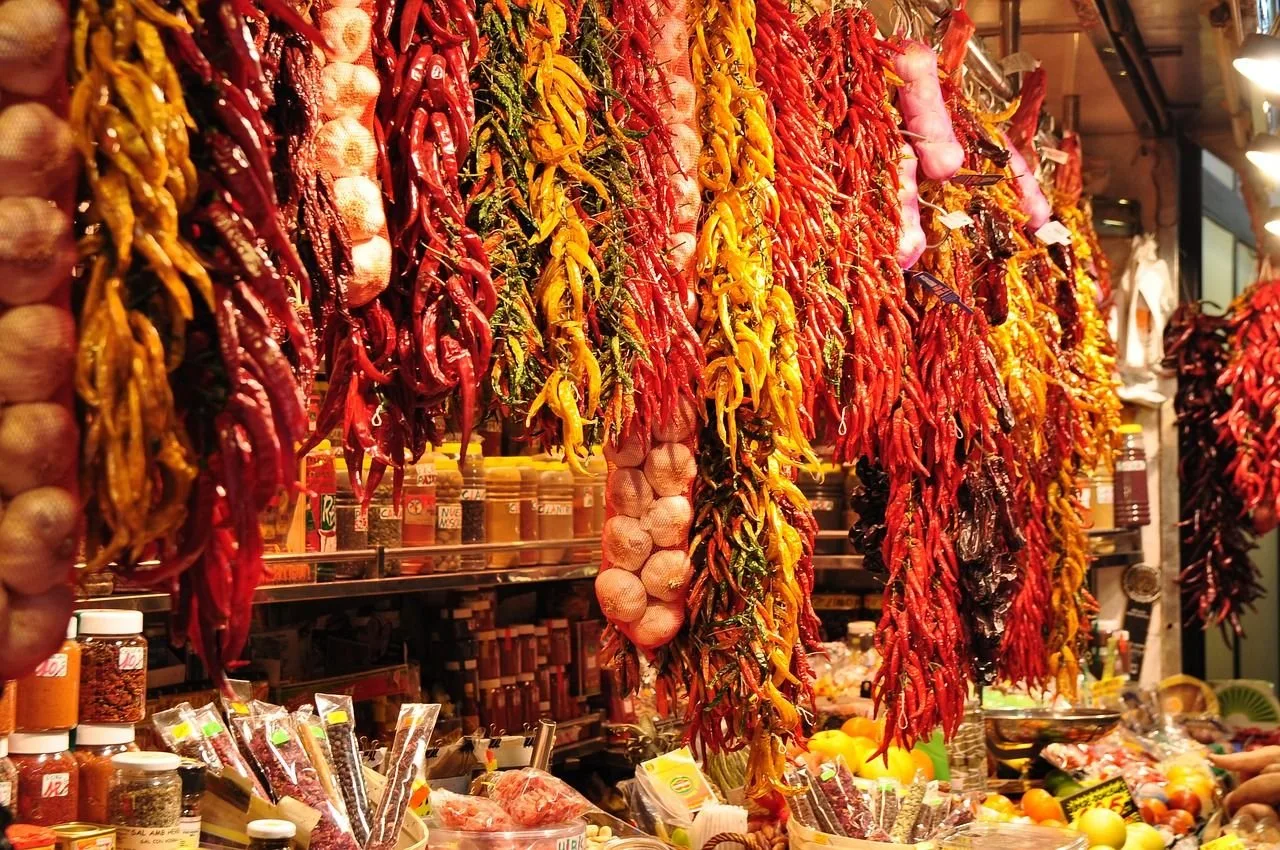
Food tip: for more authentic versions, visit markets such as La Boqueria, Santa Caterina and Sant Antoni, or look for traditional eateries in areas like Gràcia and Barceloneta. More information: Mercats de Barcelona.
Barcelona combines modernist architecture, a medieval old town and a Mediterranean atmosphere. Here is a practical shortlist of landmarks to help you plan your trip or study stay.
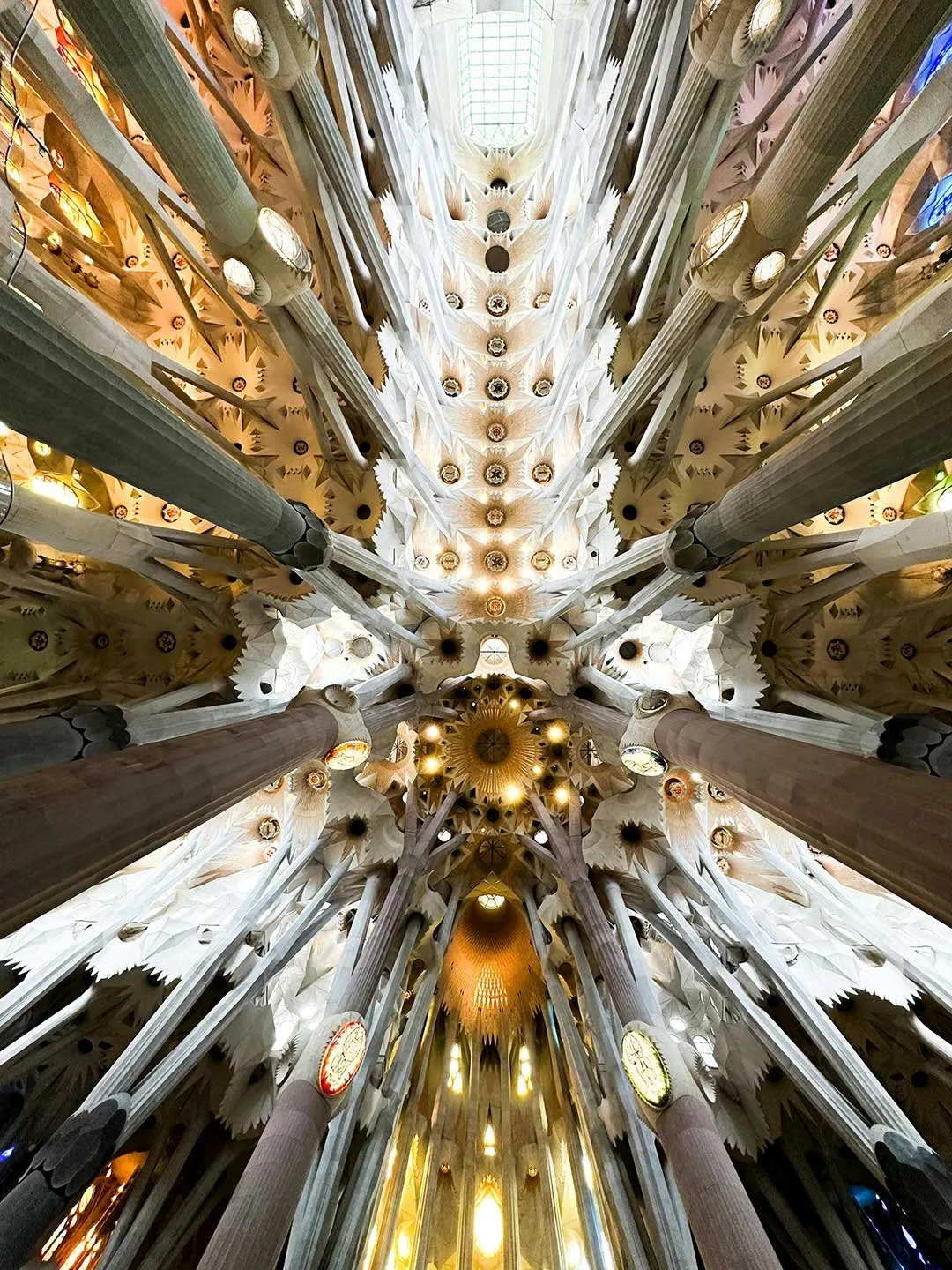
Gaudí’s masterpiece and one of Barcelona’s clearest symbols. The sculptural façades and the forest-like interior columns create a striking light inside.
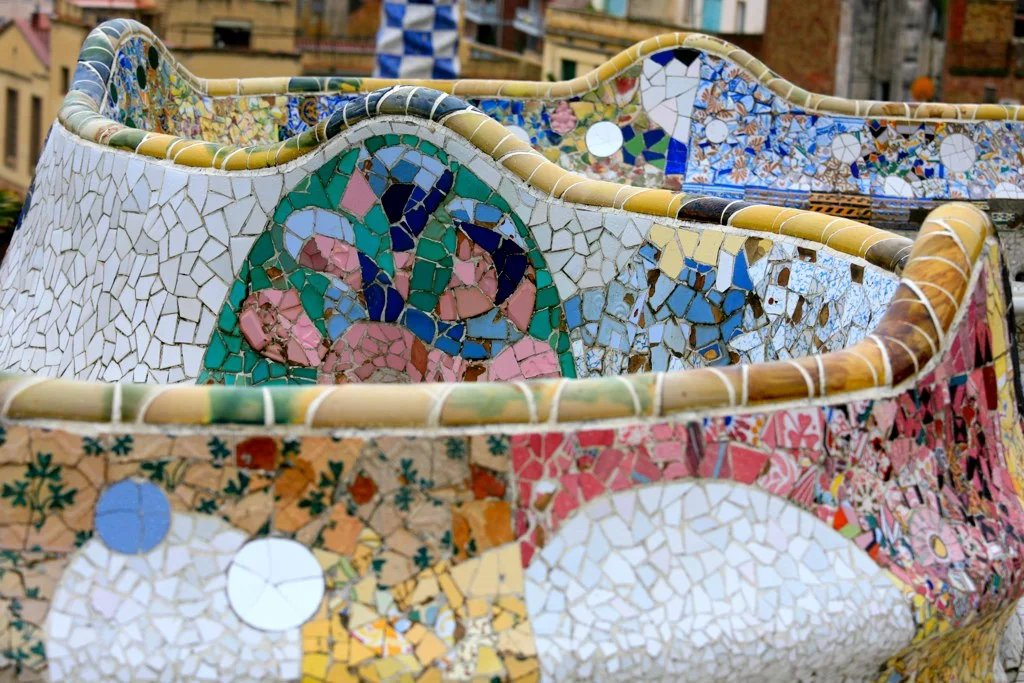
It is known for its trencadís mosaics, undulating benches and city views. It is one of Gaudí’s clearest examples of blending nature and architecture.
On Passeig de Gràcia, it stands out for its curved façade and marine-inspired details. The interior is also notable for its flow and light.
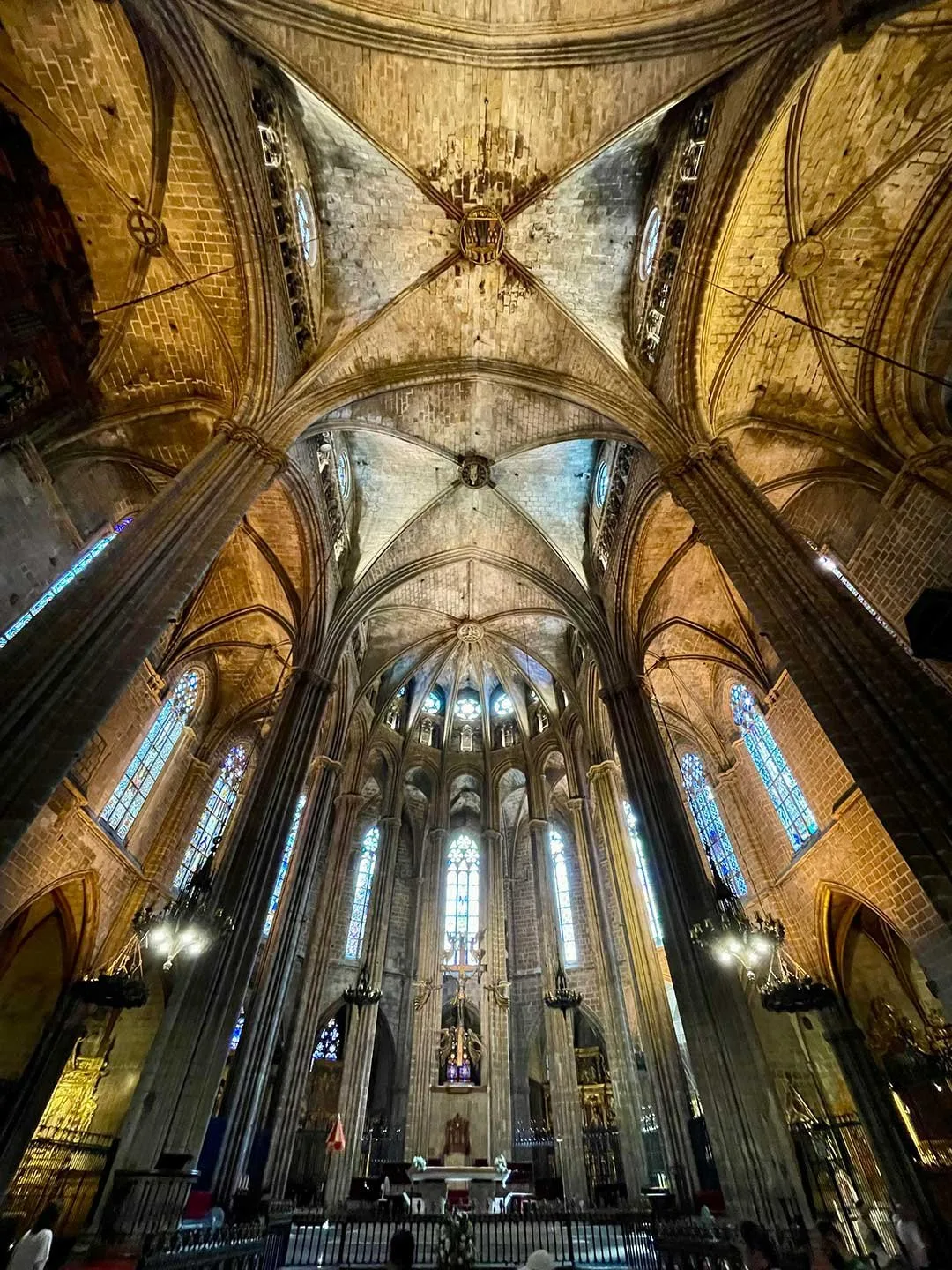
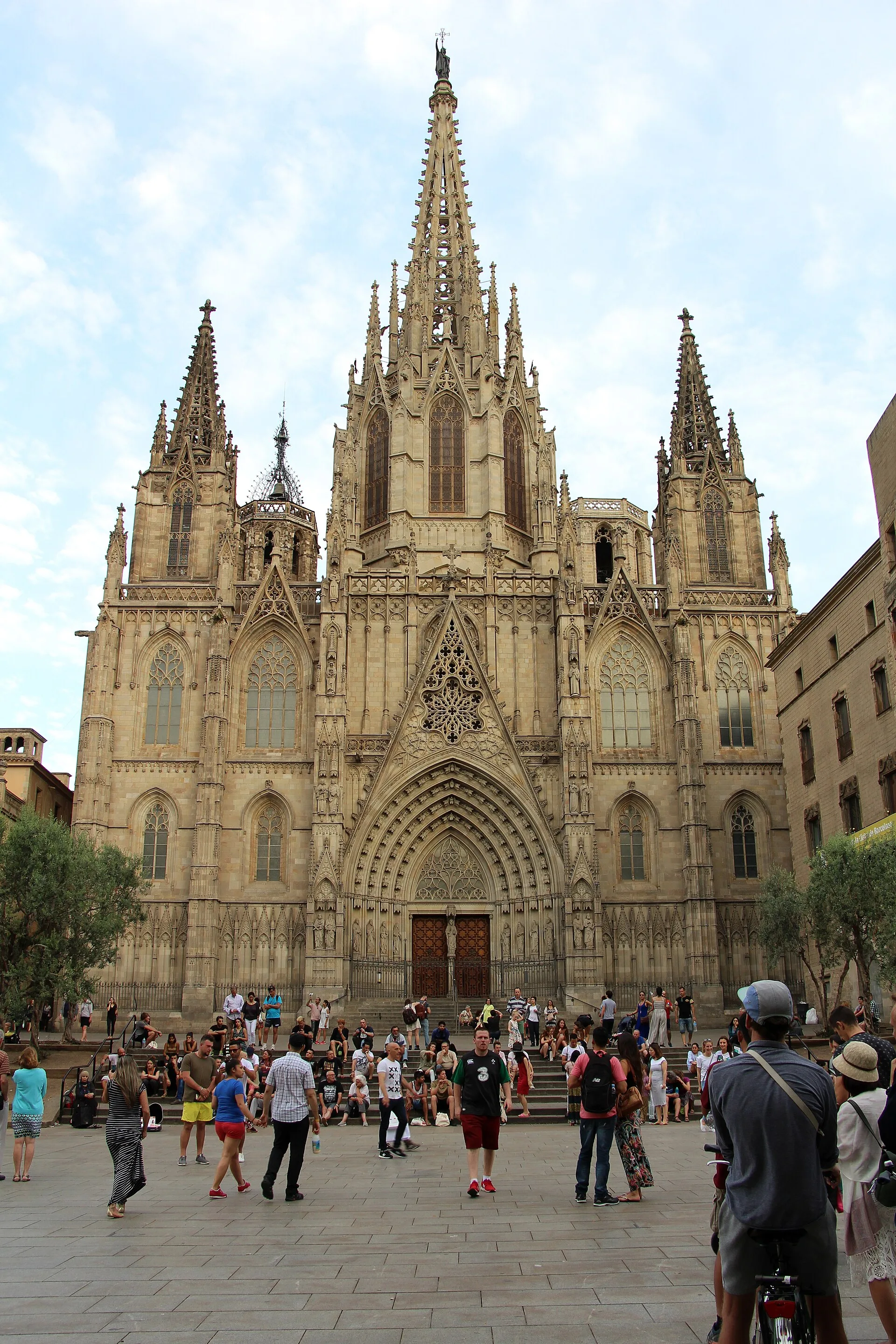
It is one of the key landmarks of the Gothic Quarter. You can explore the cloister, chapels and elevated views to get a better feel for the old city’s history.
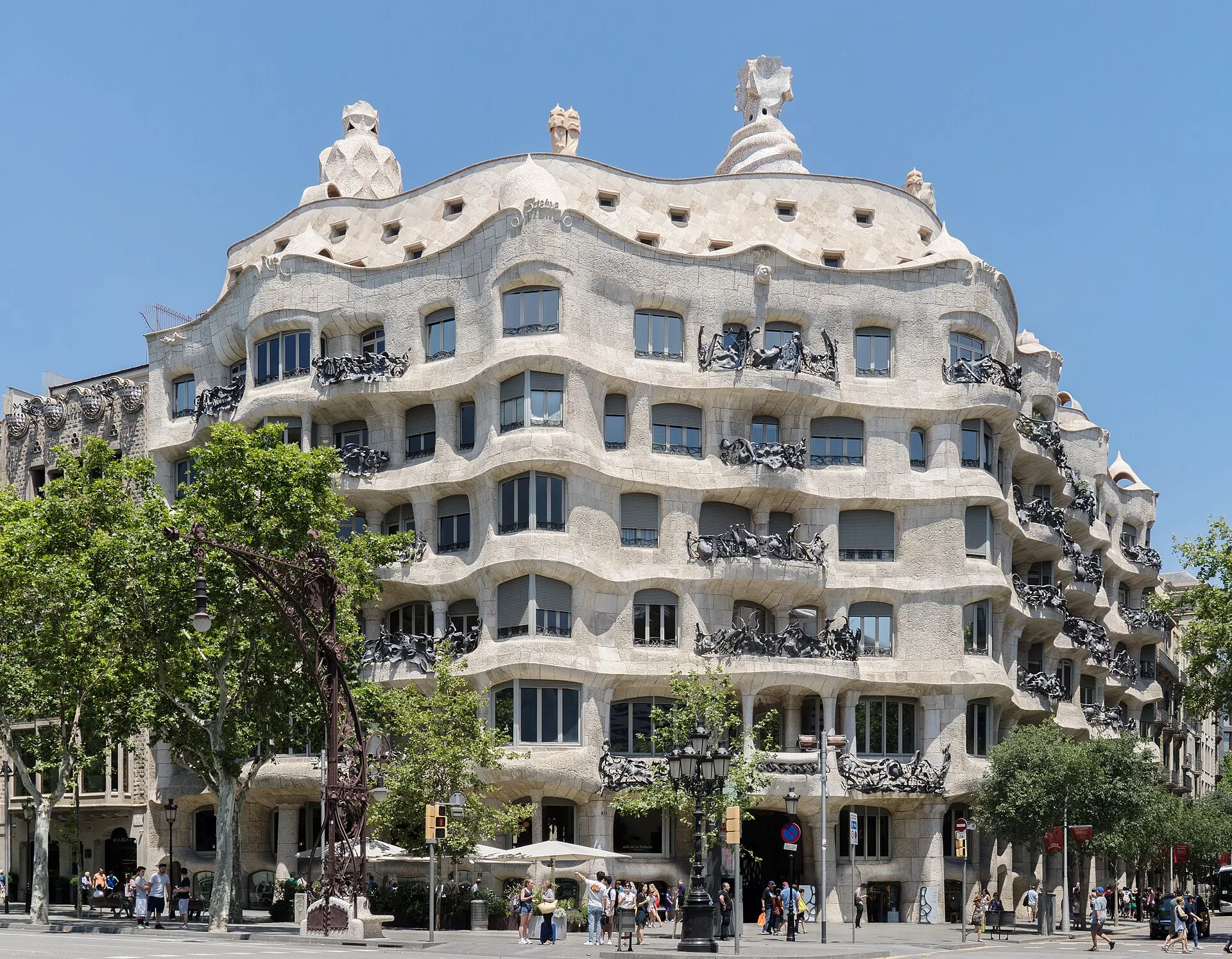
Its wavy façade and rooftop chimney sculptures make it one of the most recognisable modernist buildings in Eixample.
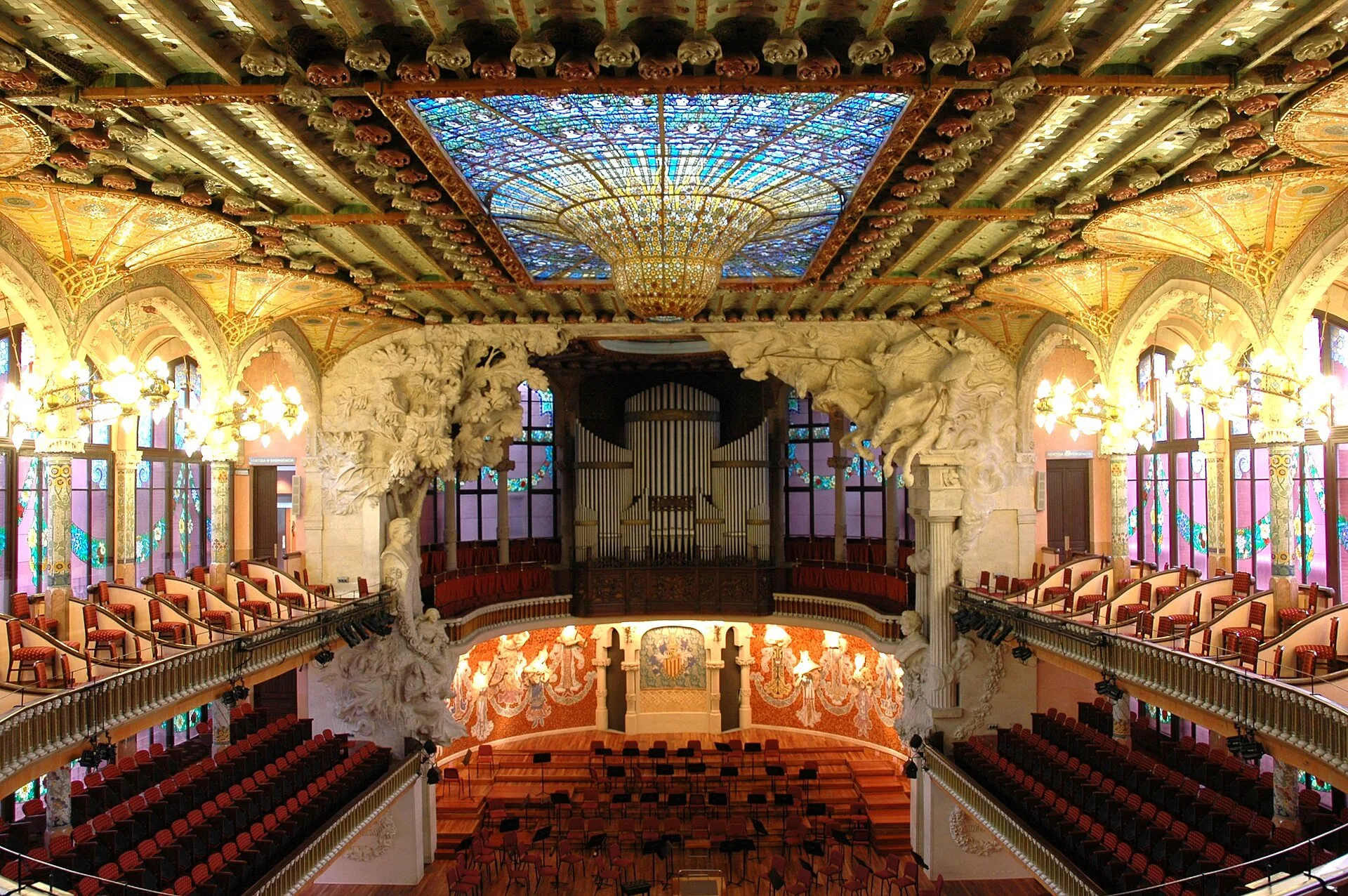
This modernist concert hall is a World Heritage site, filled with stained glass, mosaics and lavish detail. It is well worth seeing on a guided visit or during a concert.
Compare course options, neighbourhoods and timetables to find the school that fits you best.
Spring (April to June) and autumn (September to October) are usually the most comfortable times to visit: pleasant weather, fewer crowds than August and plenty of cultural events. Summer brings longer days and more beach time, but also more heat and more visitors.
With 3 days you can cover the essentials: Sagrada Família, Park Güell, the Gothic Quarter, Passeig de Gràcia, Montjuïc and the beach. With 5 days, you can add museums, lesser-known modernist buildings and a nearby day trip.
Eixample, Gràcia, El Born, Poble-sec and Barceloneta are all popular choices. Pick according to your travel style and how convenient you want the metro to be.
Overall yes, but pickpockets are common in tourist areas, especially on the metro, La Rambla and around the Sagrada Família. Use a zipped bag, avoid keeping your phone in hand for too long, and keep digital copies of your documents.
The combination of metro, FGC, Rodalies, tram and buses works very well. The city centre is also walkable, and cycling can be practical. For route planning and official information, check TMB.
If you are staying a few days and travelling a lot, the Hola Barcelona Travel Card can make sense. For regular use, T-Casual is often enough; if you expect heavy use over a month, check T-Usual. Always confirm the latest fares on TMB.
Yes, definitely. In high season many time slots sell out, so it is wise to buy online in advance and choose a time. Early morning or late afternoon are often the most comfortable moments to visit.
La Boqueria, Santa Caterina and Sant Antoni are good markets for fresh produce and snacks. Dinner is often between 20:30 and 22:30, although tourist areas may keep more flexible hours.
It is not mandatory. Most people simply round up the bill, or leave about 5–10% when the service has been especially good.
Quote planner
Answer a few quick questions and choose how you want to continue.
Hi! 👋
We use necessary cookies so the website works properly and, with your permission, analytics or marketing cookies to improve the experience and load external services. Cookie Policy
You can accept all cookies, reject optional ones, or choose category by category.
Cookies required for the website to work properly, remember language preferences, and store your privacy choices.
These help us understand how the website is used so we can improve content, performance, and user experience.
These allow external content, campaign measurement, or third-party services to load only after visitor consent.