A city with strong character
Bilbao is not a generic destination. Its Basque identity, industrial history and cultural transformation make it feel distinctive from day one.
Tools
Tell us about your plans and we'll help you find the perfect school.
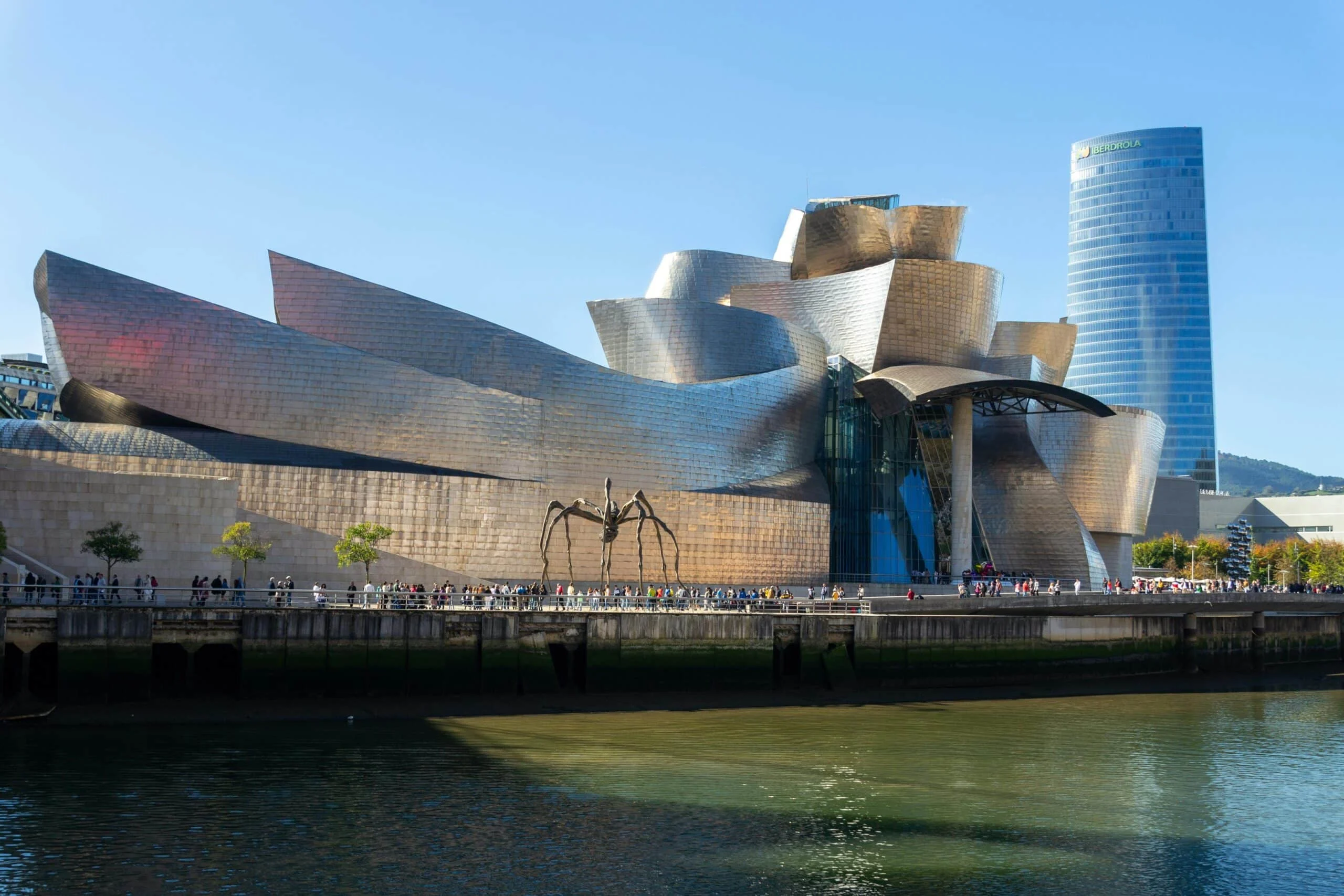
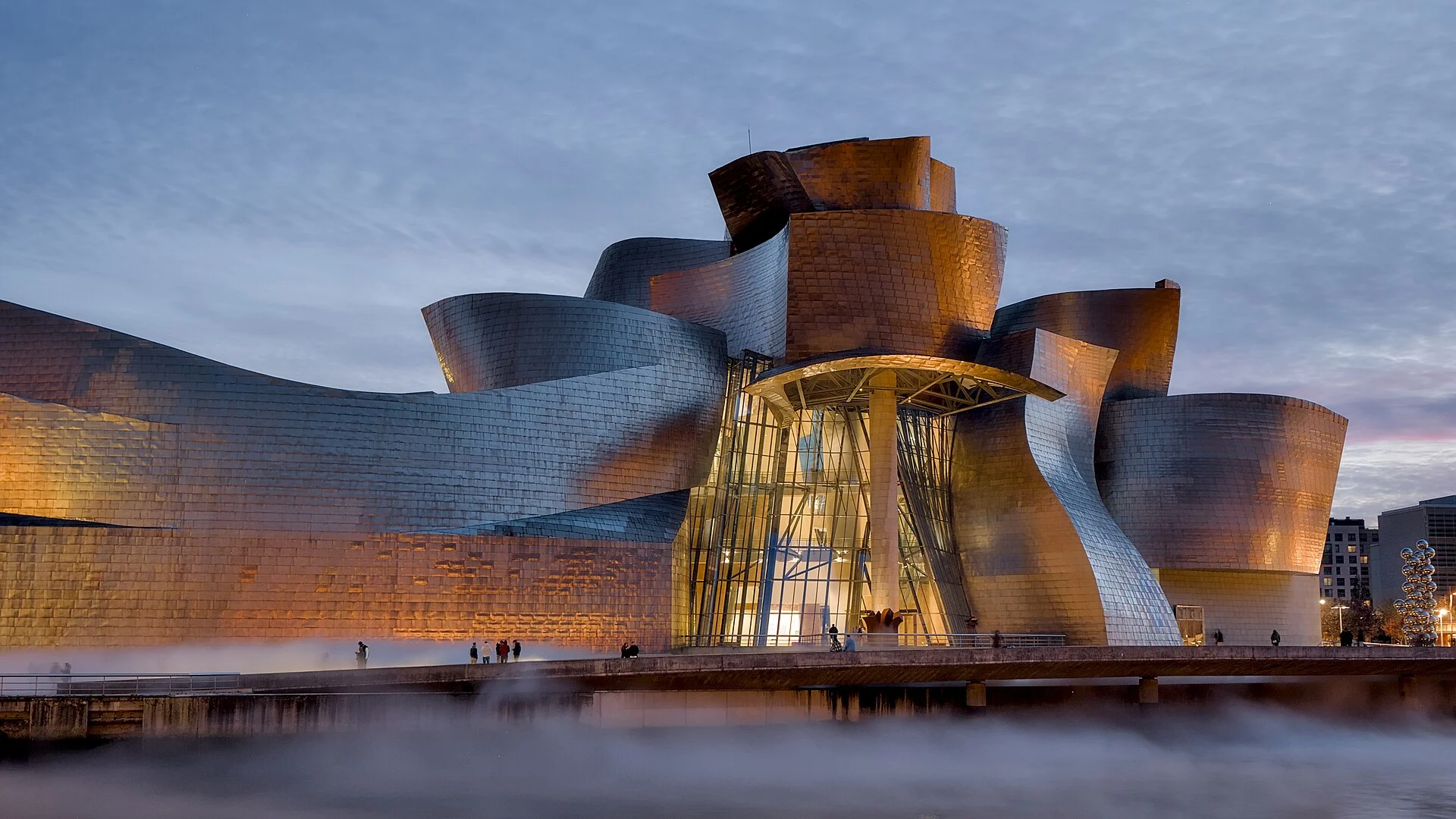
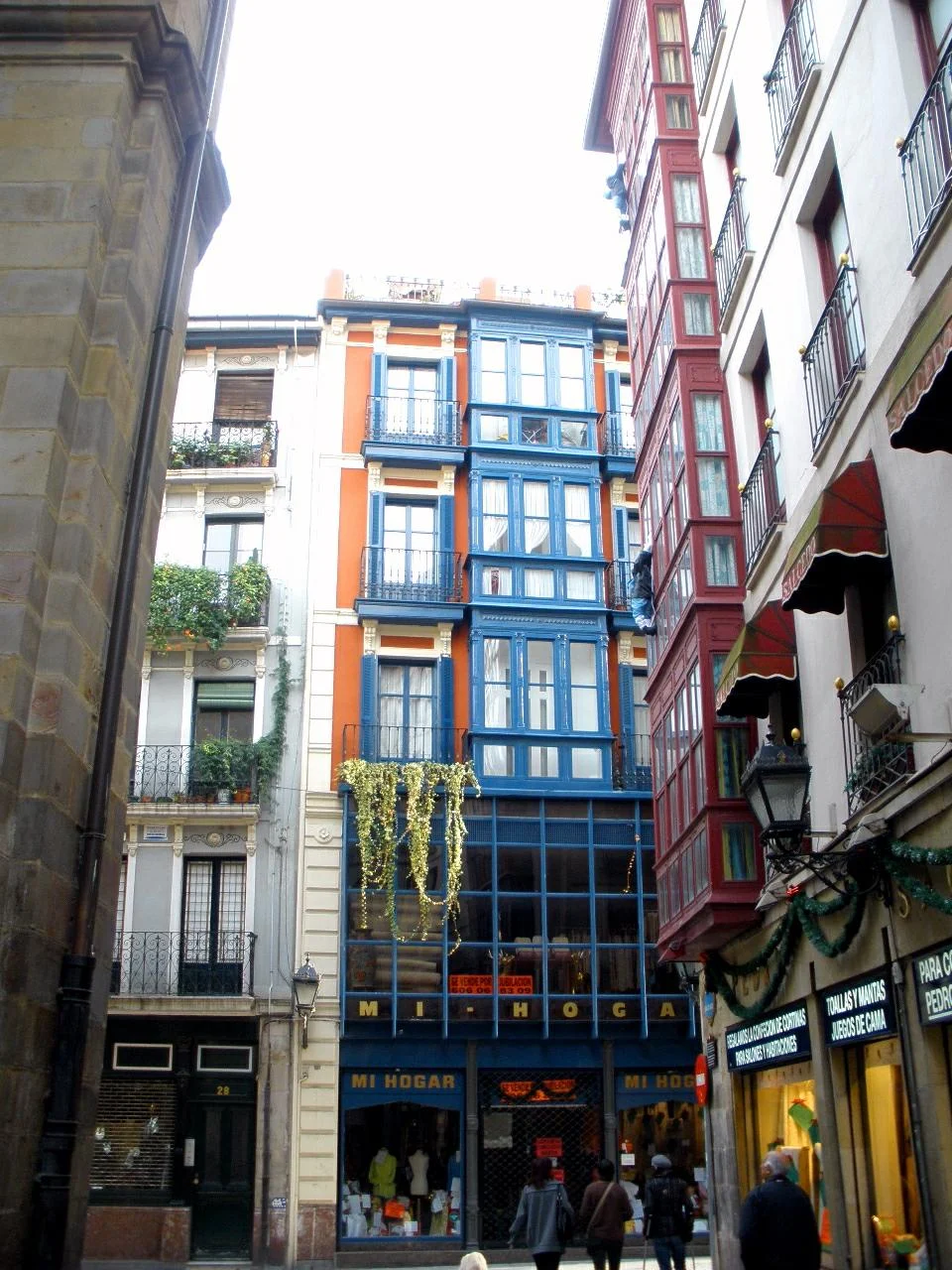
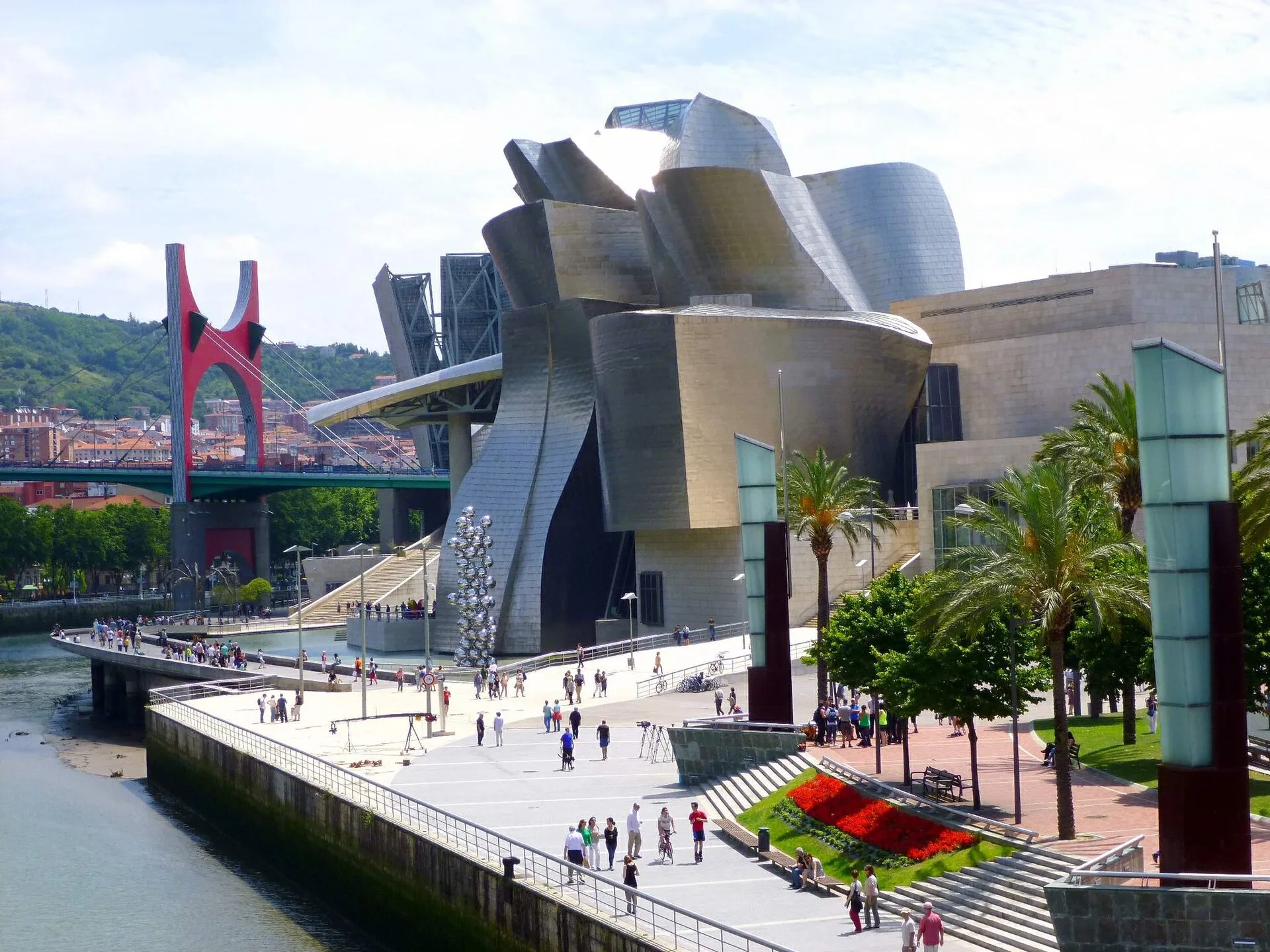
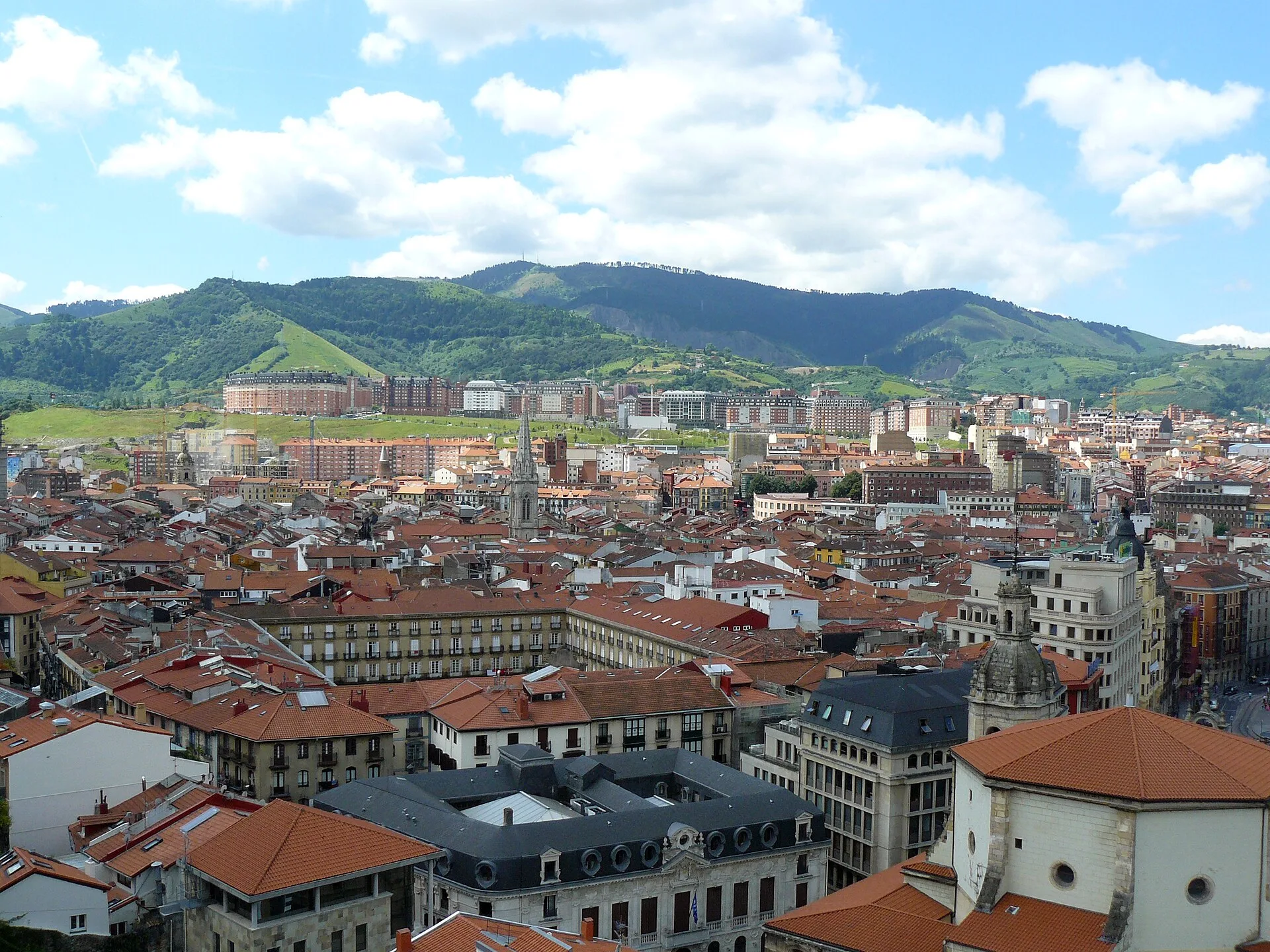
Bilbao is one of the most distinctive destinations in northern Spain, having successfully transformed itself from a major industrial and port city into a cultural reference point in the Basque Country. Set at the heart of the region and shaped by the river, it brings together contemporary architecture, old-town life, urban walks and local gastronomy inside a city with a strong identity of its own. One of its best-known landmarks is the Guggenheim Museum Bilbao, an architectural and artistic icon that reflects this transformation. But Bilbao’s charm also lies in slowly exploring the Casco Viejo, its Siete Calles, its markets, squares, cafés and pintxos bars, where everyday life feels especially authentic. Studying Spanish in Bilbao is not only about attending classes, but about using the language every day in real situations while discovering Basque culture and the lifestyle of northern Spain.
Bilbao is one of the most interesting cities in northern Spain for students who want to learn Spanish while experiencing a more local and authentic side of the country. It combines contemporary architecture, historic neighbourhoods, riverside walks, Basque gastronomy and a very manageable urban scale. For many students, Bilbao stands out because it offers real Spanish immersion inside a city that feels liveable, distinctive and full of character, where practice happens naturally both in class and in everyday life.
Bilbao is not a generic destination. Its Basque identity, industrial history and cultural transformation make it feel distinctive from day one.
The city is dynamic without being overwhelming, which makes it easier to build routines, commute well and settle in for a longer study experience.
Markets, cafés, bars, museums and neighbourhood life create real opportunities to keep using Spanish outside the classroom every day.
From pintxos and riverside walks to the old town and cultural venues, Bilbao offers a rich experience that goes far beyond sightseeing.
Bilbao is a very walkable city: the centre is compact and many everyday routes can be done on foot. For daily life, the easiest combination is usually Metro Bilbao, the tram, Bilbobus, walking and, depending on the season, shared bikes. If you are staying for several weeks, using a reloadable travel card and checking routes through official channels usually makes everyday life much easier.
Metro Bilbao is, for many students, the easiest way to move around the city. It links the centre with very practical places to live, such as Abando, Indautxu and Deusto, and makes it much simpler to organise daily life. If you are staying for a while, it is usually one of the most reliable, time-saving and straightforward ways to connect classes, accommodation and everyday routines. You can check lines, timetables and fares on the Metro Bilbao website.
The tram is one of the nicest ways to connect the centre with several points along the river. It is especially useful if you are heading towards the Guggenheim area, because it works very well for shorter routes and feels calmer and more scenic than other options. Official information is available via Euskotren.
Bilbobus covers the centre and many residential areas, so it is often the best solution when the metro does not take you quite far enough. If your destination is hillier, more residential or less direct, the city bus can save you a good deal of time and effort. It is worth checking routes and service updates on the Bilbao City website.
If you are returning late, it is best to check in advance whether a night bus works for your route and, depending on the time or area, consider a taxi or ride-hailing service for the less convenient parts of the journey. Bilbao is usually easy to manage, but it helps to know the last service before heading out.
Bilbao’s centre is quite compact, and many everyday routes take only 10–20 minutes on foot. That makes walking not only convenient, but also one of the best ways to understand the city, get your bearings and keep practising Spanish in real situations without turning every outing into a major journey.
If you want to see Bilbao from above without planning a complicated outing, the Artxanda funicular is one of the city’s nicest short escapes. Many people save it for a weekend walk or for sunset, when the light over the river changes beautifully.
For trips beyond Bilbao to nearby cities and towns, most people rely on RENFE and Euskotren. They are very useful for weekend escapes and for exploring other parts of the Basque Country or northern Spain at a relaxed pace without needing a car.
Bilbao Airport (BIO) is relatively close to the city centre, so arriving is usually quite straightforward. The most common option is the airport bus and, if you land with a lot of luggage, very late or with other people, a taxi or ride-hailing service may suit you better.
If you are using transport every day, it usually makes sense to carry a reloadable card or the pass that best matches your routine. Before choosing, it is worth checking which option is closest to both your accommodation and your school, because that small detail can make everyday life much easier.
Quick guide to help you choose the area that best fits your lifestyle during a study stay in Bilbao.
This is the part of Bilbao with the strongest historic feel and one of the best places to sense the city’s local rhythm. It has plenty of movement, lots of useful services nearby and the feeling that something interesting is always close.
It is the most central and practical option if you want a base from which almost everything is easy to reach. It works especially well for students who value convenience, strong transport links and an easy everyday routine.
It is a quieter and more comfortable area, with a university feel and a clear balance between study and daily life. It often appeals to students who want a calmer rhythm without feeling too far from the centre.
It is a more creative, changing and distinctive area, with bars, small cultural spaces and a different kind of energy just across from the old town. It can be a very good fit if you are drawn to mixed neighbourhoods, evening life and a slightly more alternative atmosphere.
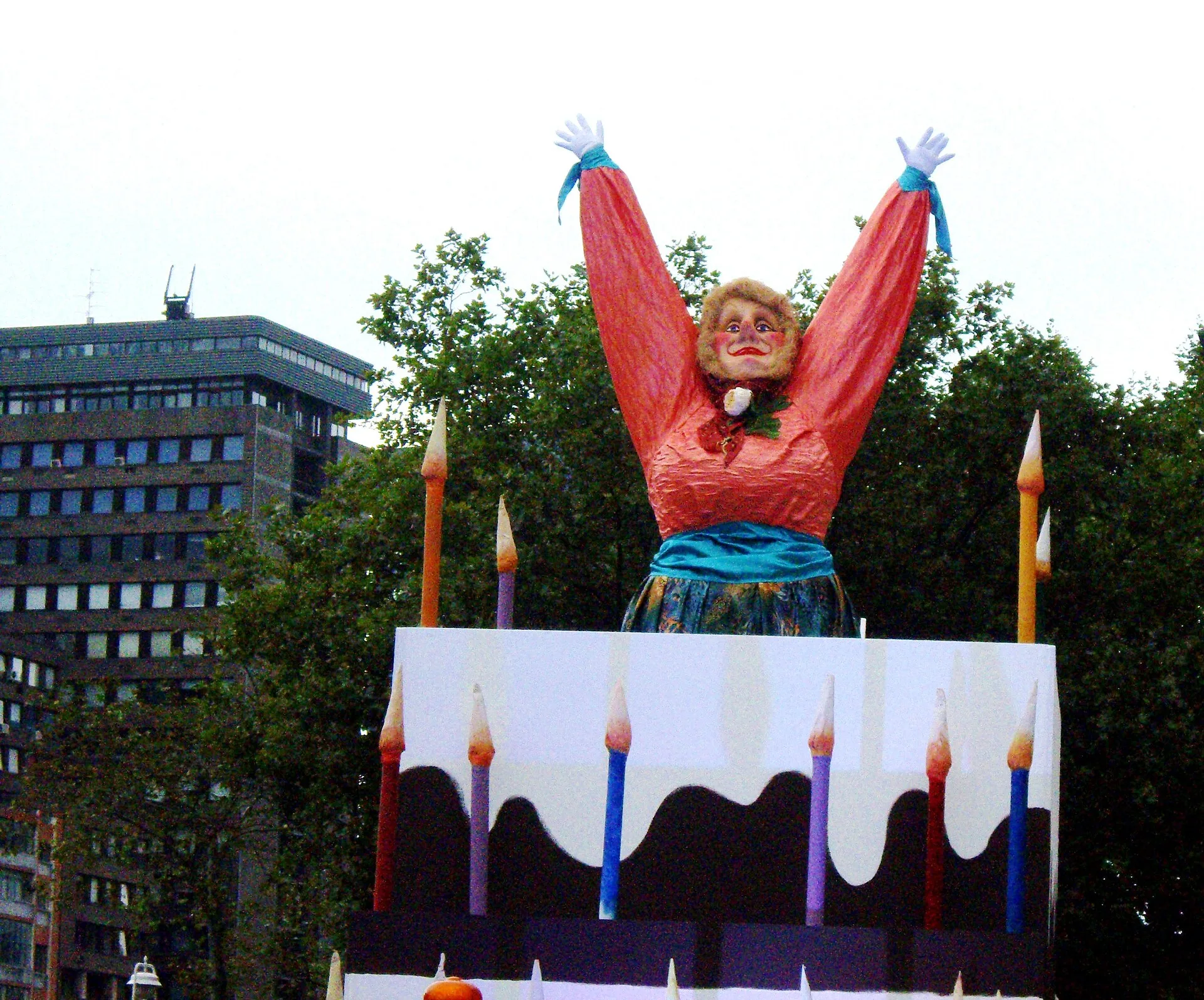
Bilbao’s big festival is Aste Nagusia, but if you stay longer it is also worth paying attention to the Santo Tomás market, carnival and other Basque-rooted celebrations.
It is Bilbao’s main festival week: Marijaia, concerts, fireworks, street groups and a huge amount of citywide energy.
Where: centre and riverside | Type: festival, music, fireworks and street life
Local produce, txistorra, winter street atmosphere and a strong local feeling make this market a very Bilbao-style event.
Where: city centre | Type: market, food, local culture
Although it is smaller than the summer festival, carnival noticeably changes the mood of the old town with costumes, music and street activity.
Where: old town and centre | Type: street event
Dates may vary each year. It is best to check Bilbao Turismo and Bilbao City Council before travelling.
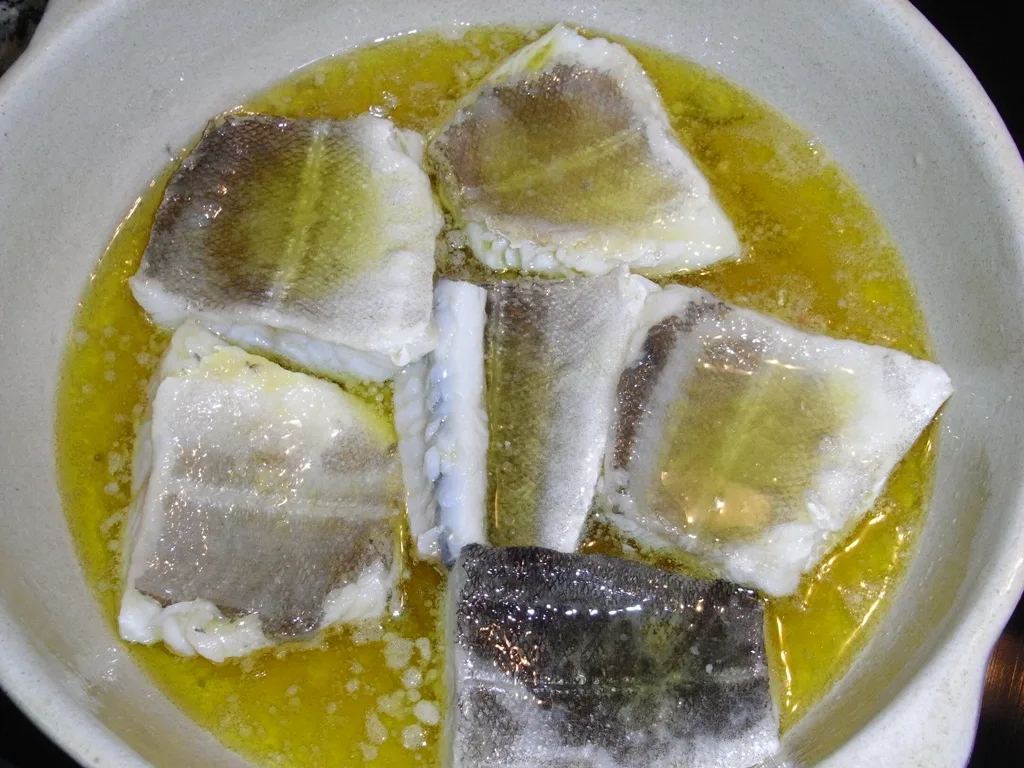
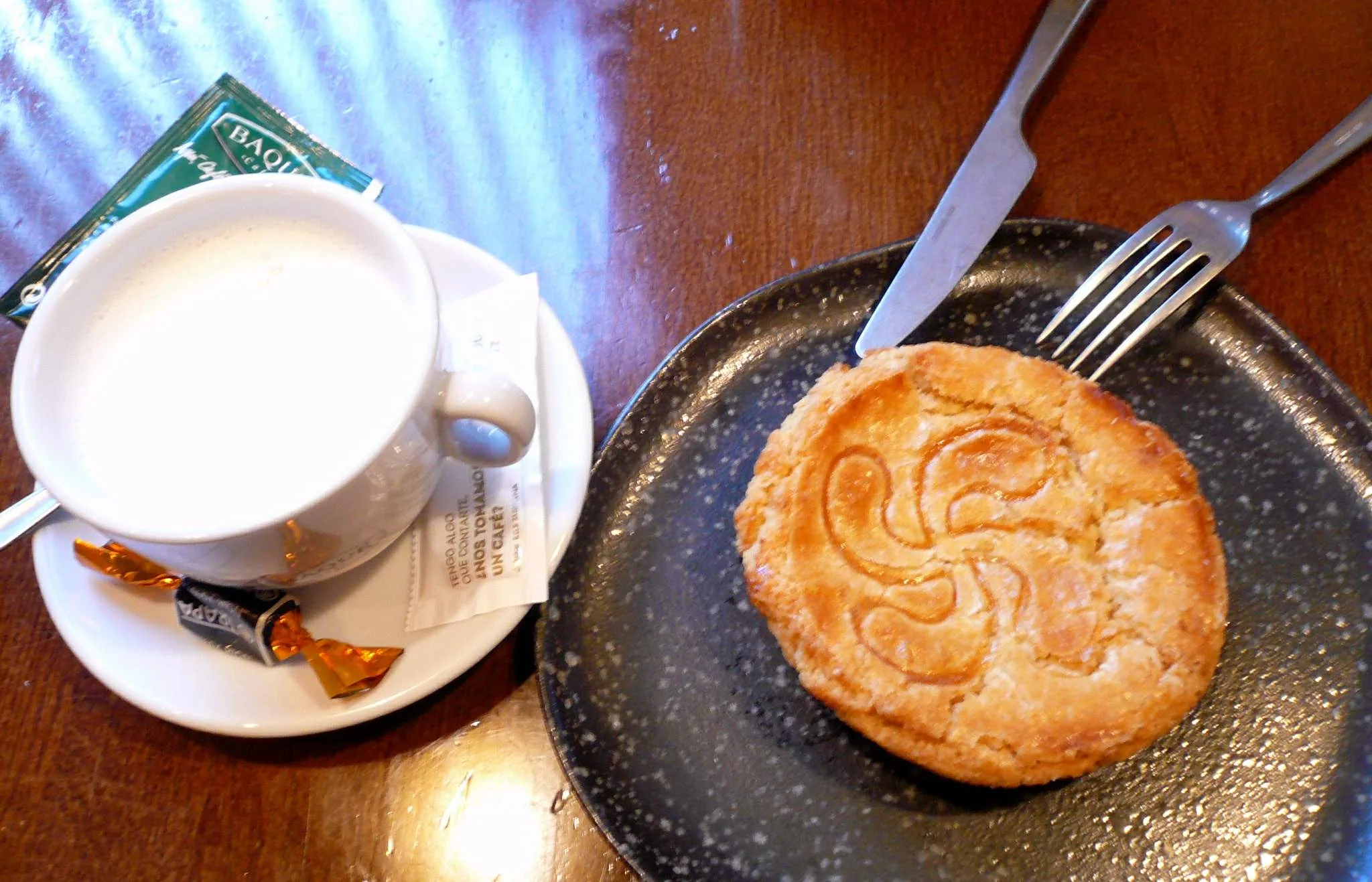
Eating in Bilbao is one of the most direct ways to understand Basque culture: pintxos, old-town bar counters, cod dishes, seafood and recipes strongly tied to local produce.
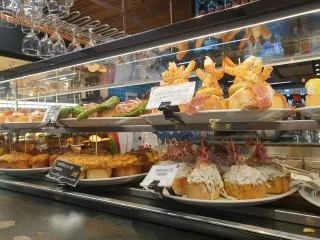
If you enjoy eating while moving from bar to bar, Bilbao works especially well for that style.
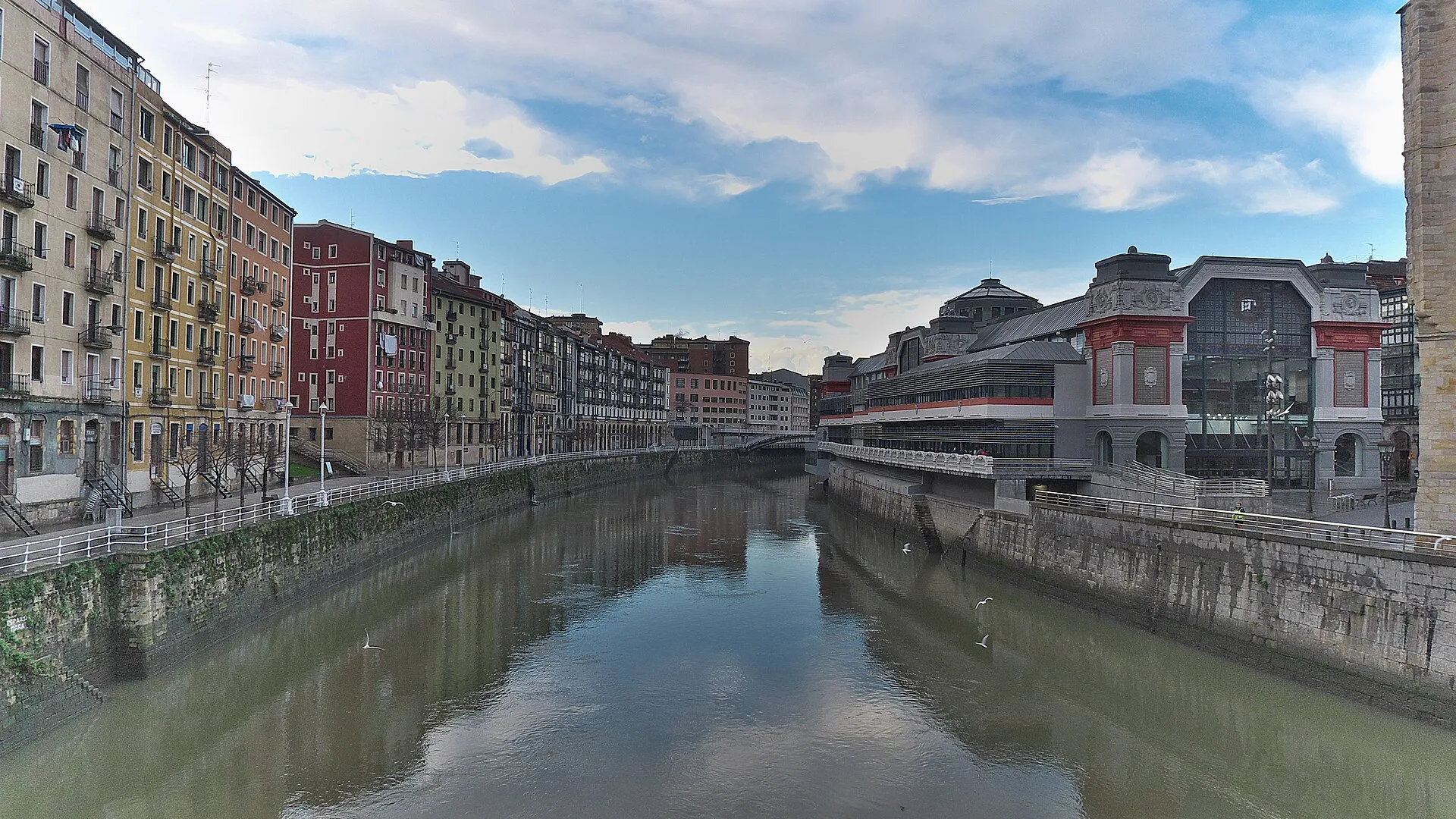
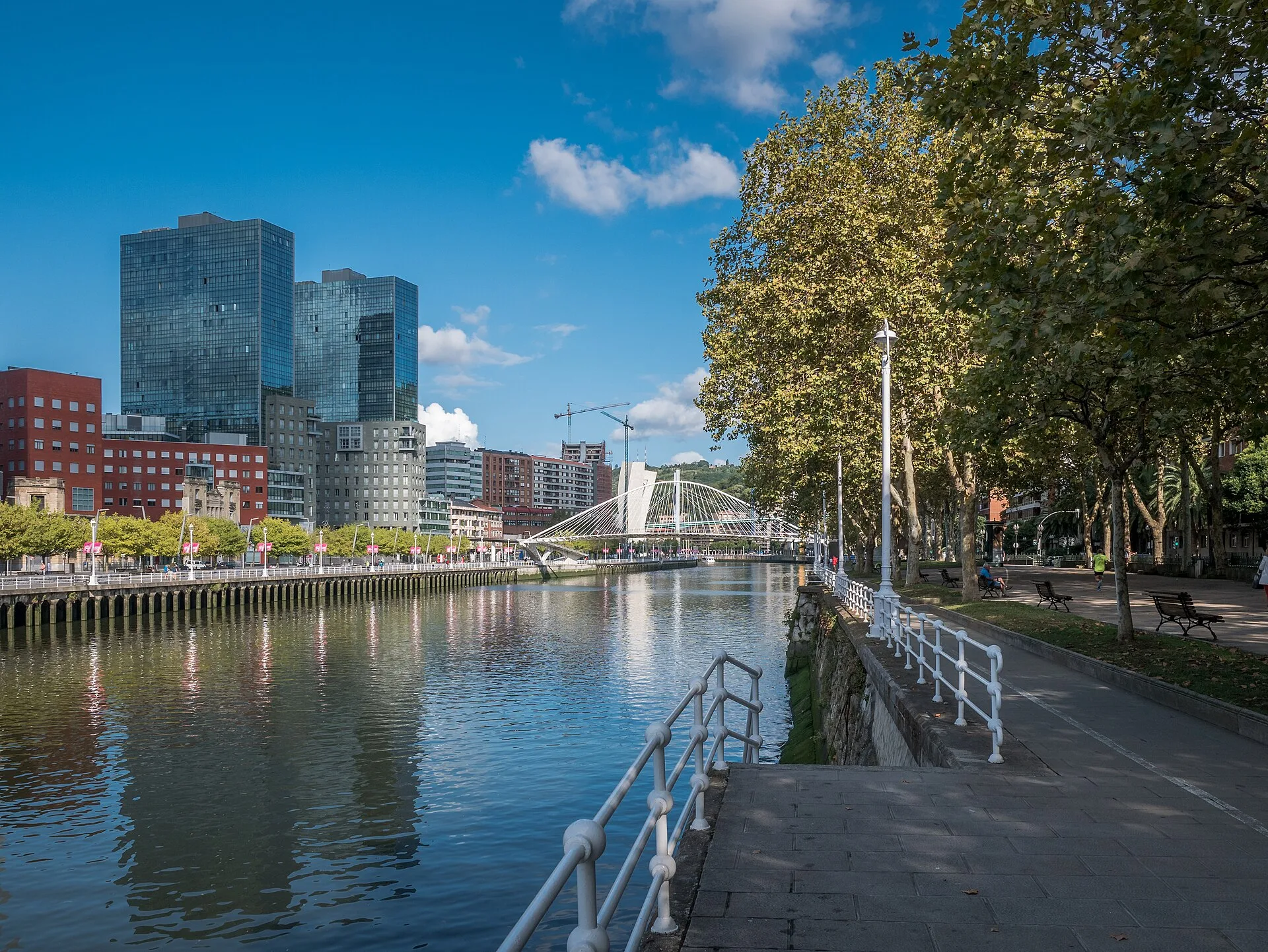
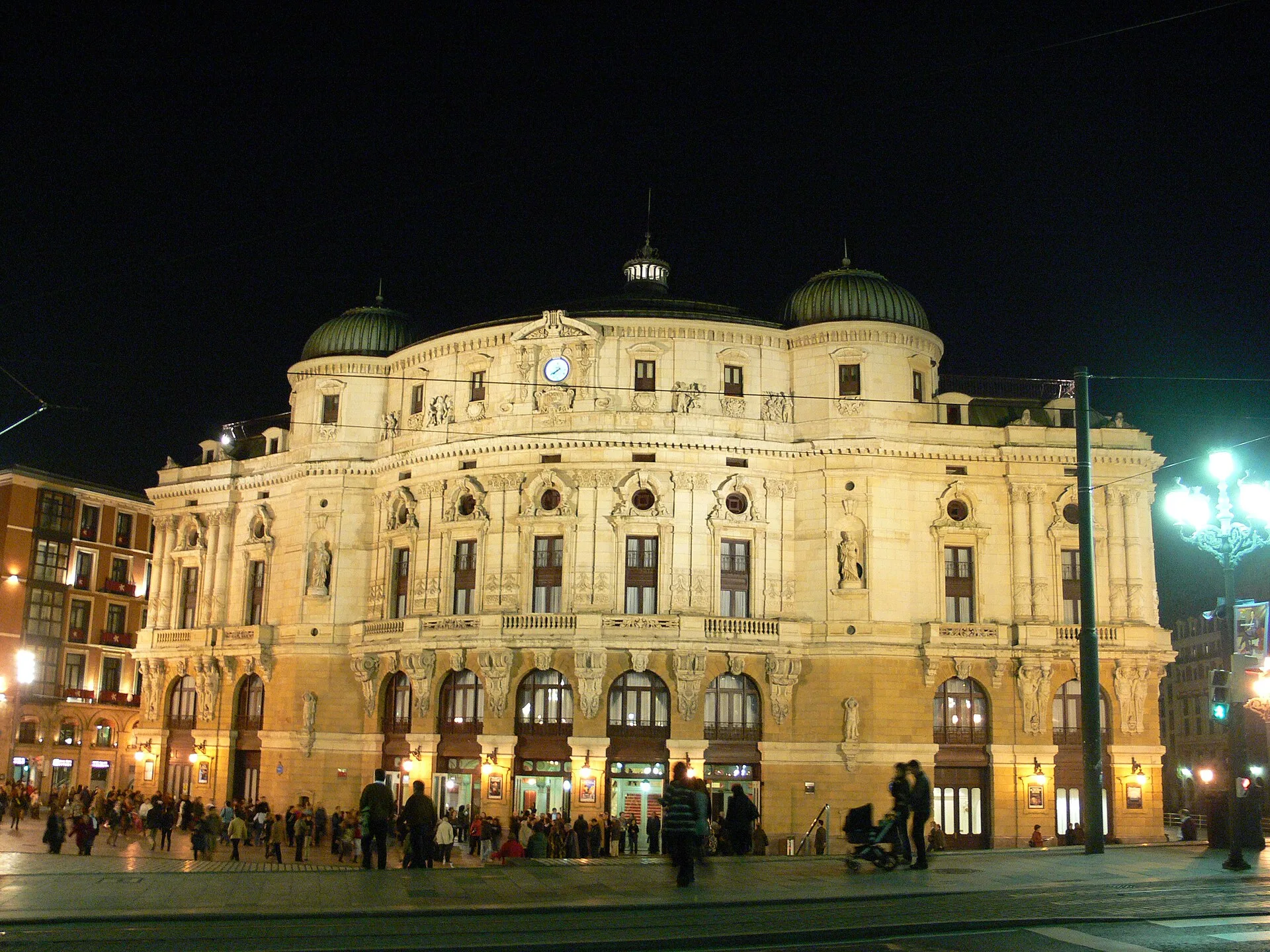
Bilbao is one of the Basque Country’s most representative cities. Along the river you find contemporary architecture, riverside walks, old-town streets and local food culture living together. Here are the landmarks most worth adding to your route.
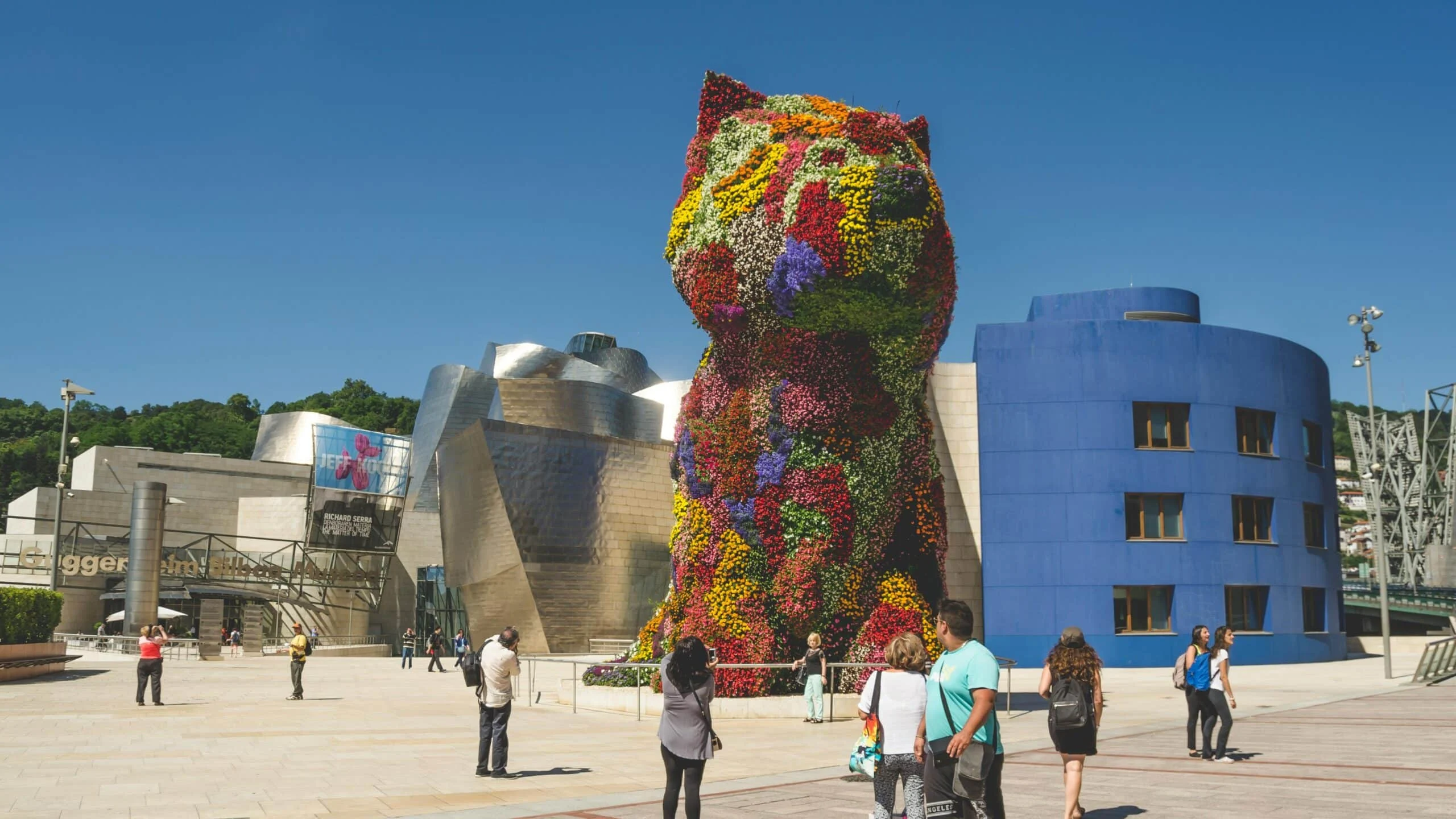
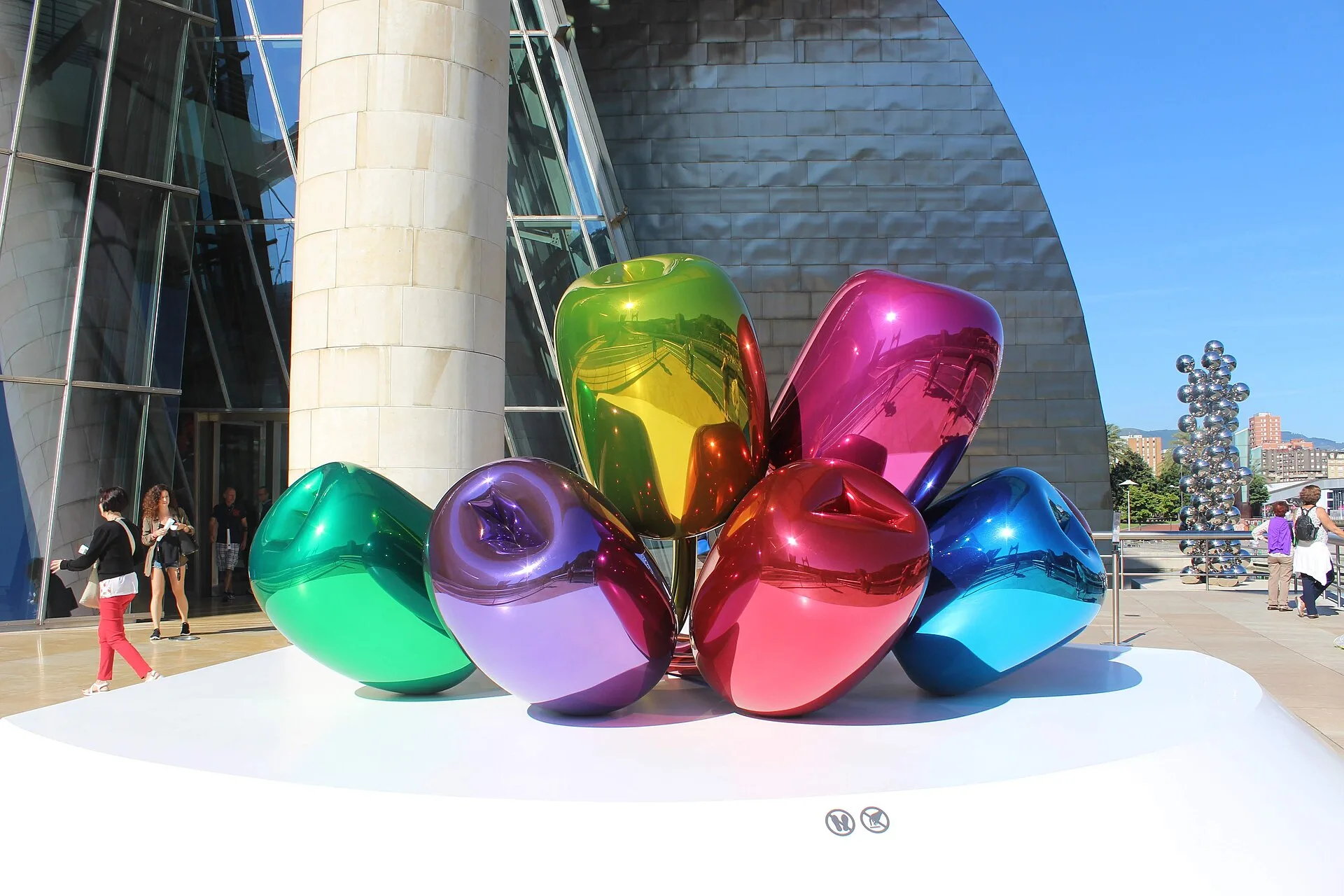
One of Bilbao’s signature contemporary landmarks, with its titanium exterior facing the river. Nearby you can also spot Puppy and large-scale installations.
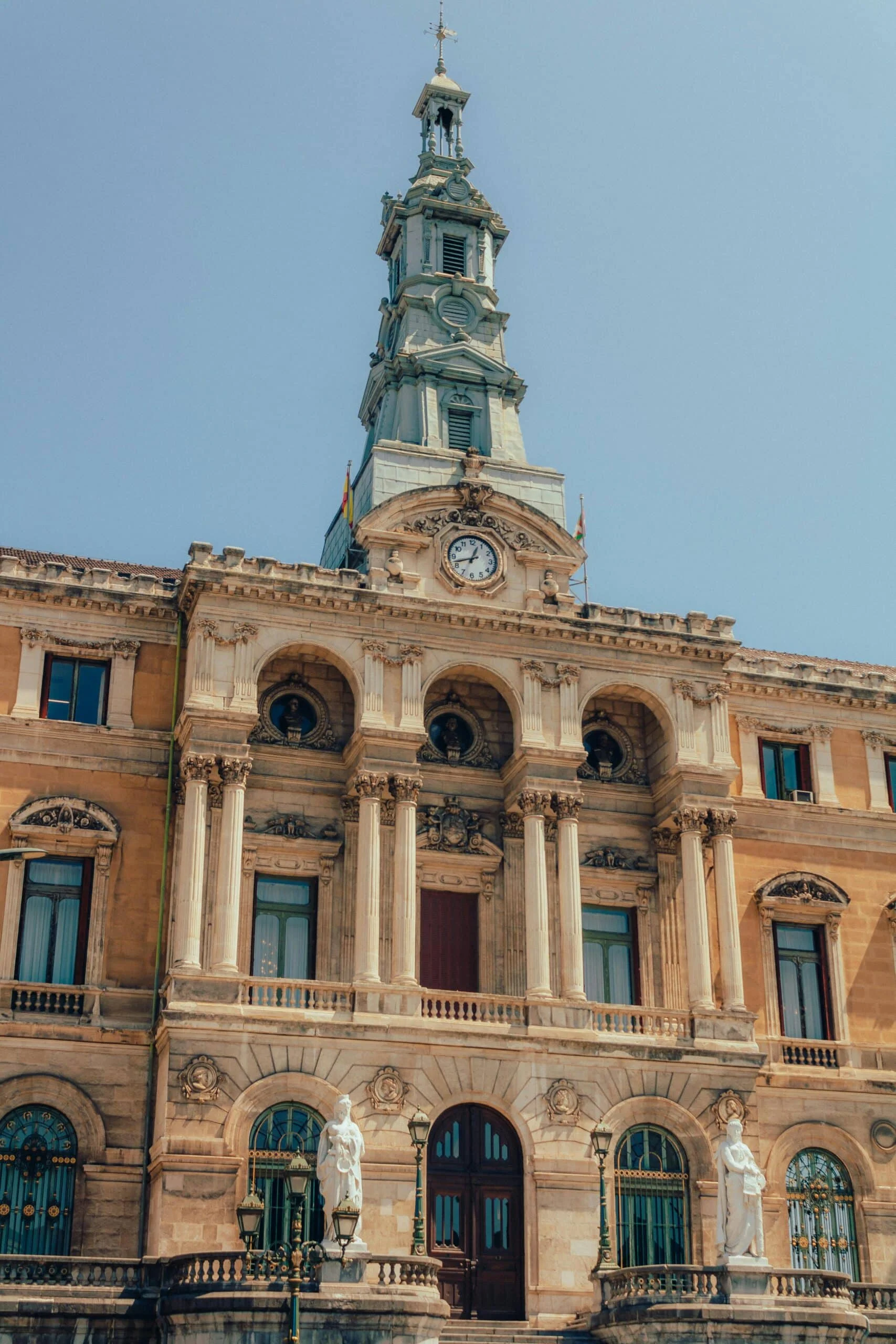
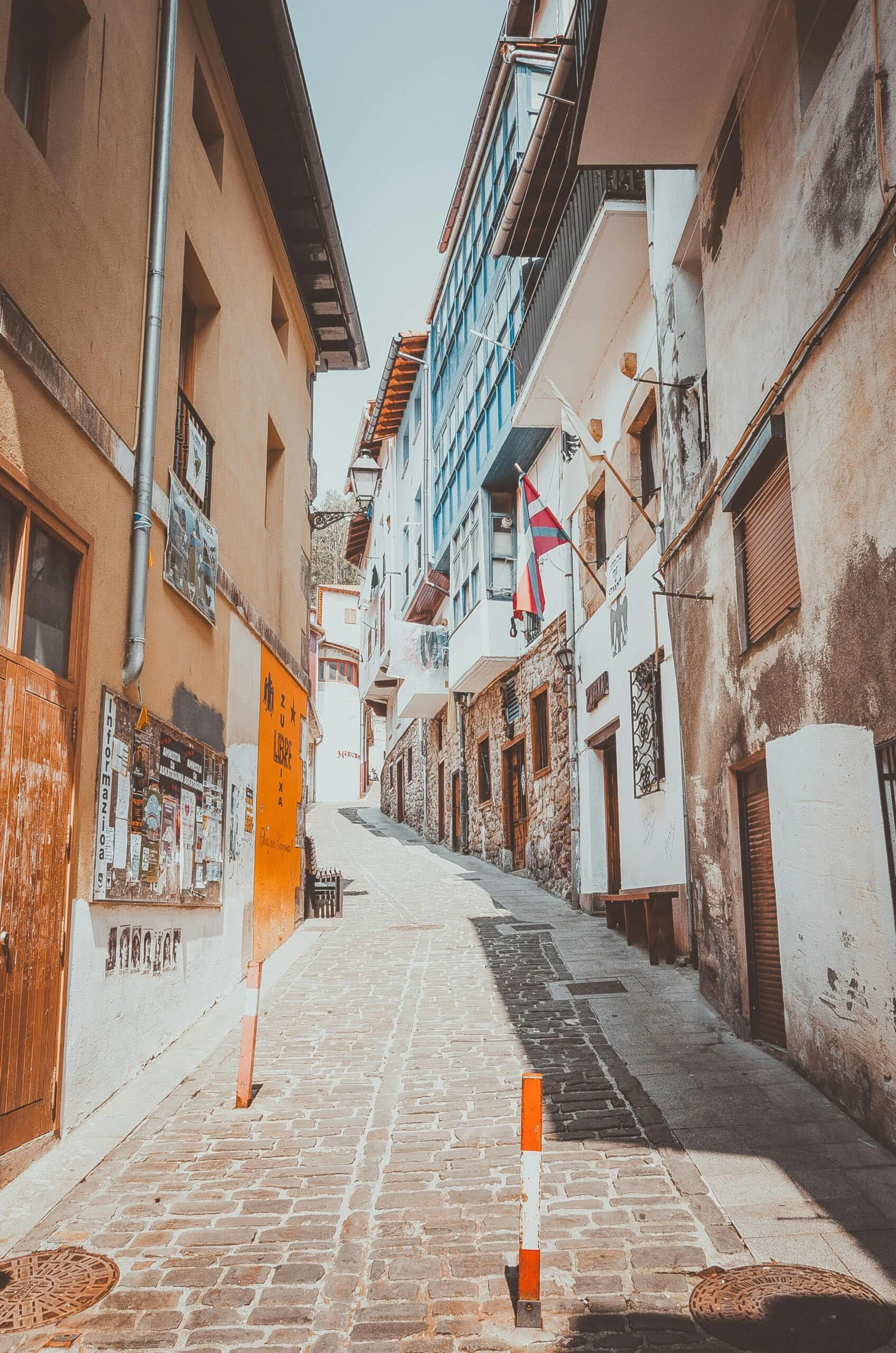
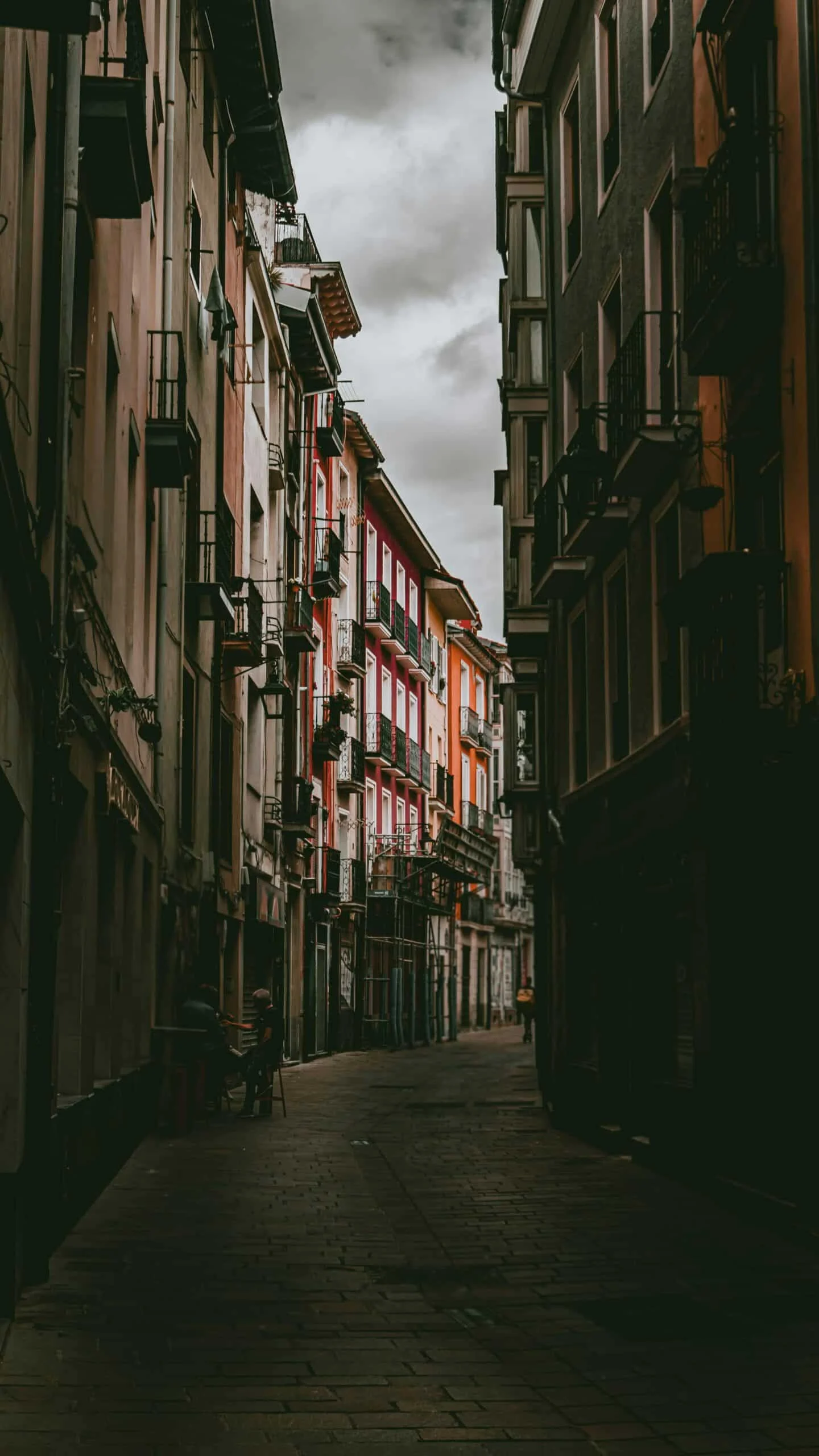
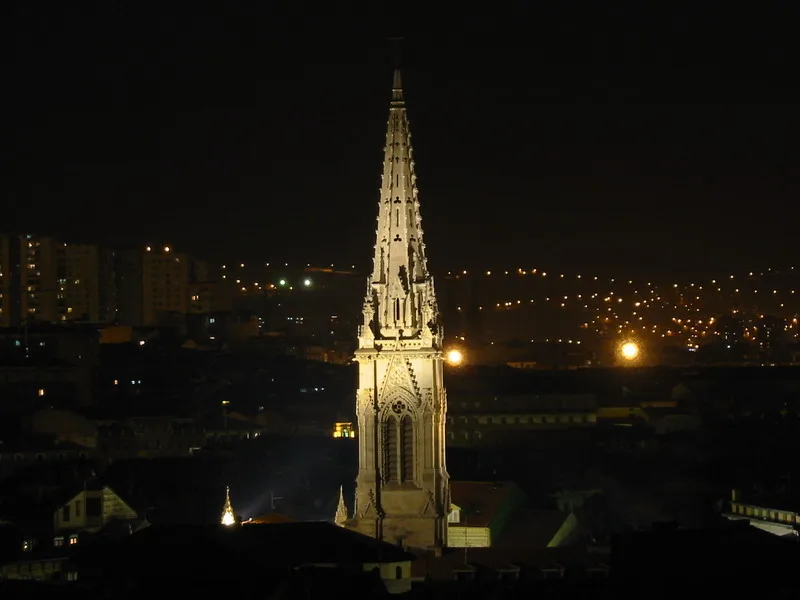
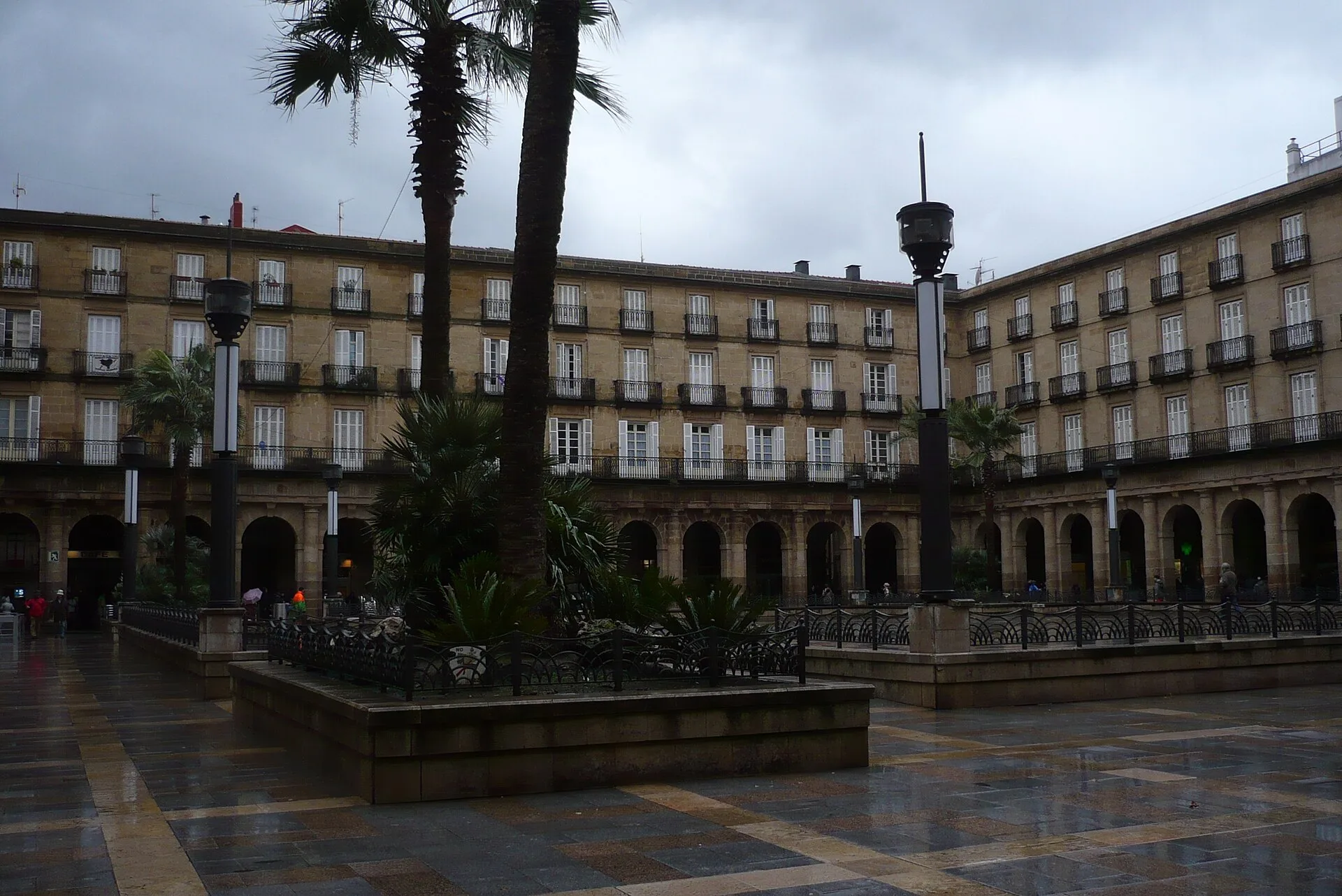
If you want to feel Bilbao’s historical layer, the old town is essential. Its streets mix traditional shops, bars and the Cathedral of Santiago. Plaza Nueva nearby is one of the classic pintxos spots.
This arcaded square on the edge of the old town has great atmosphere. It is one of the best places to experience pintxos culture and practise ordering in Spanish.
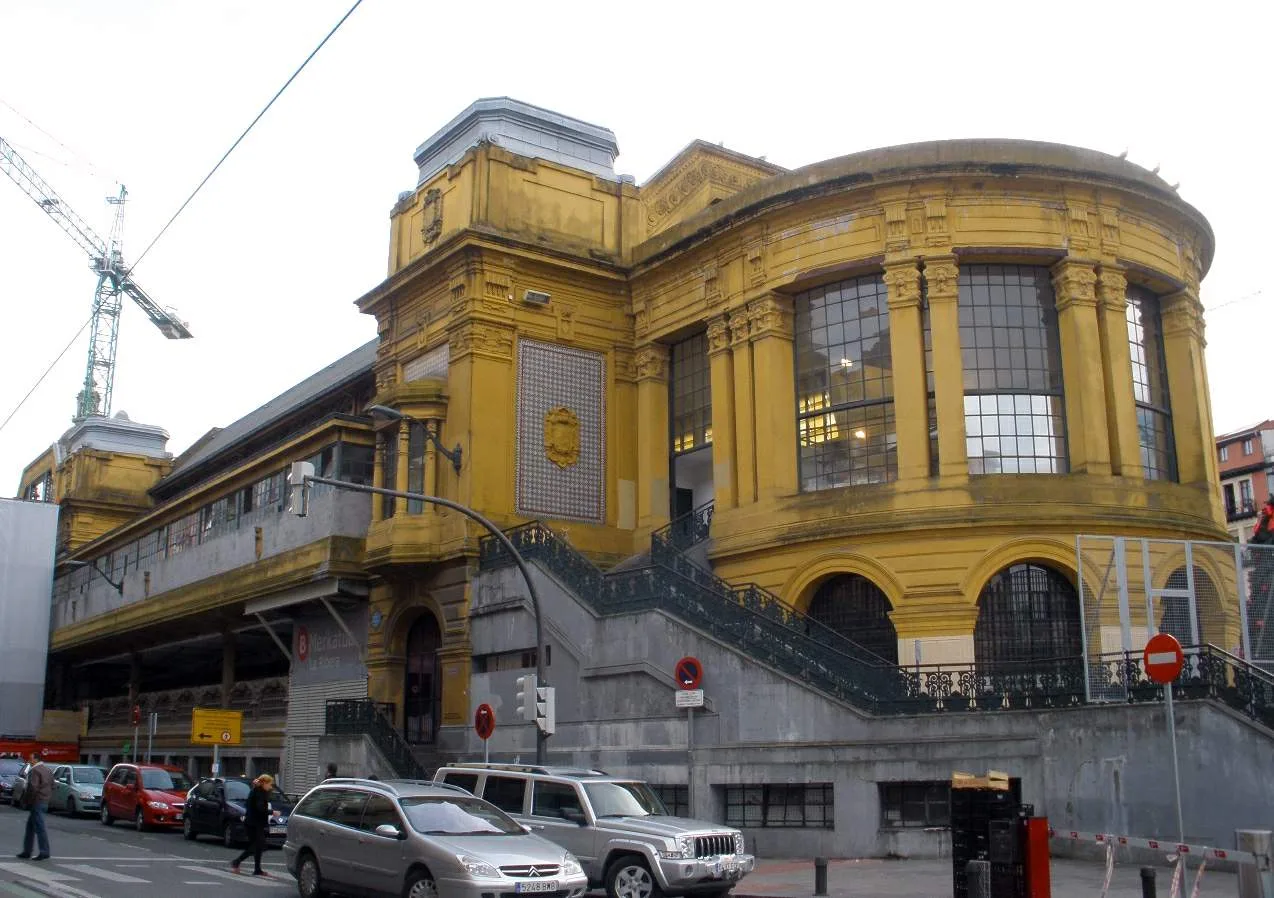
A large riverside market that combines produce stalls with places to eat. It is a very natural way to connect with local food culture.
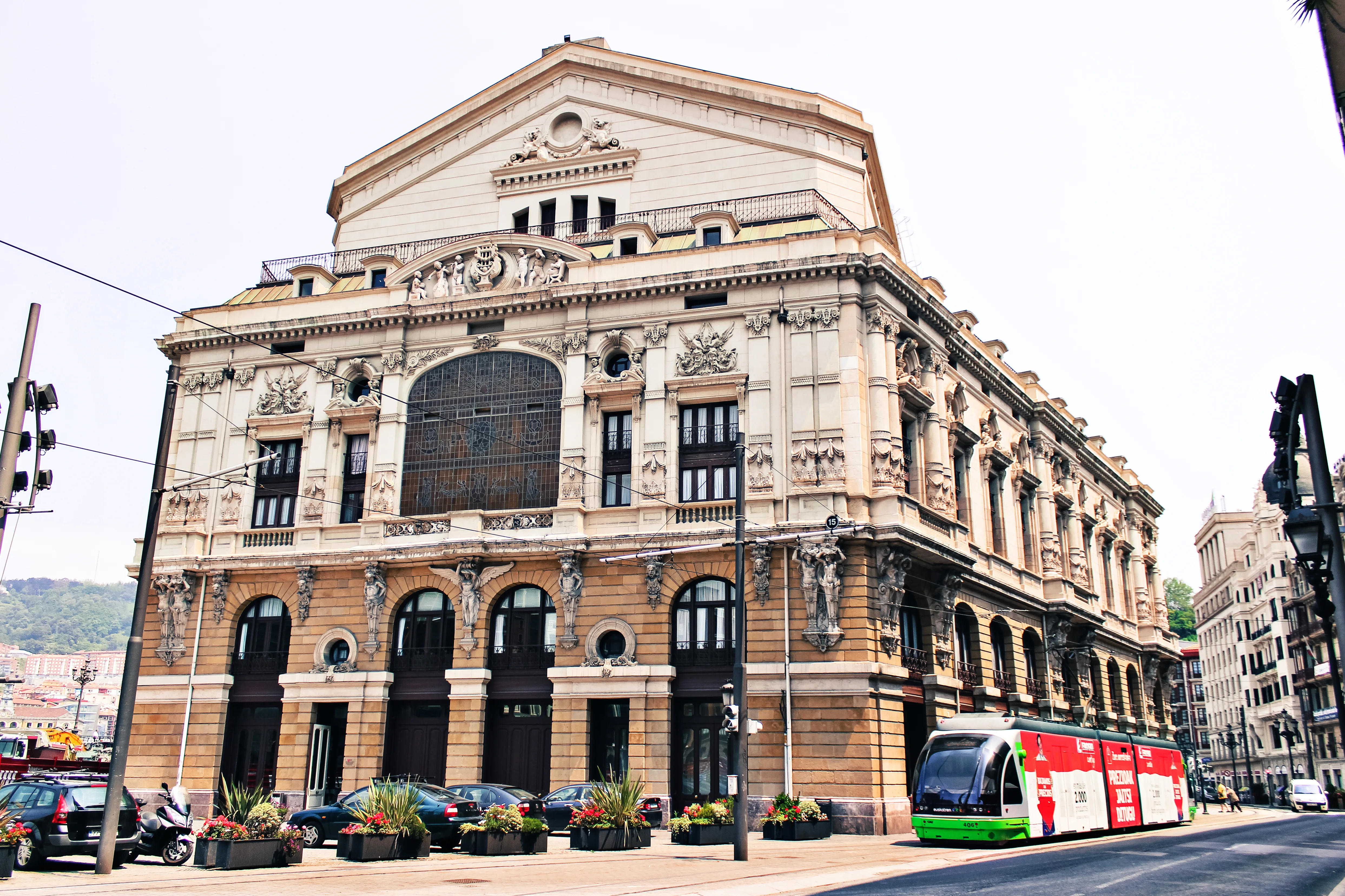
One of the most elegant riverside buildings in Bilbao. It works very well as a stop on a walking route between the old town and the riverfront.
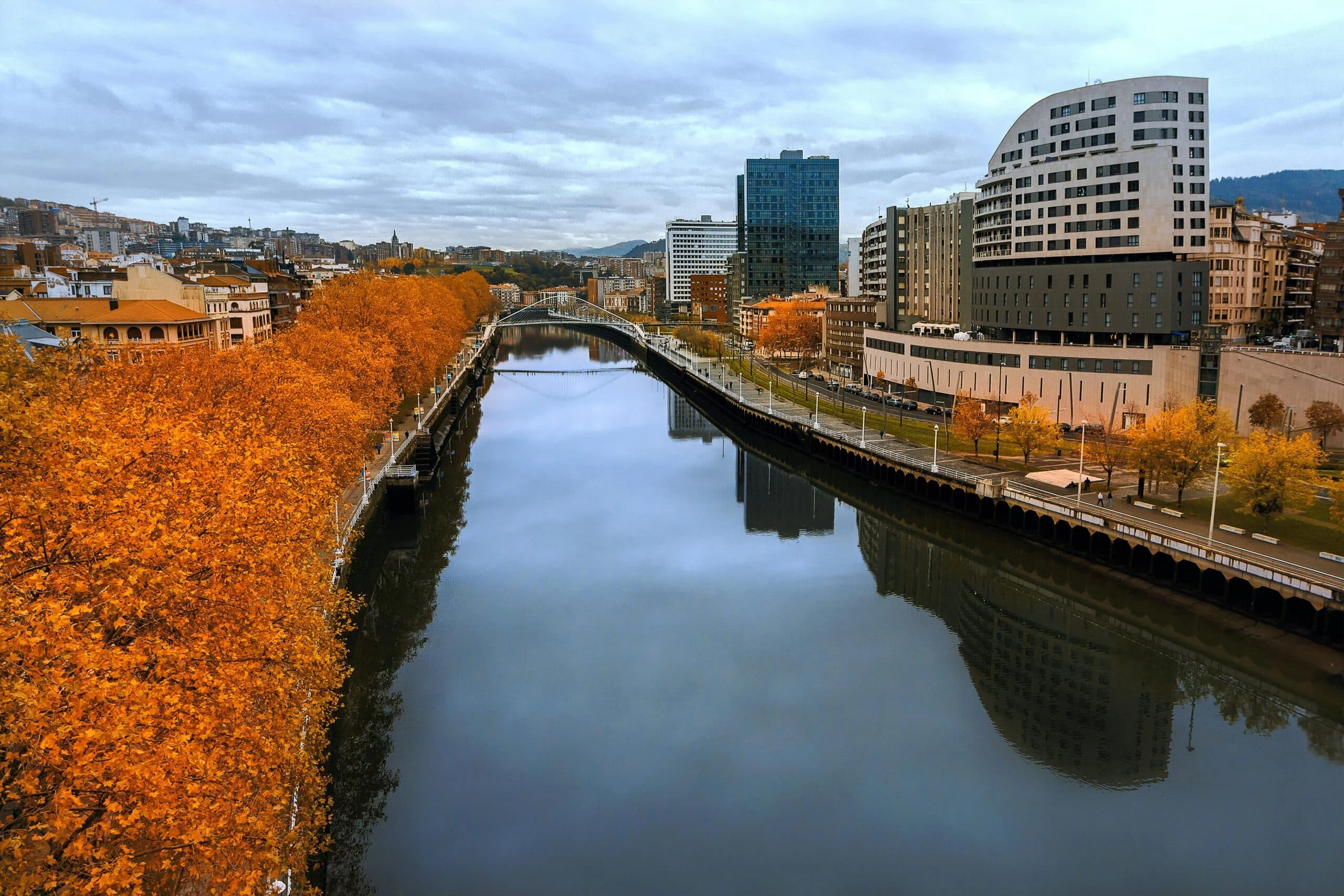
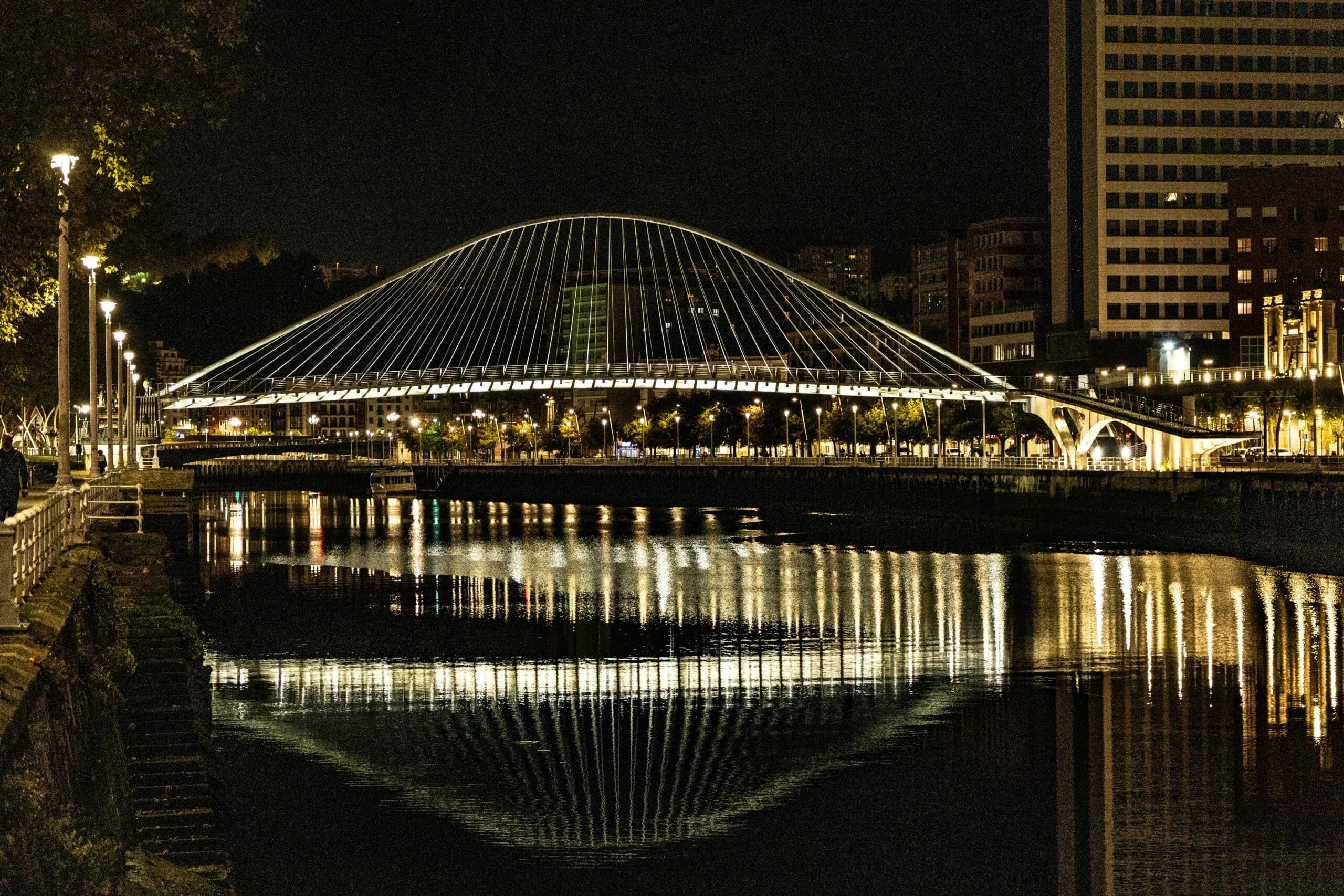
Calatrava’s striking “white bridge”. From here it is easy to continue walking towards the Guggenheim or along either side of the river, and it looks great at night.
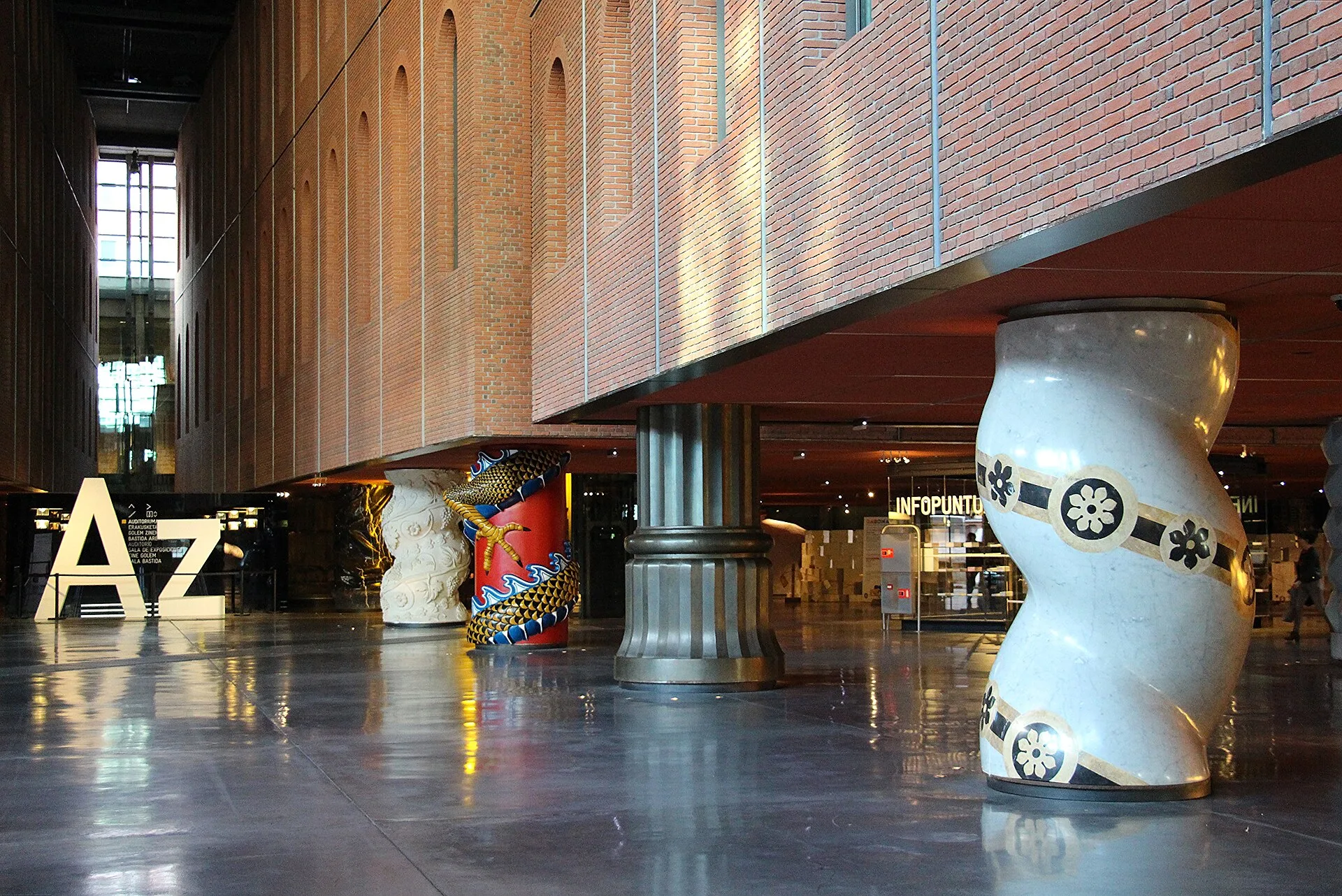
A former warehouse turned cultural centre that mixes exhibitions, events and city life. For students it is an excellent rainy-day plan.
Compare city rhythm, school location and course type to find the Bilbao option that suits you best.

Bilbao has an Atlantic climate, generally mild through much of the year with occasional rain. Most students prefer spring and autumn; if you want the liveliest atmosphere, August and Aste Nagusia stand out.
Yes. Bilbao has a manageable pace of life and plenty of everyday situations to practise: cafés, shopping, transport and cultural activities. While there is some Basque bilingual context, daily life works mainly in Spanish.
For many students, Abando and Indautxu are the most practical. If you prefer a historic atmosphere, Casco Viejo works well; for something quieter, Deusto or areas closer to the river are often a better fit.
Bilbao is very walkable. For trips between districts, most people combine Metro Bilbao, the tram and Bilbobus. A reloadable travel card is usually the easiest option for students.
The cost of living is usually somewhere between medium and moderately high by Spanish standards, mostly because of accommodation. Sharing a flat, living outside the very centre and using markets and daily menus helps keep things under control.
The most effective approach is usually to practise inside real situations: asking for directions in Casco Viejo, ordering pintxos in a bar, shopping at Mercado de la Ribera or joining events and exhibitions.
Yes. Our partner schools can offer goal-oriented courses such as DELE or SIELE, combined with speaking practice, writing work and mock exams. If your goal is the exam itself, planning early usually works best.
Quote planner
Answer a few quick questions and choose how you want to continue.
Hi! 👋
We use necessary cookies so the website works properly and, with your permission, analytics or marketing cookies to improve the experience and load external services. Cookie Policy
You can accept all cookies, reject optional ones, or choose category by category.
Cookies required for the website to work properly, remember language preferences, and store your privacy choices.
These help us understand how the website is used so we can improve content, performance, and user experience.
These allow external content, campaign measurement, or third-party services to load only after visitor consent.