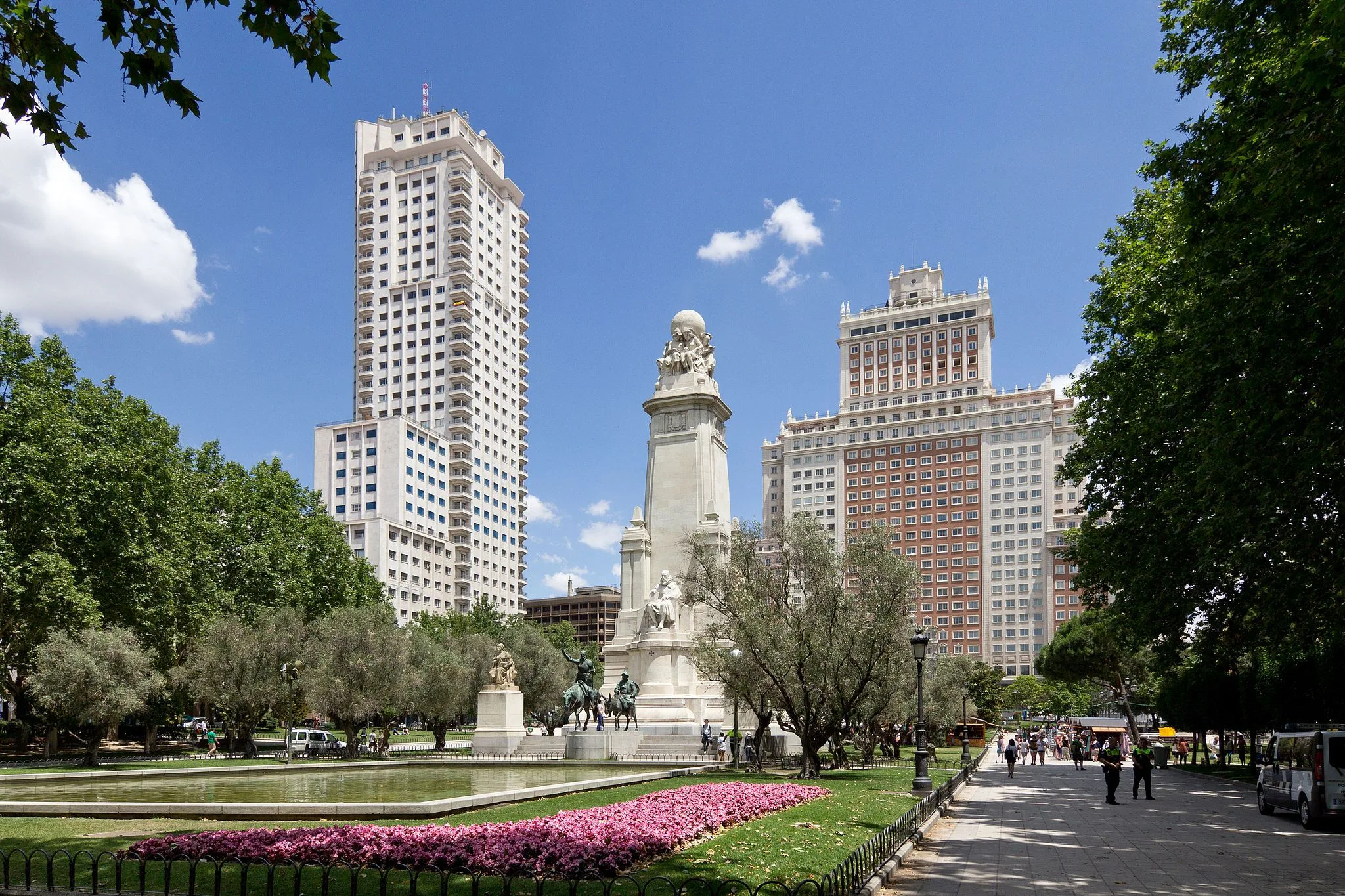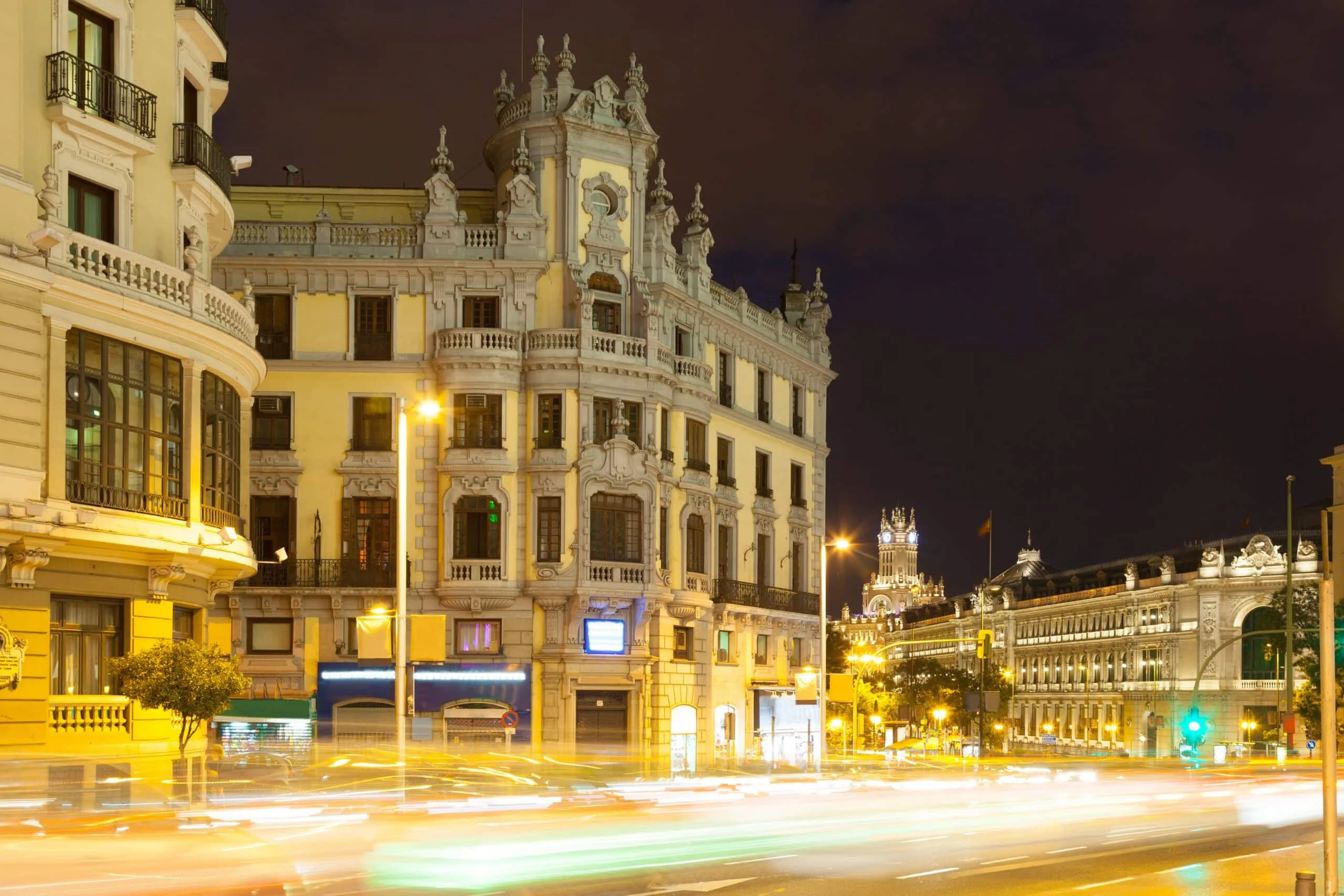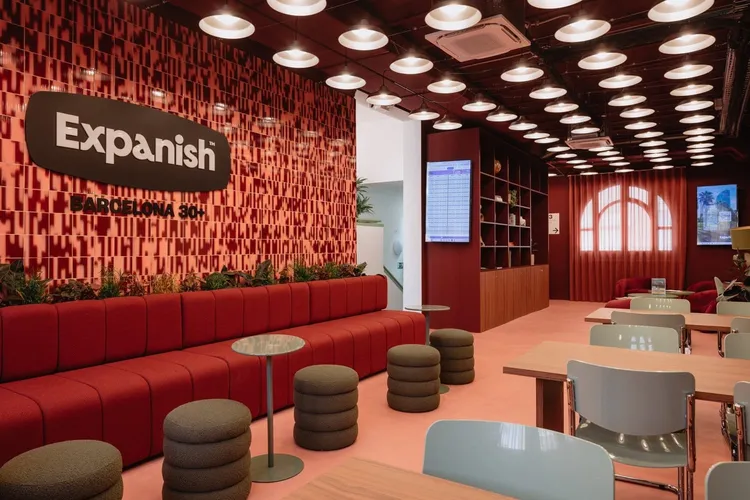
Real immersion every day
From ordering food and asking for directions to joining cultural activities and language exchanges, Madrid gives you constant opportunities to keep using Spanish beyond class time.
Tools
Tell us about your plans and we'll help you find the perfect school.
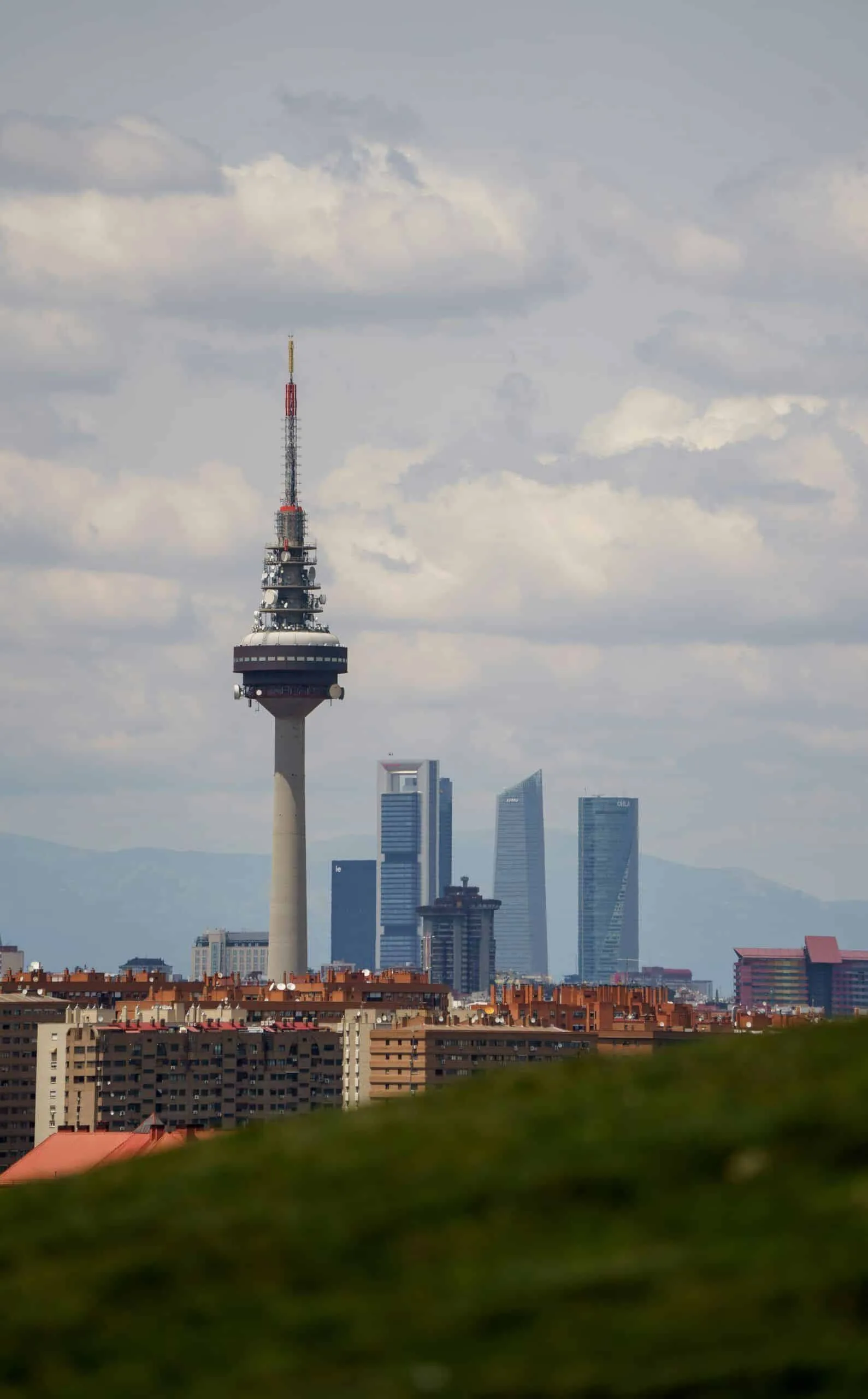
Madrid is one of the most complete destinations in Spain for students who want to combine Spanish language immersion, culture and everyday city life. From the Prado Museum and the Royal Palace to Retiro Park, Gran Vía and neighbourhoods such as Malasaña, Chueca and La Latina, the city offers a balance of history, energy and real local routine. Studying Spanish in Madrid means practising the language naturally every day: in cafés, markets, museums, parks and conversations across the city. For students looking for a well-connected destination with strong cultural life and a real urban rhythm, Madrid is one of the best places in Spain to learn Spanish beyond the classroom.
Studying Spanish in Madrid means placing the language inside real daily life. The city combines world-class museums, historic squares, major green spaces, distinctive neighbourhoods and a strong food culture, while also being easy to navigate and highly practical for longer stays. You can practise Spanish naturally in cafés, markets, public transport, parks and everyday conversations, while getting to know one of the most dynamic cities in Spain from the inside.
From ordering food and asking for directions to joining cultural activities and language exchanges, Madrid gives you constant opportunities to keep using Spanish beyond class time.
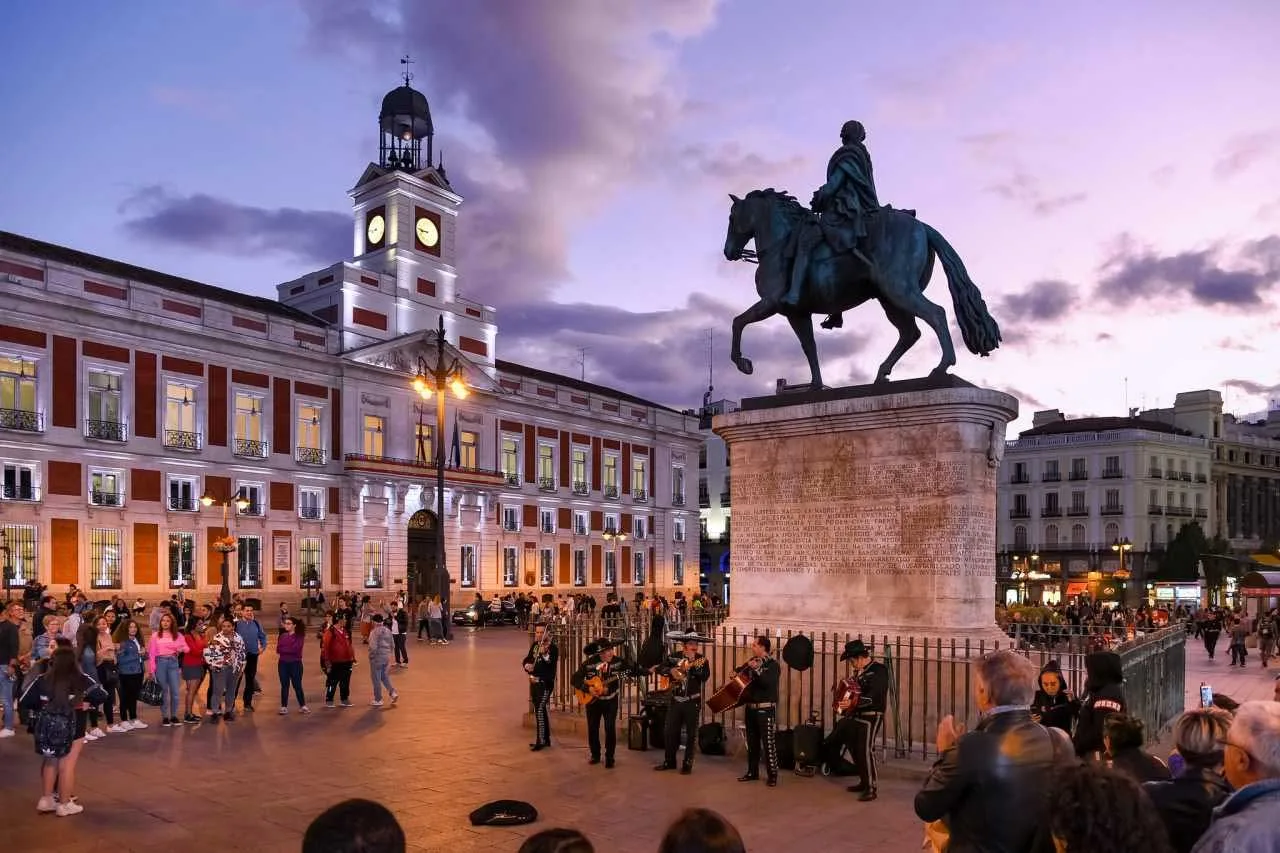
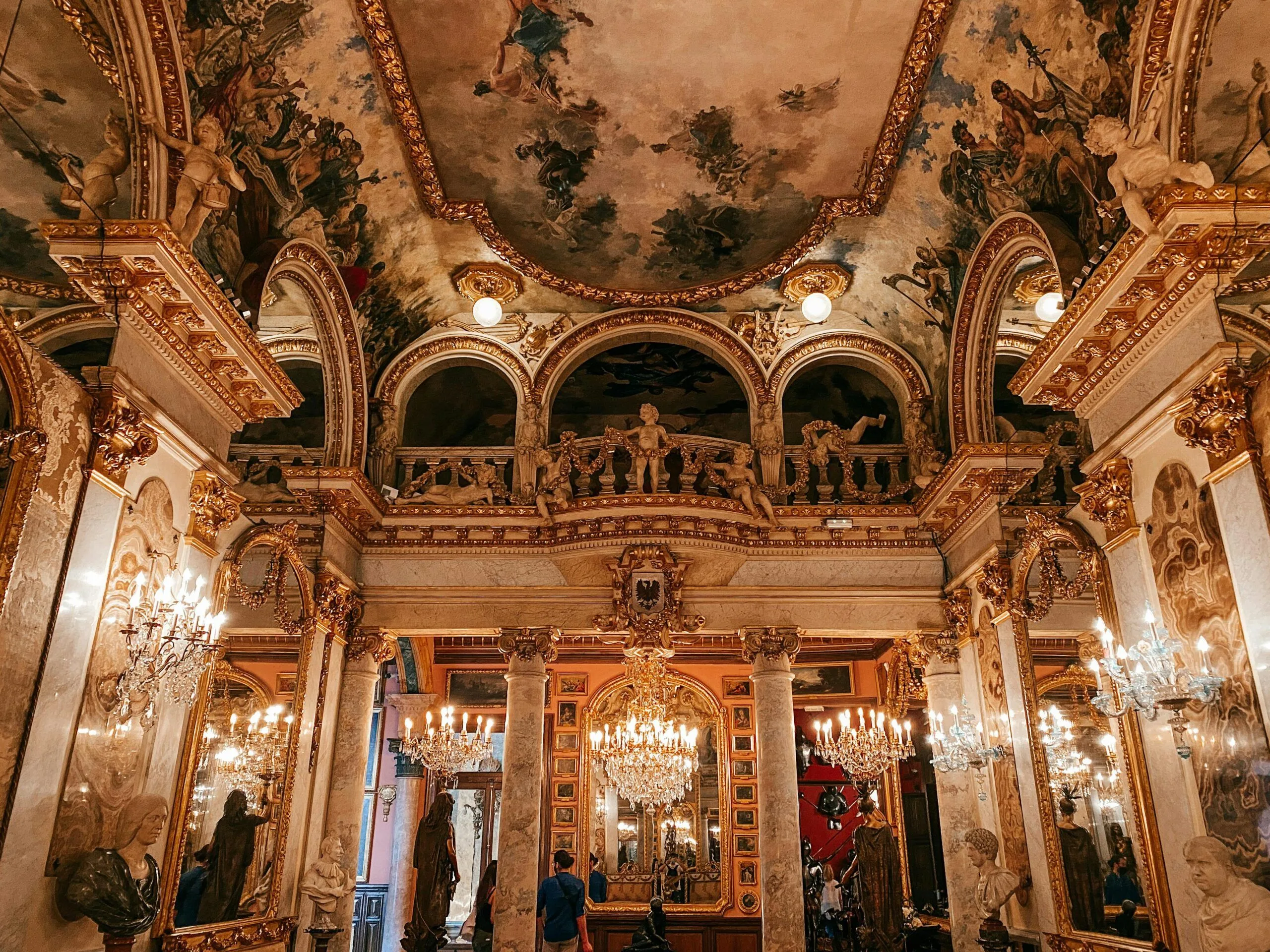
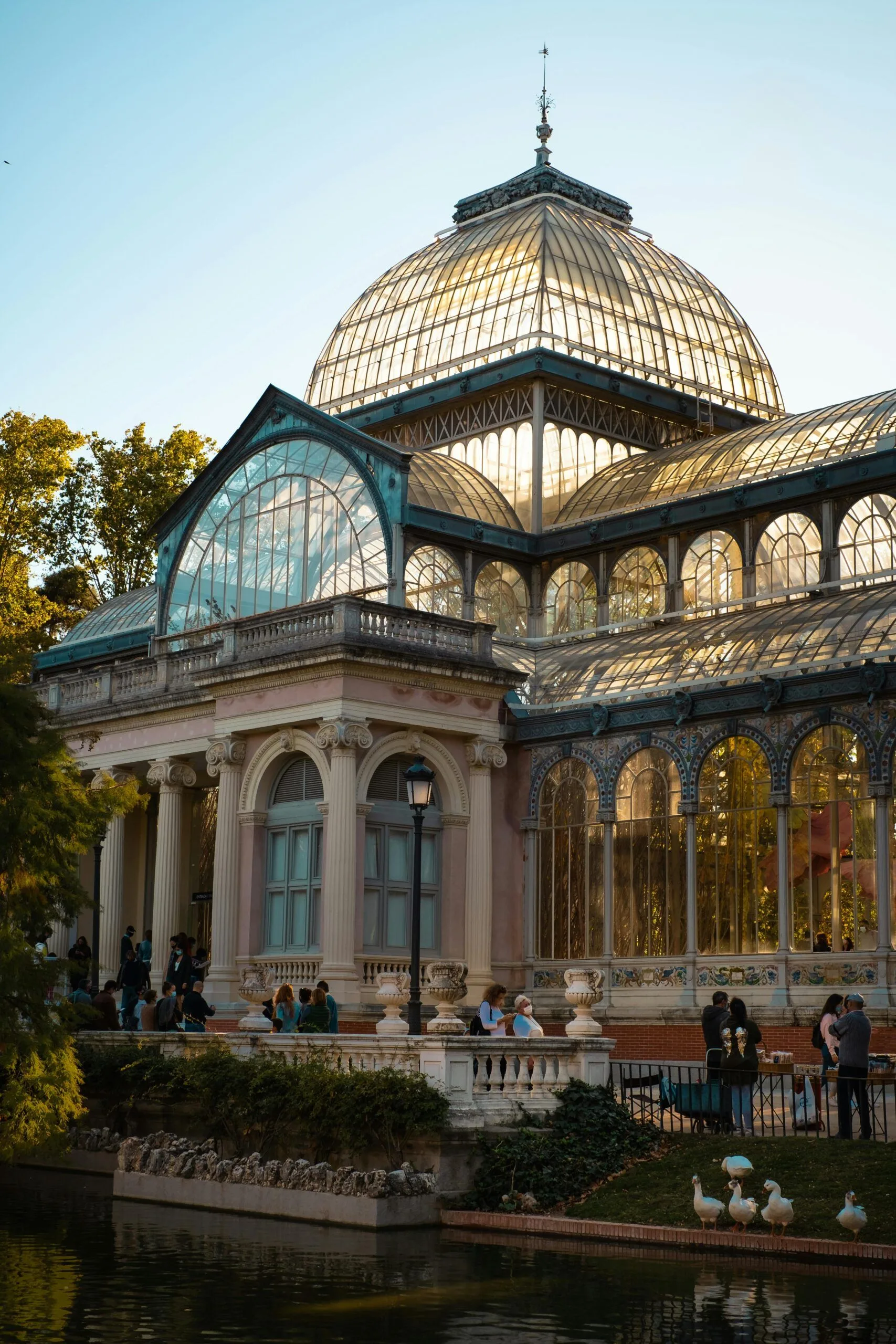
From the Prado and Reina Sofía to the Royal Palace, La Latina, Malasaña and Chueca, Madrid makes it easy to combine major cultural landmarks with everyday city life.
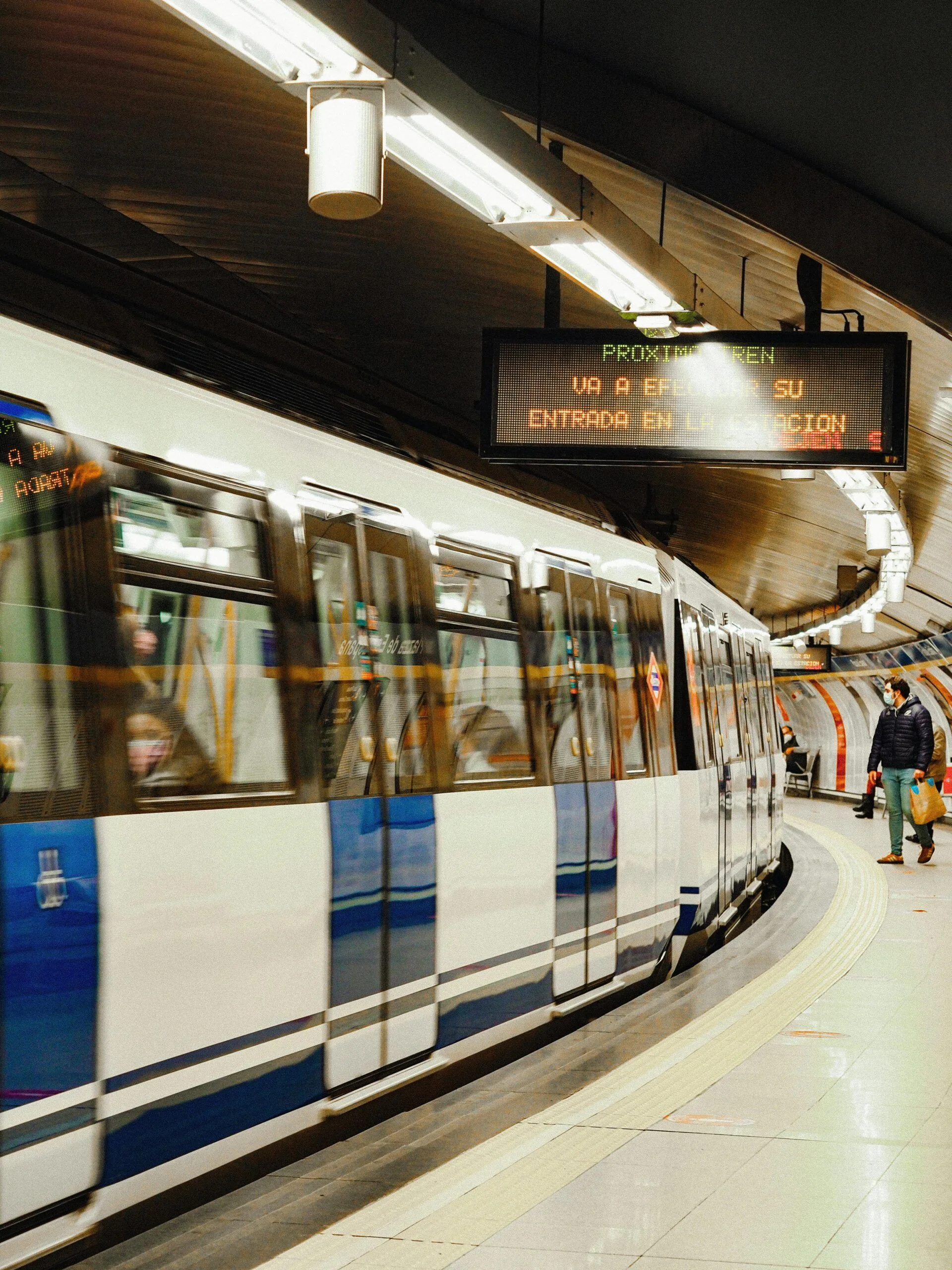
With an extensive metro and bus network, strong day-to-day infrastructure and excellent travel connections, Madrid works especially well for students planning a longer stay.
Madrid has a very complete public transport network, including the metro, EMT buses, Renfe Cercanías and Metro Ligero. For students coming to learn Spanish, the easiest combination is usually metro plus bus, making it simple to connect classes, accommodation and everyday life.
Madrid Metro is one of the fastest ways to move across the city. For students, it usually becomes the backbone of everyday life. It is always worth checking the official map, service information and notices at metromadrid.es.
EMT buses are especially useful when the metro does not leave you exactly where you need to be. At night, the N lines become an important option if you are coming back late. Routes and journey planning are available on EMT Madrid.
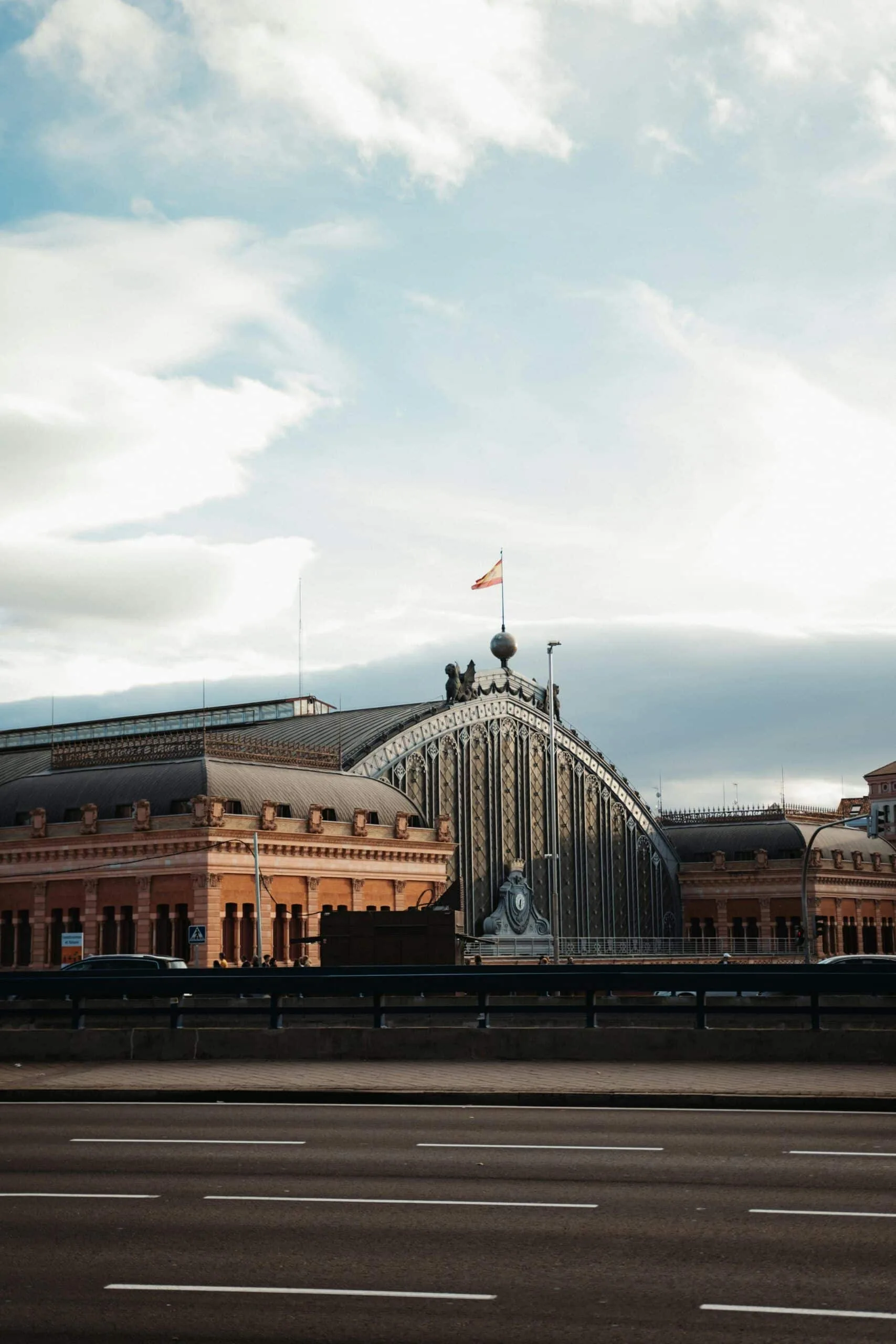
Cercanías is especially useful if you need to move regularly between Atocha, Chamartín, Nuevos Ministerios or the wider Madrid area. It is also handy for day trips or if you are staying further from the centre. Official information is on Renfe Cercanías Madrid.
From the airport to the centre, the most common options are the 203 Airport Express, metro line 8 or Cercanías from T4. The best choice depends on your terminal, your luggage and whether you need to connect with trains at Atocha or Chamartín.
The best ticket option depends on how long you are staying and how often you plan to move around. For a short visit, the tourist ticket can work well; for occasional rides, a 10-trip option is often enough; and for a longer stay, a monthly pass is usually better value. Updated rules and fares are available on CRTM.
The Tarjeta Multi is the standard reloadable card for getting around Madrid without overthinking it. It can hold different non-personal ticket types, depending on official availability, and is usually the most practical option for short to medium stays. Details are on the official page.
BiciMAD can be a convenient option for short rides in well-connected parts of the city. On pleasant days, it is a flexible way to move around, as long as you follow bike-lane rules and legal parking guidance. Official information is on bicimad.com.
For specific trips, late nights or journeys with luggage, taxis and VTC services can be a comfortable option. Official fare and consumer information is available through the Community of Madrid.
Madrid has festivals, cultural programmes and major events throughout the year. Some of the best-known moments are San Isidro, the summer neighbourhood festivities and MADO. This overview helps you place the most useful dates when planning your trip or language stay.
Parades, street performances, family activities and the well-known Entierro de la Sardina tradition.
Location: Matadero, Madrid Río and others | Type: tradition, parade
During these days, the city centre hosts processions, sacred music and a very different atmosphere from the rest of the year.
Location: central Madrid | Type: tradition, religious
A symbolic date with cultural programming and commemorative events across different parts of the city.
Location: centre and districts | Type: commemoration, culture
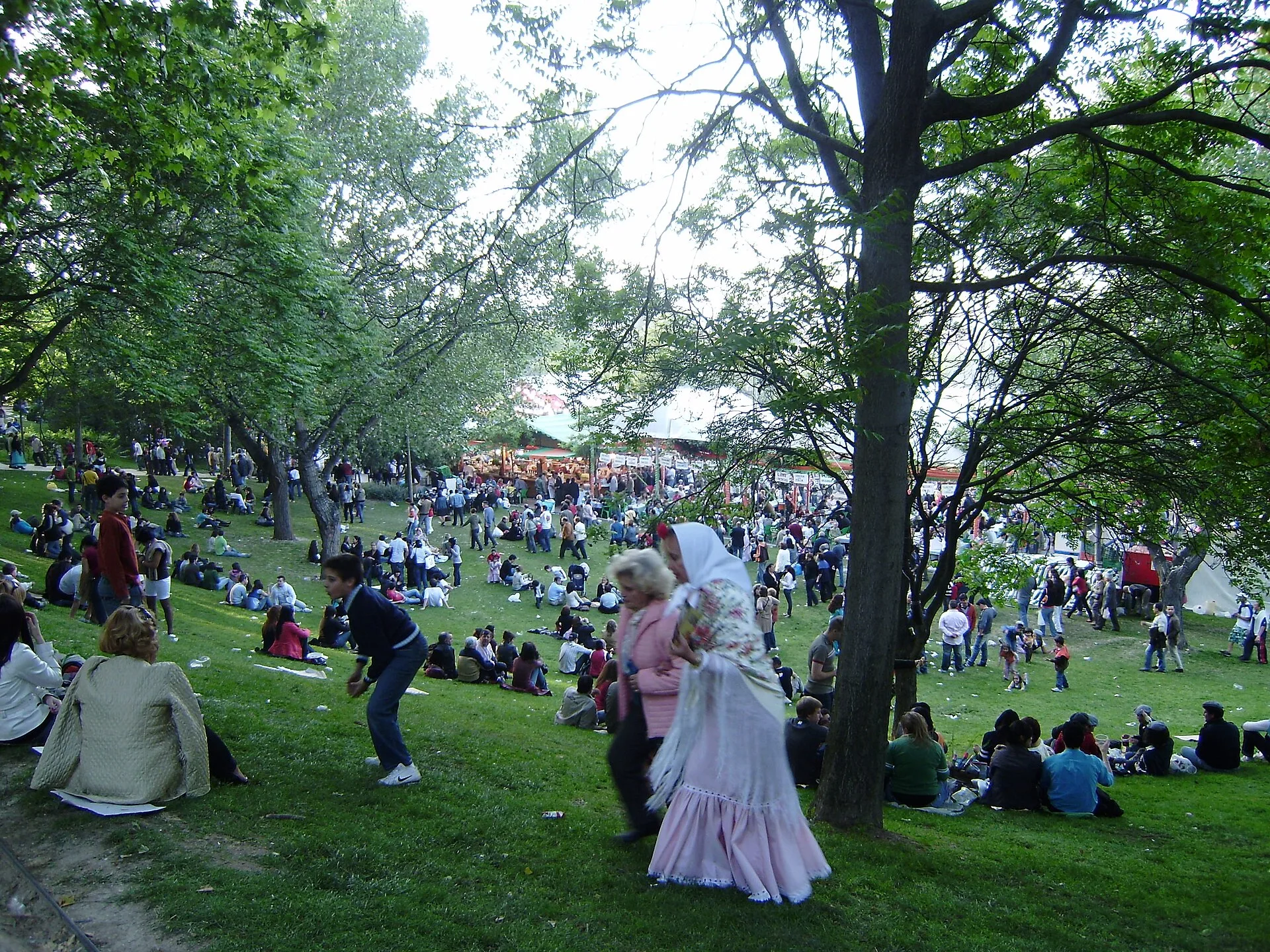
It is Madrid’s signature festival, with open-air festivities, concerts, traditional dress and lively street atmosphere.
Location: Pradera, Las Vistillas, Plaza Mayor and others | Type: tradition, music
Concerts, cultural events and a major parade make Madrid one of Europe’s leading Pride destinations.
Location: Chueca and central axis | Type: culture, advocacy, parade
Madrid’s summer fills with music, theatre, film and dance in venues spread across the city.
Location: multiple venues | Type: performing arts, music
One of Madrid’s best-loved summer neighbourhood festivals, especially tied to La Latina and a strong local atmosphere.
Location: La Latina area | Type: tradition, neighbourhood festival
Two iconic moments in Madrid’s calendar: the Three Kings Parade and New Year’s Eve countdown at Puerta del Sol.
Location: central Madrid | Type: family, tradition
These dates are only typical references and may vary each year; it is best to confirm the official programme on esmadrid.com and madrid.es.
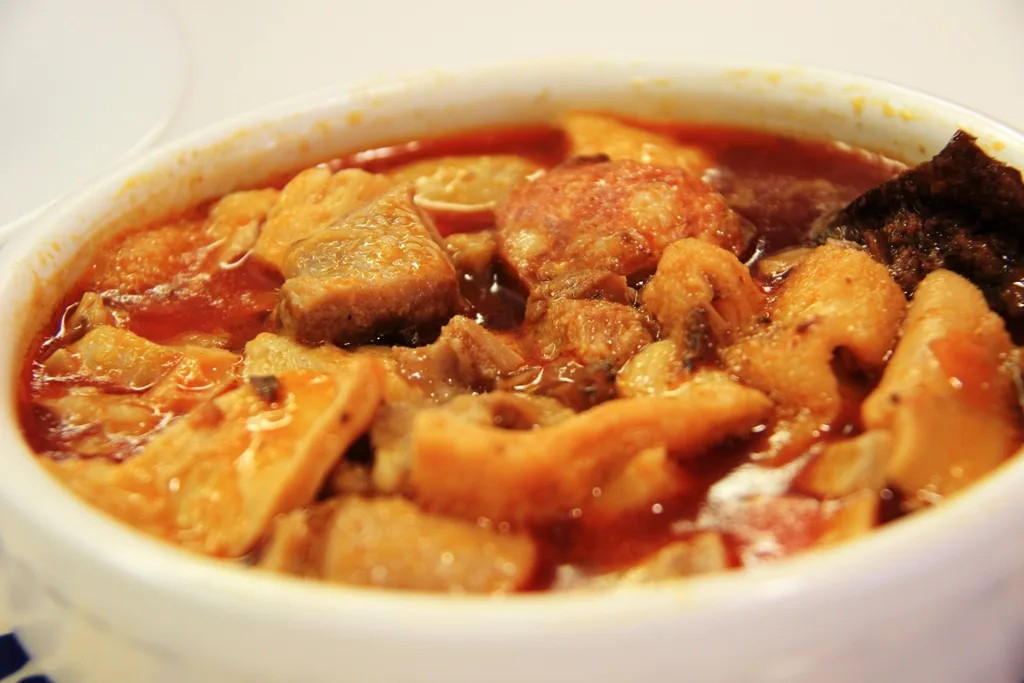
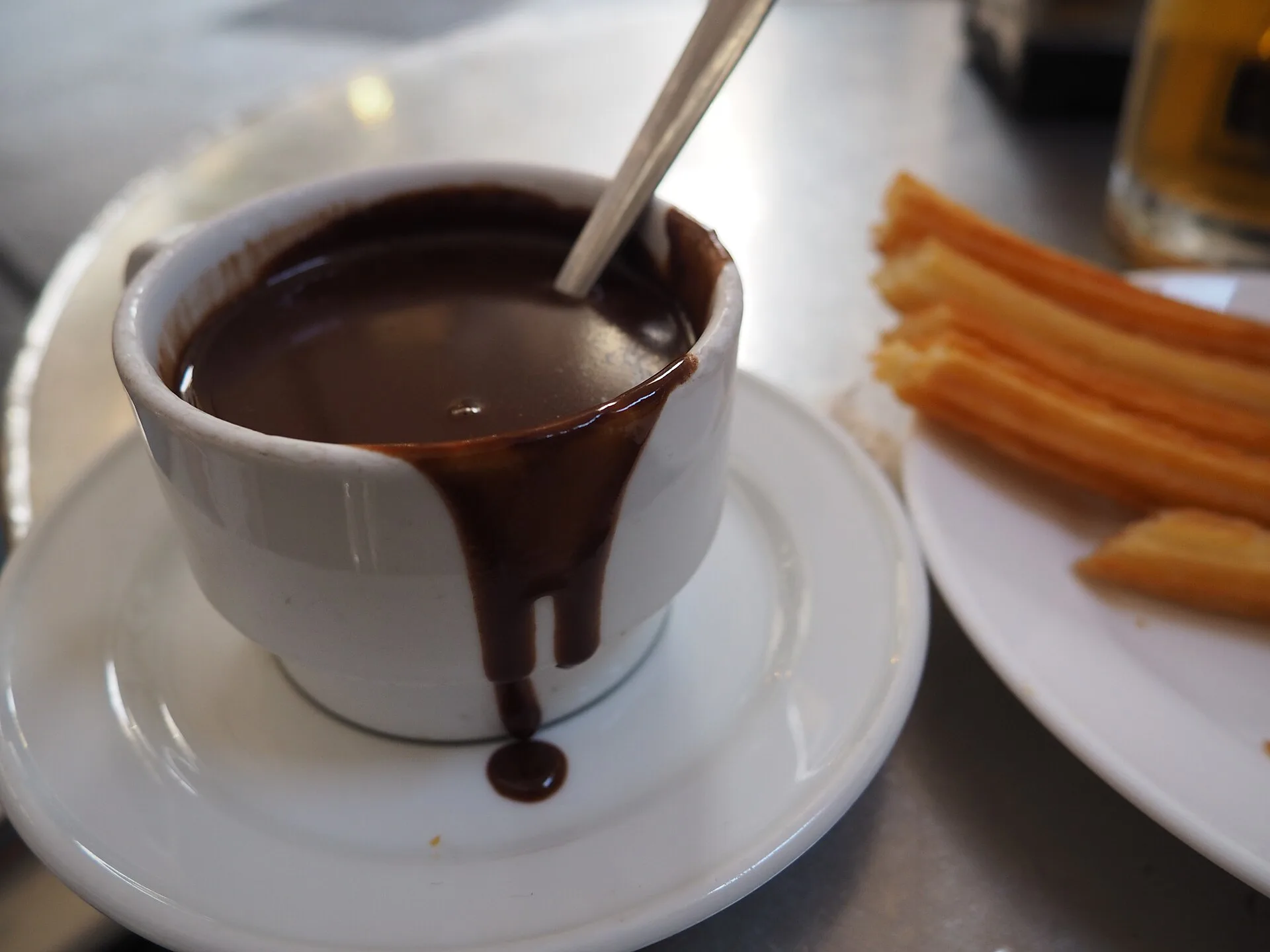
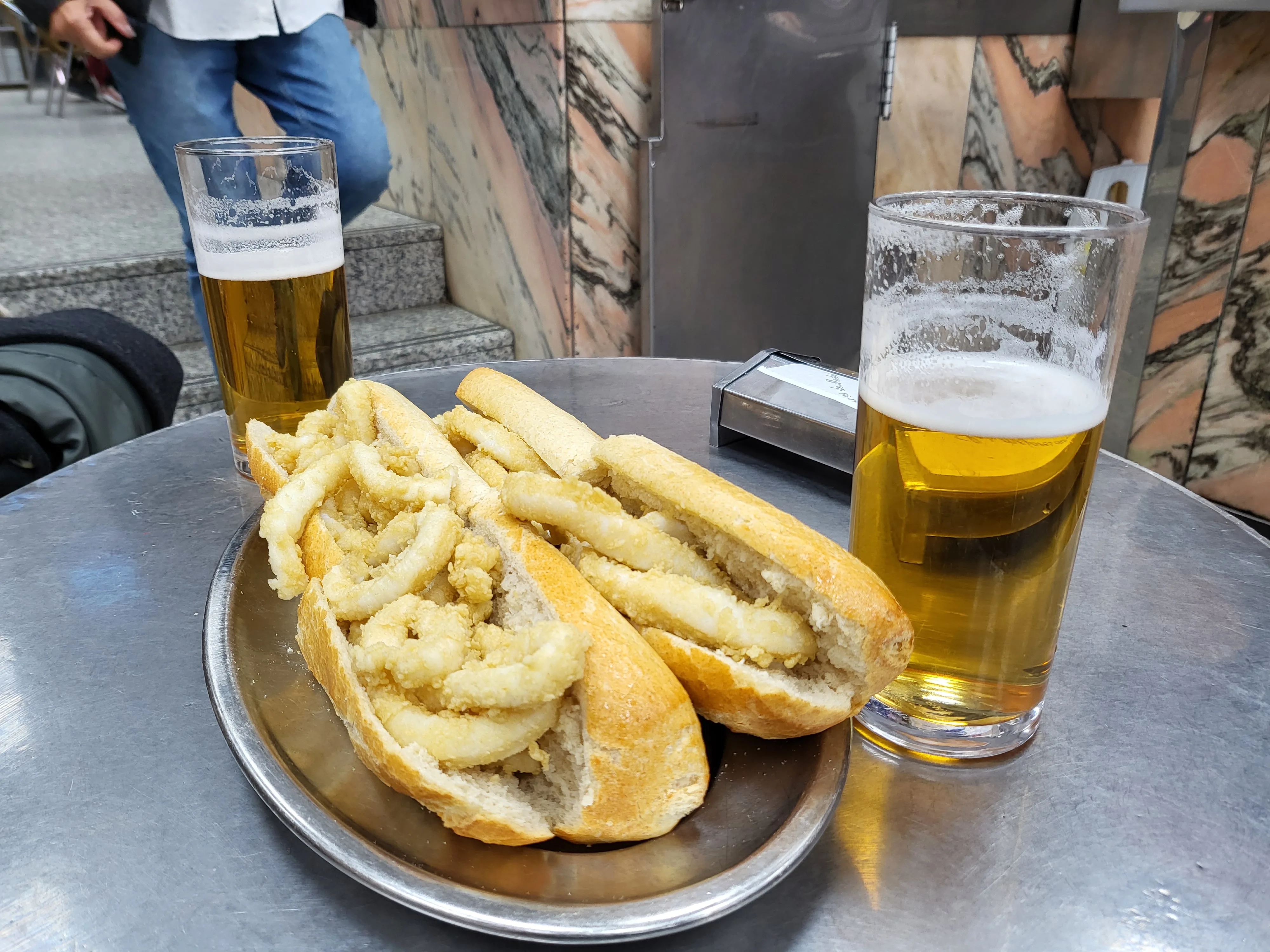
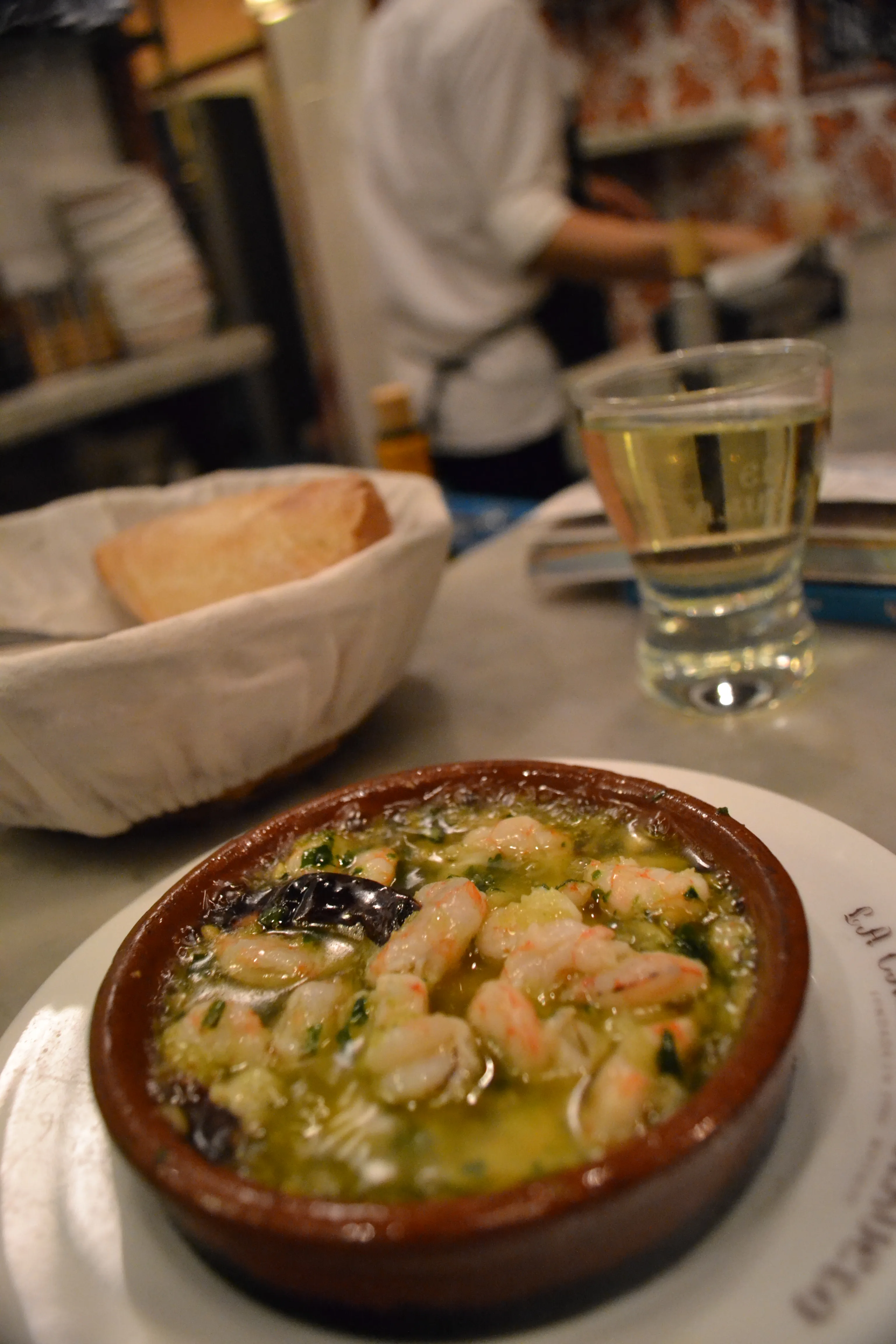
Madrid brings together classic tavern food, popular bars and some of Spain’s most recognisable everyday dishes. Typical favourites include the calamari sandwich, callos a la madrileña, churros with chocolate, garlic prawns and Spanish omelette. Eating well here is also part of the immersion: markets, counters, tapas and local daily rhythm.
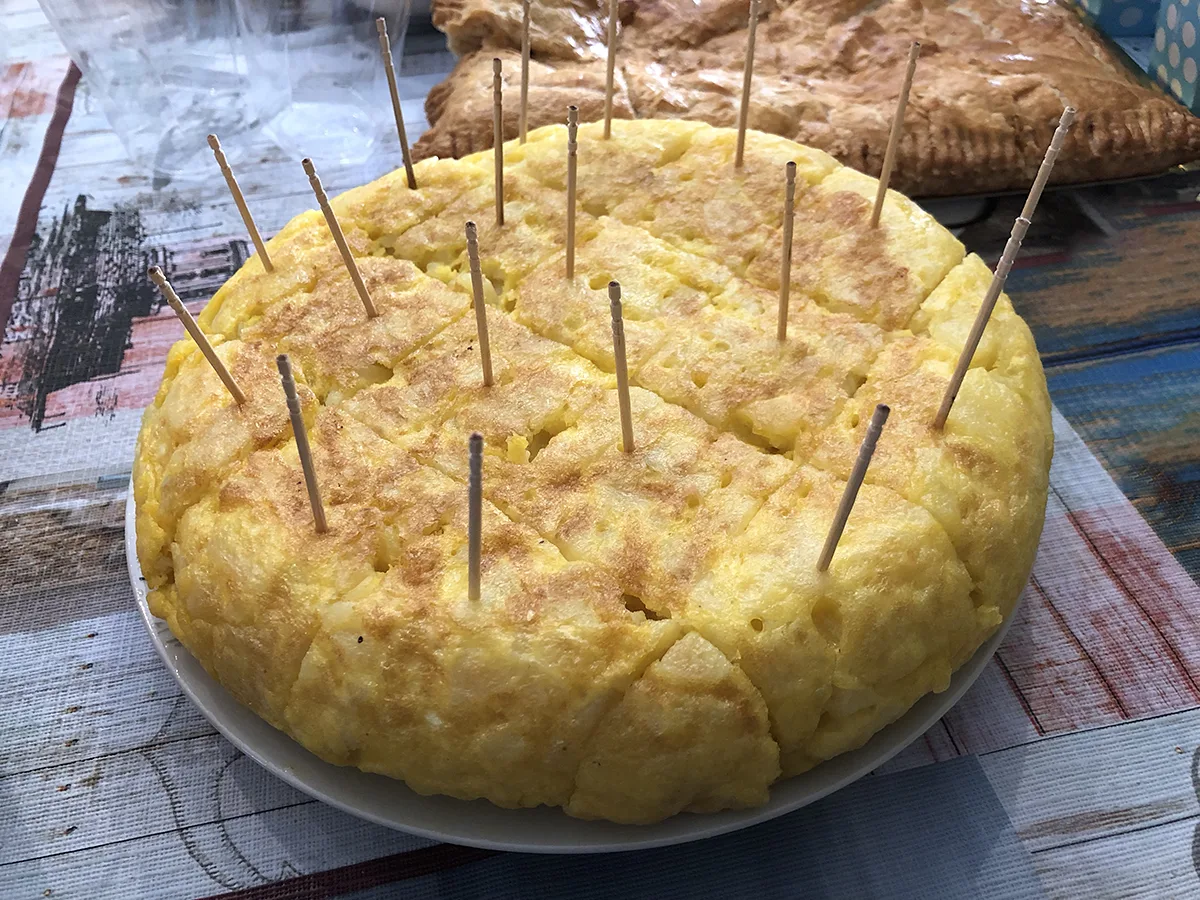
If you want to look beyond the most touristy areas, markets such as Antón Martín, La Cebada and Vallehermoso are great places to start understanding Madrid’s everyday food culture.
Madrid brings together royal architecture, historic squares and world-class museums. These are some of the most representative places to understand the city and experience it more deeply while practising Spanish.
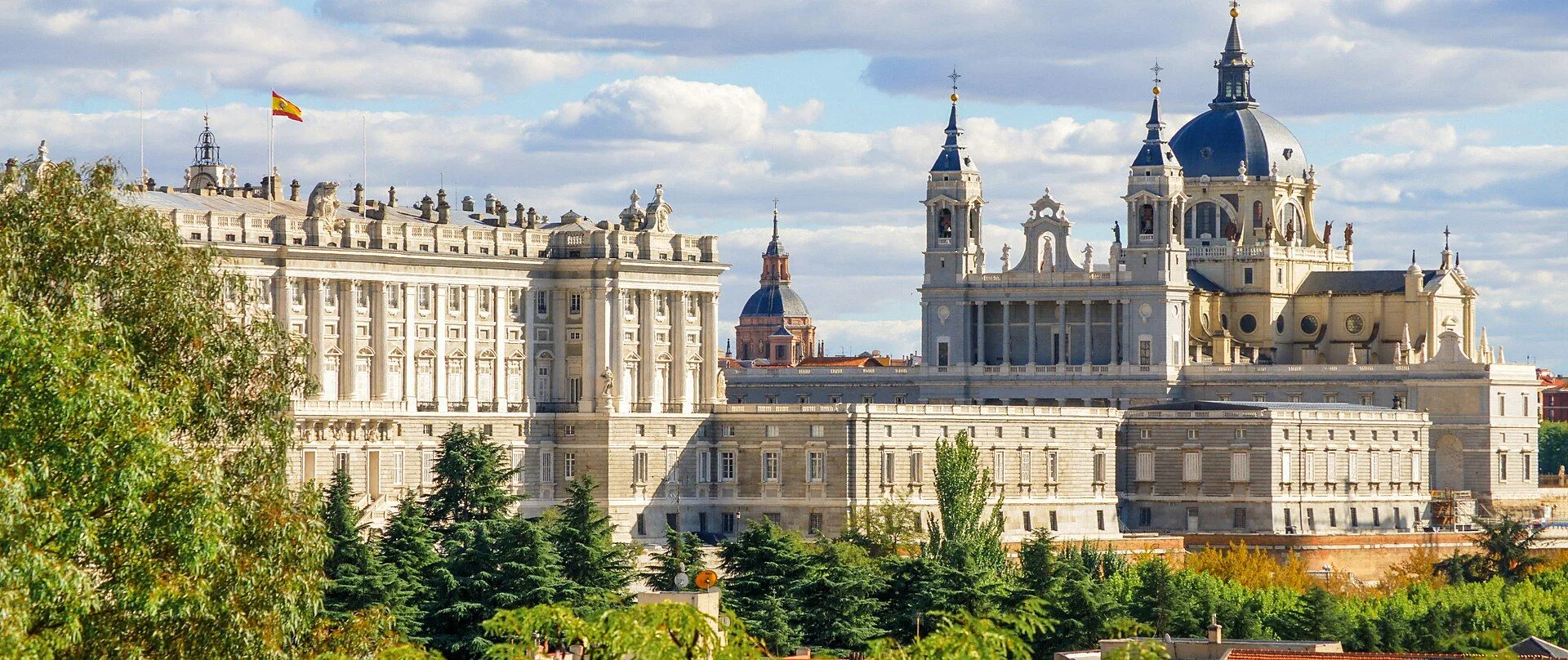
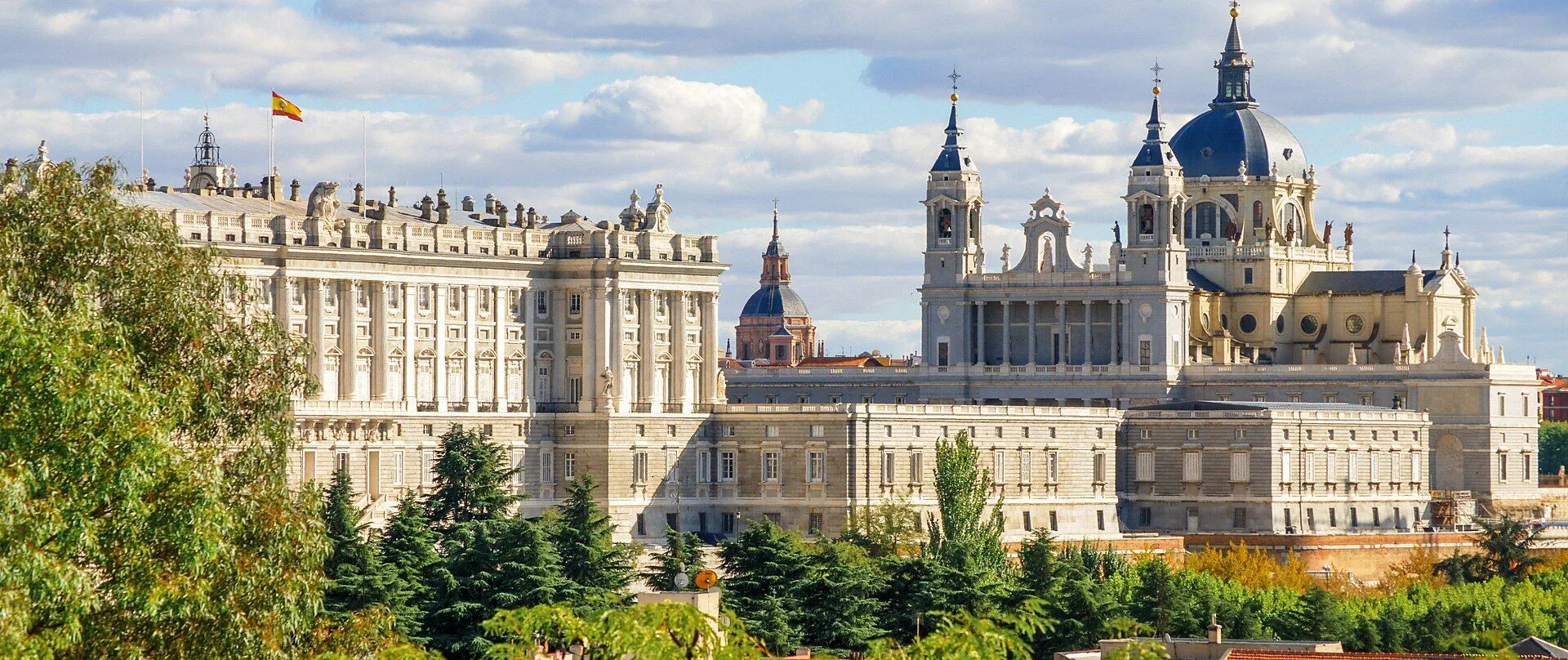
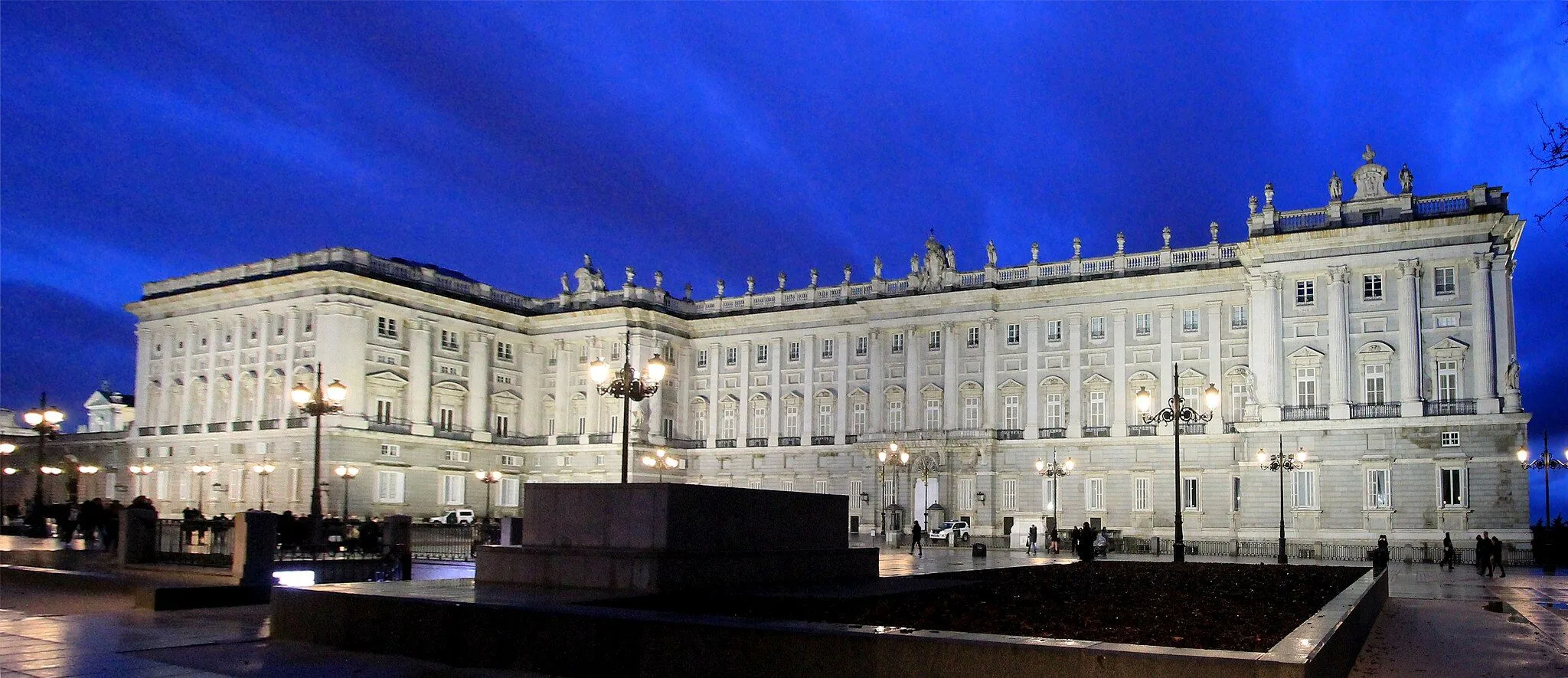
It is one of Madrid’s strongest symbols and one of the places most closely linked to Spain’s institutional history.
It is one of the city’s key cultural landmarks and an essential stop if you are interested in European art.
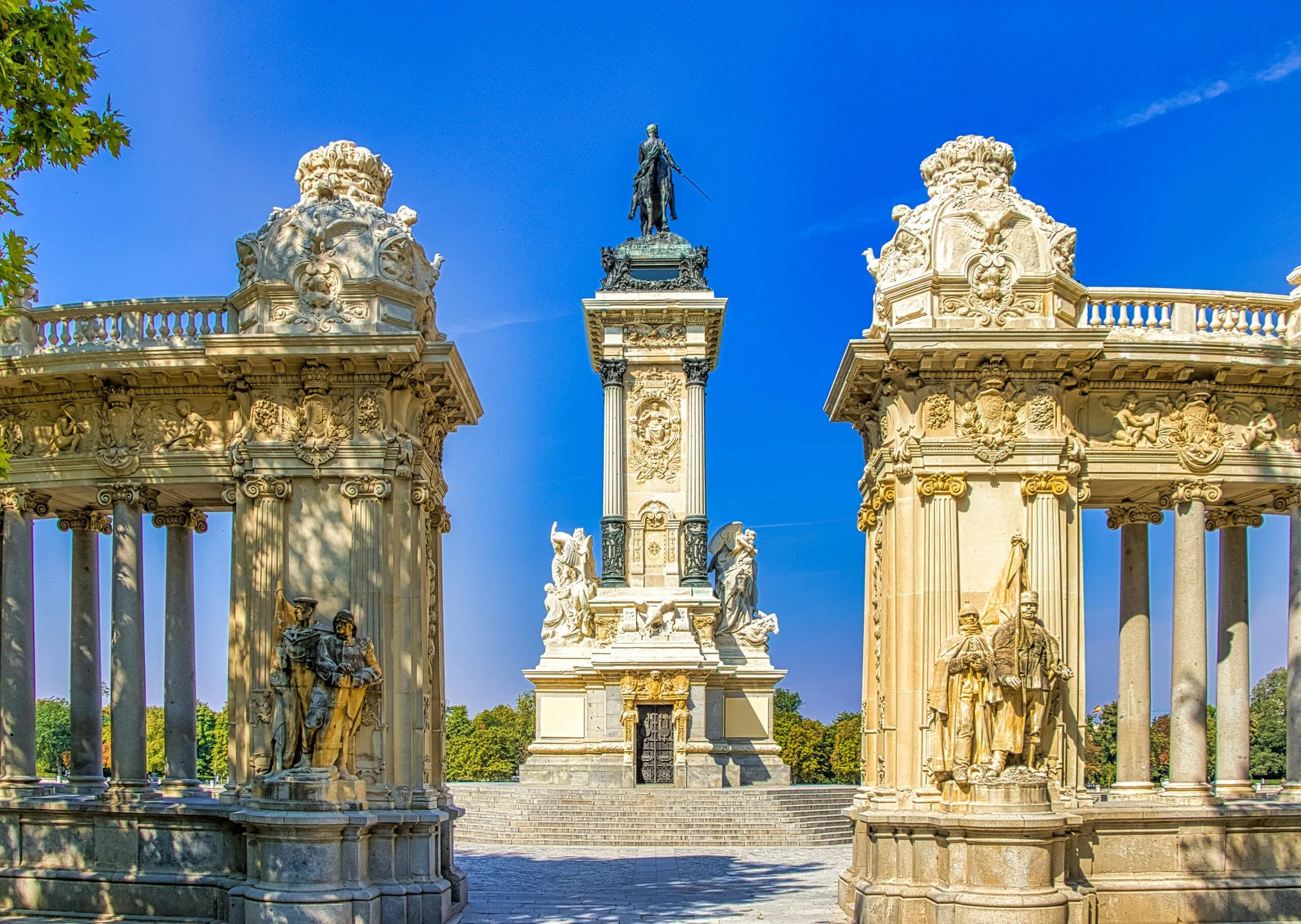
It is one of the best places to slow down, walk, study outdoors or simply see Madrid’s everyday side.
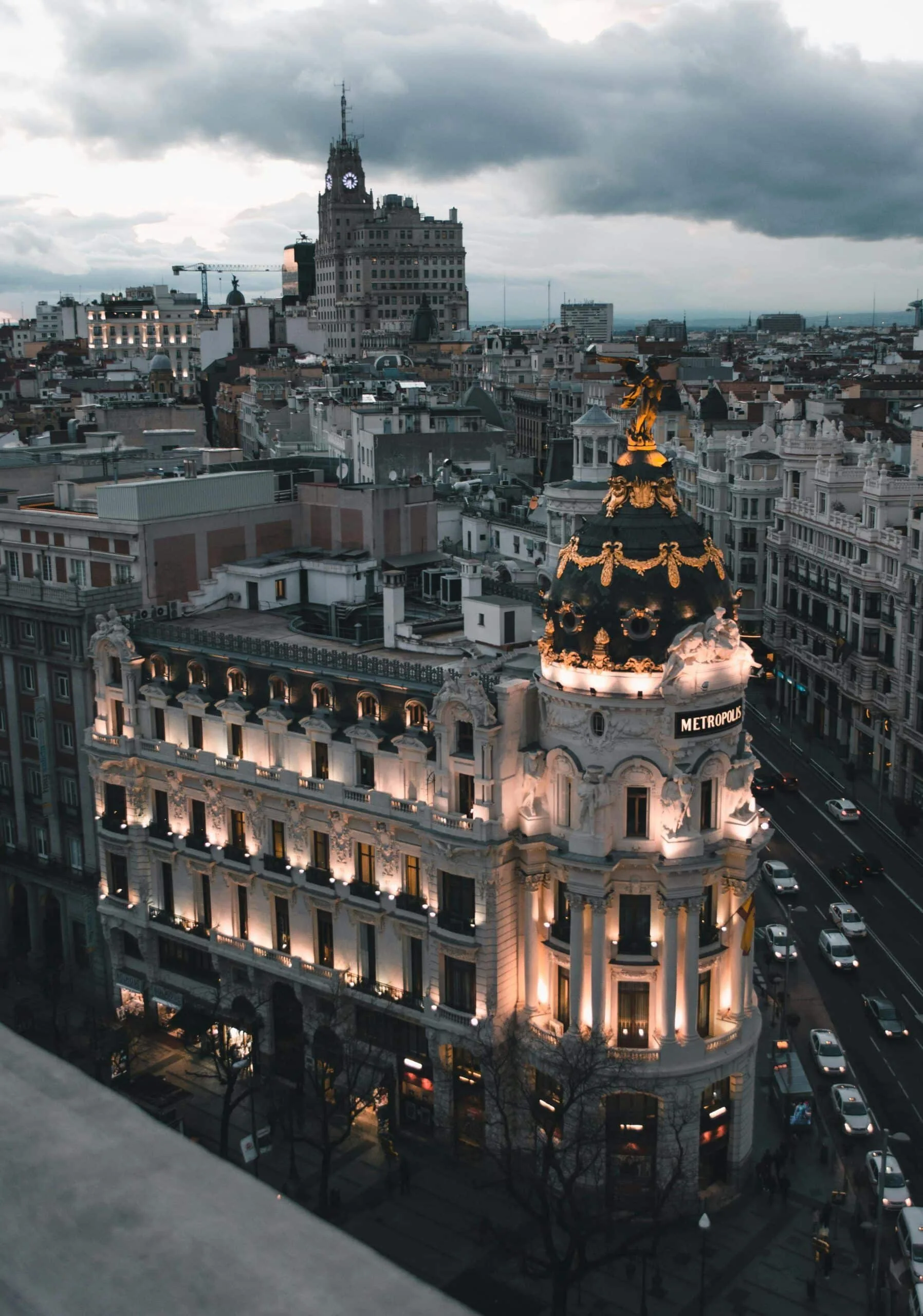
This area brings together some of the city centre’s most recognisable icons and is ideal for feeling Madrid’s most urban and visitor-facing rhythm.
Compare course type, location and timetable to find the Madrid school that suits you best.

In general, spring and autumn are usually the most comfortable times to enjoy the city. Summer can be hot, while winter is cooler but still often sunny.
With 3 days, you can cover the essentials: the Art Triangle, the historic centre, Retiro and Gran Vía. With 5 days, you can add the Royal Palace, Temple of Debod or even a nearby day trip.
Centro is usually the most practical, but areas such as La Latina, Malasaña, Chueca, Retiro or Lavapiés can also be a great fit depending on the atmosphere you want. Good transport links matter most.
Overall, yes. Still, as in many European capitals, it is wise to watch your bag, phone and documents in the metro and in very crowded areas.
The most common approach is to combine the metro and bus, using Cercanías if you are going beyond the centre. Many central areas are also best enjoyed on foot.
It depends on how long you are staying and how often you travel. For a few days, the tourist ticket can be good value; for occasional trips, a Tarjeta Multi with basic fares is often enough.
The most common options are L8, the Airport Express, Cercanías from T4 or a taxi. The best choice depends on your terminal, luggage and exact destination.
Yes, especially on weekends, holidays or in high season. Booking ahead helps you avoid queues and organise your day more easily.
Markets such as San Miguel, Antón Martín, San Antón or Vallehermoso are good places to start. In Madrid, lunch and dinner usually happen later than in many other places.
It depends heavily on your accommodation and travel style. For longer stays, sharing a flat and using transport passes usually helps keep costs under control.
Well-connected neighbourhoods are usually the best base, especially if you want to reduce daily commuting time. The key is checking the real route between your school and your accommodation.
It depends on your nationality and the length of your course. The safest option is to check official rules before booking anything.
Yes. Most schools offer classes from A1 upward and use a level test to place you in the right group.
It is not mandatory. The most common approach is to round up slightly or leave a small amount if the service was especially good.
Quote planner
Answer a few quick questions and choose how you want to continue.
Hi! 👋
We use necessary cookies so the website works properly and, with your permission, analytics or marketing cookies to improve the experience and load external services. Cookie Policy
You can accept all cookies, reject optional ones, or choose category by category.
Cookies required for the website to work properly, remember language preferences, and store your privacy choices.
These help us understand how the website is used so we can improve content, performance, and user experience.
These allow external content, campaign measurement, or third-party services to load only after visitor consent.