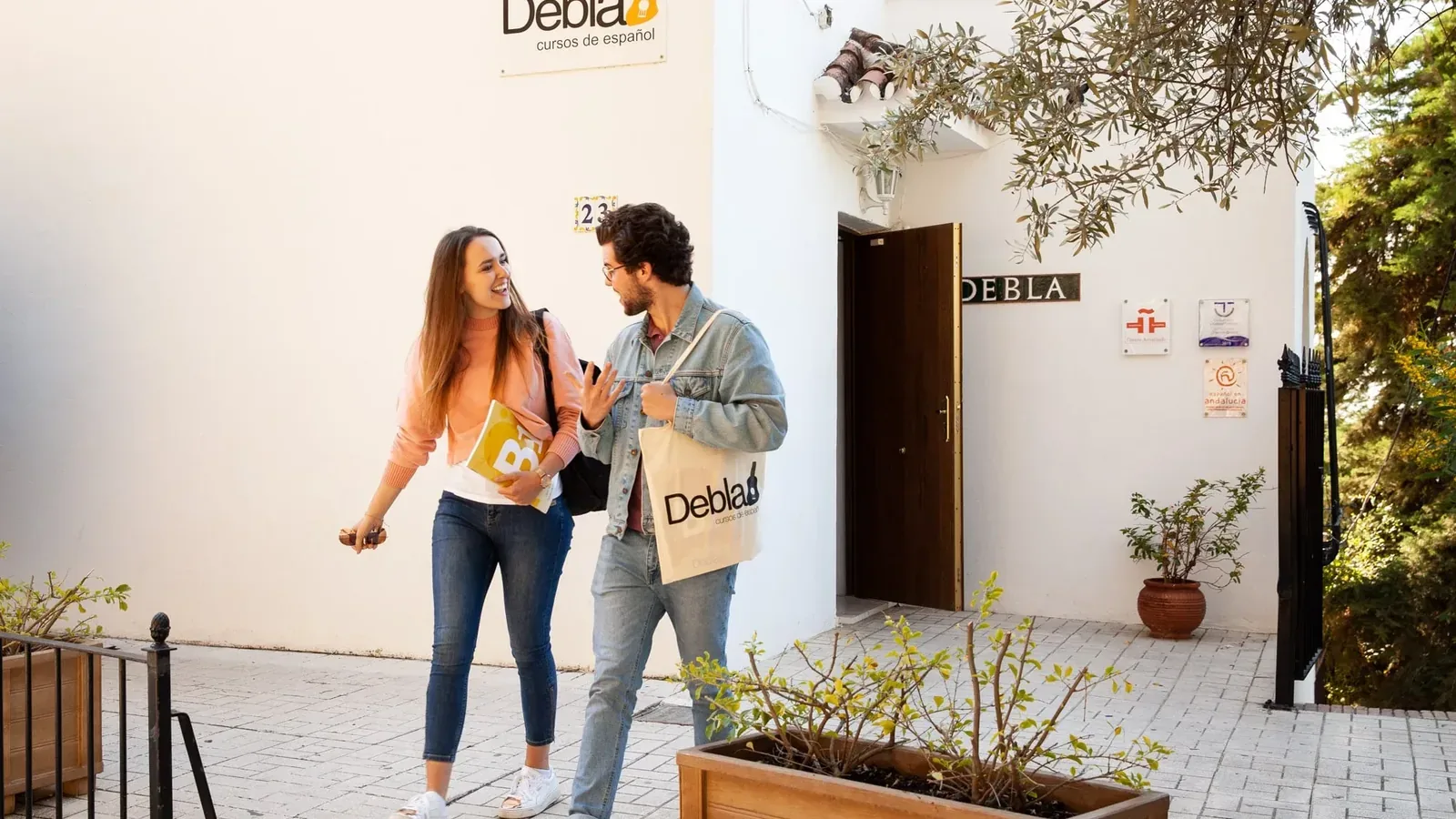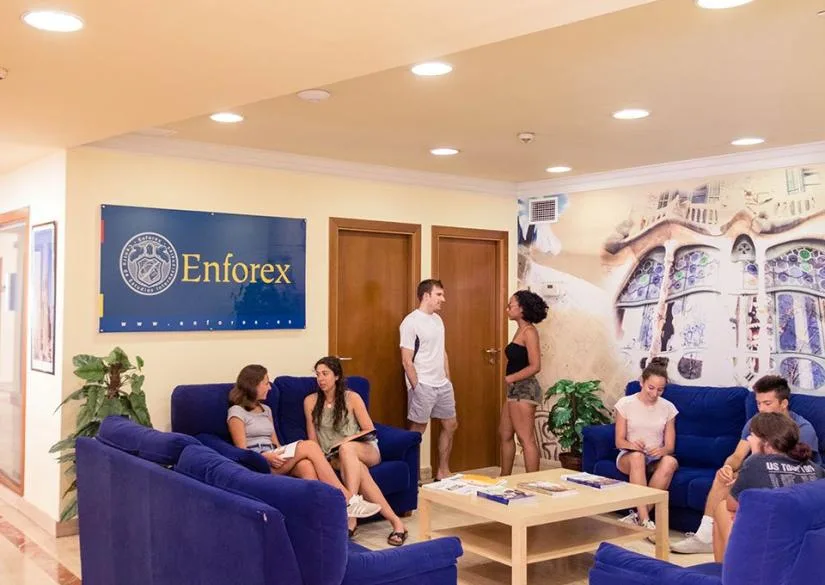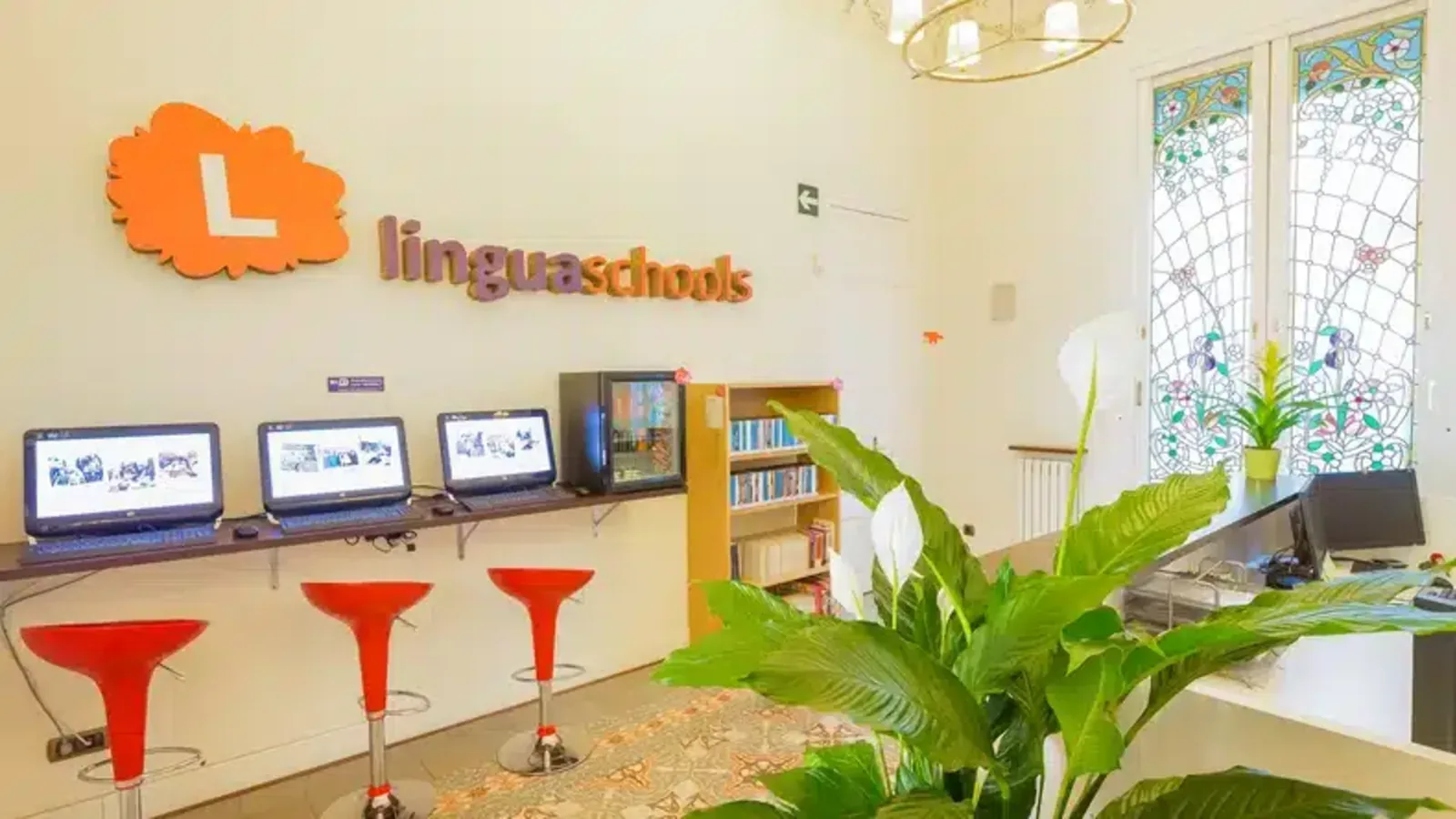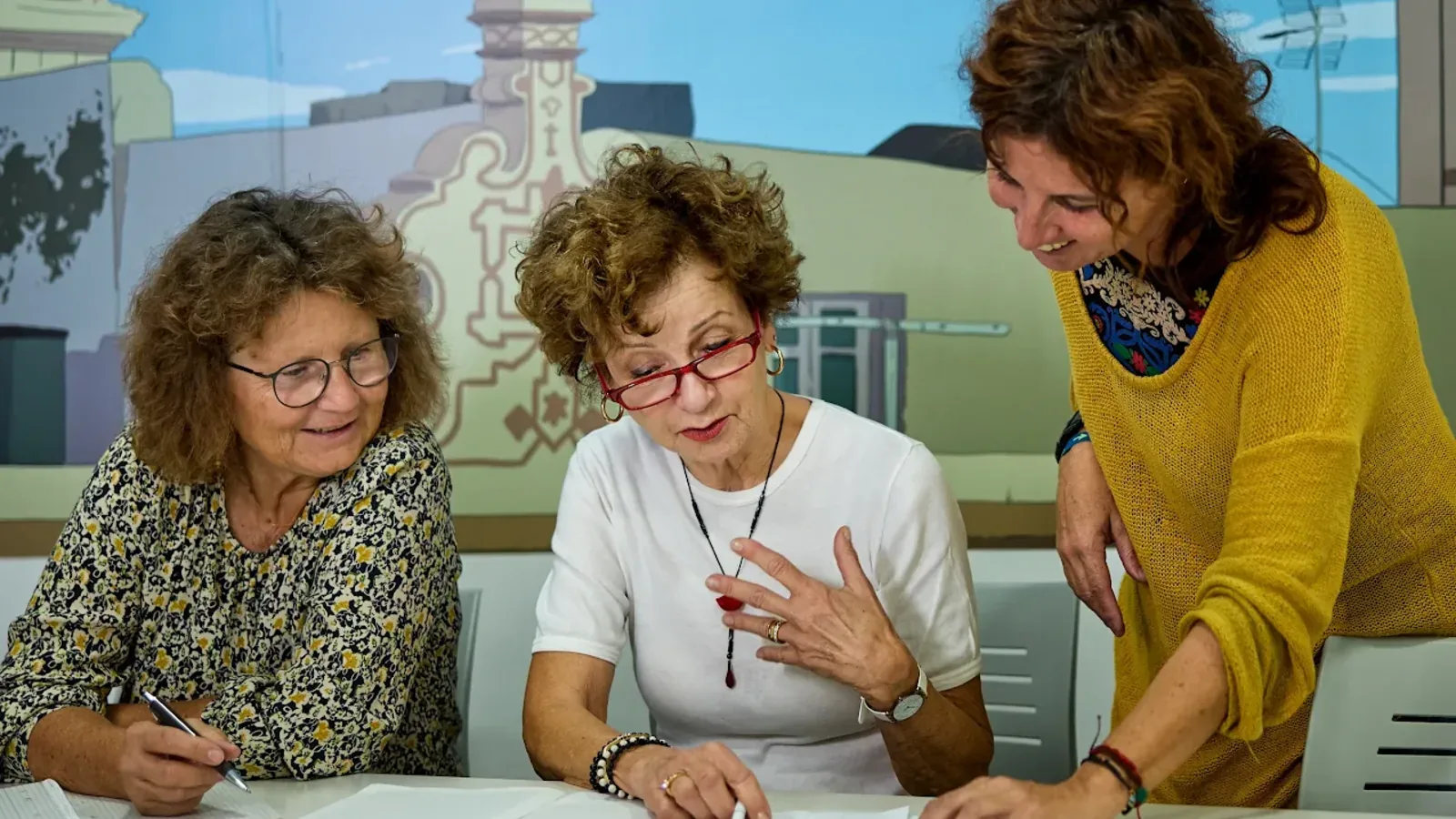
Natural immersion every day
From ordering food and getting around the city to classroom interaction and cultural activities, Spanish becomes part of your routine very quickly.
Tools
Tell us about your plans and we'll help you find the perfect school.
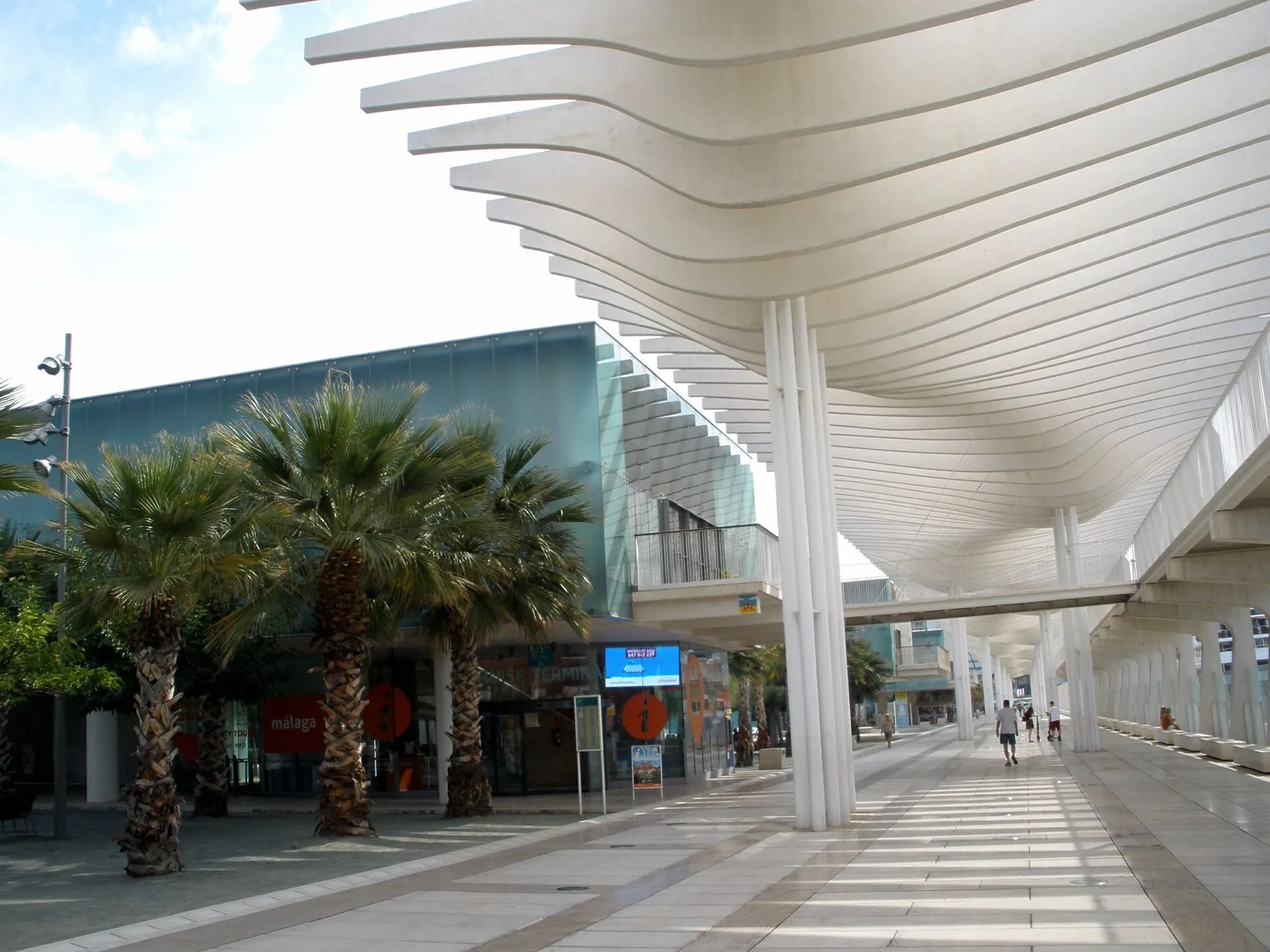
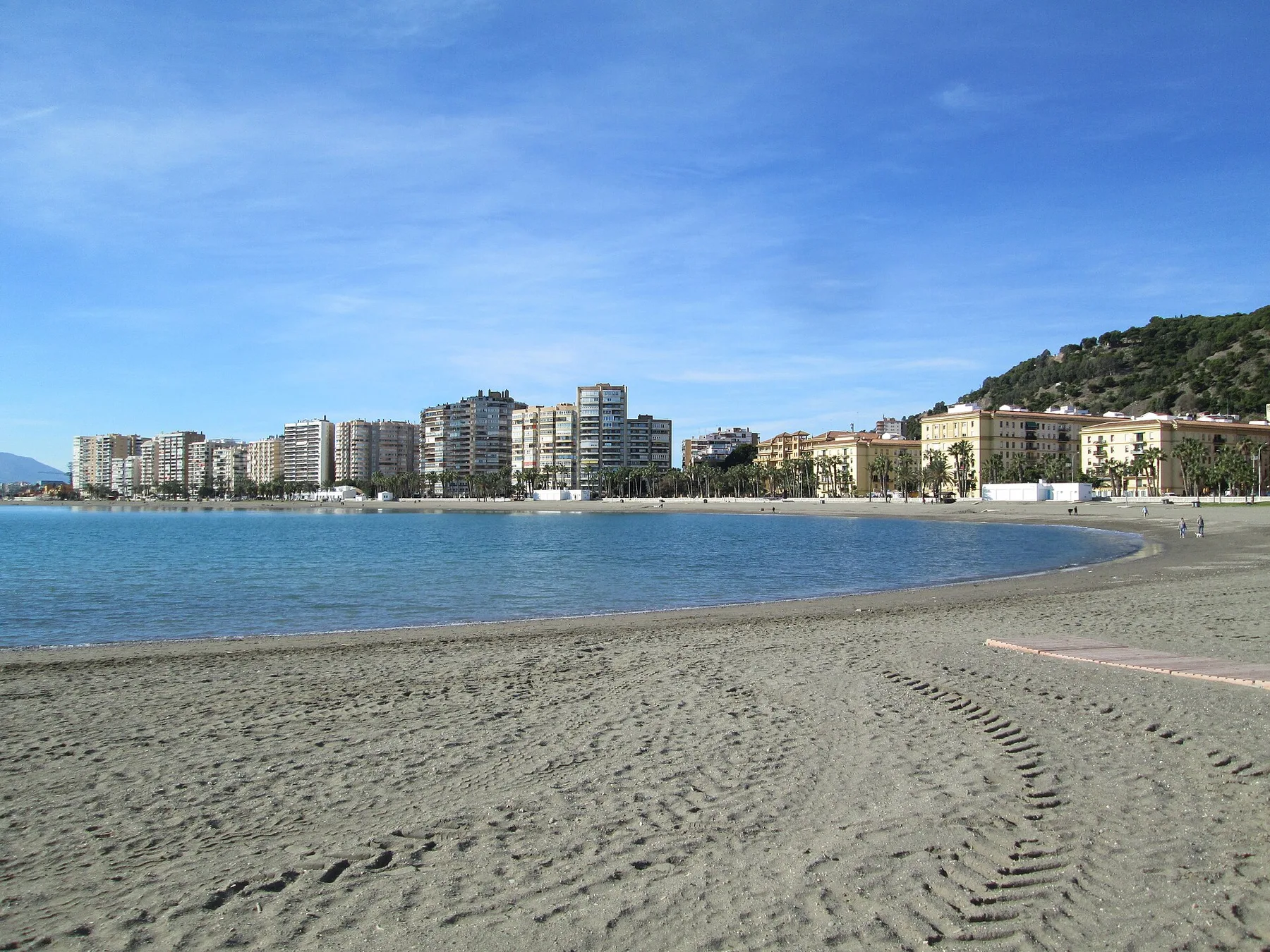
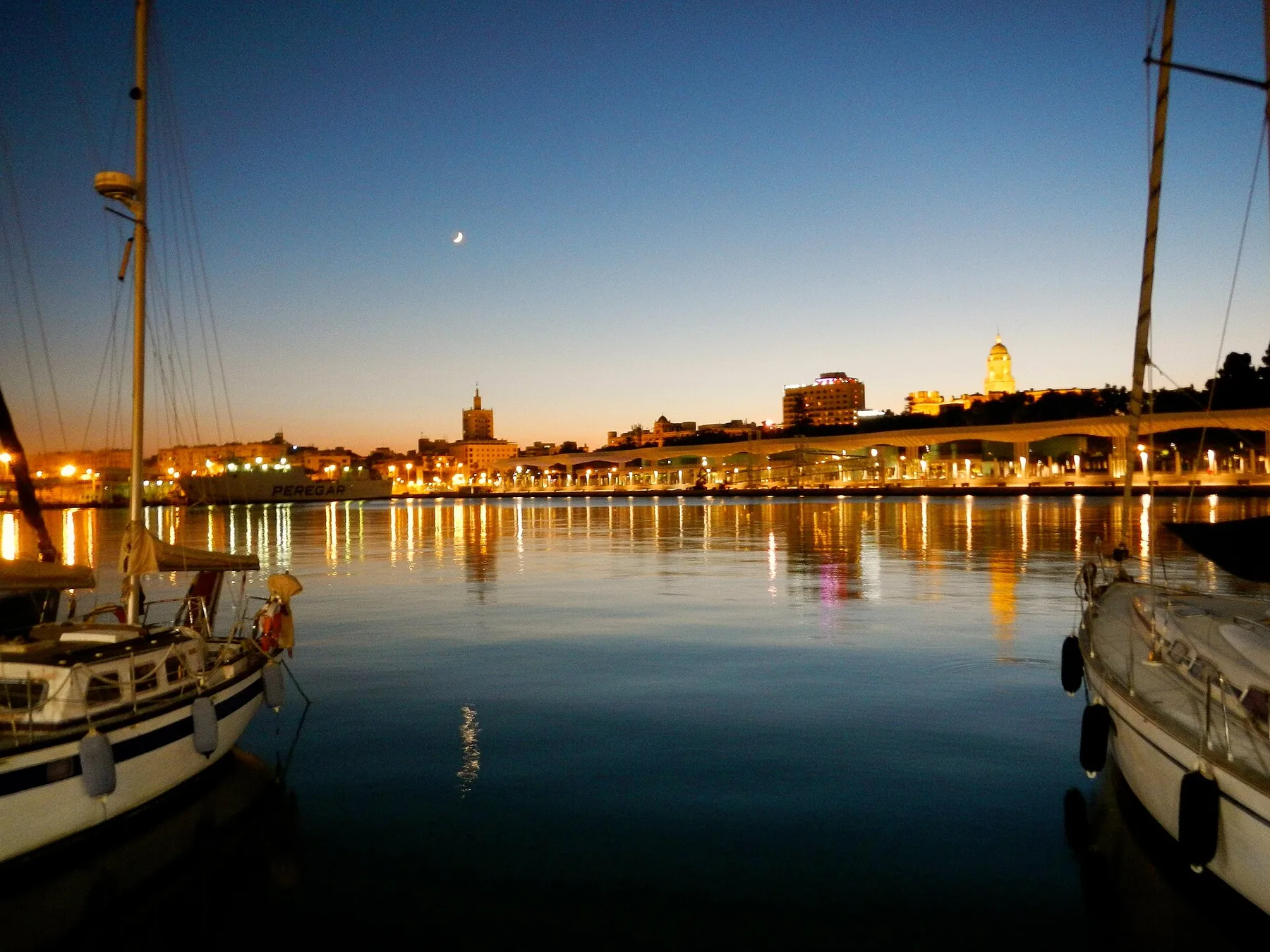
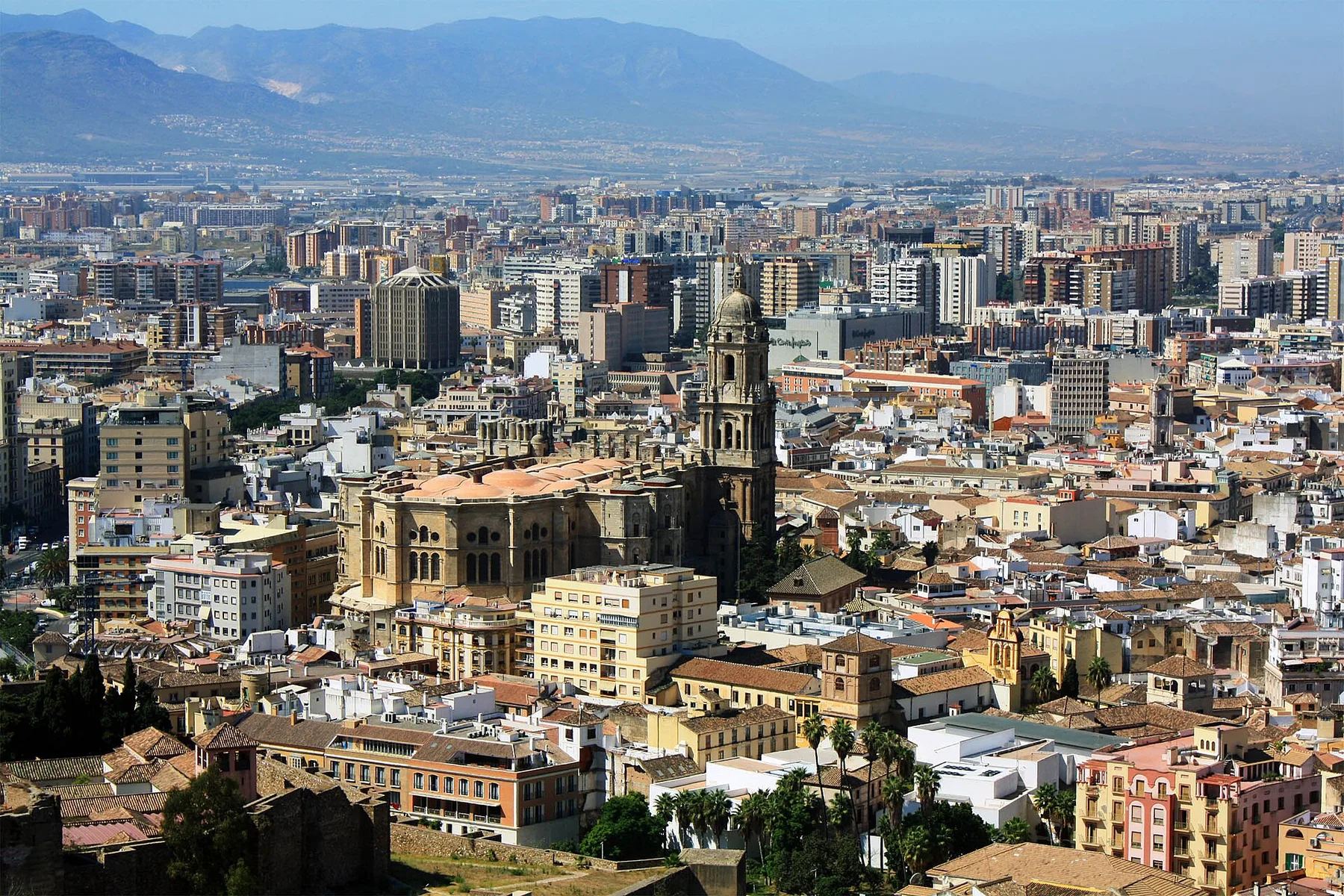
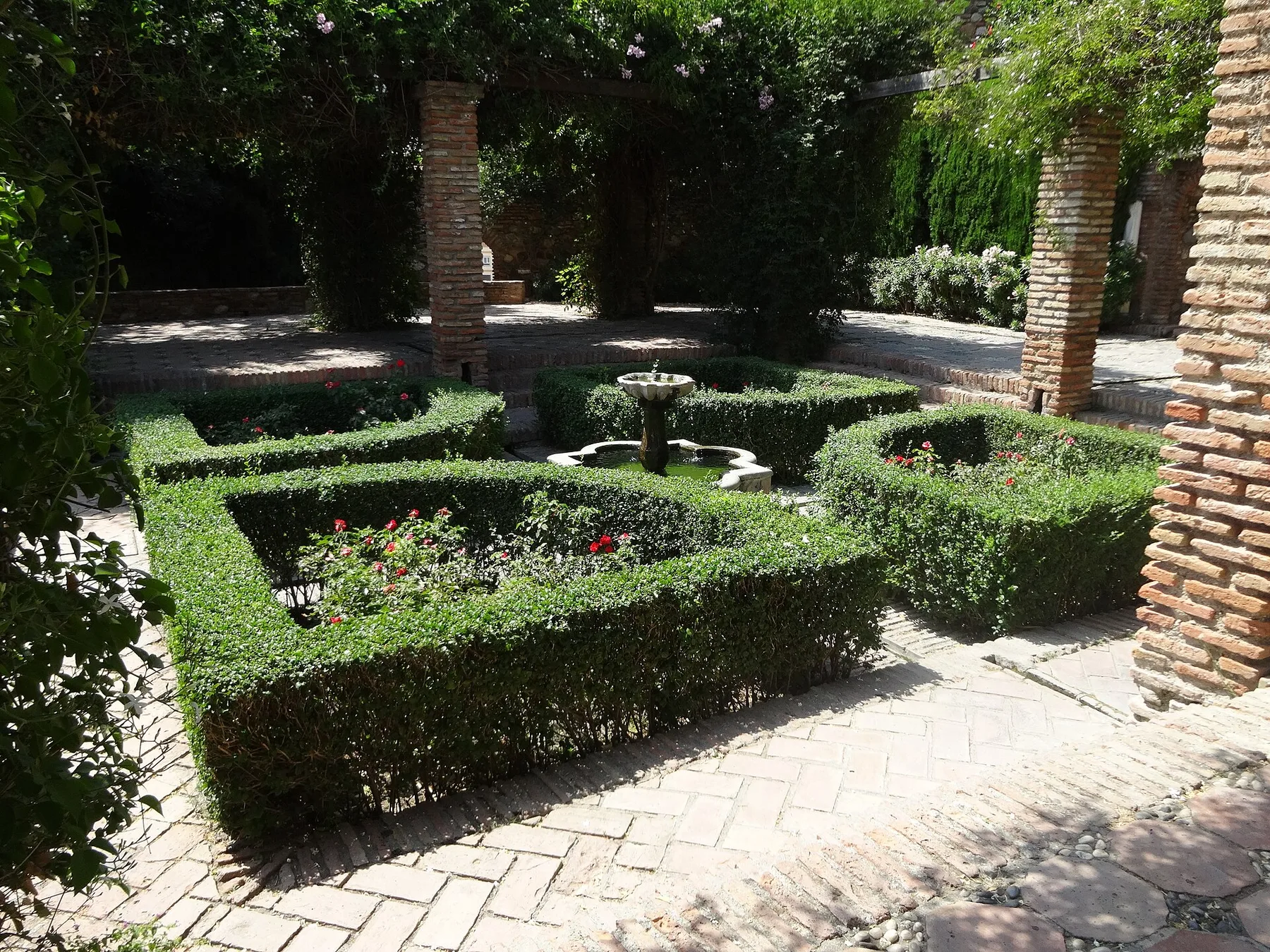
Malaga is one of the best places in Spain to combine Spanish classes with a relaxed Mediterranean lifestyle. With more than three thousand years of history, the city brings together Andalusian heritage, coastal life, a walkable urban centre and a growing cultural scene. You can move easily between the Alcazaba of Malaga, Gibralfaro Castle, the historic centre, the beach and everyday local neighbourhood life. For students who want to learn Spanish in Malaga while enjoying a city that feels sunny, practical and genuinely liveable, it is a very strong option. Studying here means using Spanish in real situations every day, from cafés, markets and public transport to museums, local food culture and life by the sea.
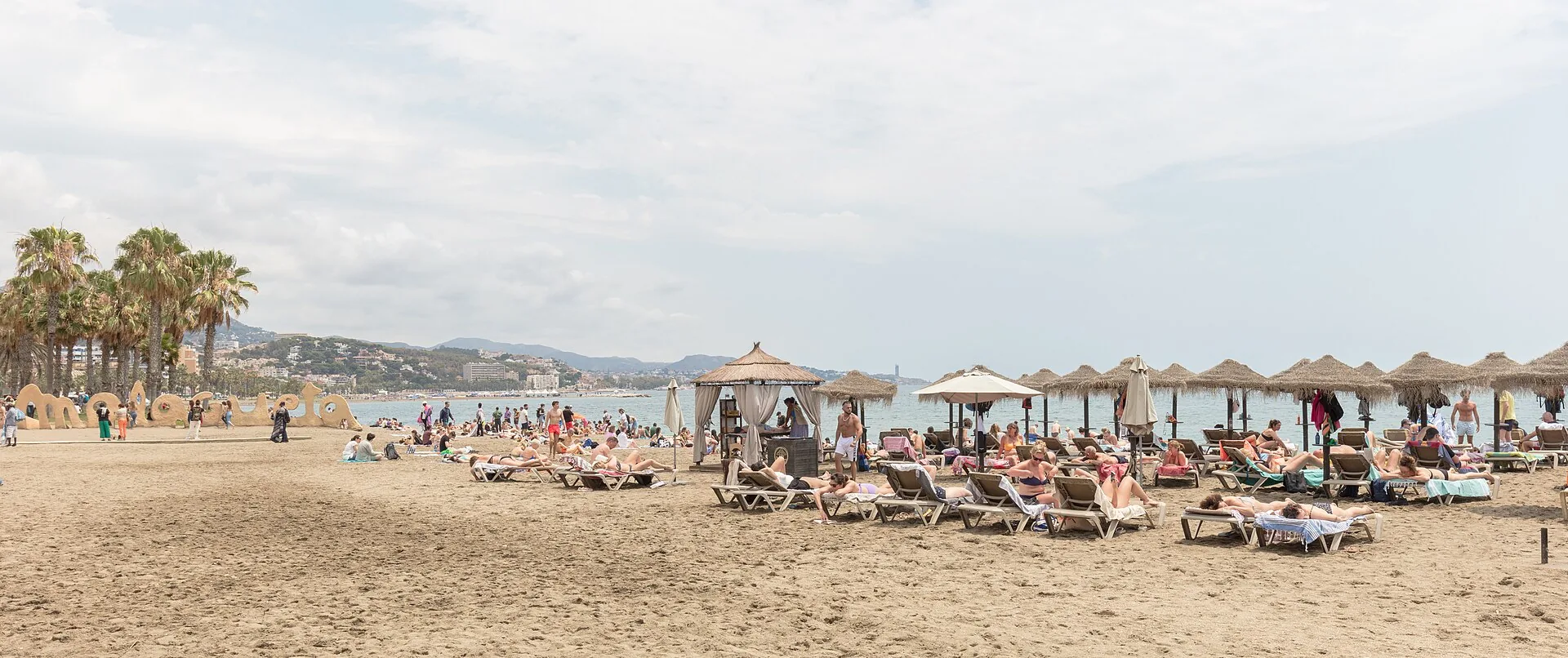
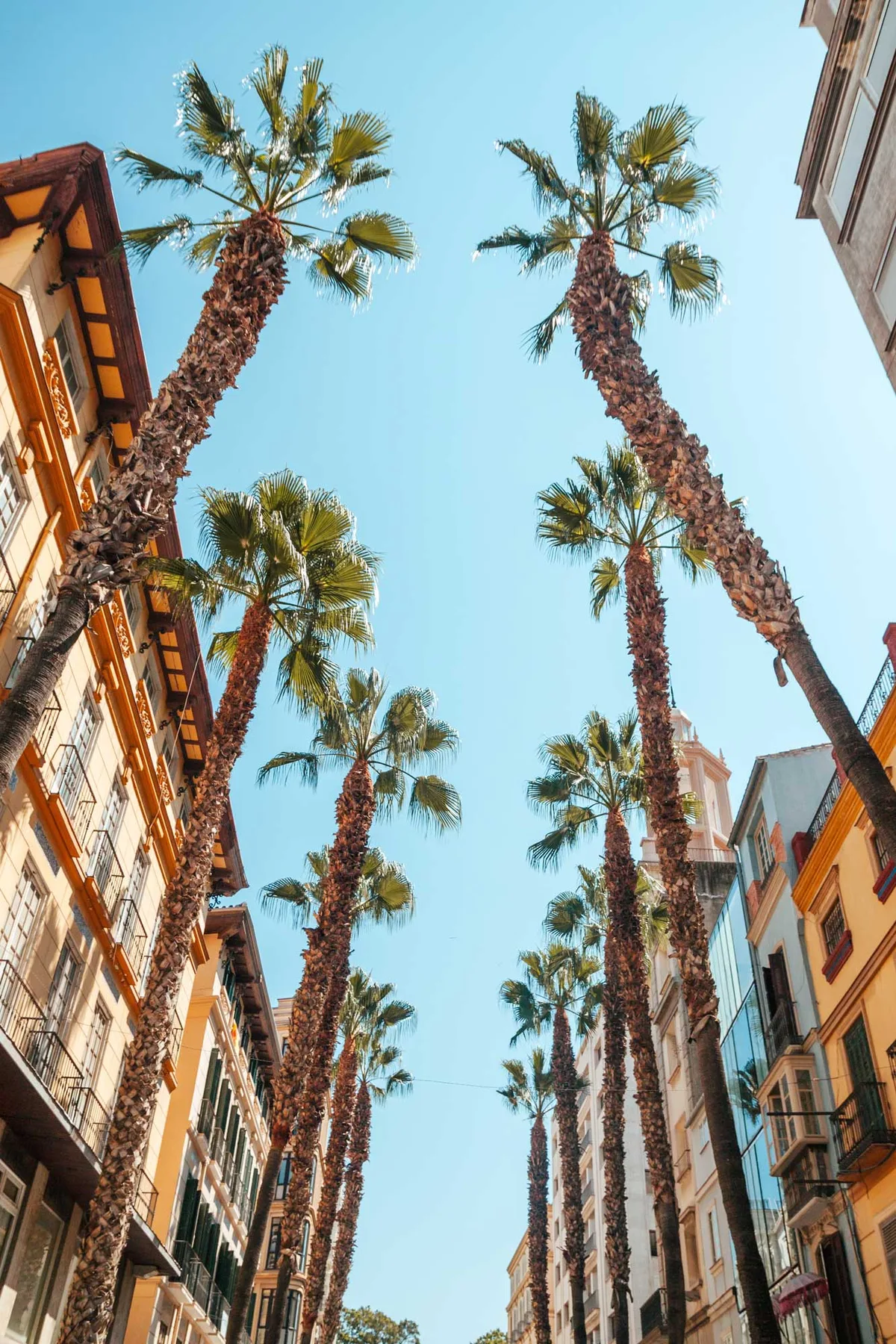
Studying Spanish in Malaga means learning in a city where climate, daily rhythm and local lifestyle make immersion feel easy and sustainable. Malaga combines historic landmarks, beach life, Andalusian food culture, distinctive neighbourhoods and a very comfortable pace for students who want real language practice without giving up quality of life.
From ordering food and getting around the city to classroom interaction and cultural activities, Spanish becomes part of your routine very quickly.
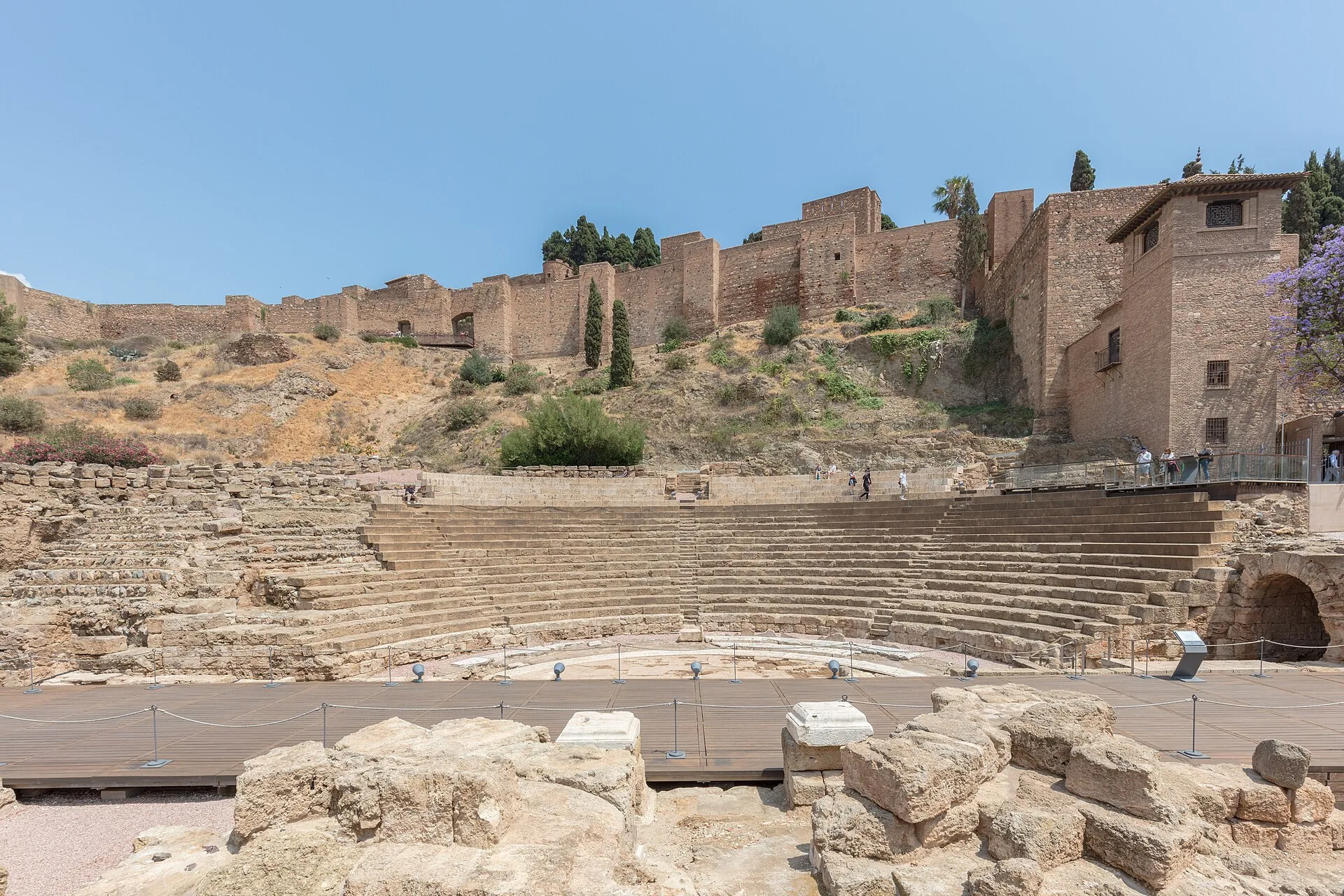
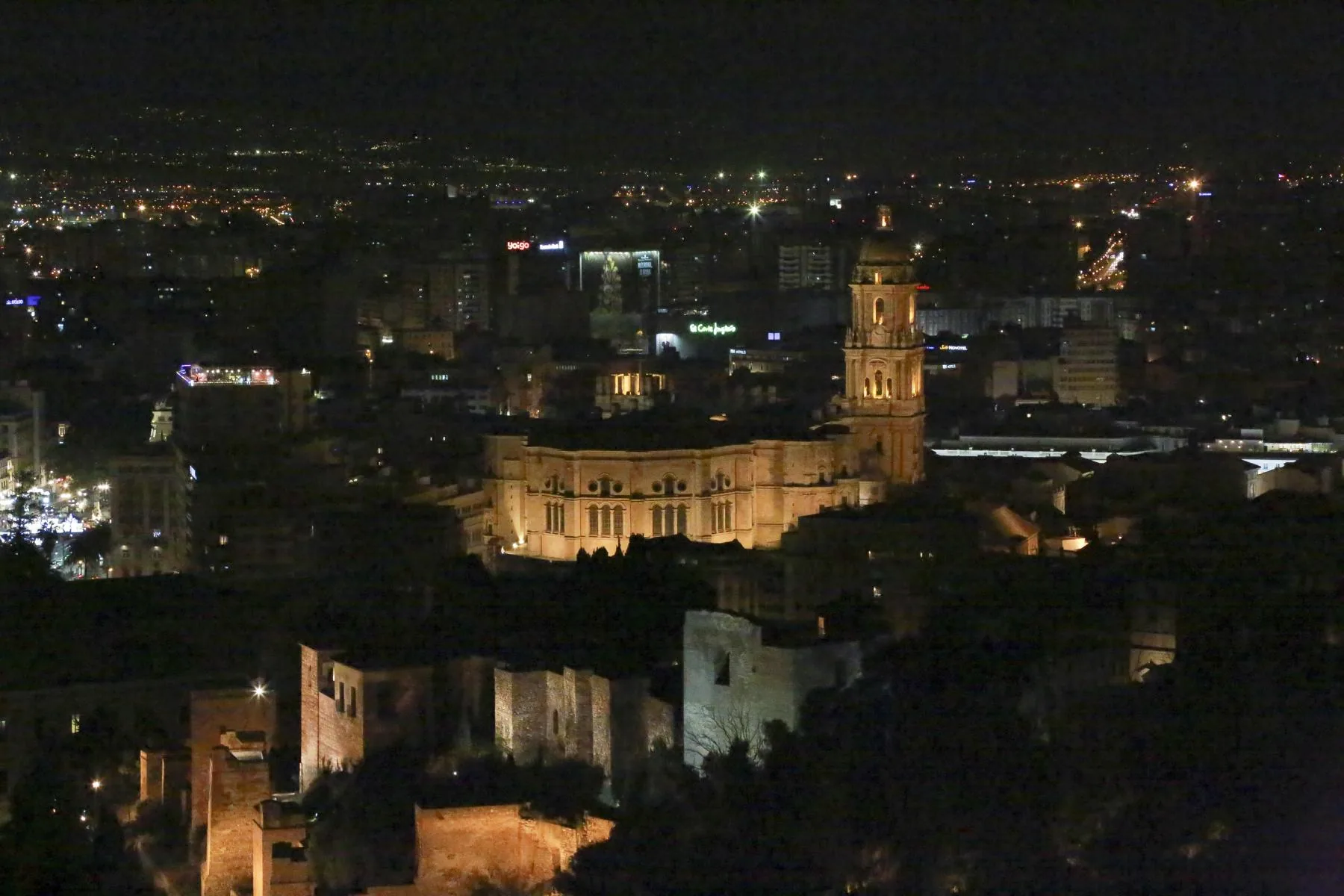
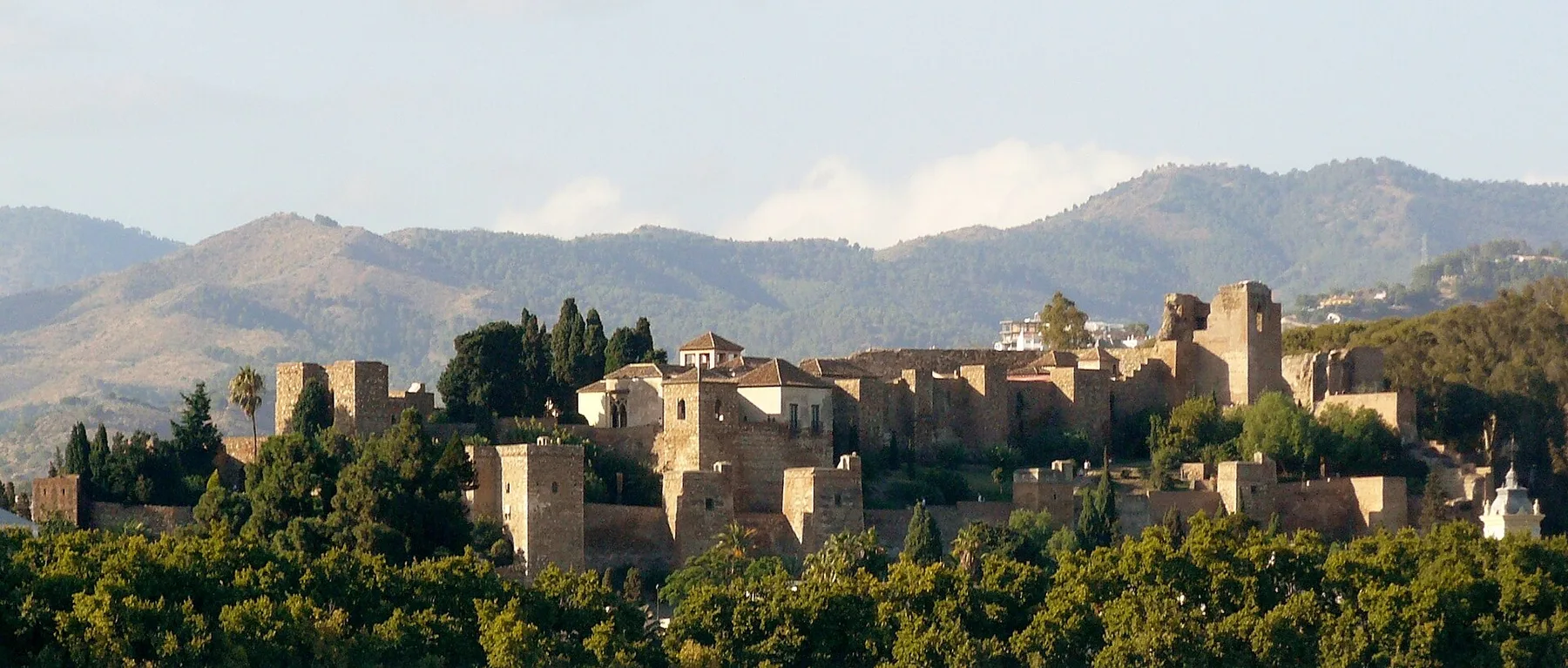
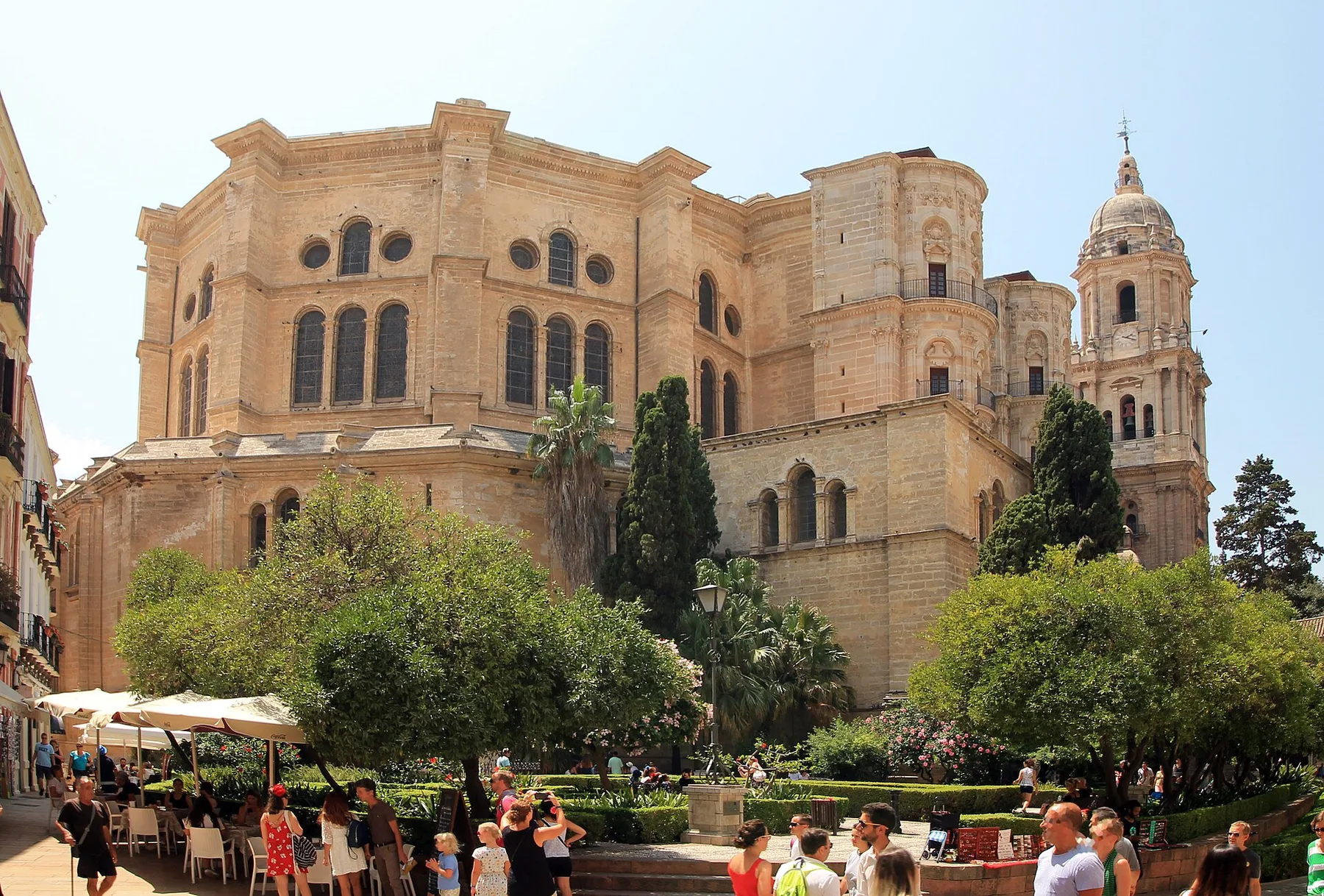
Malaga brings together the Alcazaba, Gibralfaro, the old town, museums and the seafront in a city that is easy to enjoy and explore on foot.
Its climate, manageable size, transport connections and range of neighbourhoods make Malaga especially attractive for stays of several weeks or several months.
Quick guide to choosing where to live if you plan to study Spanish in Malaga, including central areas, seaside districts and more budget-friendly alternatives.
The most practical area if you want restaurants, shops, museums and everyday city life within walking distance.
One of the most comfortable areas if you want to live near the sea without being far from the centre.
University area with plenty of student-oriented options and a very practical daily setup.
Two coastal areas with strong local character, ideal if you want a slower rhythm and more neighbourhood feel.
It can be a more affordable alternative to central Malaga, although it usually means a longer commute.
Another outer-area option some students consider to lower rent, in exchange for a longer daily commute.
Malaga is especially easy to navigate by combining walking with public transport. For Spanish students, the most practical mix is usually Metro Málaga, EMT buses and RENFE Cercanías.
Metro Málaga is one of the fastest ways to move across the city, especially if your routine includes the university area or well-connected residential zones.
The EMT Málaga network handles many everyday routes and is especially useful when the metro does not leave you close enough to your destination. Line A connects with the airport.
Cercanías is essential if you live outside the centre, look at areas such as Torremolinos or Benalmádena, or want a straightforward airport connection.
If you are returning late, it helps to check whether a night bus works for you and, depending on the time, consider a taxi or ride-hailing option for the final part of the journey.
Malaga’s historic centre is compact and easy to walk. For students, walking also helps you get familiar with the city and practise Spanish in real situations.
Malaga has a strong festive identity, which makes it especially attractive if you want to combine Spanish classes with real cultural immersion and local traditions.
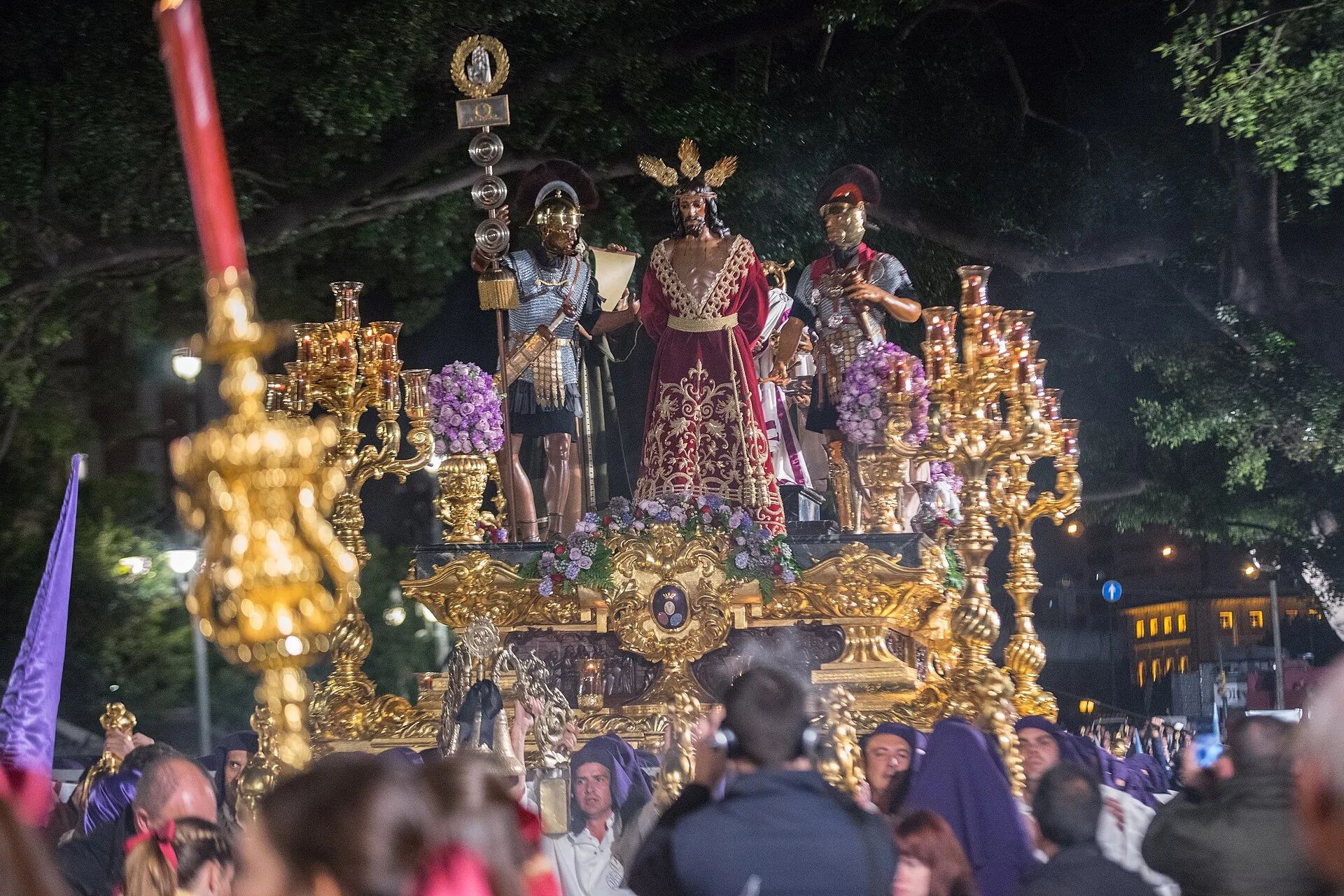
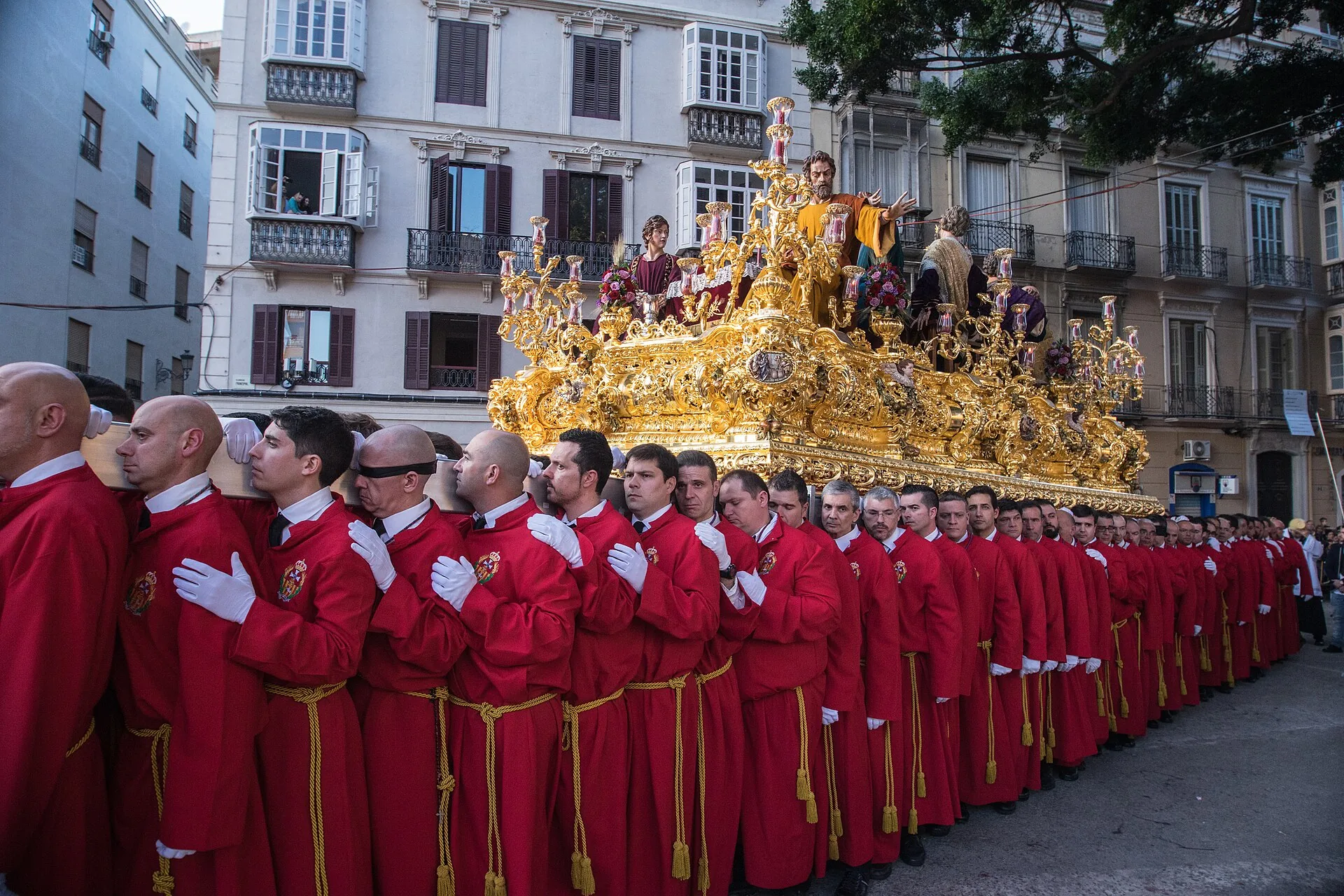
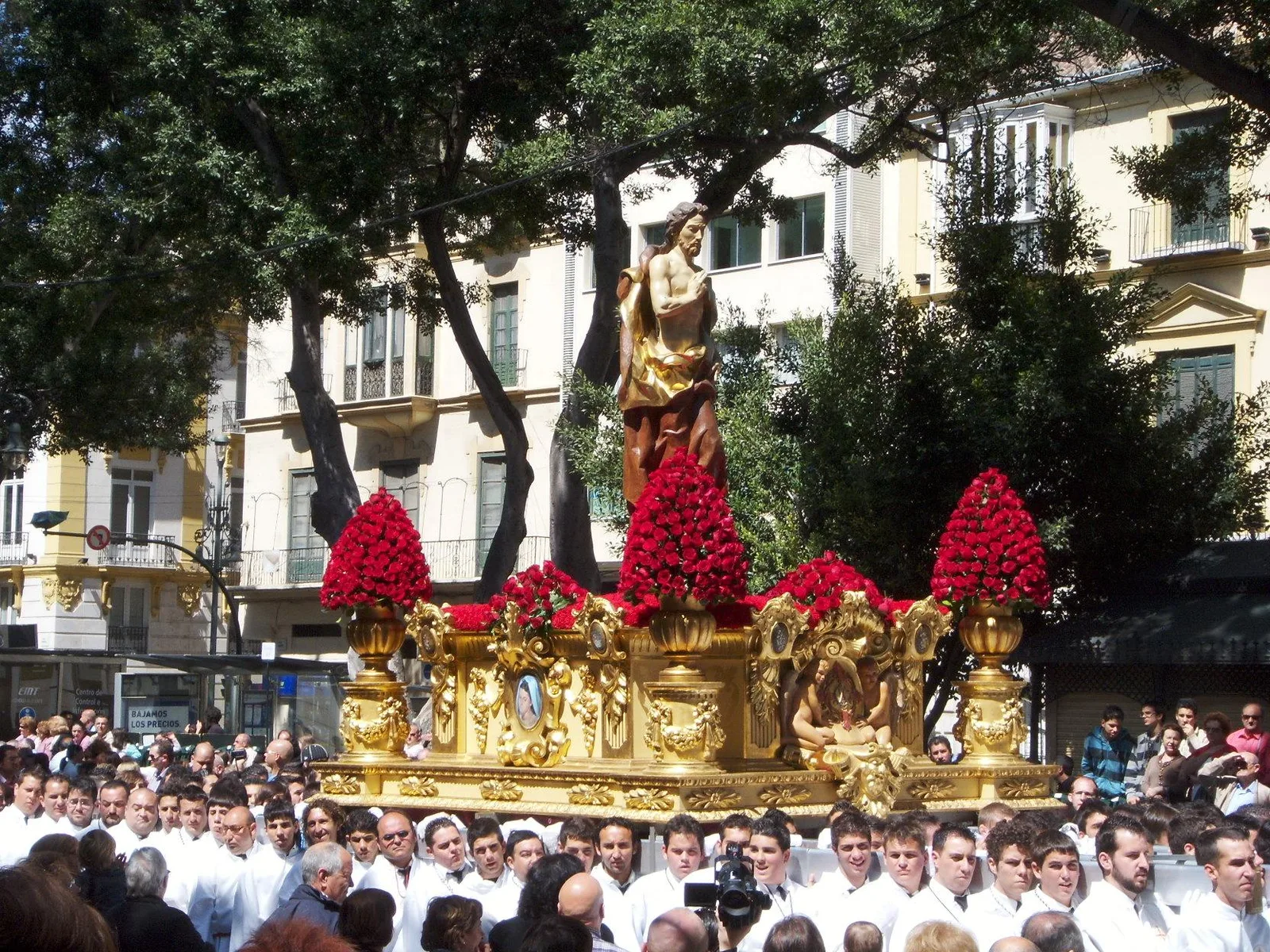
Malaga’s Holy Week is one of the city’s most iconic celebrations, known for its large processions and strong religious and visual atmosphere.
Location: historic centre
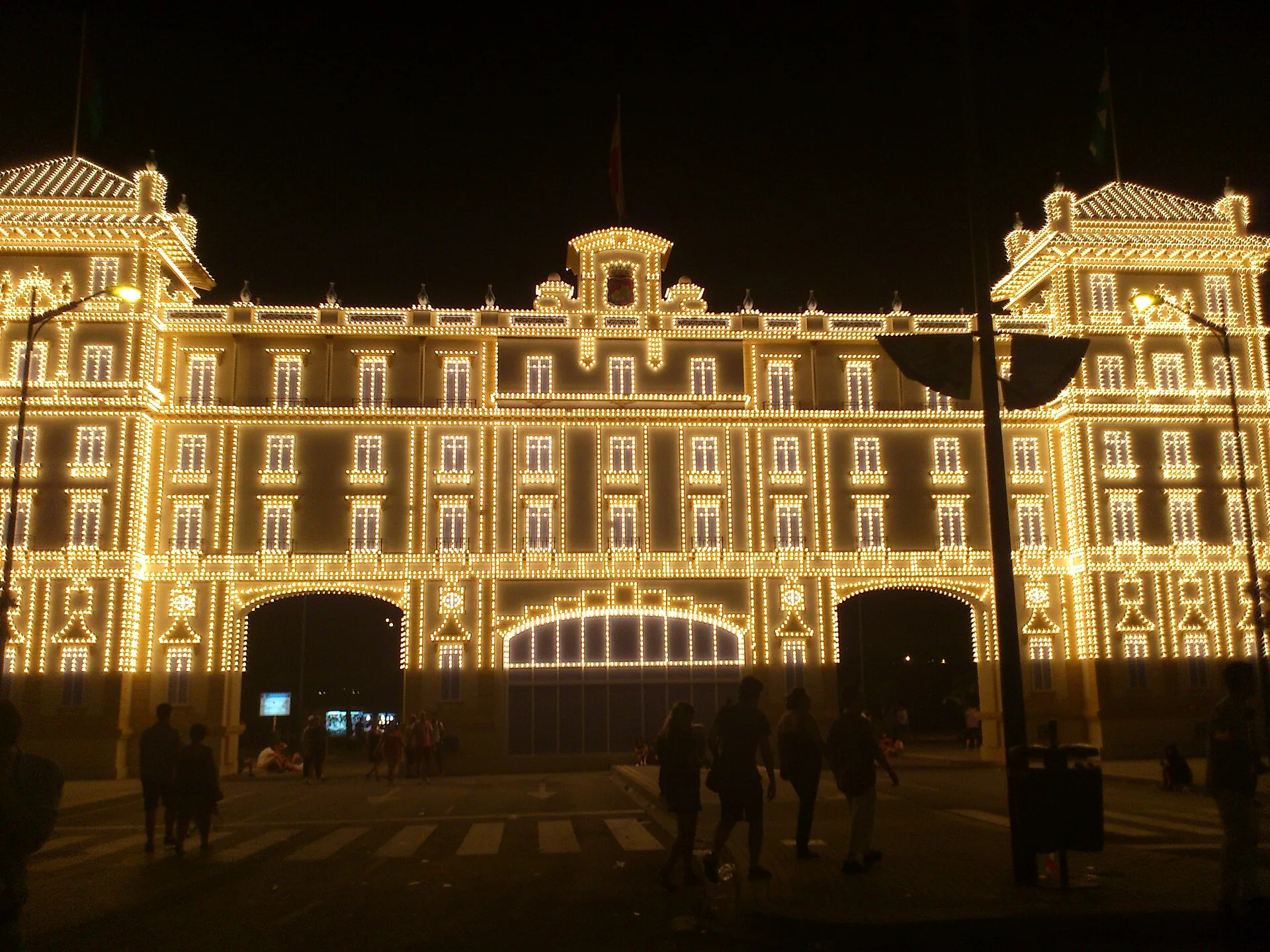
The main summer fair combines a lively daytime atmosphere in the centre with a fairground area at night.
Location: city centre and fairground
San Juan is mainly experienced on the beach and is a good way to observe local summer traditions.
Location: city beaches
A more playful and creative option if you enjoy street atmosphere and popular celebrations.
Location: centre and squares
Quick tip: for Holy Week it is best to arrive early, and during the August fair you should expect strong daytime heat.
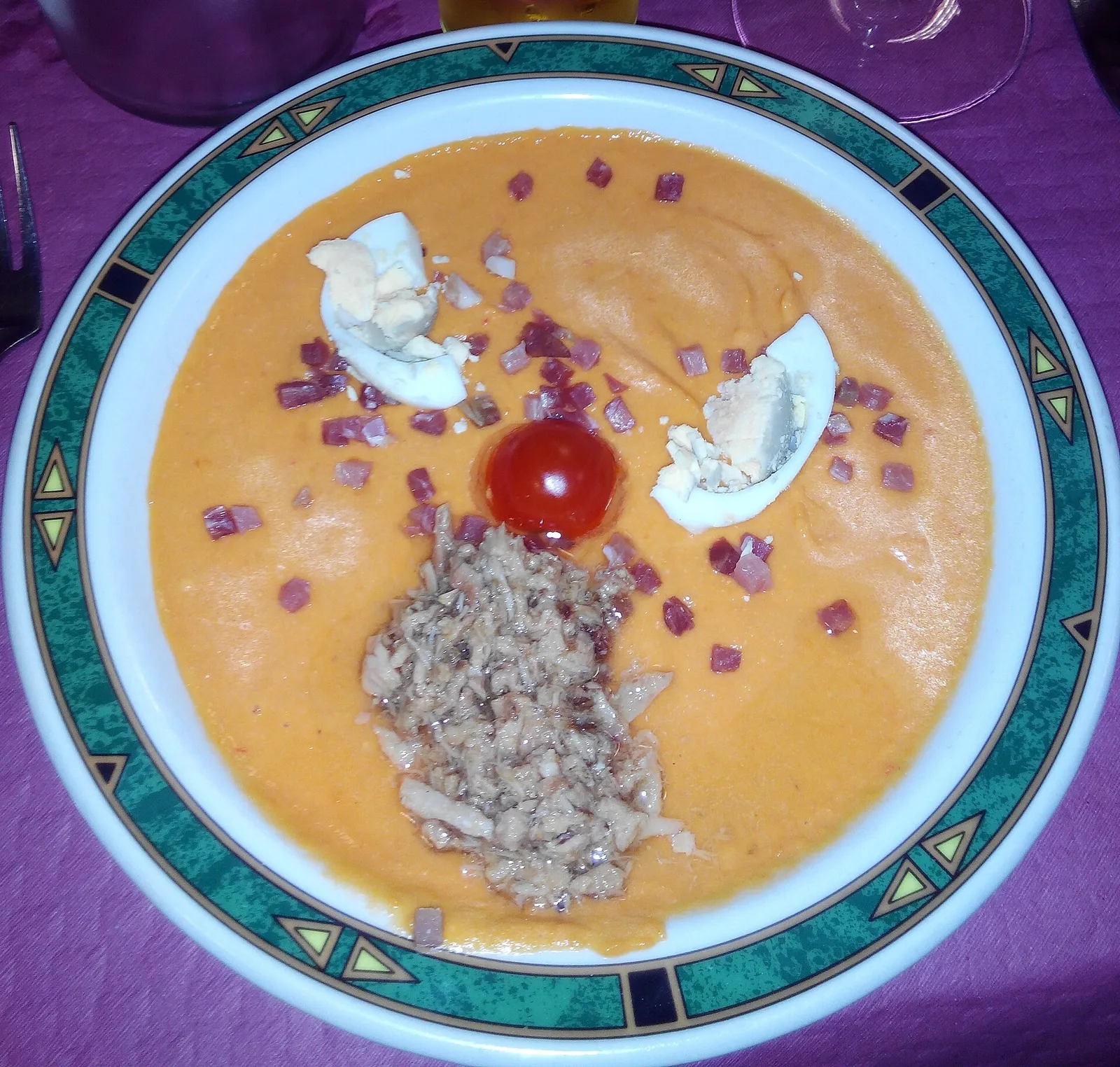
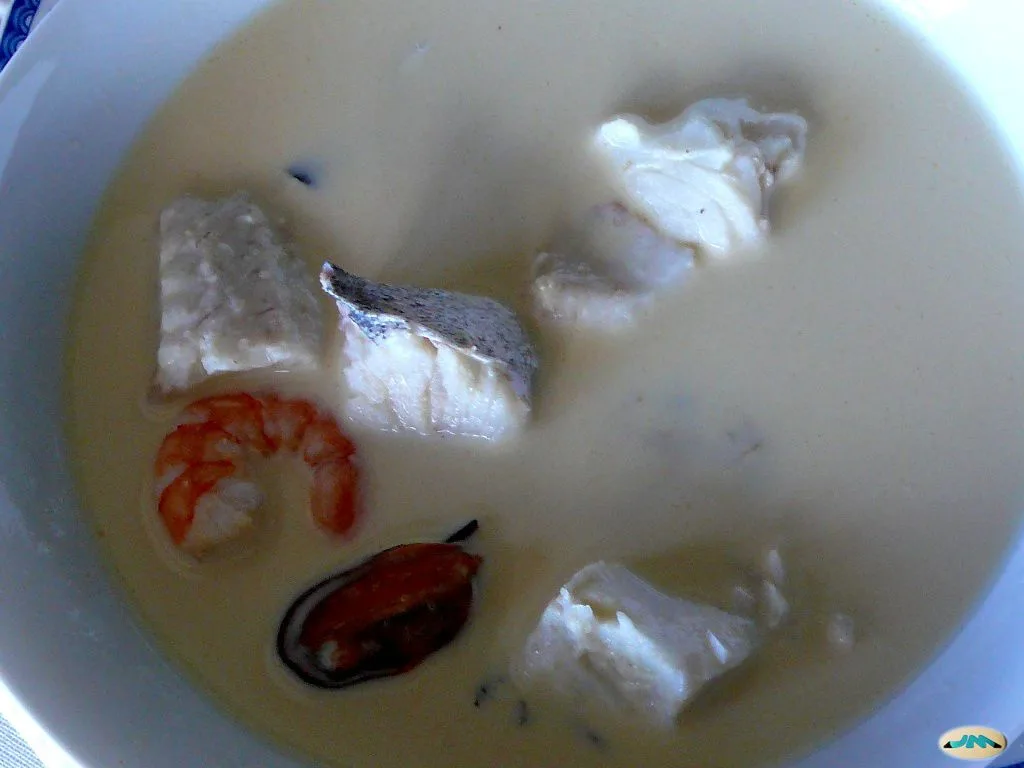
Eating well in Malaga is also part of the immersion. Local food blends the sea, traditional Andalusian recipes and a daily rhythm shaped by terraces, markets and beach restaurants.
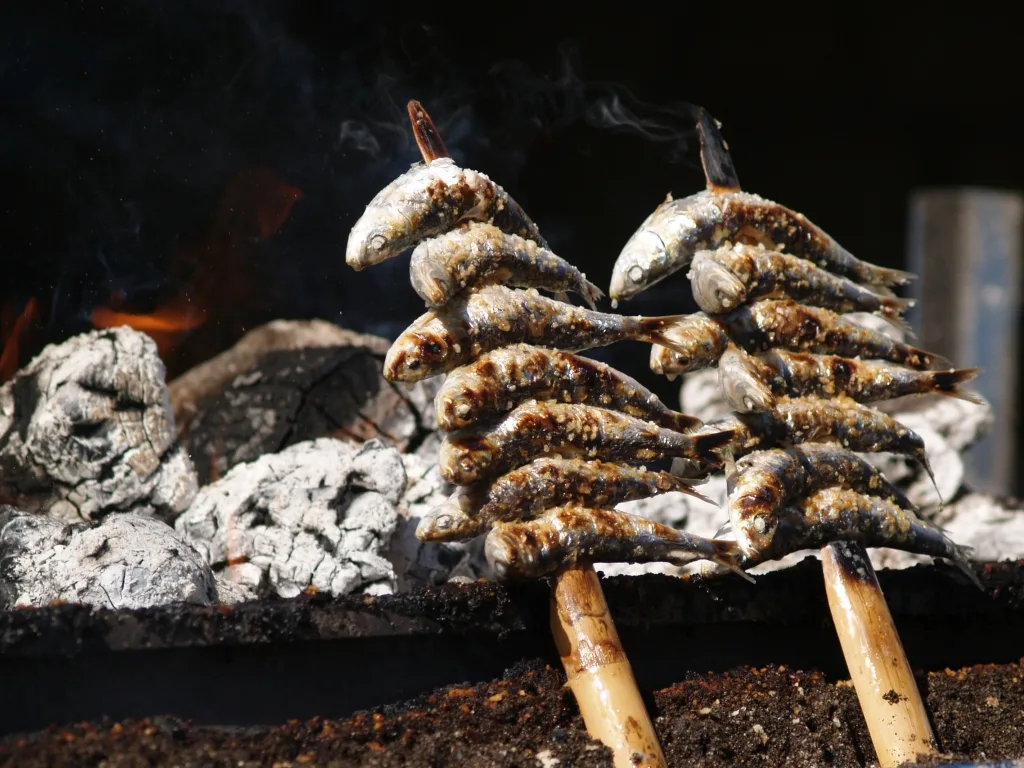
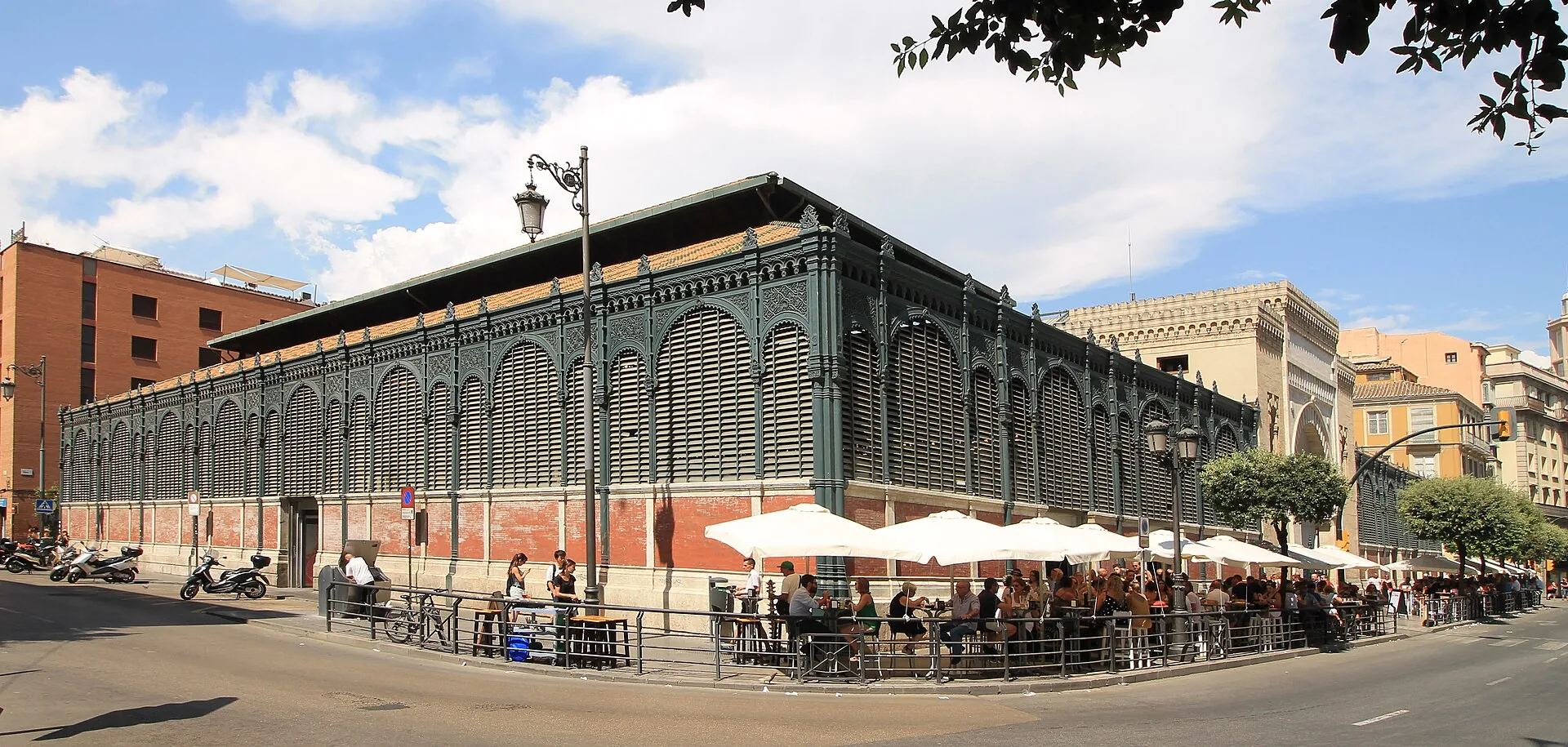
Adding markets, beach restaurants and tapas bars to your routine makes Spanish practice feel much more natural.
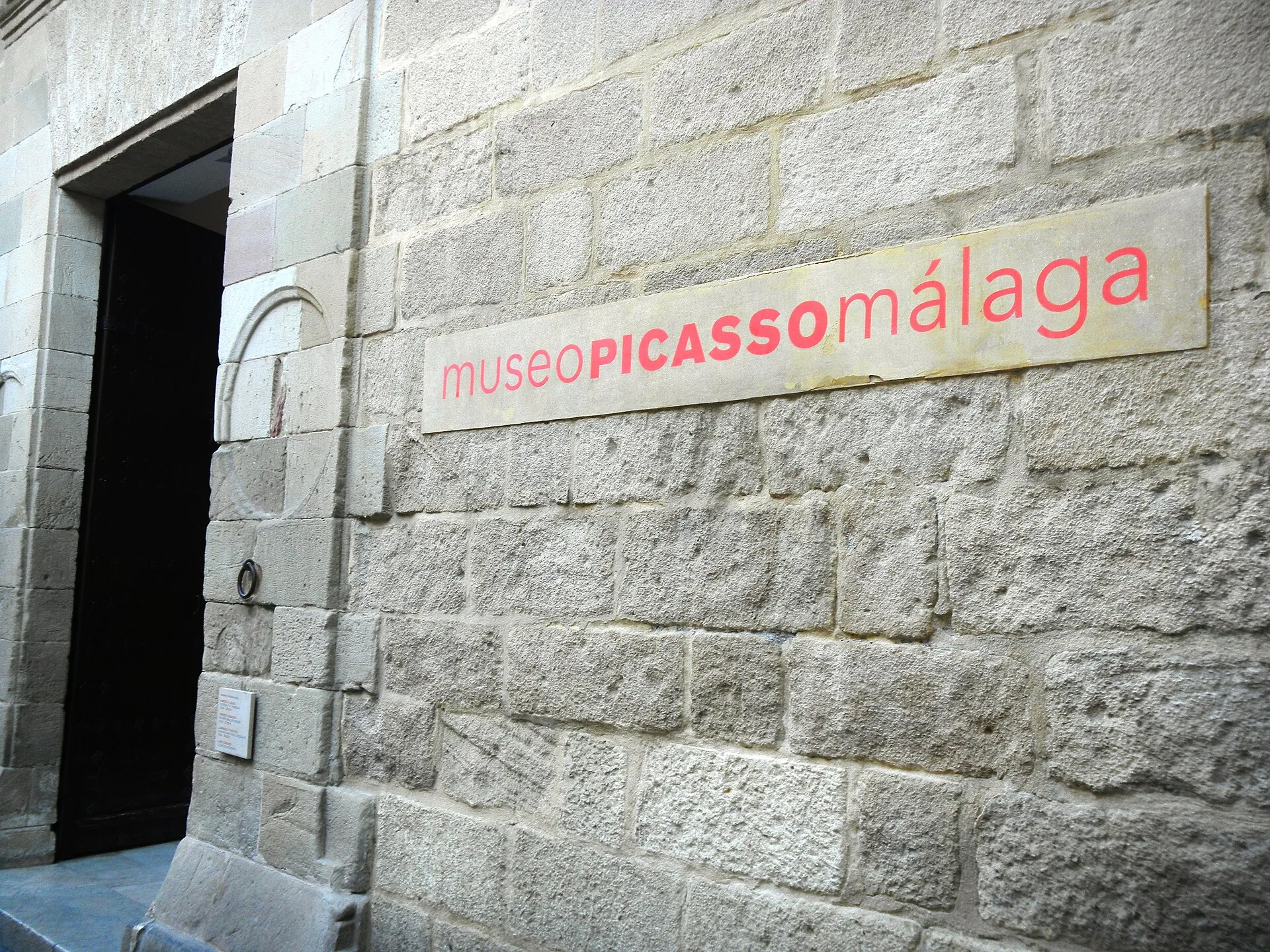
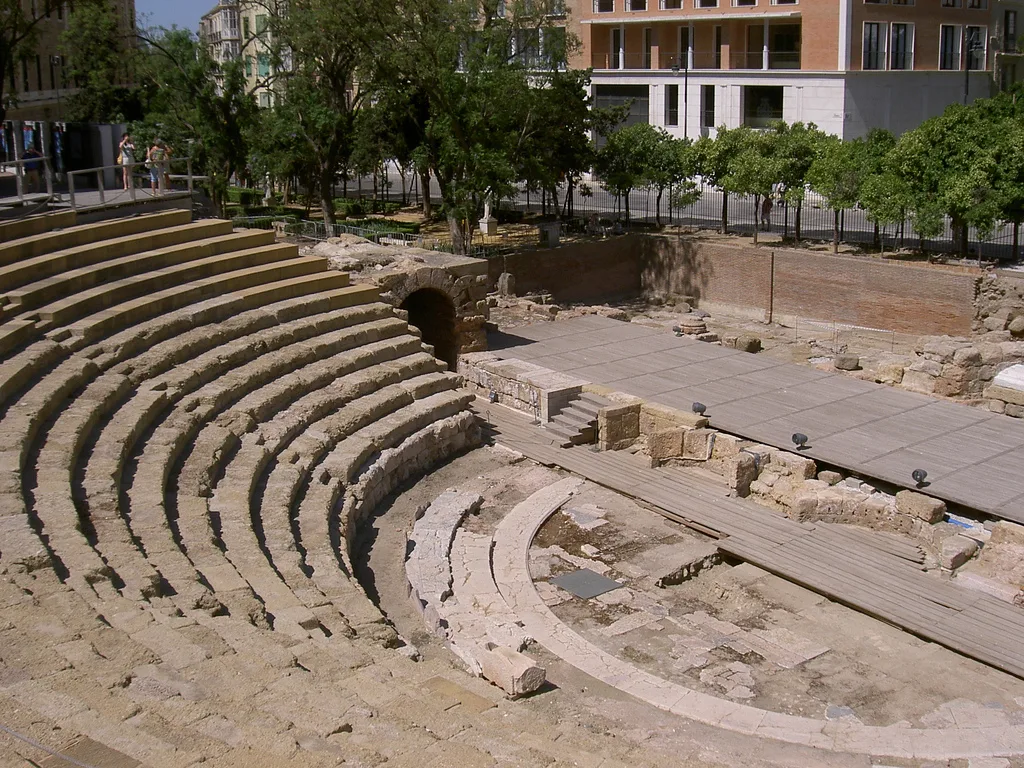
Malaga brings together Islamic defensive architecture, Renaissance heritage and contemporary culture by the port. This selection helps you plan the city’s must-see visits while understanding more of its historic character.
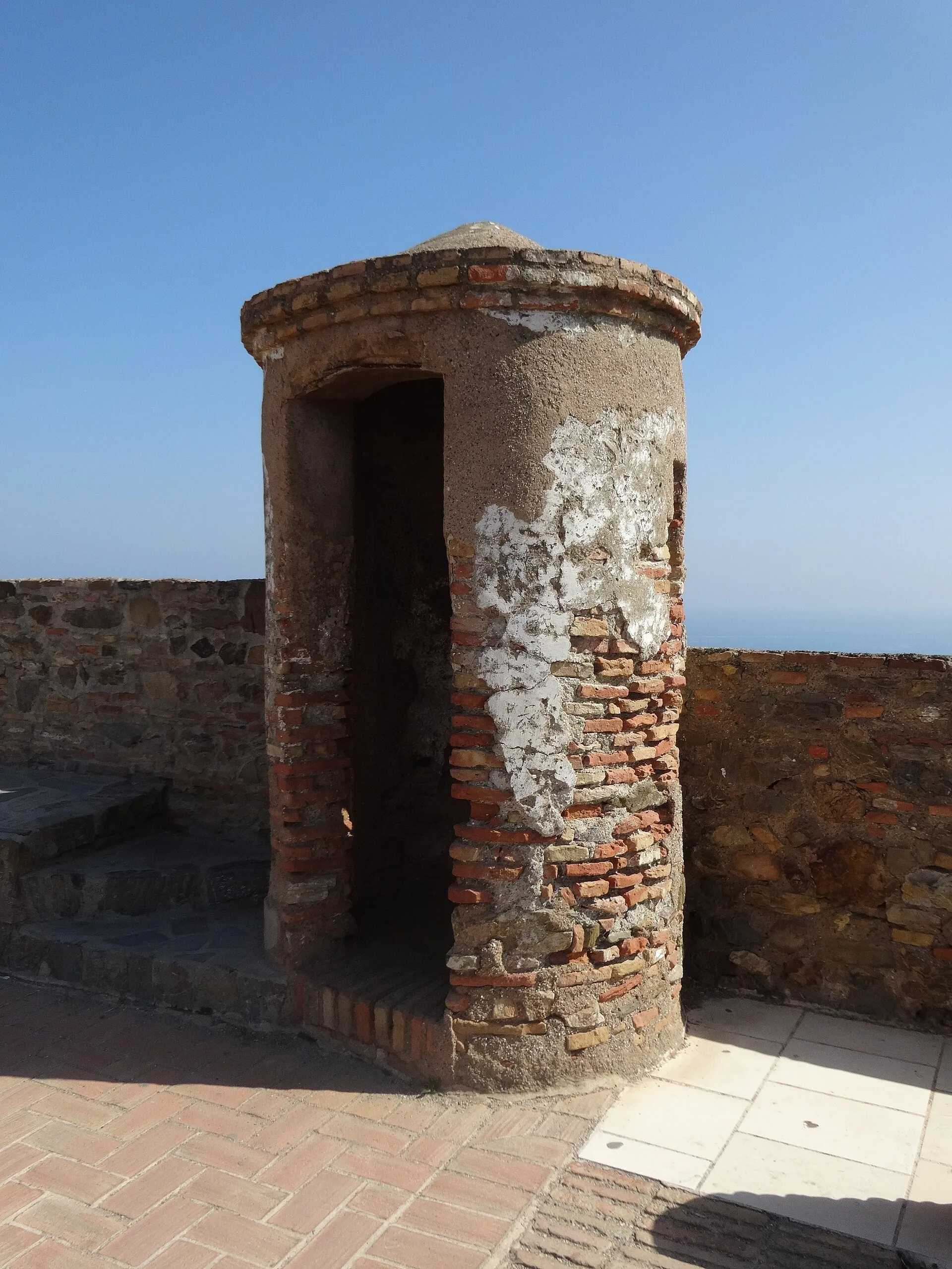
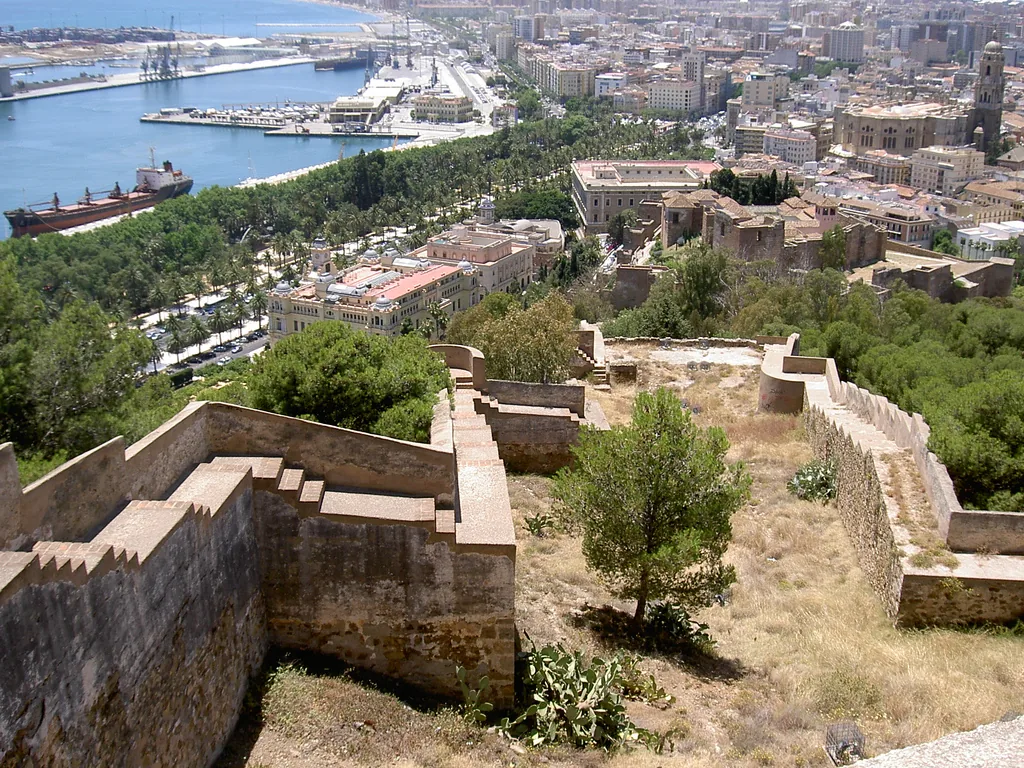
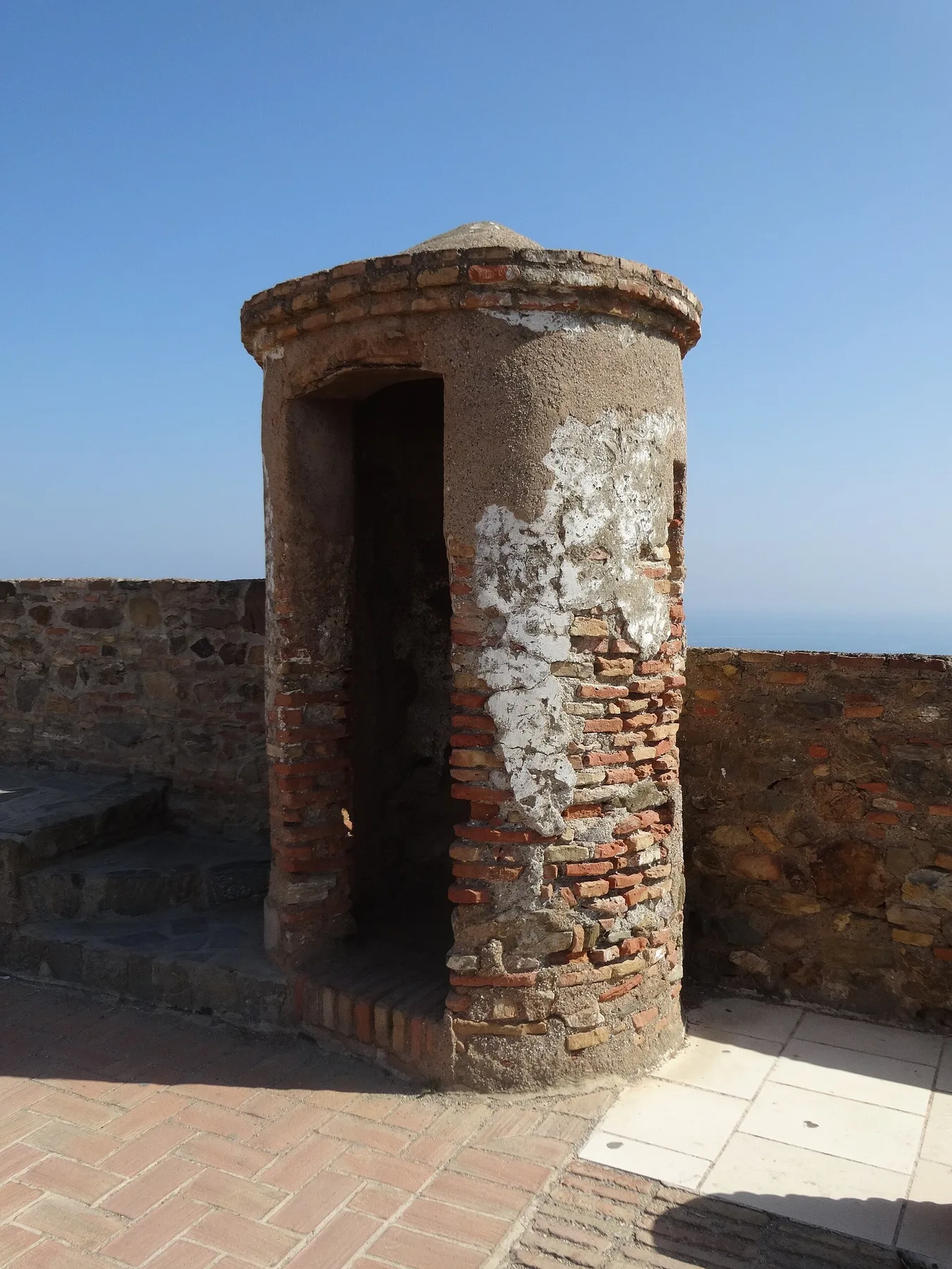
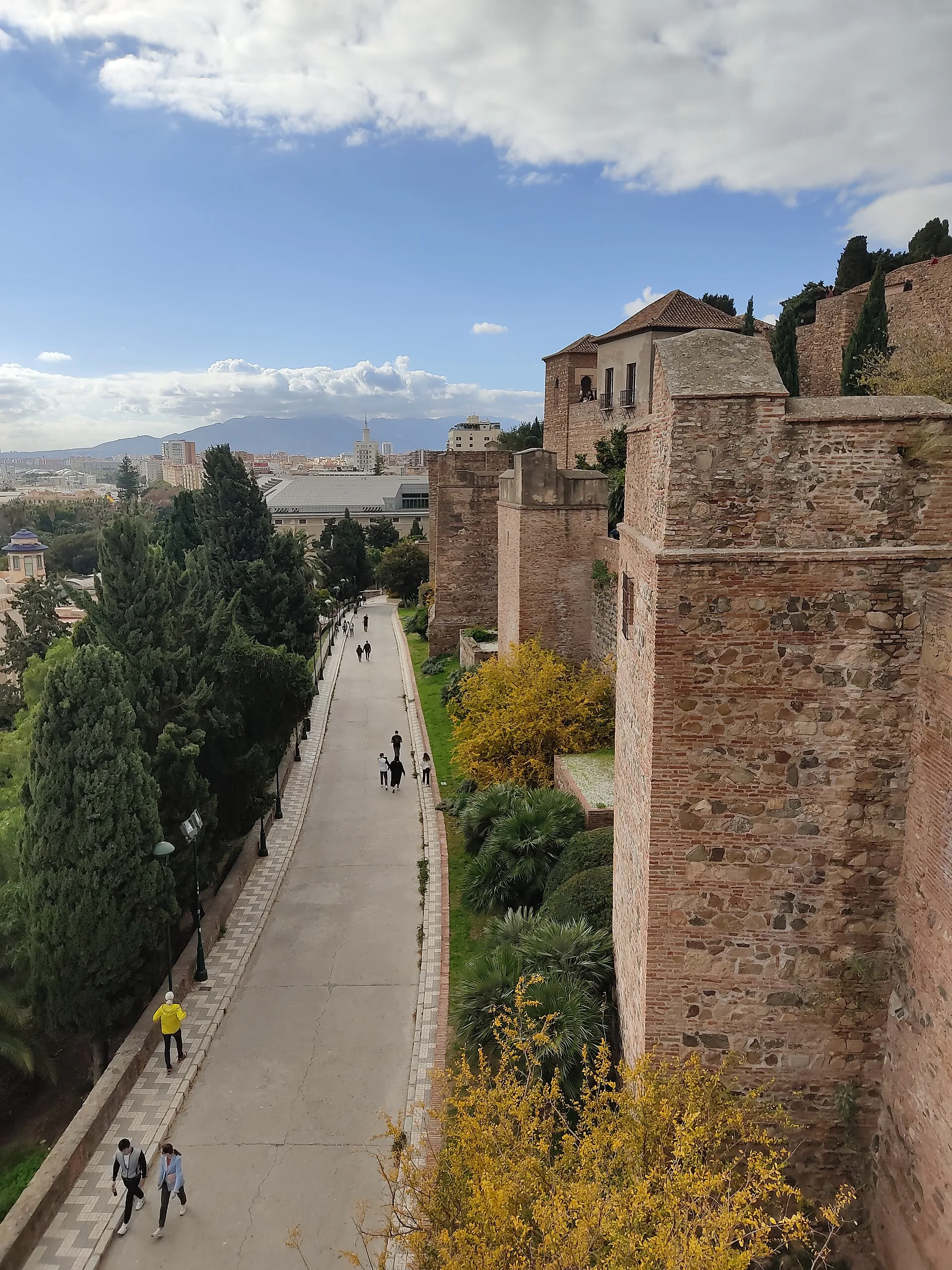
One of the city’s great historic symbols, with excellent views over the centre and port.
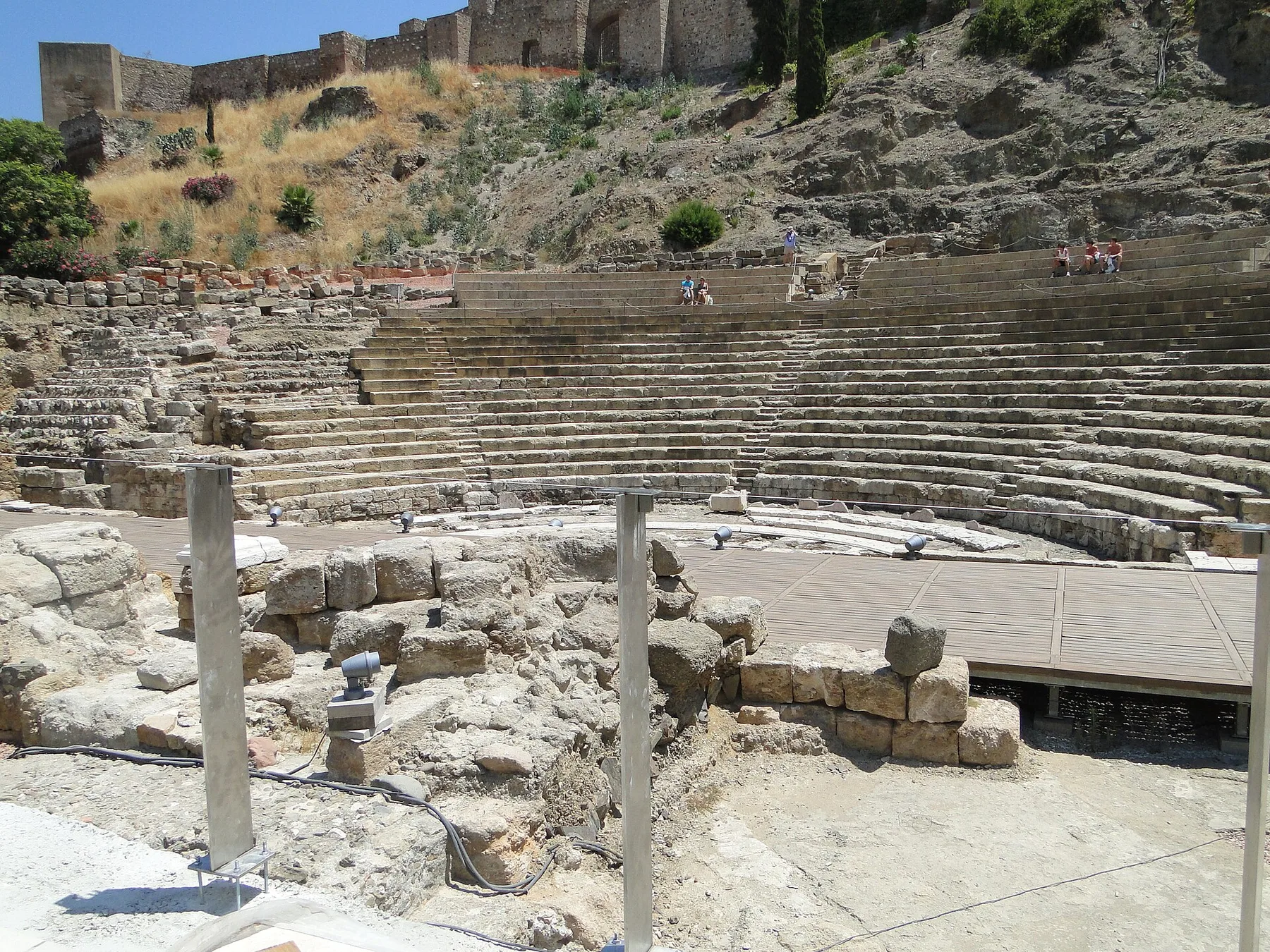
Set directly below the Alcazaba, it forms one of Malaga’s most recognisable historic scenes.
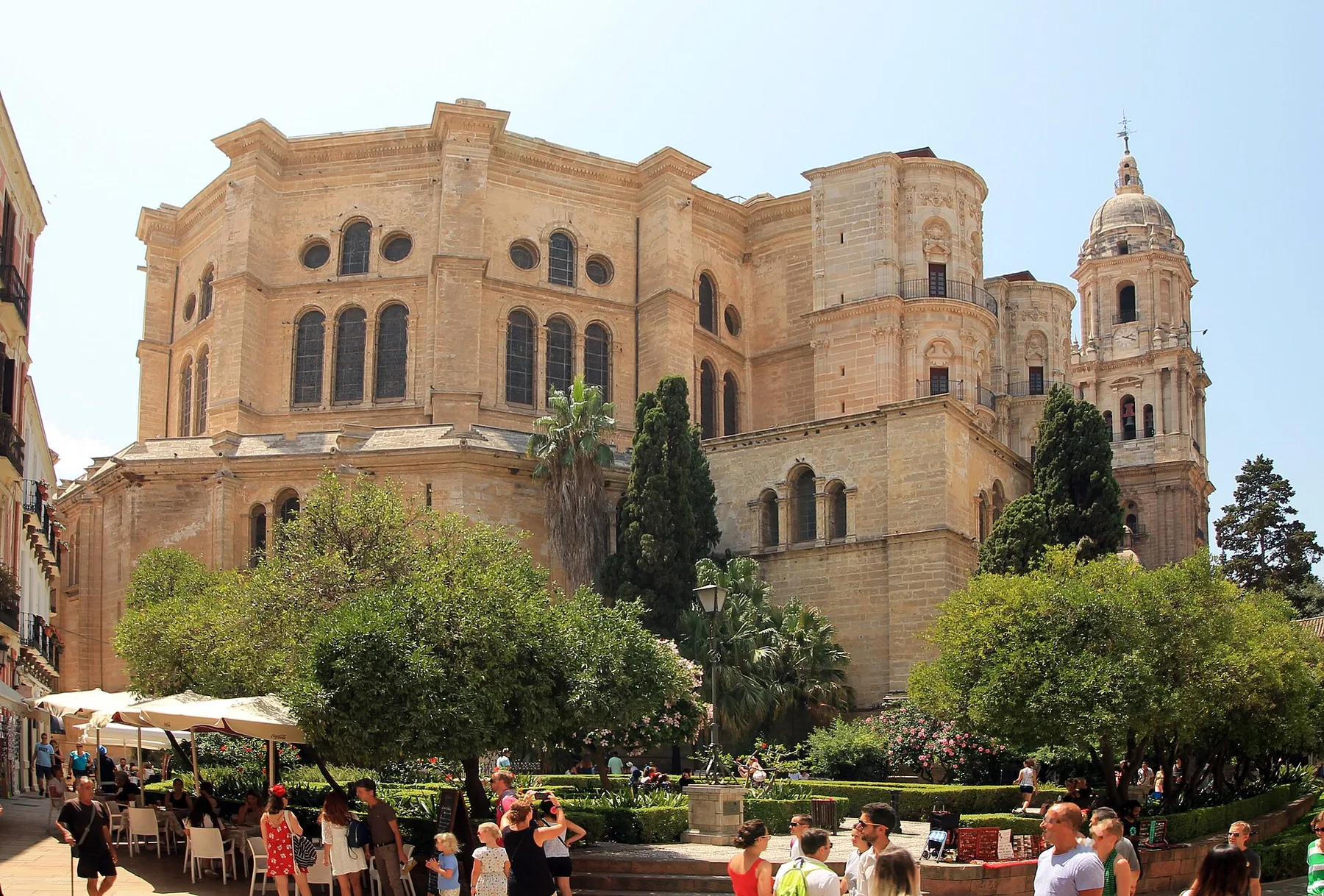
The main monumental reference point in the old town, known for its strong presence and mix of styles.
It is one of the best places to see the city, harbour and coastline from above.
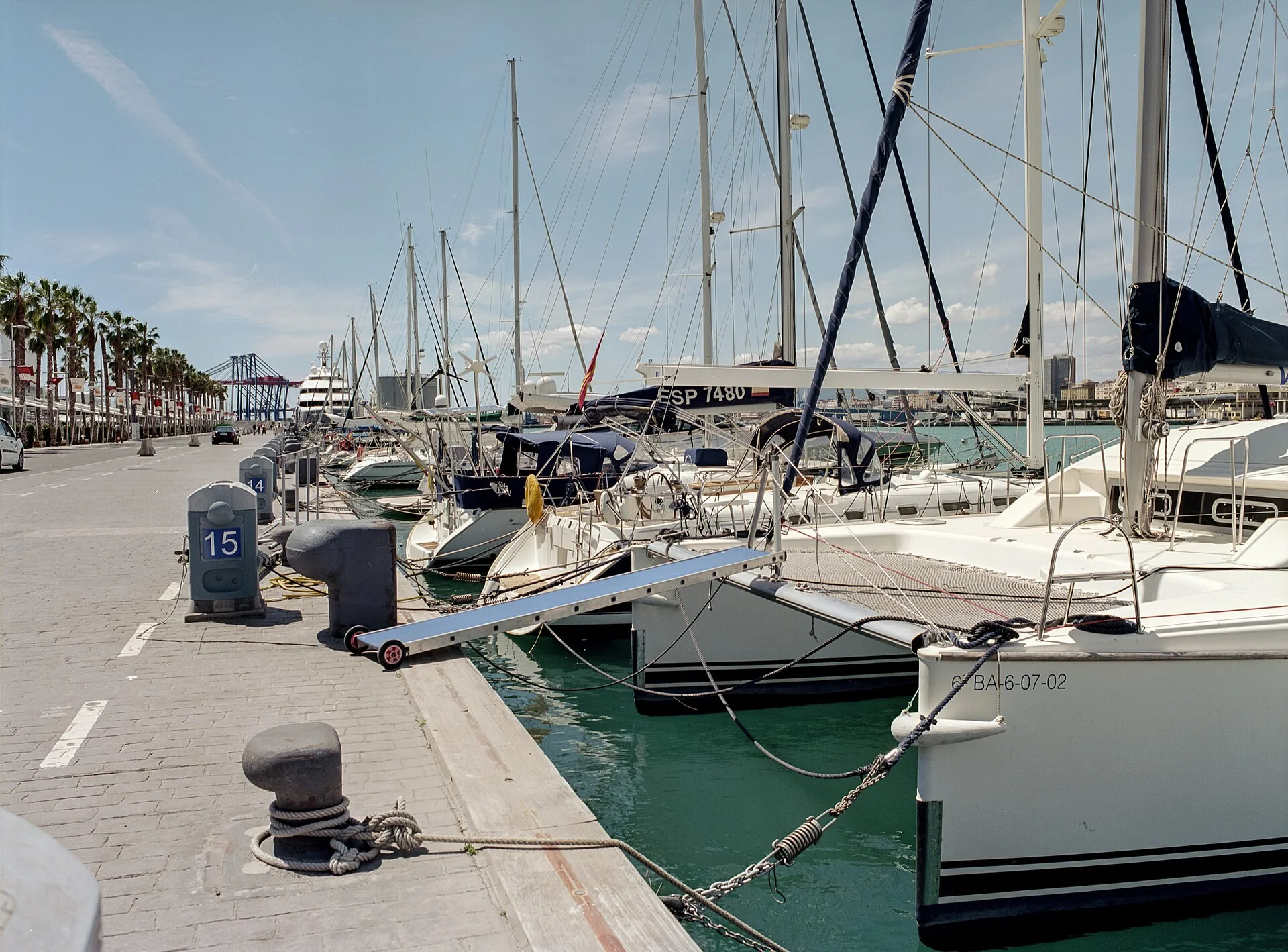
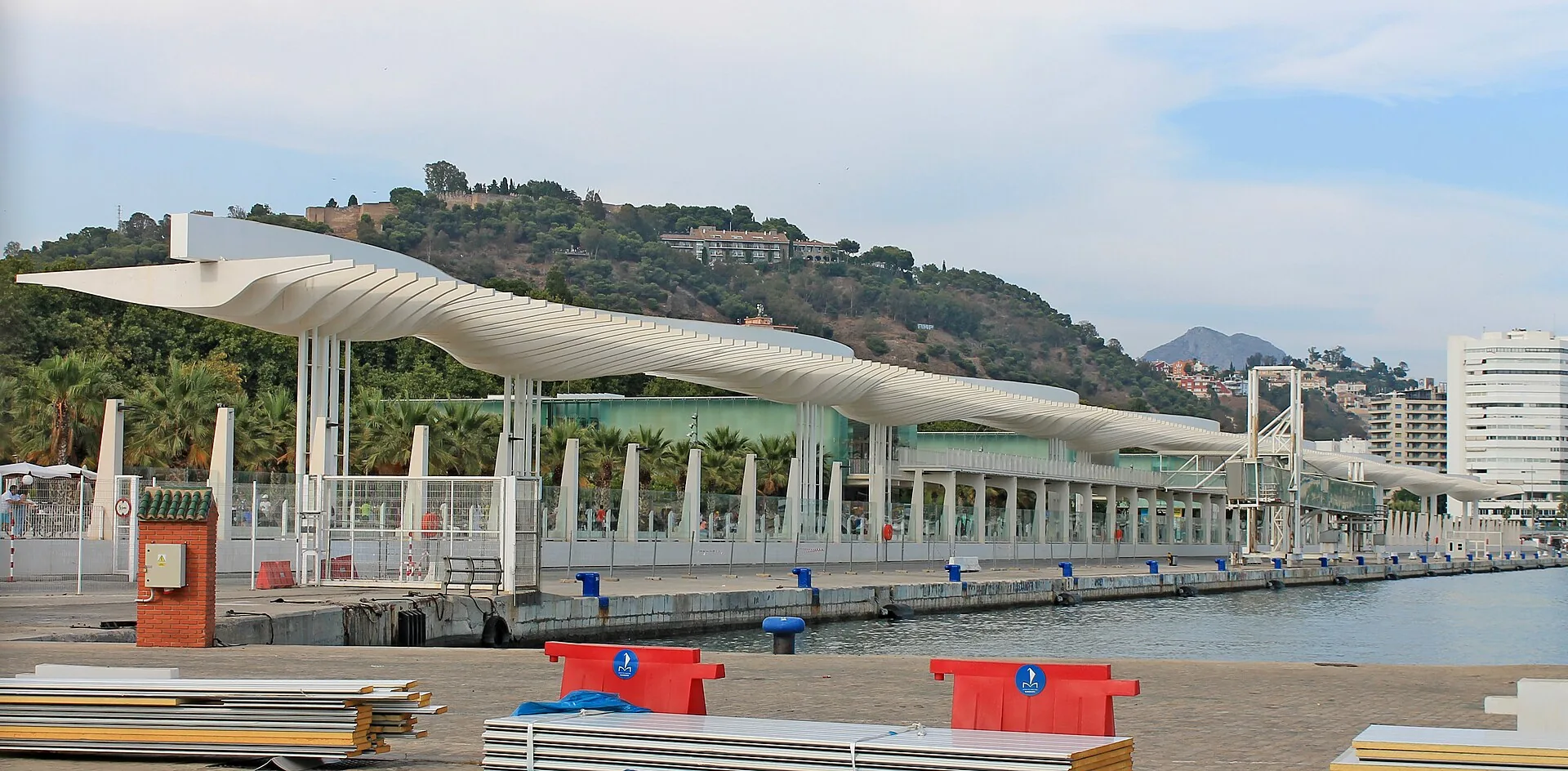
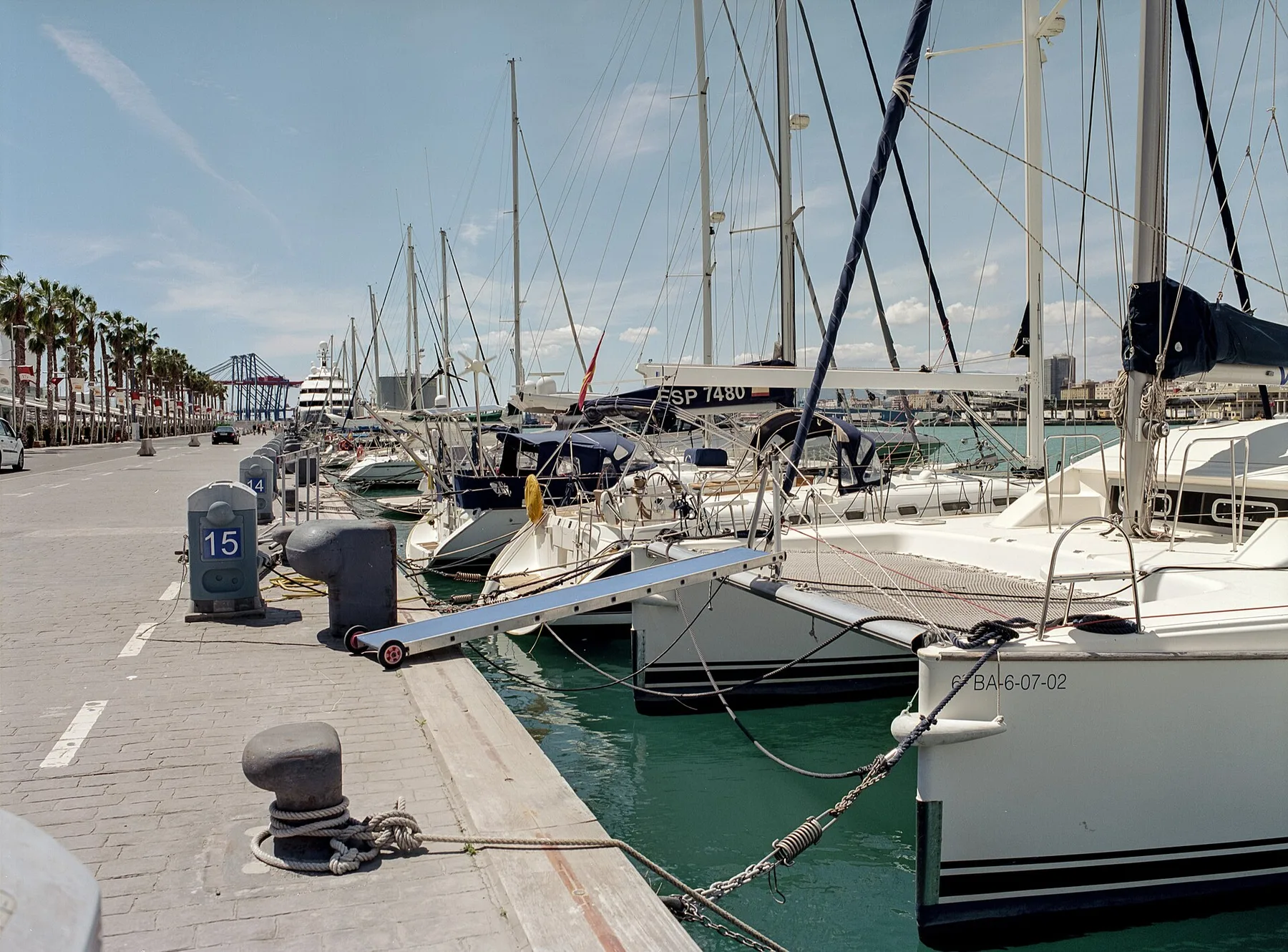
A very pleasant place to walk, eat and enjoy the atmosphere of the modern port.
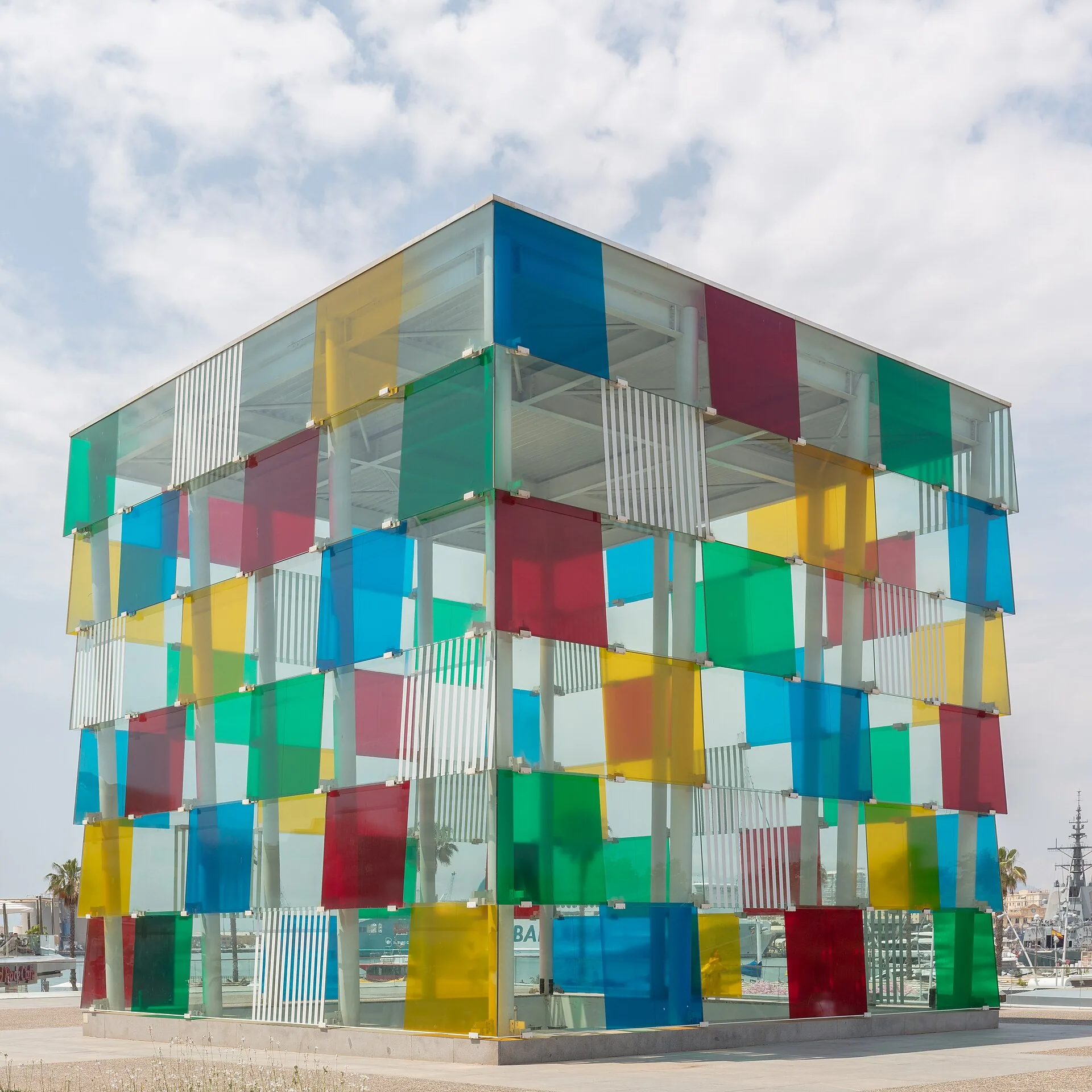
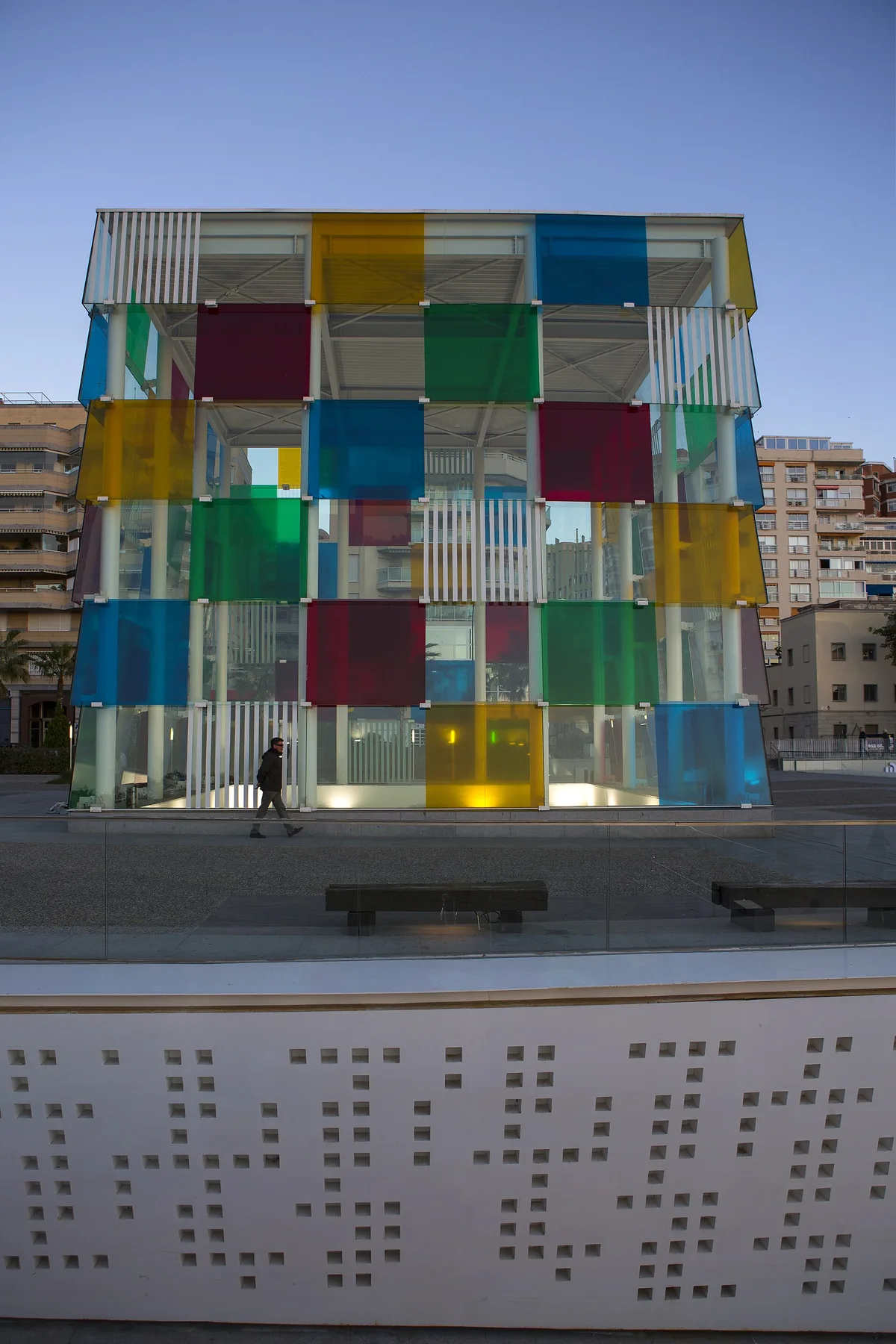
Its coloured cube has become one of Malaga’s most recognisable contemporary icons by the port.
Compare courses, accommodation areas and schedules to find the Spanish school in Malaga that fits you best.
Spring and autumn are usually the most comfortable seasons for studying and enjoying the city. If you want the liveliest festive atmosphere, the 2026 Malaga Fair is expected to run from August 15 to August 22, 2026.
In general, Malaga is often easier to budget for than Madrid or Barcelona, but rent has risen in the most popular areas. The centre and La Malagueta are usually more expensive, while Teatinos, El Palo or nearby towns can be more affordable.
The most practical options are usually Cercanías C1 or the A express bus. If your accommodation is well connected by rail, C1 is often the simplest choice; otherwise line A works very well for reaching the centre.
Yes. The schools we work with can offer preparation for DELE or SIELE, combining exam practice with speaking, reading and writing work.
Quote planner
Answer a few quick questions and choose how you want to continue.
Hi! 👋
We use necessary cookies so the website works properly and, with your permission, analytics or marketing cookies to improve the experience and load external services. Cookie Policy
You can accept all cookies, reject optional ones, or choose category by category.
Cookies required for the website to work properly, remember language preferences, and store your privacy choices.
These help us understand how the website is used so we can improve content, performance, and user experience.
These allow external content, campaign measurement, or third-party services to load only after visitor consent.