

If you are planning a trip through northern Spain, Lugo is one of those cities that deserves more than a quick stop. Located in Galicia, it is best known for having one of the most complete and best-preserved Roman walls in Europe. At first glance, Lugo may not feel as polished or tourist-driven as some of Spain’s more famous cities, but if you enjoy history, old-town walks, Camino culture and places with a more authentic local rhythm, Lugo has far more depth than many people expect.
What kind of city is Lugo?
Lugo is located in northwestern Spain, in the autonomous region of Galicia, and it feels very different from more internationally famous destinations. It does not have the intense tourism energy of Barcelona or the metropolitan pace of Madrid. Instead, it offers a calmer, more lived-in atmosphere shaped by history, local life and regional identity.
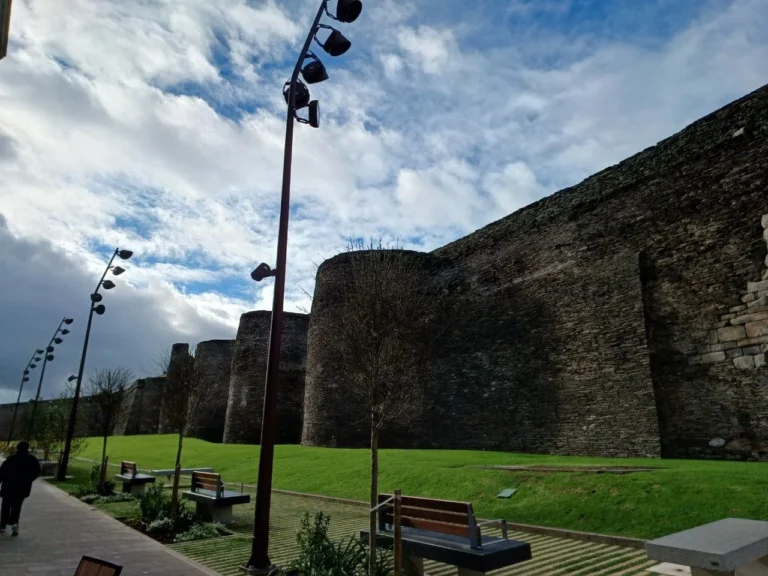
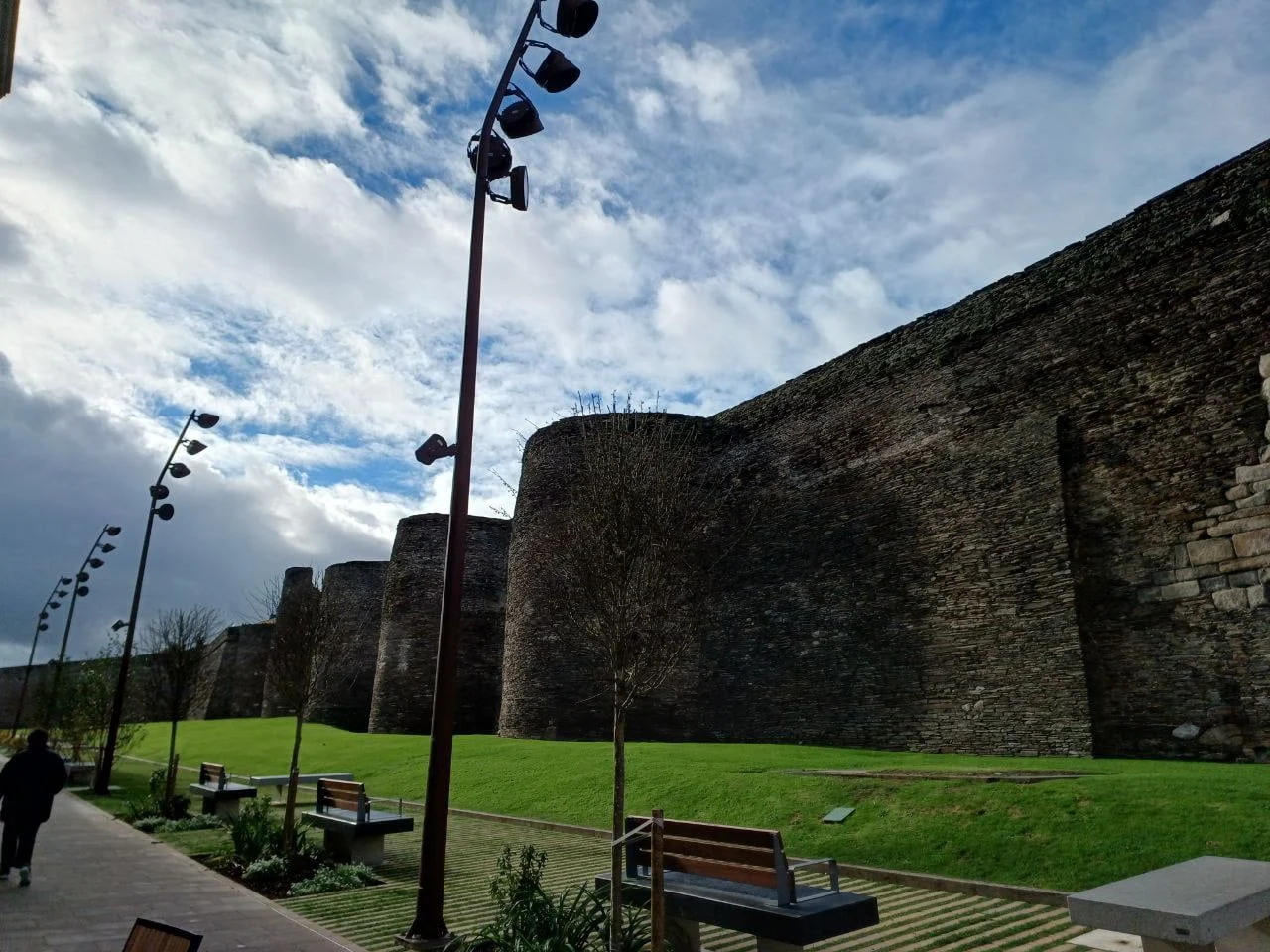
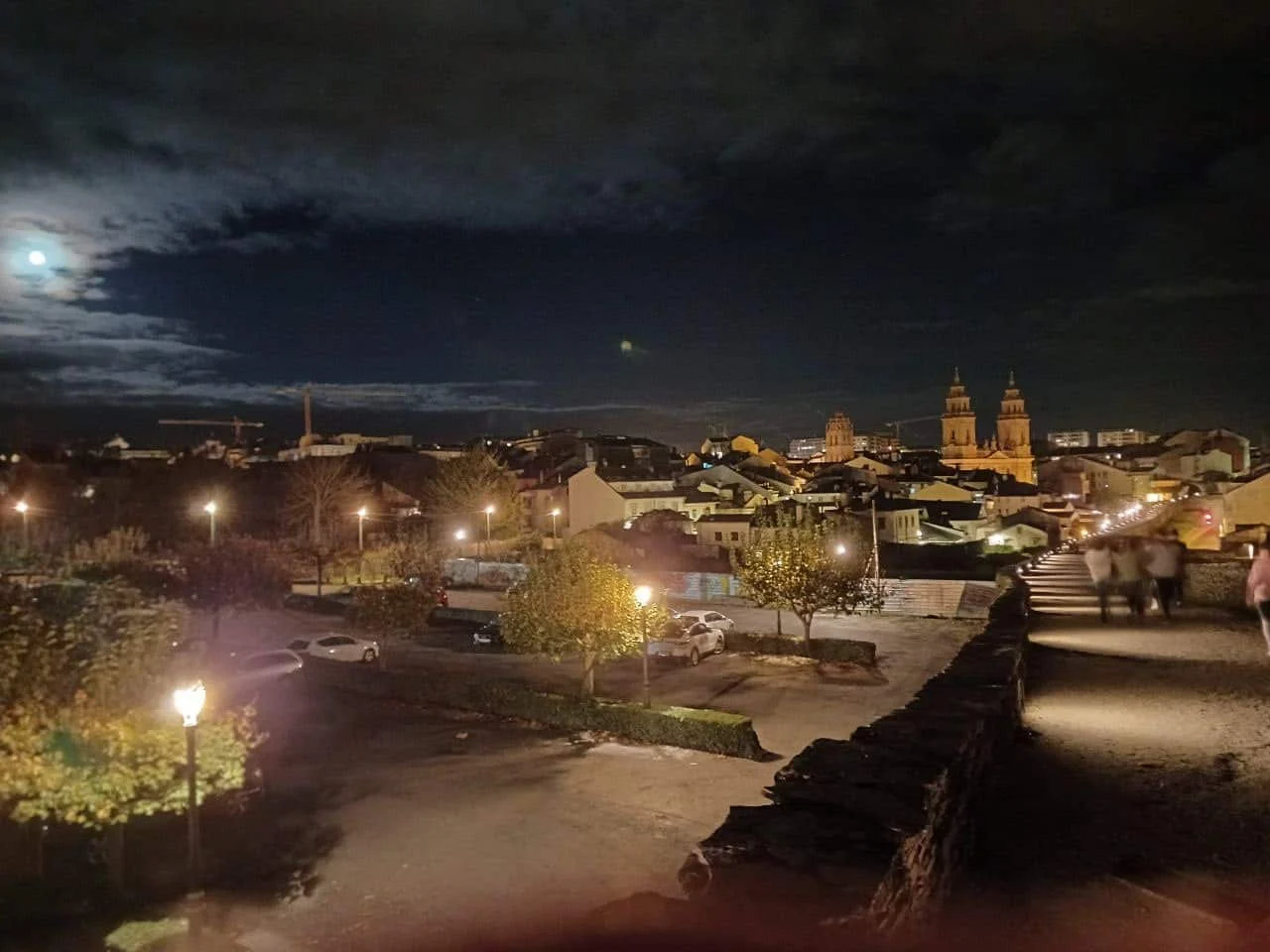
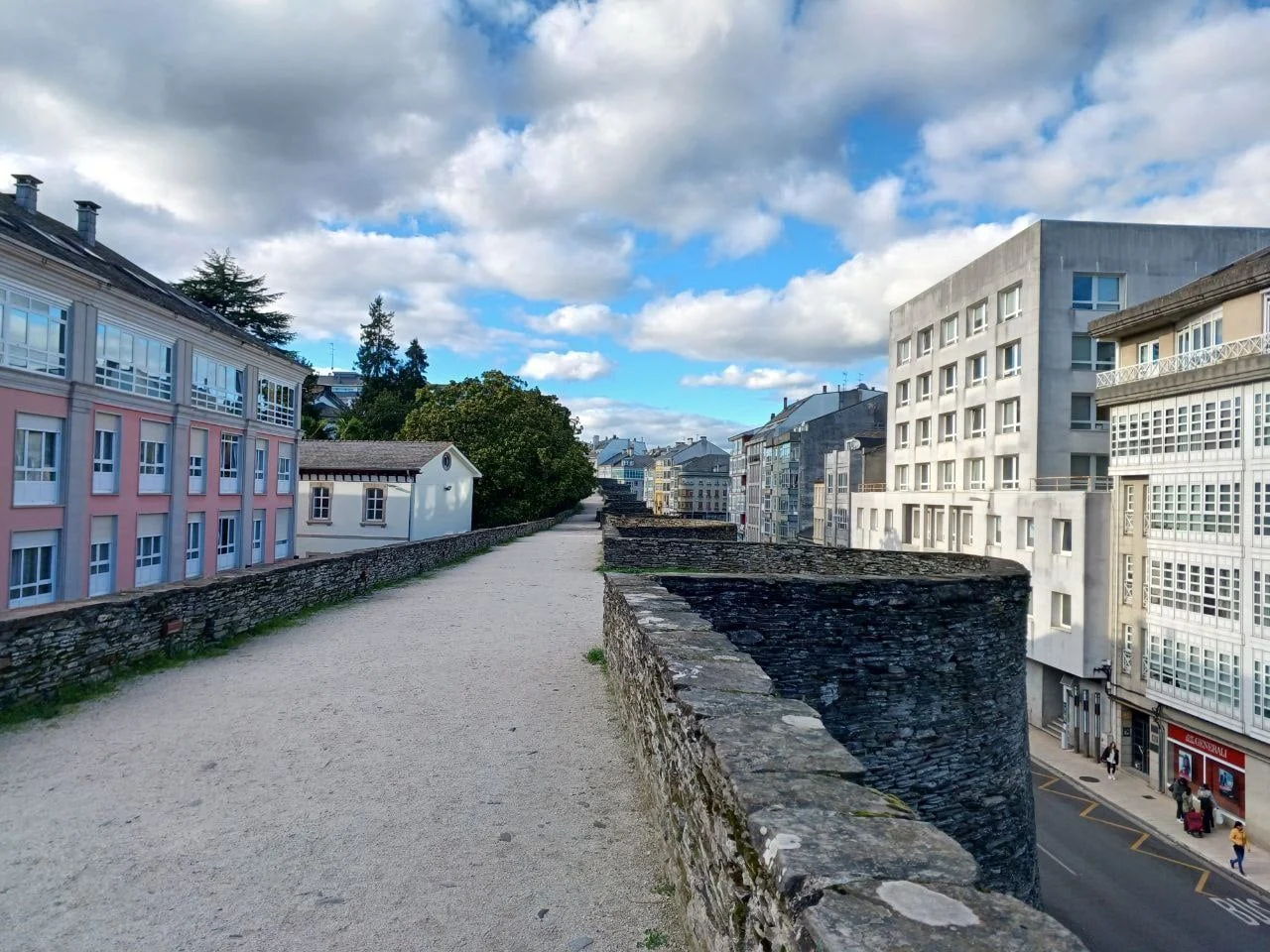
The city’s most iconic landmark is its Roman wall, now recognised as a UNESCO World Heritage Site. The wall stretches for around 2,266 metres around the historic centre and, unusually, it can still be walked in full today.
If you are interested in Roman history, Spanish old towns, Galician culture or Camino routes, Lugo is a very rewarding city for a short one- or two-day stay.
Why is Lugo’s Roman wall so special?
Lugo’s most important historical symbol is, without question, its famous Roman wall. Built roughly between the 3rd and 4th centuries AD, it has survived for nearly two thousand years in an extraordinary state of preservation.
What makes it so memorable is not only its age, but the fact that you can actually walk along it. As you move around the full circuit, you get changing views of rooftops, gates, streets and the edges of the old city. It is a historical monument you do not just look at, but physically enter and experience.
This unusual degree of preservation is exactly why Lugo’s wall remains one of the city’s greatest cultural treasures.
It may not be the most polished tourist city, but it feels deeply Galician
If you compare Lugo with other Spanish cities, your first impression may not be “spectacular”. Some parts feel less curated, less commercial and less shaped around tourism.
But that is also part of its appeal. Lugo still feels like a real city with its own rhythm. Around the old town you notice everyday life, quieter streets, traces of age and a local atmosphere that has not been overly redesigned for visitors.
For some travellers, that may seem less impressive at first. For others, it is exactly what makes the city feel more honest and memorable.
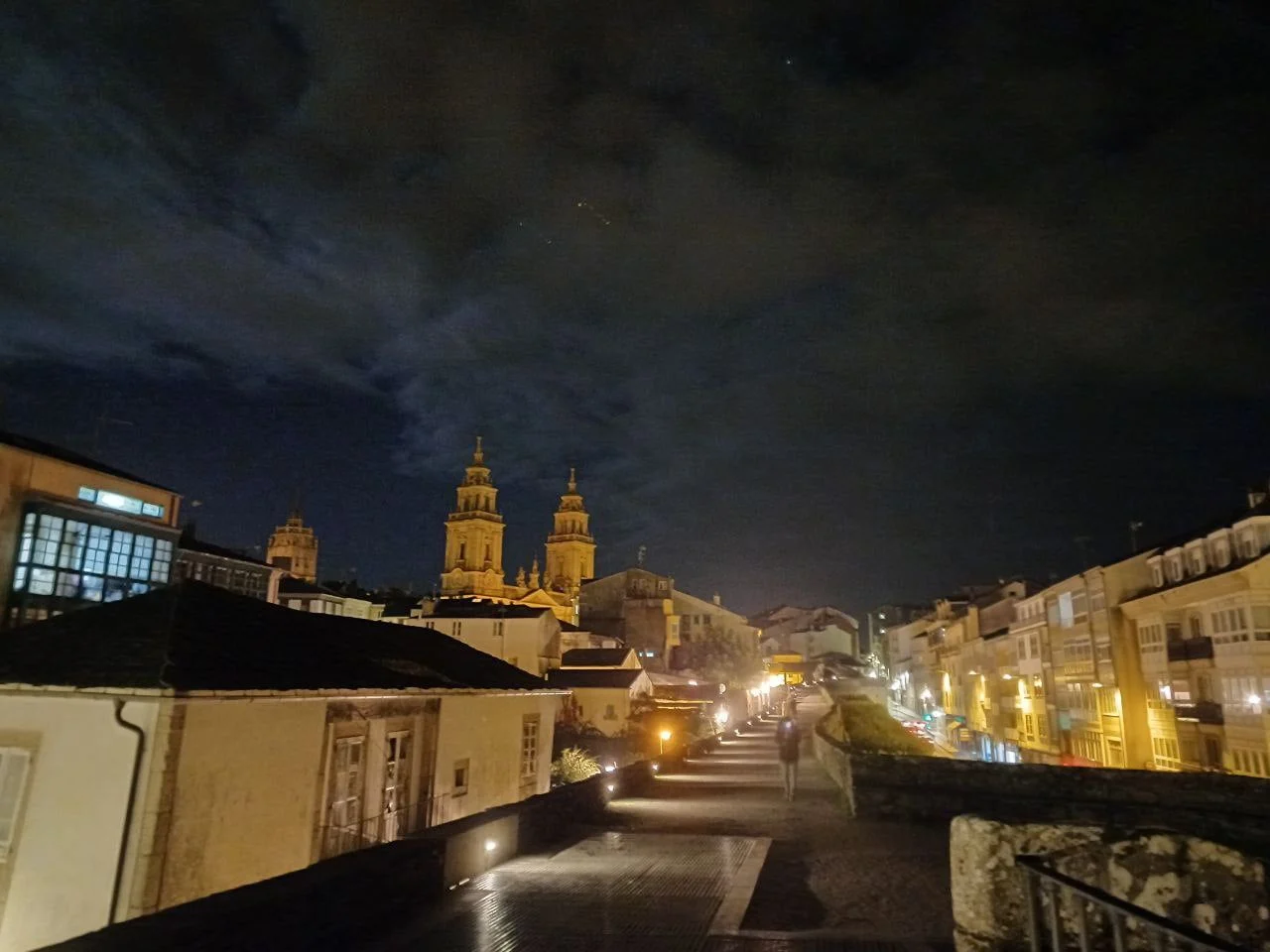
Lugo also matters within the wider Camino and Galician landscape
For travellers interested in the Camino de Santiago, Lugo is not an isolated stop. It forms part of a larger historical, spiritual and cultural geography within Galicia and connects naturally to the wider identity of northwestern Spain.
That is one reason why Lugo fits so well into a Galicia itinerary. It is not just “a city with a Roman wall”. It is also a place that helps you understand the region more deeply.
What makes Lugo memorable is not only the scale of its Roman wall, but the way the city slowly reveals its history, atmosphere and everyday humanity as you walk through it.
Beyond the monument, Lugo also invites reflection
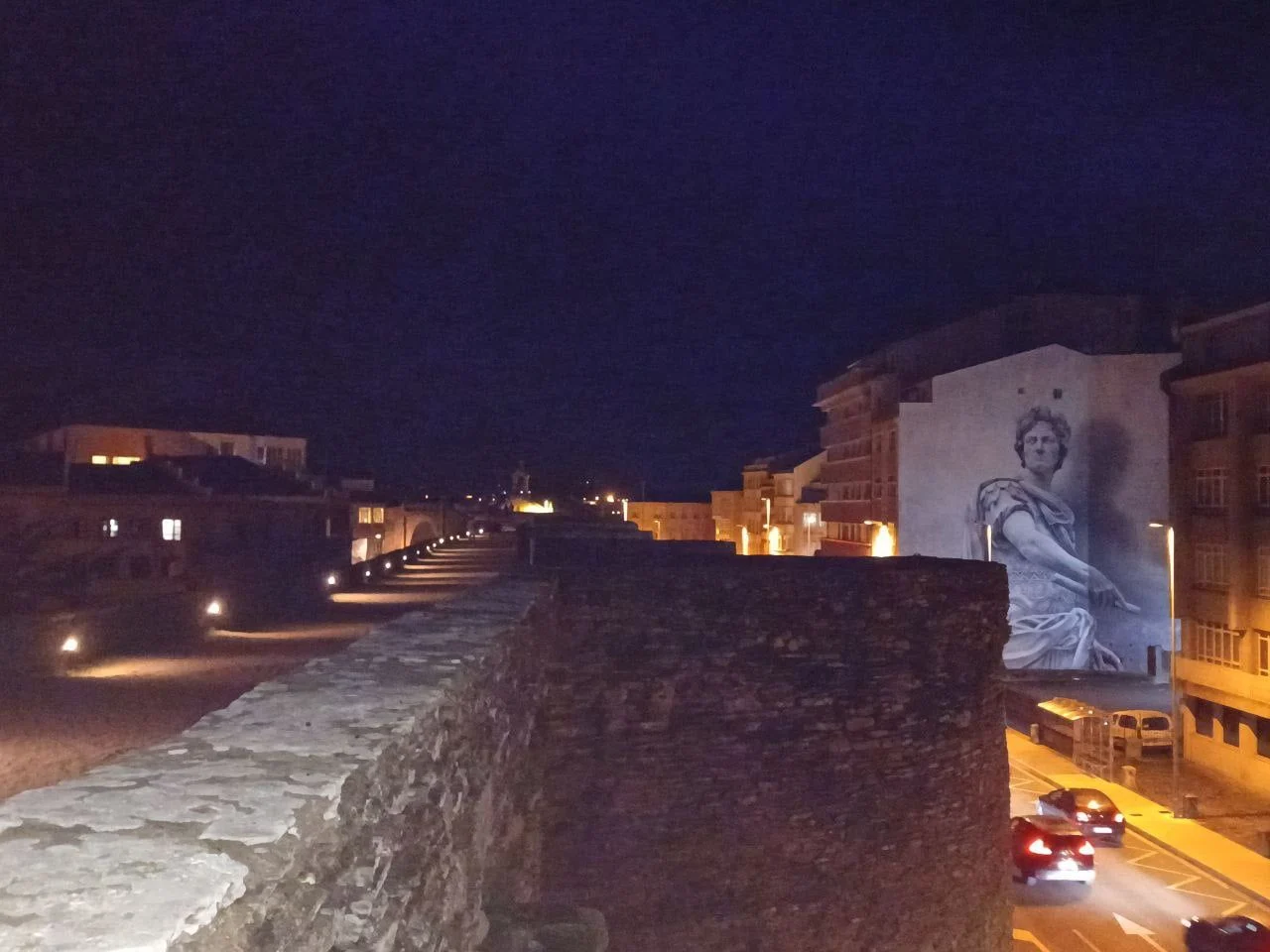
One of the strongest impressions from this short trip was not only the Roman wall itself, but also some of the artistic and social imagery found in the old town. These were not just decorative visuals. They felt like reminders that cities can also challenge the way we see the world.
When you come across images linked to poverty, illness, childhood or inequality, it becomes difficult not to reflect on how differently people begin life, and how easily even those of us living in freer and more stable environments can let our perspective shrink into everyday routine.
That is one of the most valuable things about travel. It is not only about seeing places, but about being pushed to reconsider your own way of looking at life.
A small trip to Lugo also means food, rhythm and memory
Beyond the old wall and the city walks, Lugo also left a very clear food memory. In a city like this, even a spontaneous restaurant choice can become part of the trip, especially when you get to try local Galician dishes and a slower dining rhythm.
For me, that is one of the nicest parts of this kind of city break. It does not have to be overplanned, and not every stop has to be a “must-see”. Sometimes a meal, a street or an unexpected visual detail is enough to make a city stay with you.
On the second day, I even passed by a restaurant run by a Japanese couple, and after spending time in Spain, finally finding a Japanese meal that truly matched what I had in mind became one of those small but very personal endings to the trip.
If you like history, old towns and less commercial cities, Lugo is worth your time
Lugo may not be the first Spanish city that comes to mind for every traveller, but if you enjoy historical atmosphere, walkable old centres, UNESCO heritage, Camino culture and quieter northern cities, it is absolutely worth keeping on your list.
Its charm does not come from dramatic tourism packaging, but from what it reveals when you slow down and let the city unfold at its own pace.
If you want to explore northern Spain more deeply, we can help you find a route and rhythm that suits you better
Whether you want to discover Galicia, plan a Spanish study trip or combine language learning with city exploration, we would be happy to help you shape a clearer plan.
Contact us