

Santiago de Compostela: the final destination of the Camino and an ideal city to experience Spain more deeply
If some journeys truly mark a turning point in life, the Camino de Santiago is certainly one of them. Every year, people from all over the world make their way to Santiago de Compostela in Galicia. For many, it is not just a long walk, but a meaningful experience that combines culture, reflection and human connection.
And if you also want to learn Spanish in Spain, combining this journey with language study can make the whole experience even richer. Santiago is not only the end point of a famous pilgrimage route, but also a very special place for Spanish immersion.
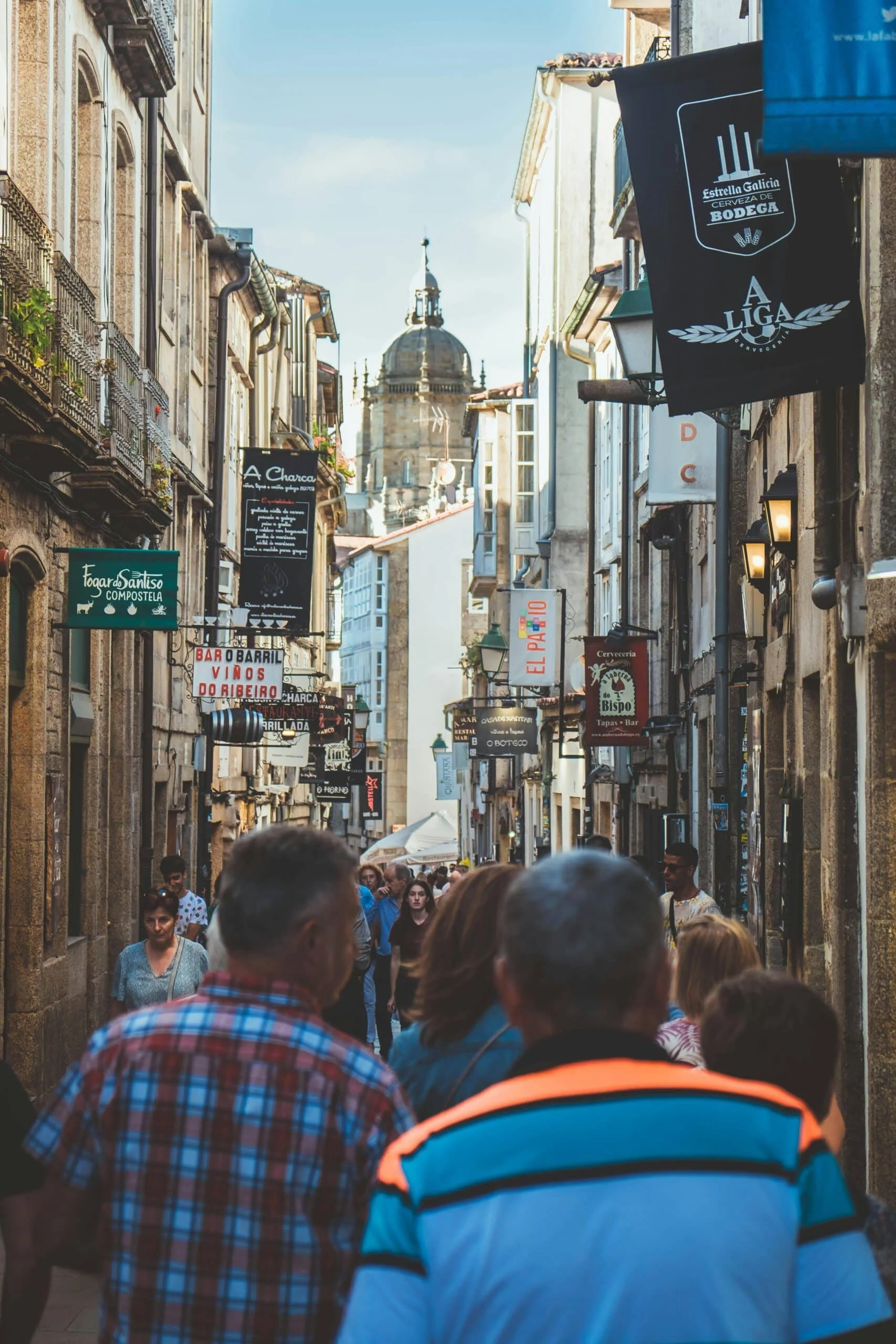
A city shaped by history, university life and international exchange
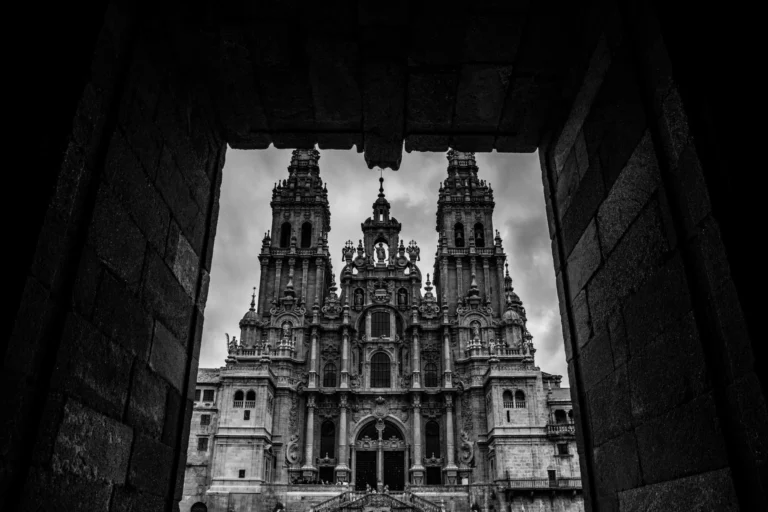
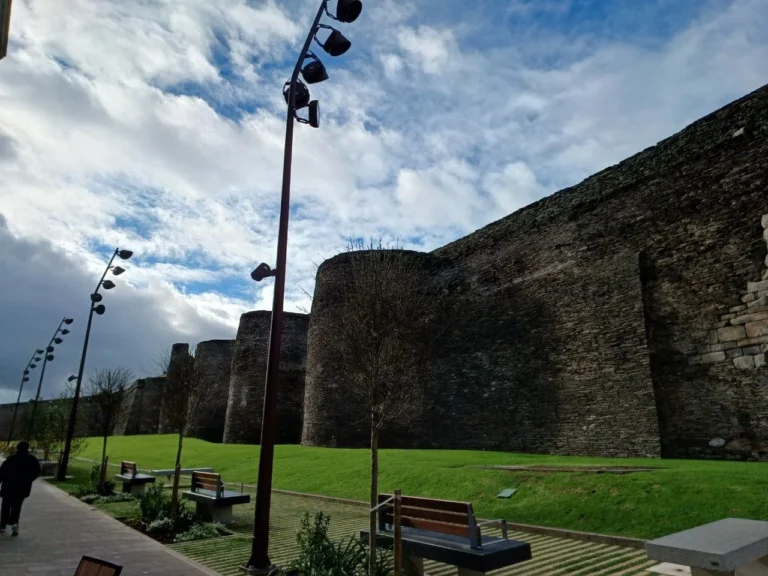
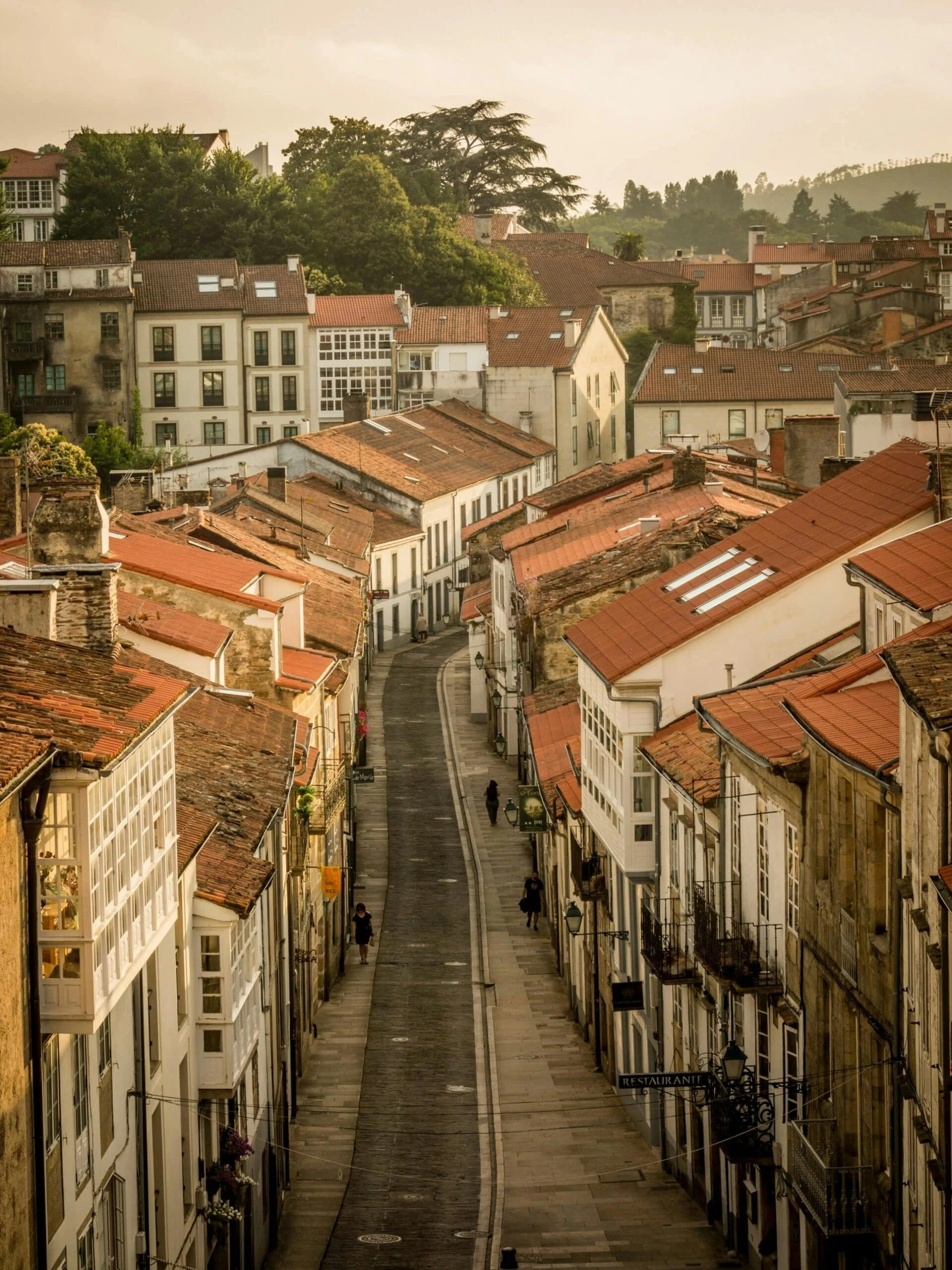
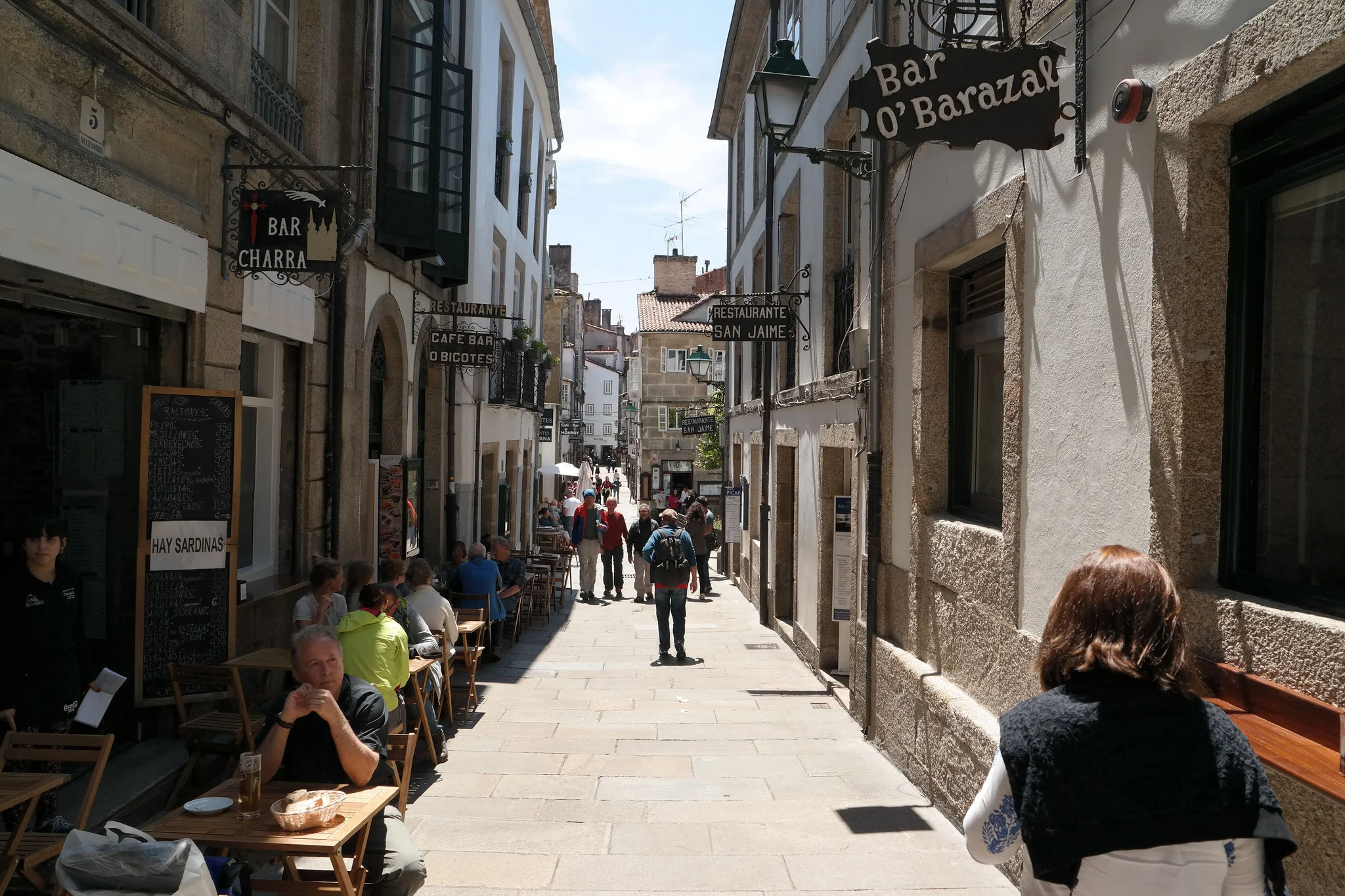
Santiago de Compostela, the capital of Galicia, is one of Spain’s most symbolic historic cities. Its old town was declared a UNESCO World Heritage Site in 1985, and its stone streets, arcades, squares and monumental buildings create a very distinctive atmosphere.
But the city’s appeal goes far beyond religion and heritage. Santiago also has a strong university character, which gives it a younger and more dynamic rhythm. Combined with the constant arrival of pilgrims and international visitors, this creates an especially interesting environment for anyone who wants to practise Spanish in real life.
The origin of the Camino de Santiago and its cultural significance
The Camino de Santiago is a historic network of pilgrimage routes leading to Santiago de Compostela. According to tradition, the tomb of Saint James the Greater was discovered here in the 9th century, and from that moment the city became one of the most important pilgrimage destinations in Europe.
Over the centuries, the Camino has grown into something much broader than a religious route. Today it is also associated with history, culture, landscape, human connection and personal transformation, which is why it continues to attract walkers from around the world.
Different routes, different rhythms, but a shared kind of transformation
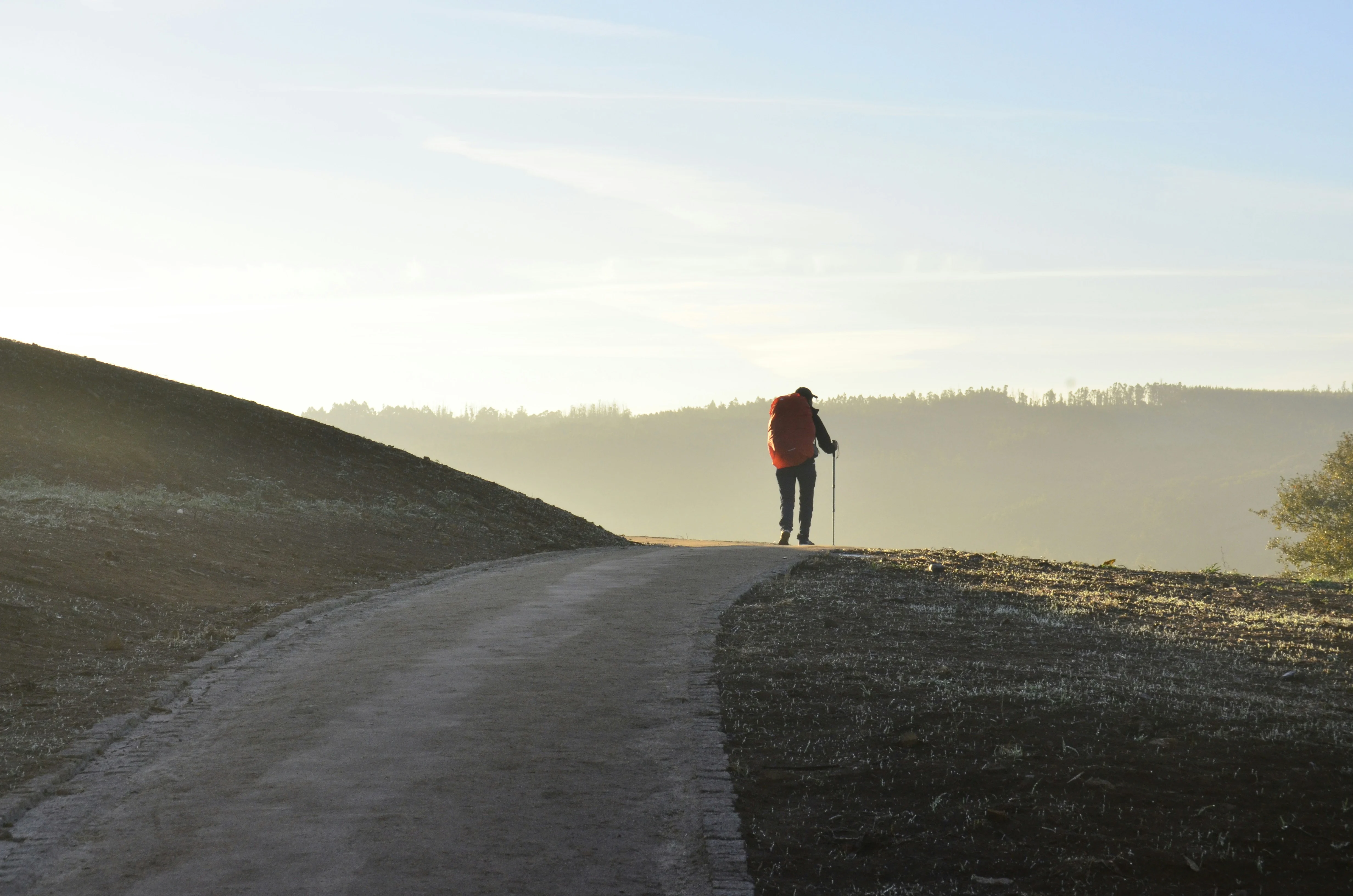
There are several Camino routes, including the French Way, the Portuguese Way, the Northern Way and the Via de la Plata. Each has its own landscapes, pace and daily experience, but all of them lead towards the same destination and create space for a slower, more reflective way of travelling.
While walking, pilgrims move through villages, rural paths, hostels, cafés and historic towns, often meeting people from many different countries. That human dimension is one of the main reasons the Camino leaves such a lasting impression.
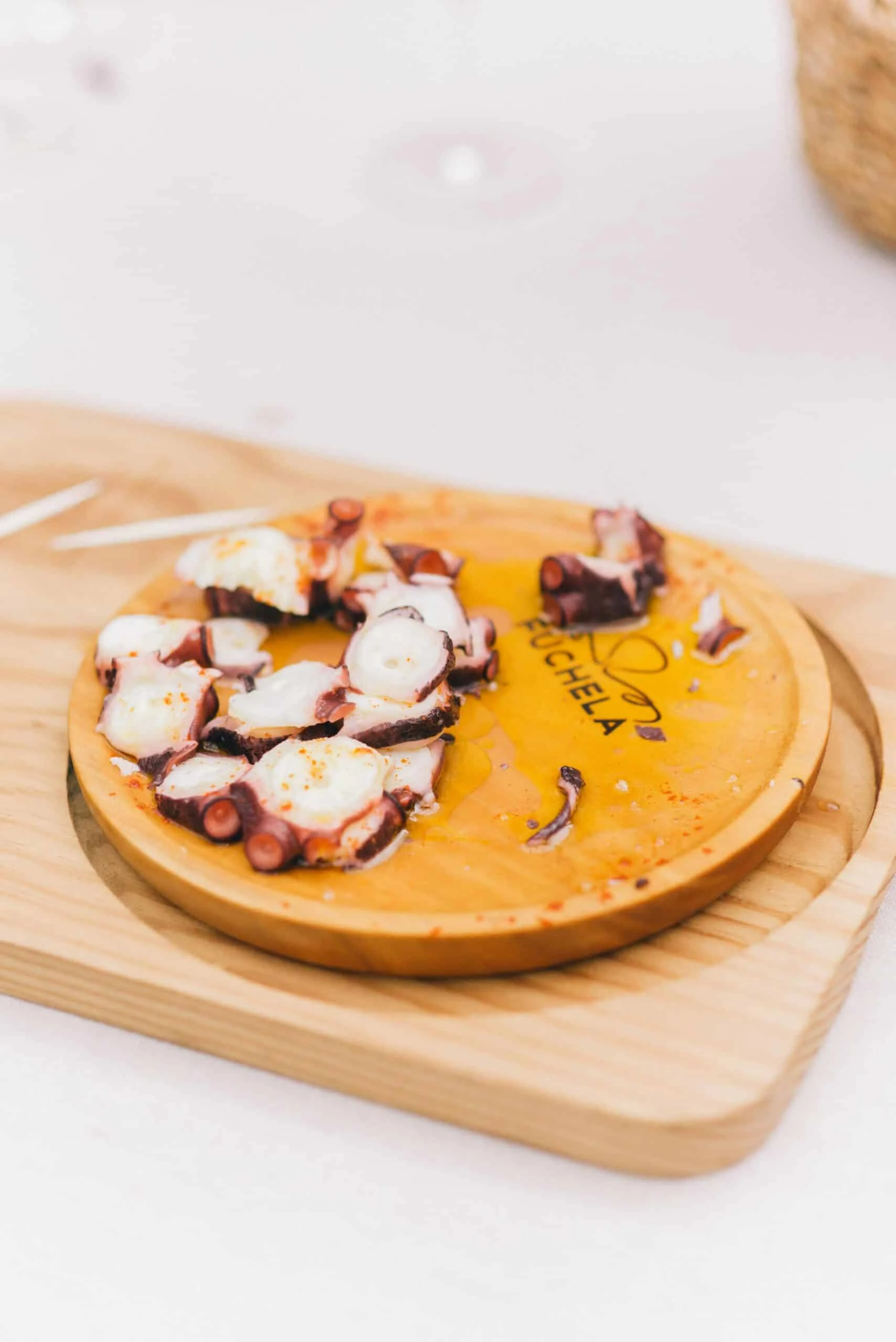
The Camino also introduces you to Galician food and everyday culture
Walking through Galicia also means discovering a region with a strong culinary identity. Along the way, pilgrims often come across emblematic local dishes such as pulpo a la gallega, seafood, lacón con grelos and the classic Tarta de Santiago.
And when you finally arrive at the Praza do Obradoiro and stand before the cathedral, the moment often feels difficult to explain. It is not only the end of the route, but also the emotional conclusion of a much deeper personal journey.
If you want to combine the Camino with Spanish classes, planning ahead helps
For many students, combining the Camino de Santiago with a Spanish course in Spain is an especially attractive idea. Some people choose to walk part of the route first and then stay in Santiago to study, while others prefer to settle into the city and begin classes before doing part of the Camino.
Spring and autumn are often excellent times for this kind of experience, with milder temperatures and fewer crowds than peak season. It is also worth planning accommodation, route stages, total stay and study dates in advance.
- Best seasons: spring and autumn.
- What to pack: comfortable shoes, layers, a rain jacket and a light backpack.
- Trip planning: decide whether you want to prioritise the Camino, Spanish study or a balanced combination of both.
- Accommodation: early booking is highly recommended in busy periods and on popular stages.
Learning Spanish in Santiago de Compostela is a different kind of immersion
Studying Spanish in Santiago feels different from doing it in a purely tourist-oriented city. Here, university life, Galician identity, historic spaces and the constant flow of international pilgrims all shape the atmosphere. That means language learning naturally continues outside the classroom.
It is also a walkable, manageable and welcoming city. For many international students, that makes adaptation easier and helps them feel more connected to everyday life from the start.
A journey that brings together travel, language and personal growth
What makes this combination so powerful is that you are not separating “travel” from “learning”. The environment itself encourages you to slow down, listen more carefully, communicate more openly and experience Spain in a much more personal way.
For many people, this is not just a holiday or a short course. It becomes a meaningful life stage that stays with them long after the trip has ended.
If you want to plan your Camino experience more confidently, we can help
If you are thinking about combining the Camino de Santiago, accommodation planning, time in Santiago de Compostela and Spanish learning in one journey, SoulTripAdventure can help you organise the bigger picture and think through the options more clearly.